
Acts 14:19
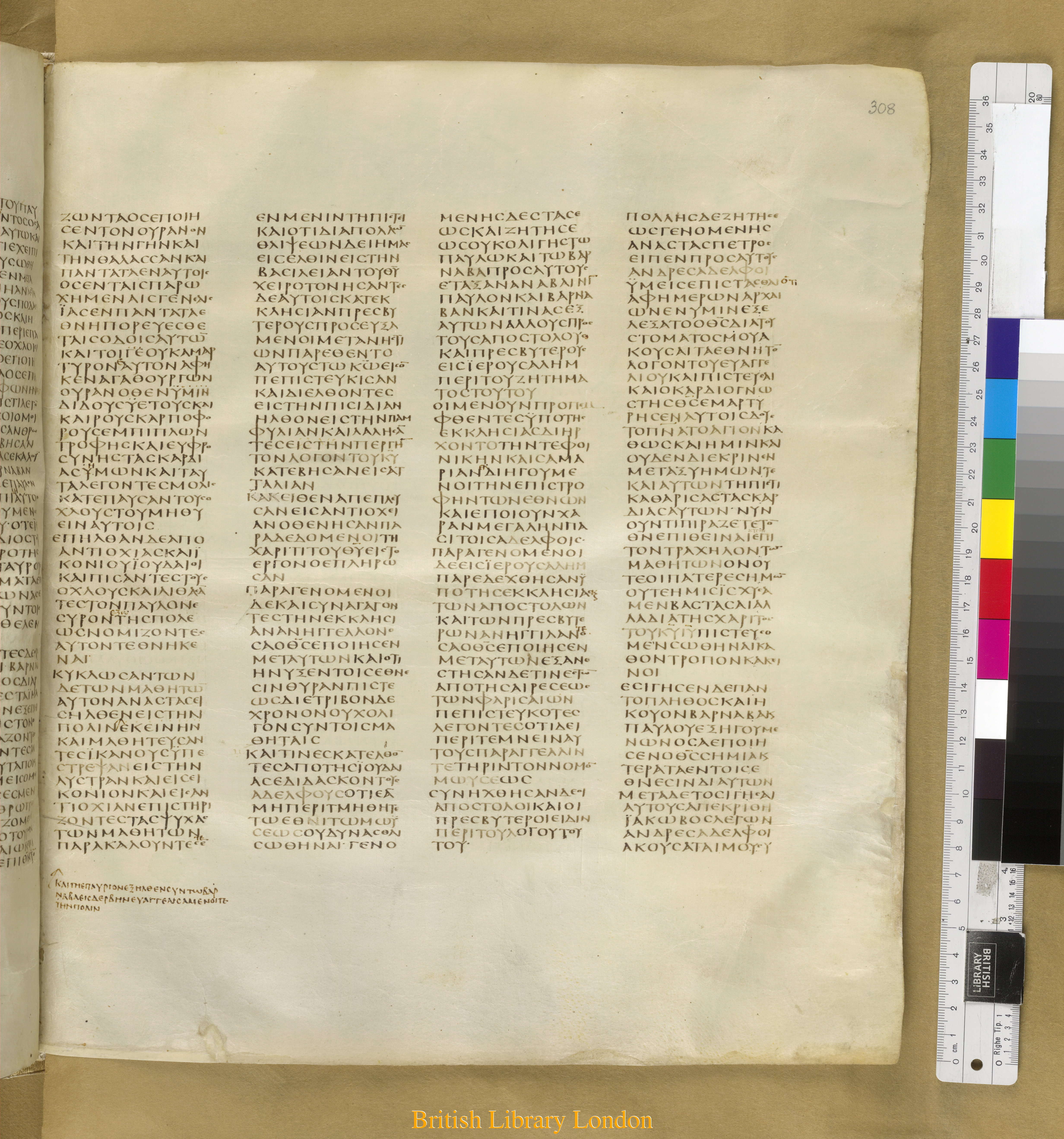
Codex Sinaiticus
It is one of the four great uncial codices and contains the oldest complete copy of the New Testament. Discovered by Constantin von Tischendorf in 1844, it remains one of the most important Greek texts for biblical scholarship.
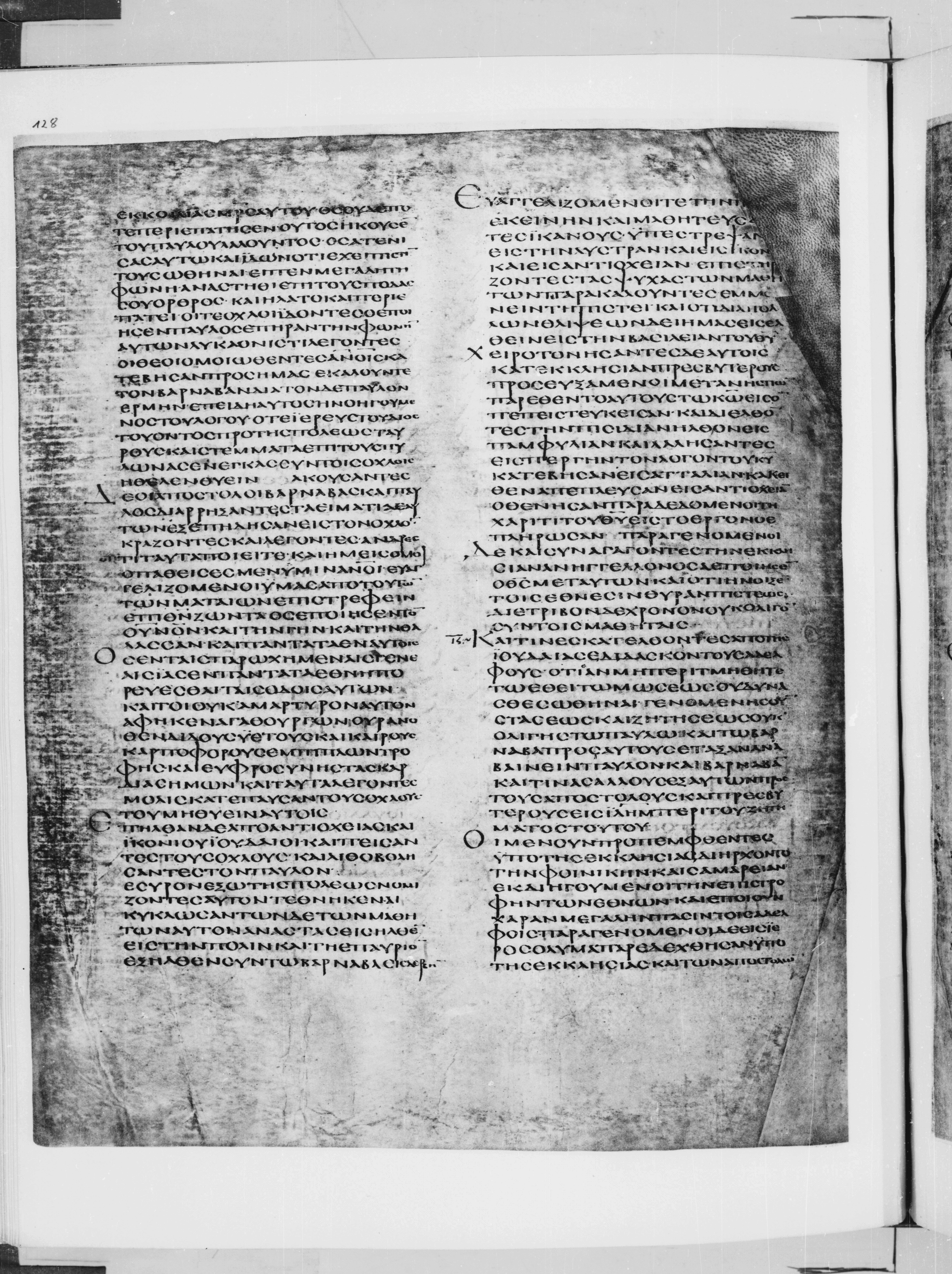
Codex Alexandrinus
Codex Alexandrinus is one of the four Great uncial codices and among the earliest and most complete manuscripts of the Bible. It is the oldest manuscript to use larger letters to indicate new sections, and it was the first manuscript of great importance and antiquity to be extensively used by textual critics.
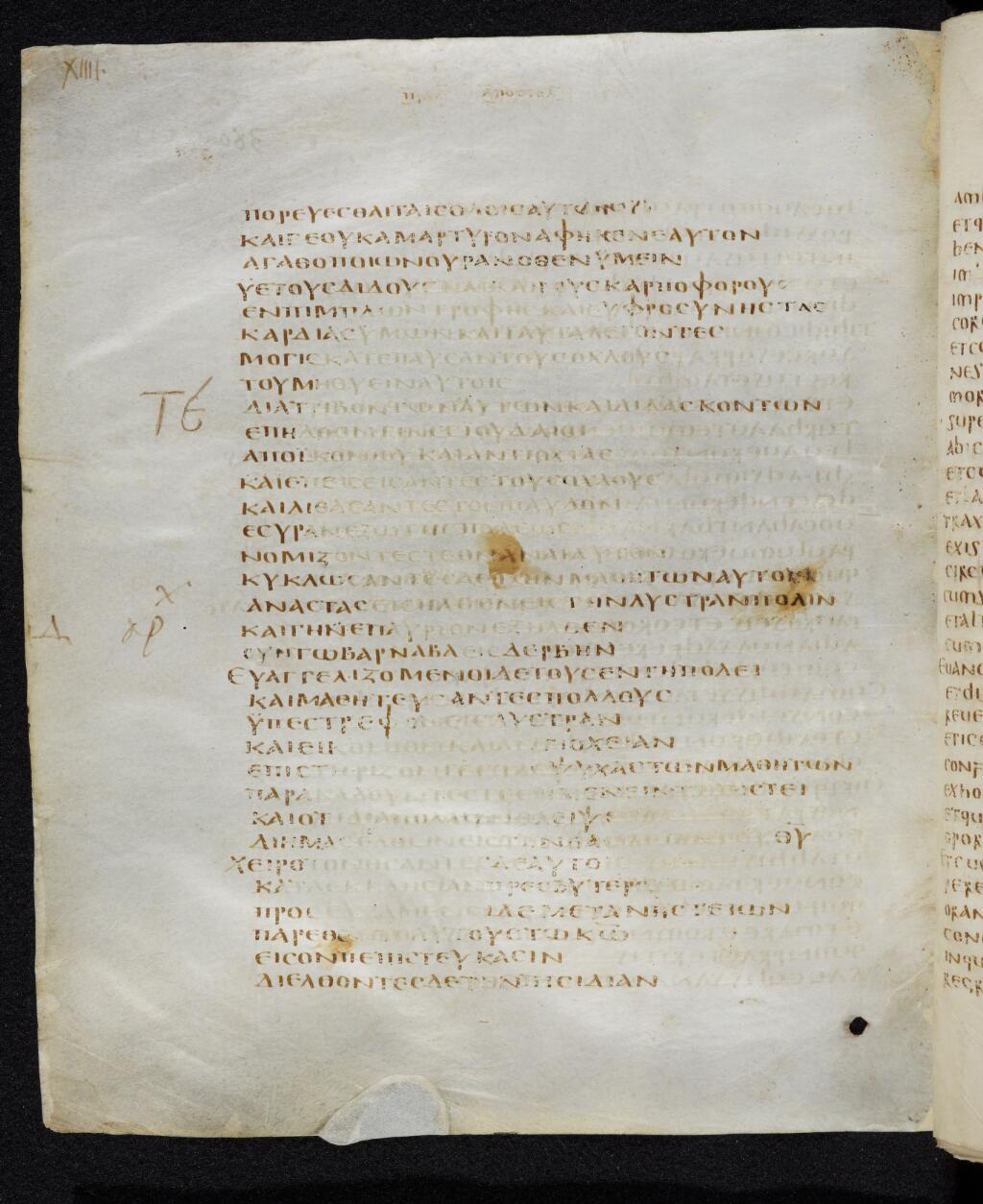
Codex Bezae
Codex Bezae Cantabrigiensis is a highly important bilingual (Greek/Latin) uncial manuscript of the Gospels and Acts. It is the primary witness to the 'Western' text-type, and is the oldest surviving manuscript witness to the Pericope Adulterae (John 7:53-8:11).
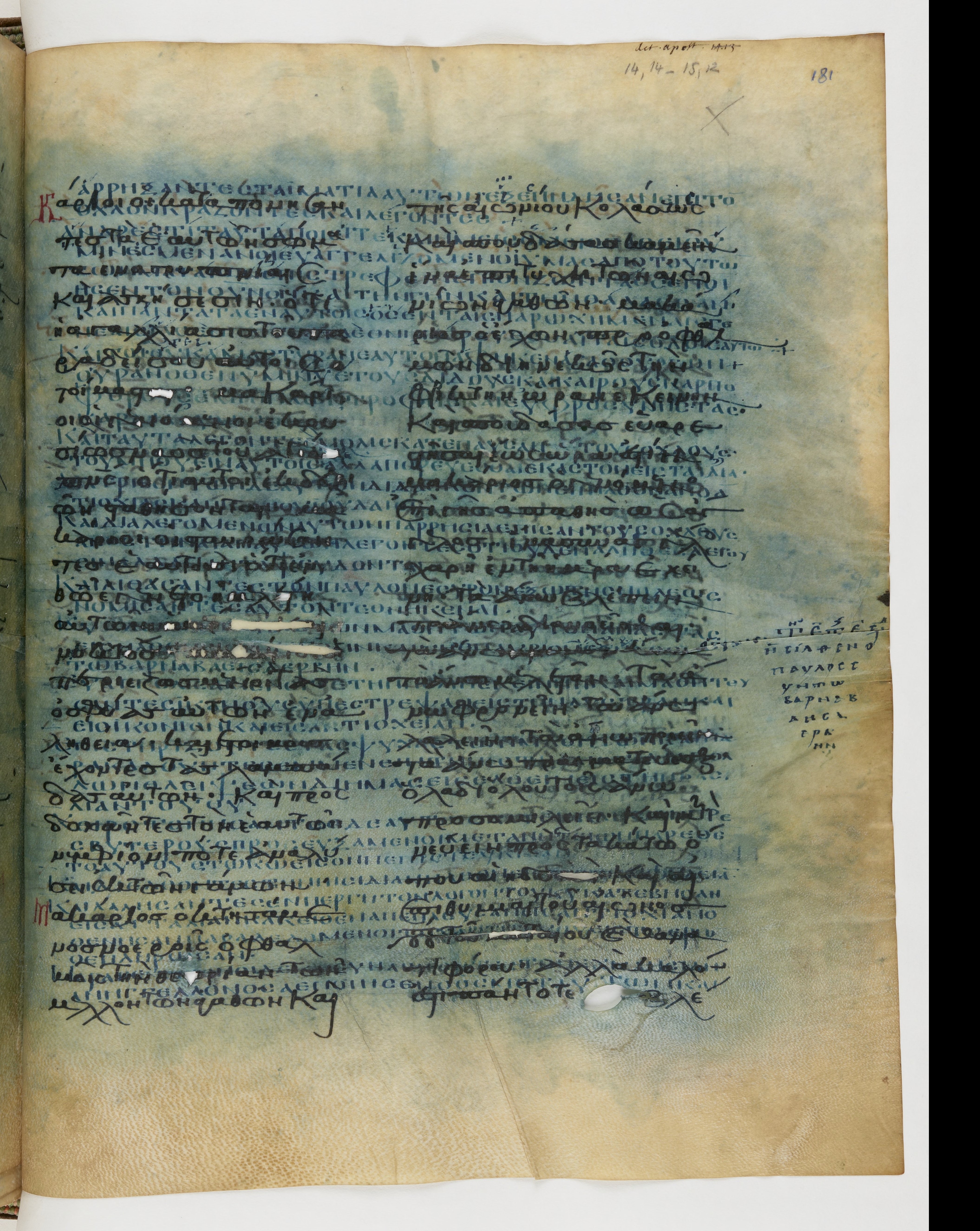
Codex Ephraemi Rescriptus
It is a palimpsest where the original 5th-century biblical text was washed off and overwritten in the 12th century with treatises by Ephrem the Syrian. It is one of the four great uncials, and its underlying text was famously deciphered by Constantin von Tischendorf in the 1840s.
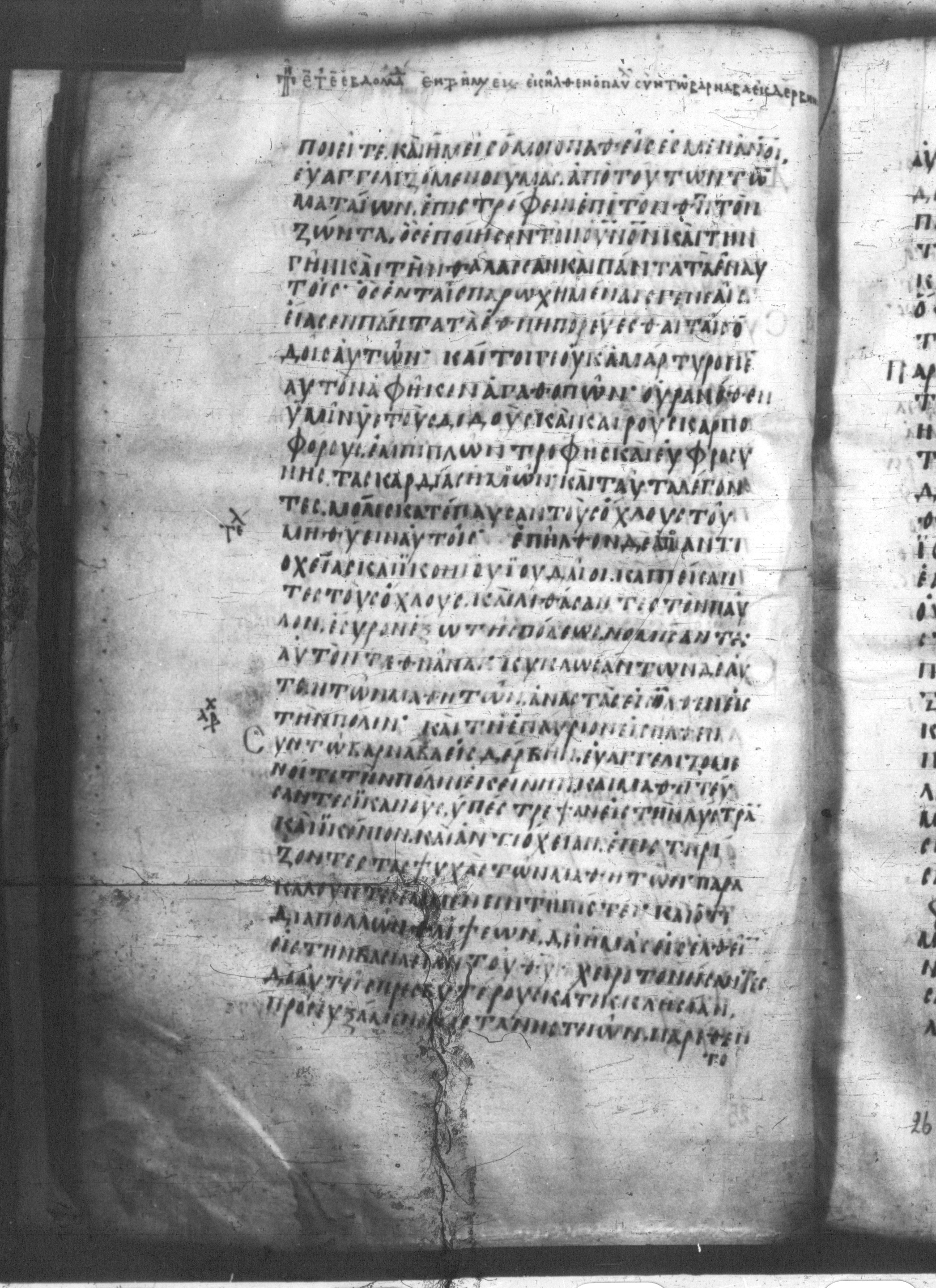
Codex Mutinensis
This 9th-century Greek uncial manuscript contains the book of Acts with major lacunae, some of which were supplied later by a minuscule hand. It is notable for its uncial letters that lean to the right and its inclusion of the Euthalian Apparatus.
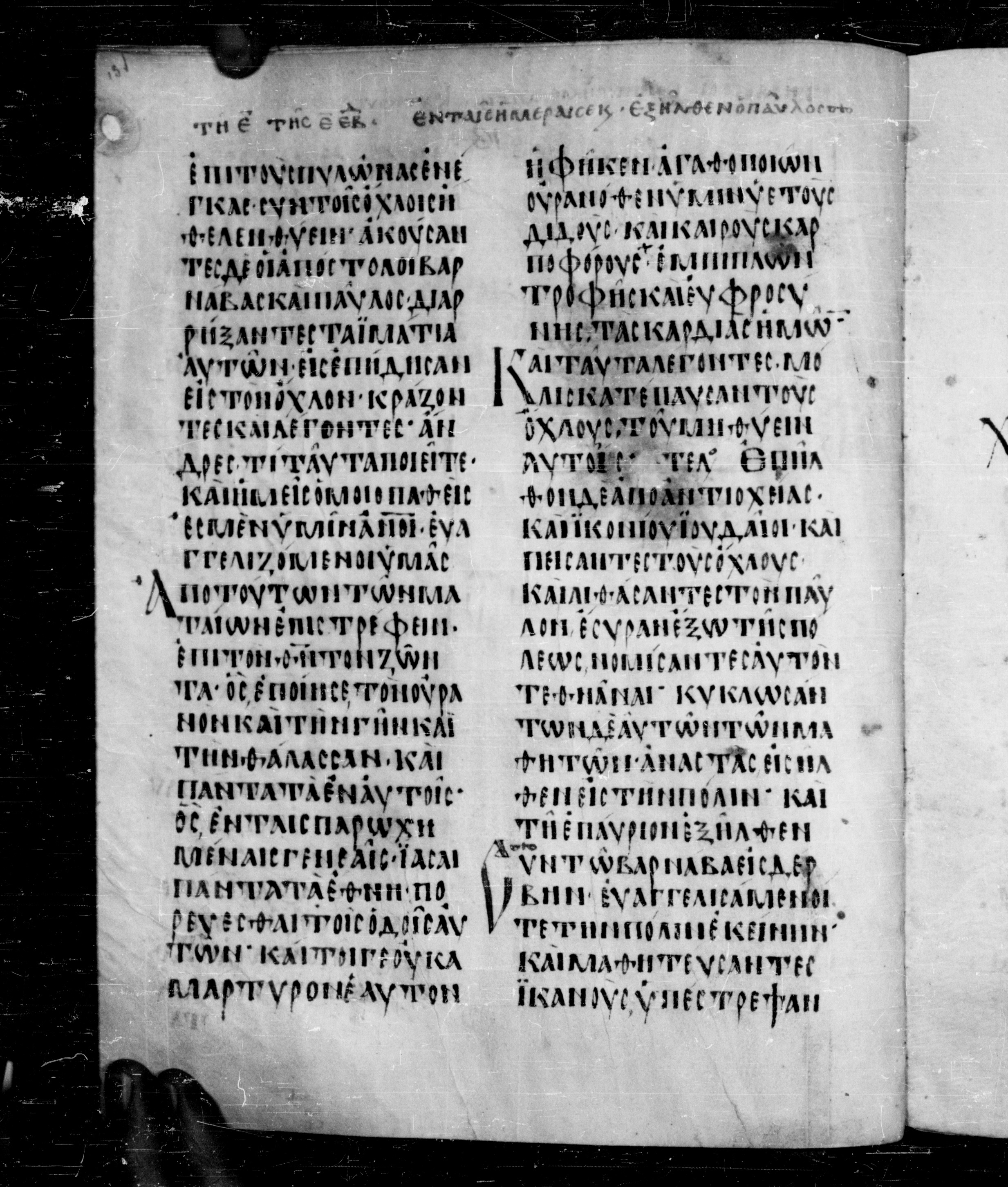
Codex Angelicus
It contains large lacunae in Acts 1:1-8:10 and in Hebrews 13:10-25.
Uncial 049
Uncial 049 is a 9th-century Greek New Testament codex containing the Acts of the Apostles and the Epistles with numerous lacunae.