
Daniel 1:16
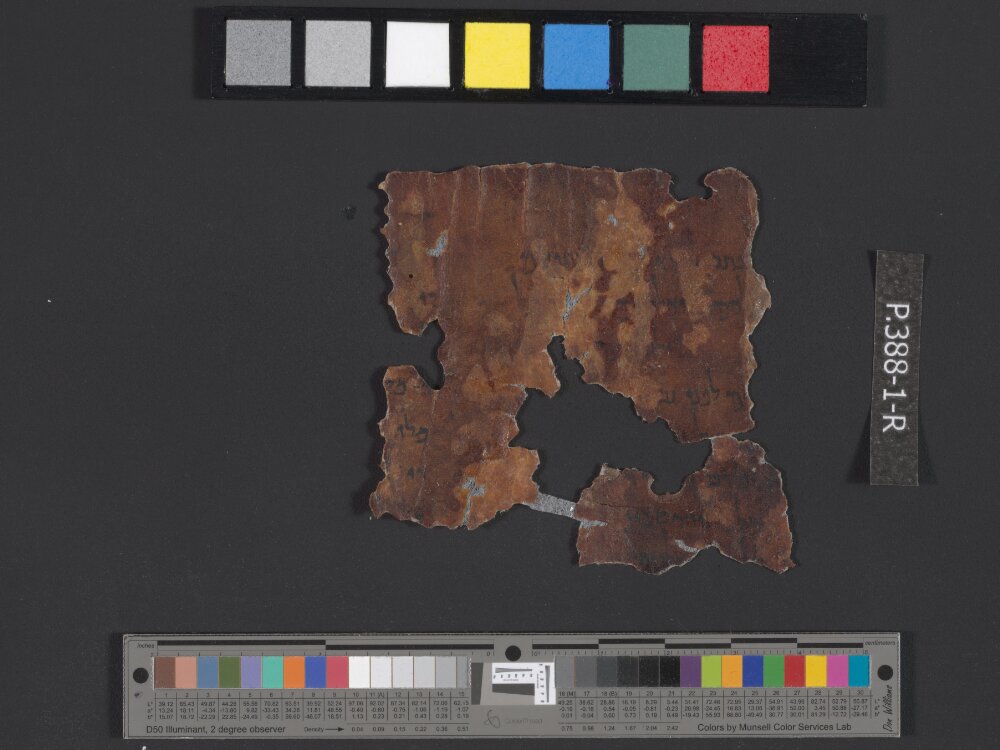
4QDaniel a (4QDanᵃ)
One of the most significant copies of the Book of Daniel discovered at Qumran, copied in the mid-1st century BC. The manuscript is bilingual and notably preserves the physical transition from Aramaic back to Hebrew at the beginning of chapter 8, matching the structure of later traditional texts.
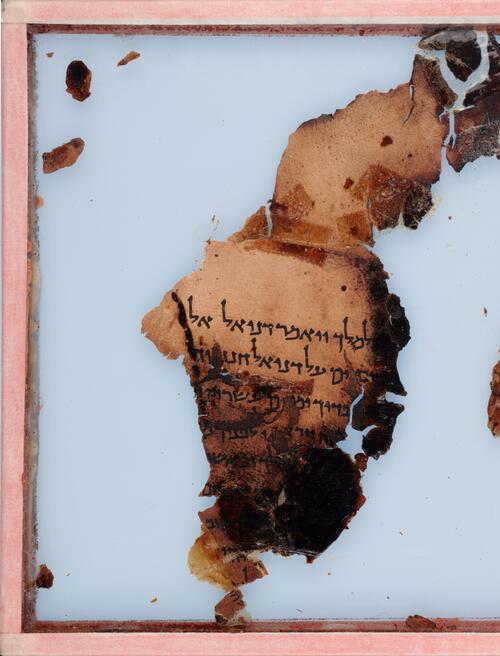
1QDan a (Scan 1)
An early copy of Daniel discovered in Qumran Cave 1. It is notable for preserving the historical transition from Hebrew to Aramaic in Daniel 2:4, exactly matching the language transition found in modern Bibles.
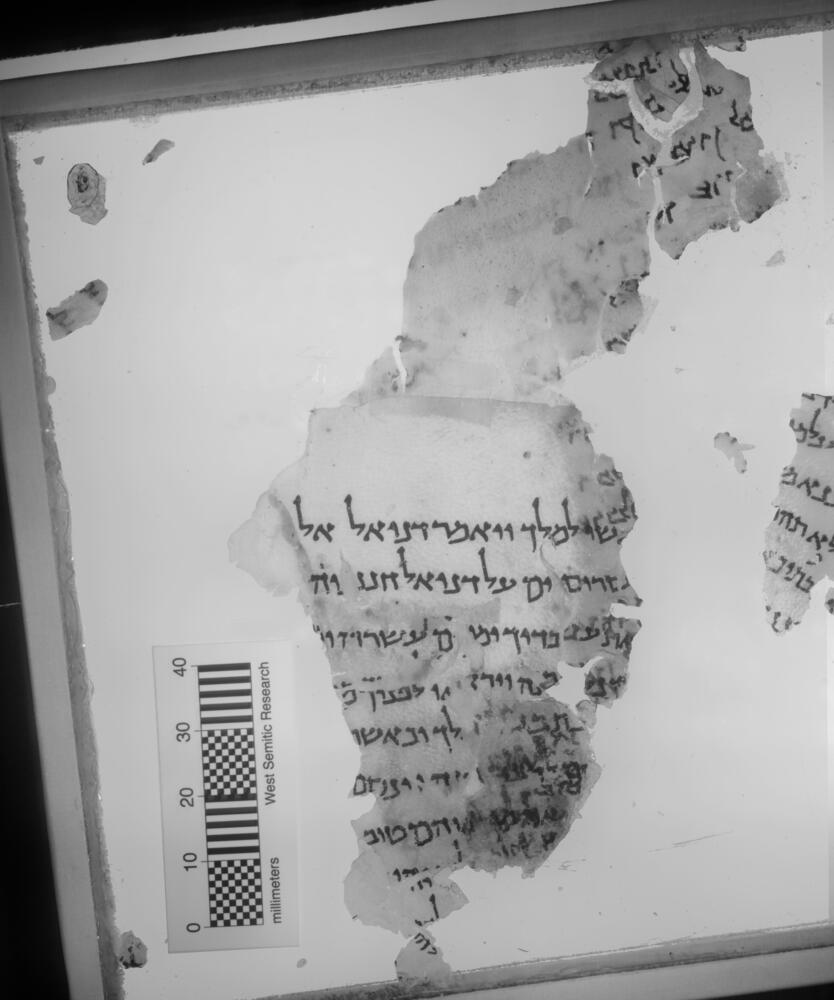
1QDan a (Scan 2)
An early copy of Daniel discovered in Qumran Cave 1. It is notable for preserving the historical transition from Hebrew to Aramaic in Daniel 2:4, exactly matching the language transition found in modern Bibles.
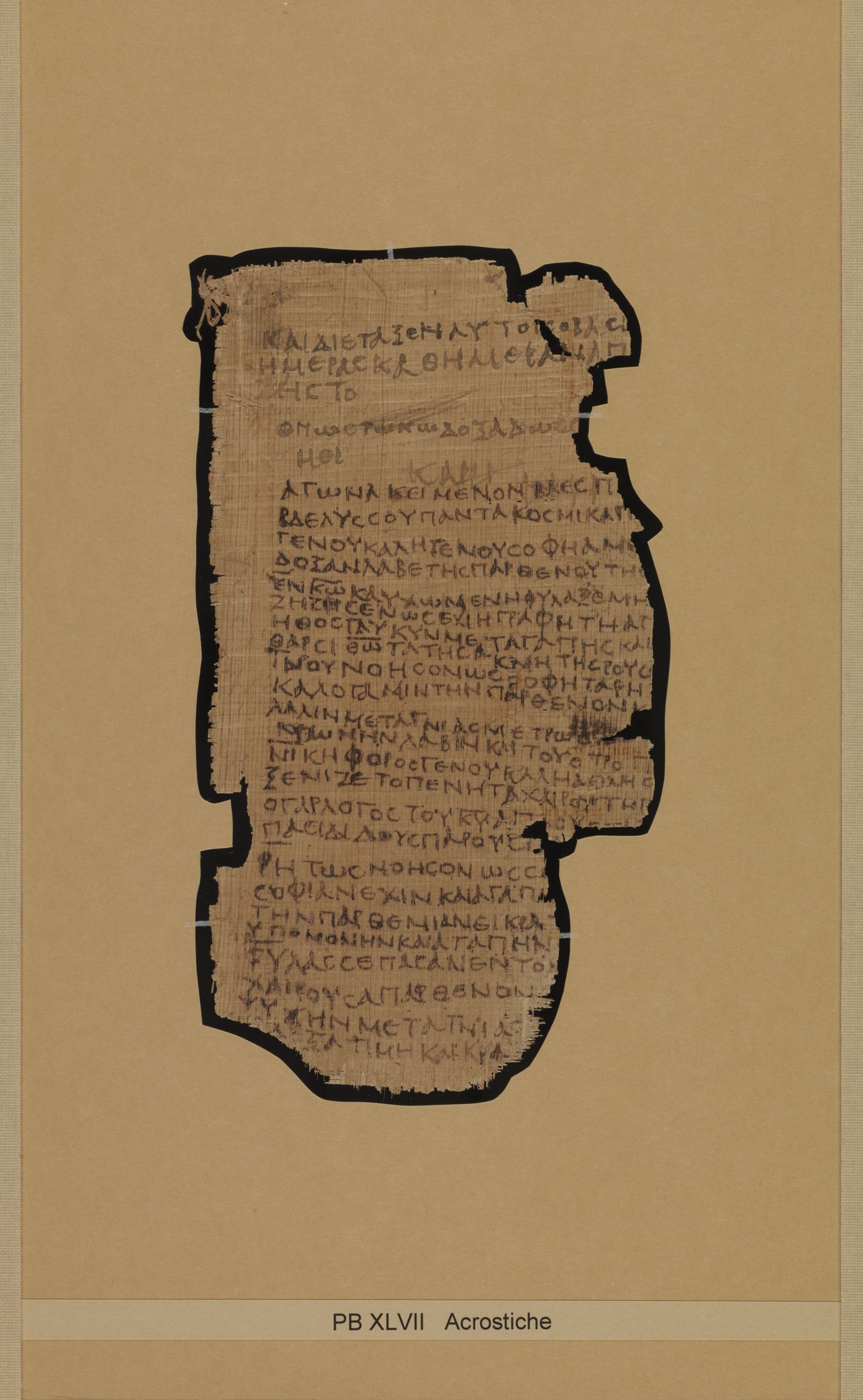
Papyrus Bodmer XLV / XLVI
Papyrus Bodmer XLV and XLVI are fragments of an ancient Greek codex containing some of the earliest surviving text of the Book of Daniel. It is particularly notable for preserving the story of Susanna alongside the first chapter of Daniel. Surviving from the third or fourth century, it was originally bound in a highly interesting collection that also included classical Greek literature.
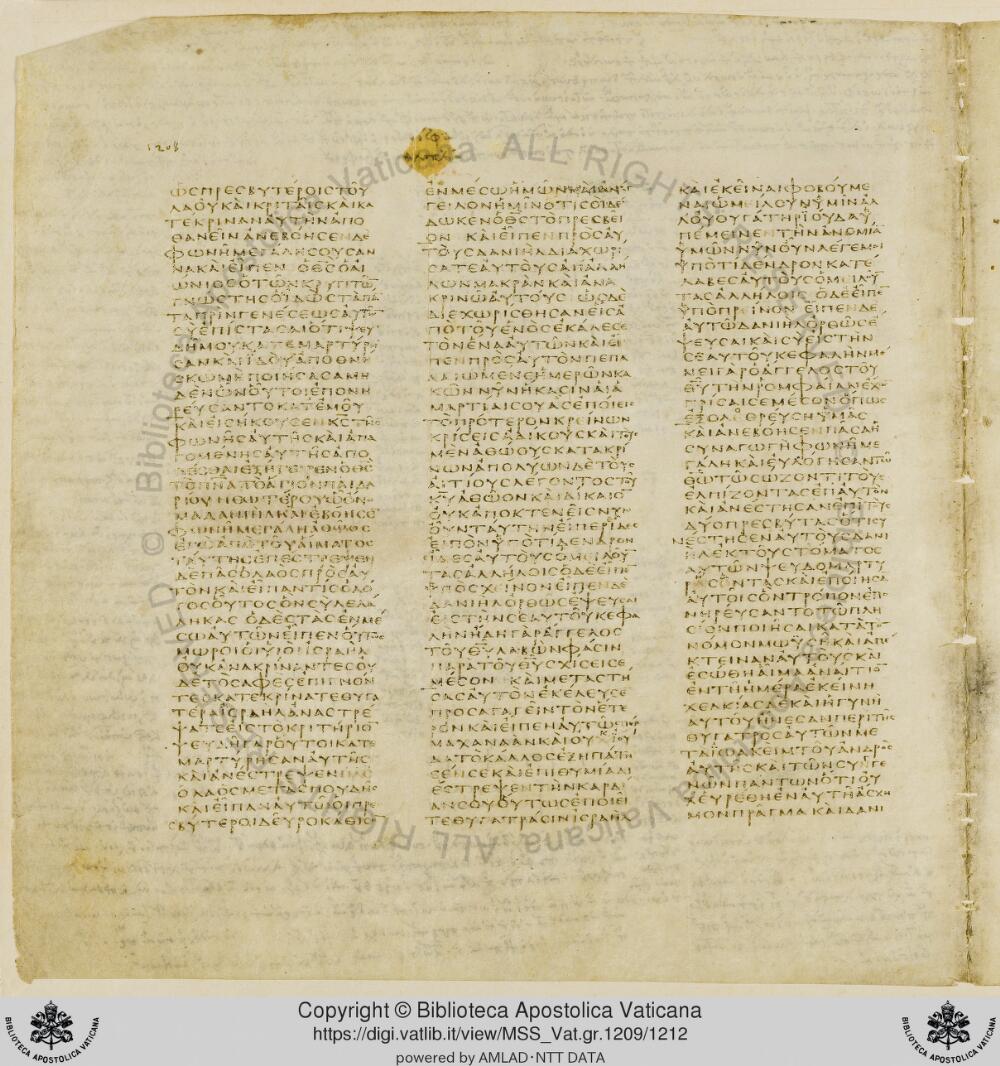
Codex Vaticanus
Codex Vaticanus is one of the oldest and most valuable surviving manuscripts of the complete Greek Bible. It has been securely housed in the Vatican Library since at least the late 15th century and is celebrated for its elegant script written on very high-quality vellum.
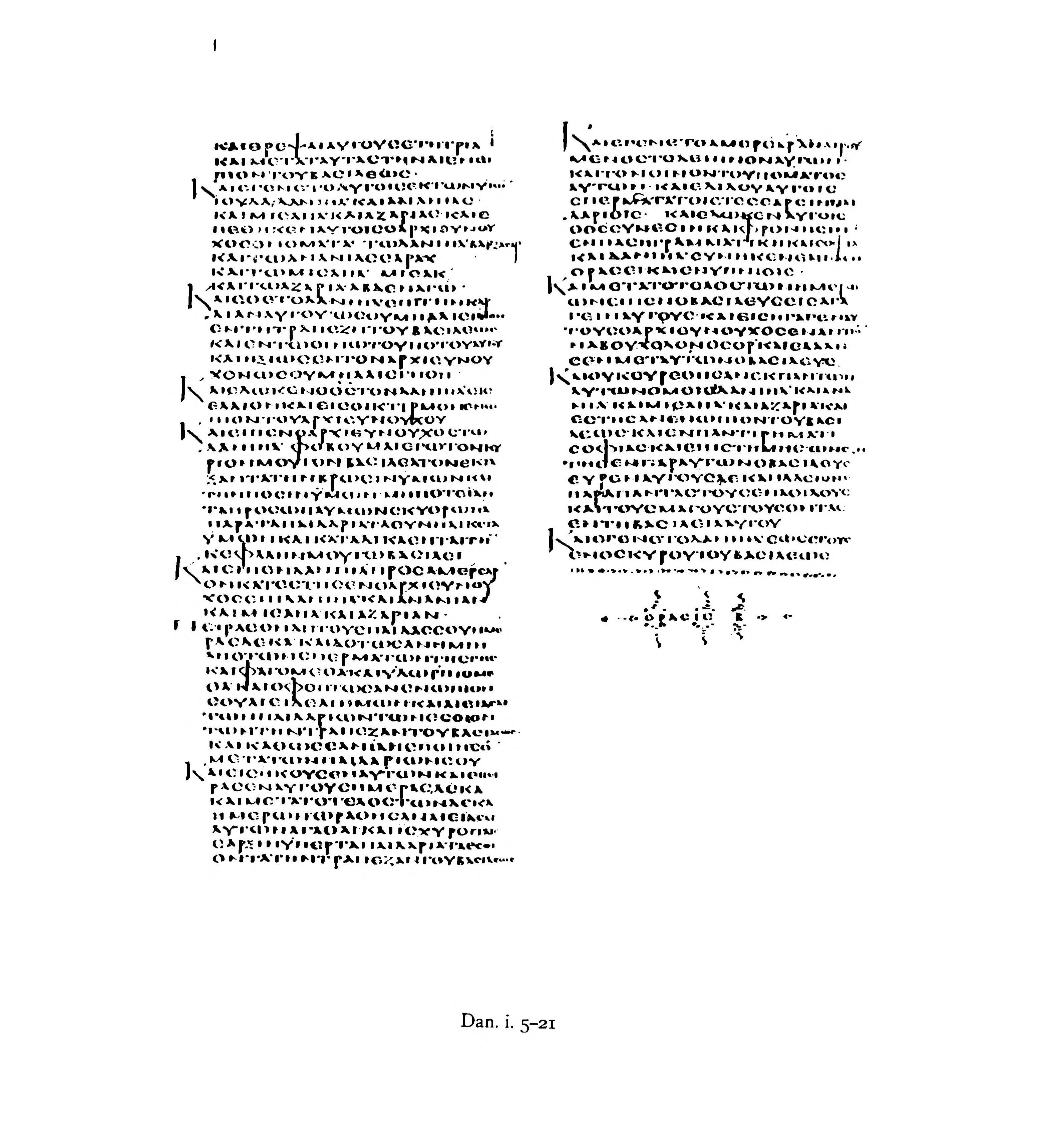
Codex Alexandrinus
Codex Alexandrinus is one of the four great uncial codices of the Greek Bible. It contains the vast majority of the Septuagint and New Testament, and was the first of the great uncials to become accessible to modern scholars.