
Deuteronomy 1:20
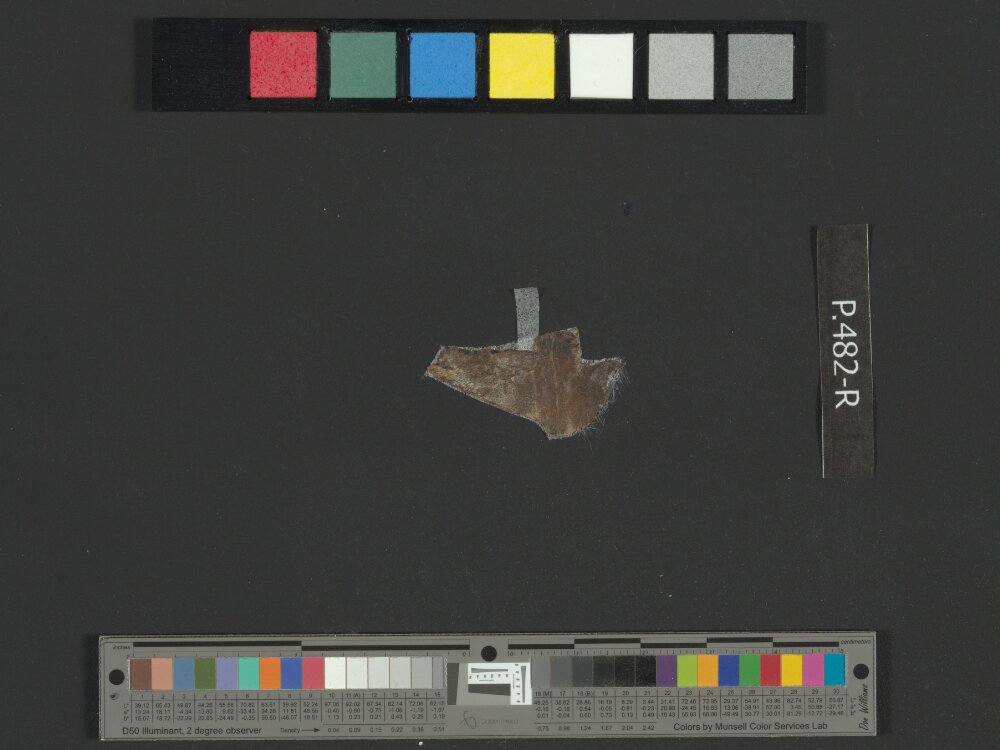
4Q Reworked Pentateuch b (Scan 1)
This ancient Hebrew parchment scroll contains portions of Genesis, Exodus, Numbers, and Deuteronomy. Housed at the Rockefeller Museum, it represents an important early witness to the Torah and reflects the vibrant scribal techniques used during the late Hasmonean period.
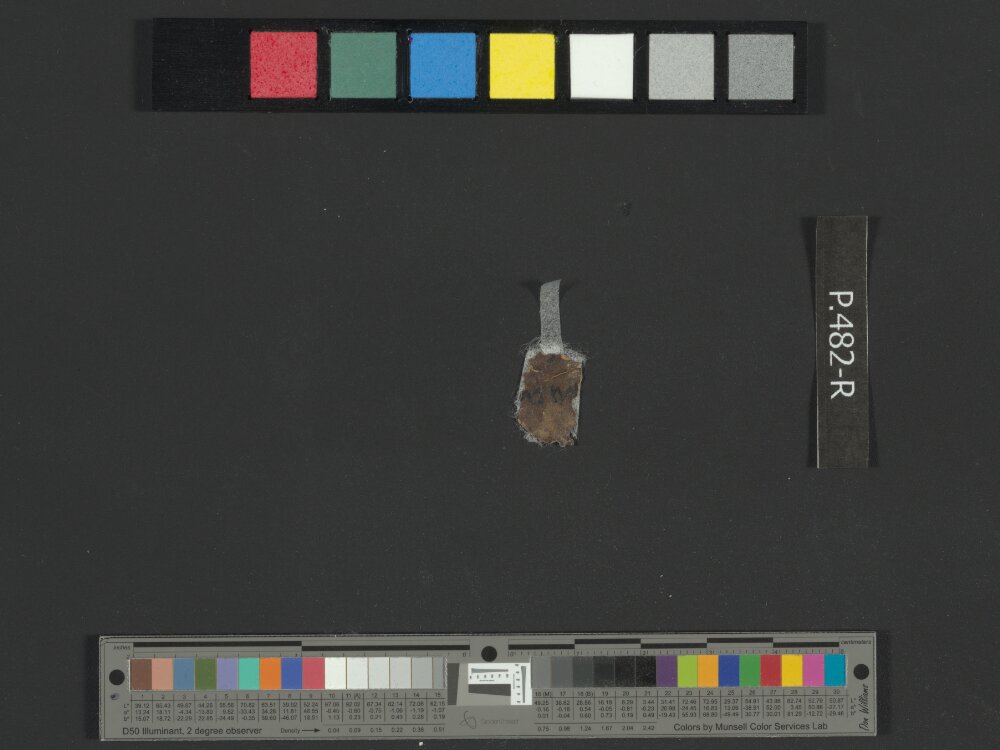
4Q Reworked Pentateuch b (Scan 2)
This ancient Hebrew parchment scroll contains portions of Genesis, Exodus, Numbers, and Deuteronomy. Housed at the Rockefeller Museum, it represents an important early witness to the Torah and reflects the vibrant scribal techniques used during the late Hasmonean period.
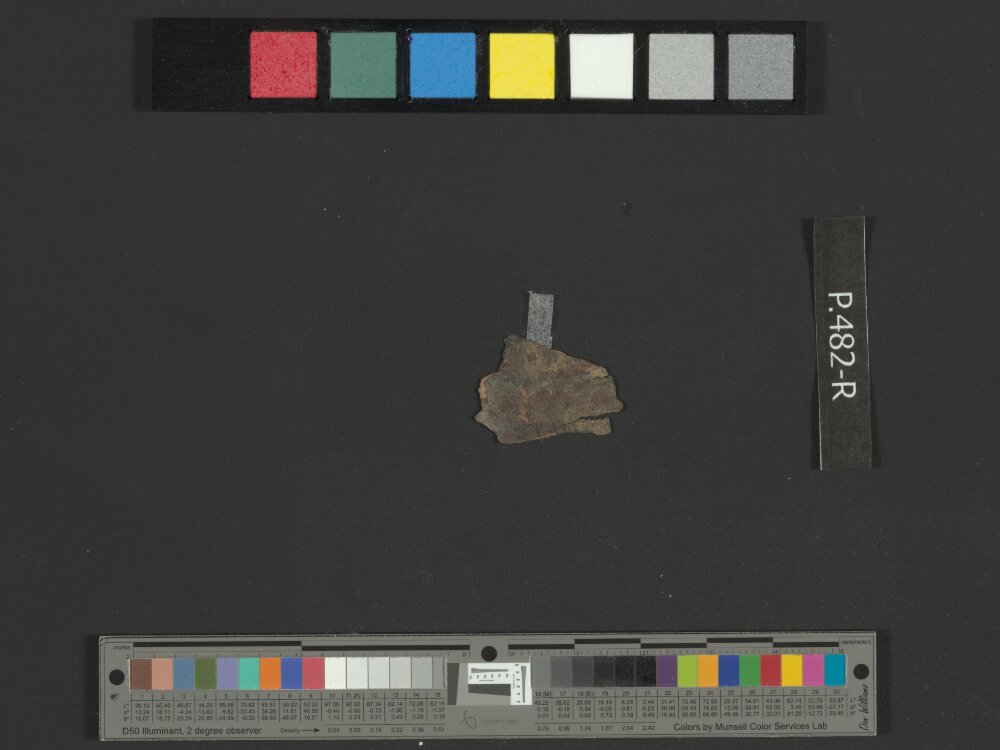
4Q Reworked Pentateuch b (Scan 3)
This ancient Hebrew parchment scroll contains portions of Genesis, Exodus, Numbers, and Deuteronomy. Housed at the Rockefeller Museum, it represents an important early witness to the Torah and reflects the vibrant scribal techniques used during the late Hasmonean period.
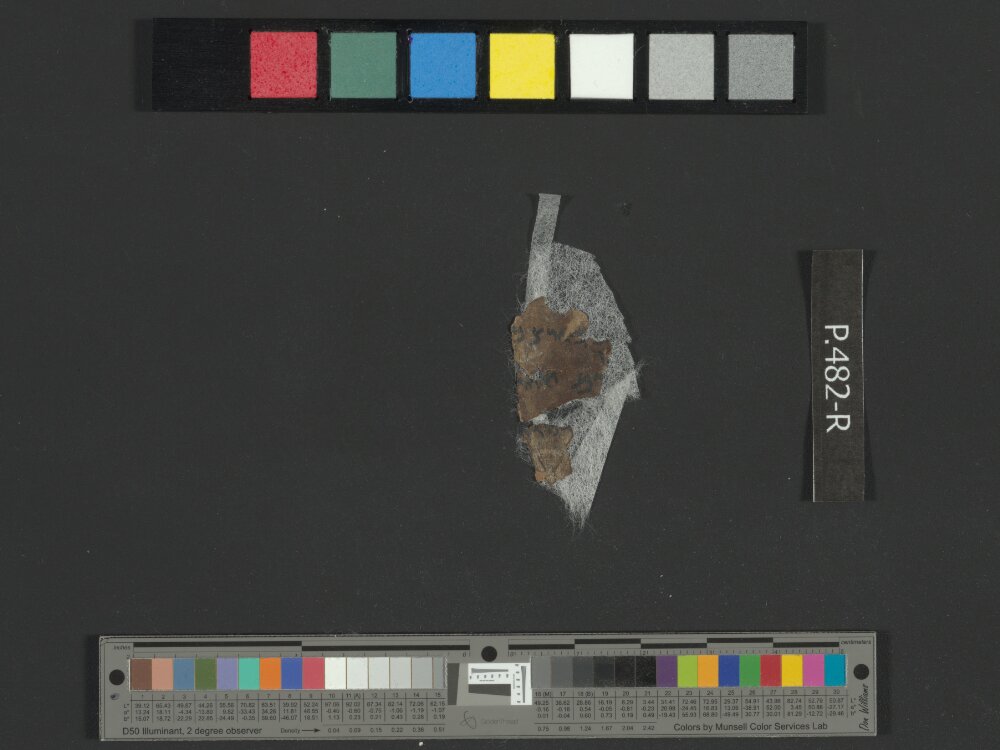
4Q Reworked Pentateuch b (Scan 4)
This ancient Hebrew parchment scroll contains portions of Genesis, Exodus, Numbers, and Deuteronomy. Housed at the Rockefeller Museum, it represents an important early witness to the Torah and reflects the vibrant scribal techniques used during the late Hasmonean period.
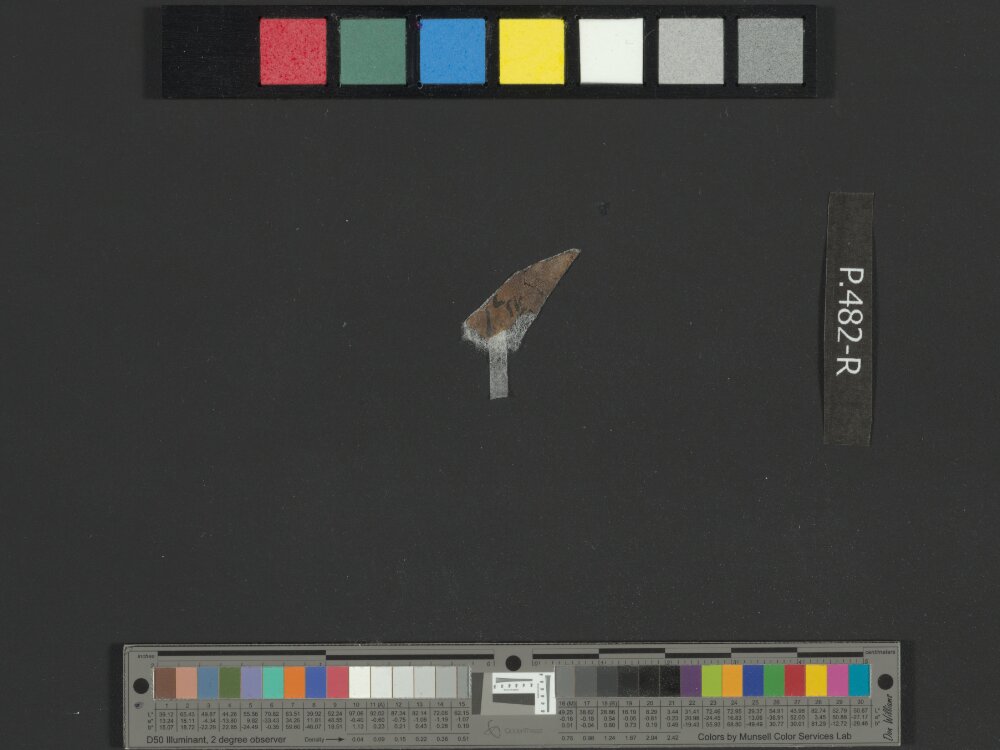
4Q Reworked Pentateuch b (Scan 5)
This ancient Hebrew parchment scroll contains portions of Genesis, Exodus, Numbers, and Deuteronomy. Housed at the Rockefeller Museum, it represents an important early witness to the Torah and reflects the vibrant scribal techniques used during the late Hasmonean period.
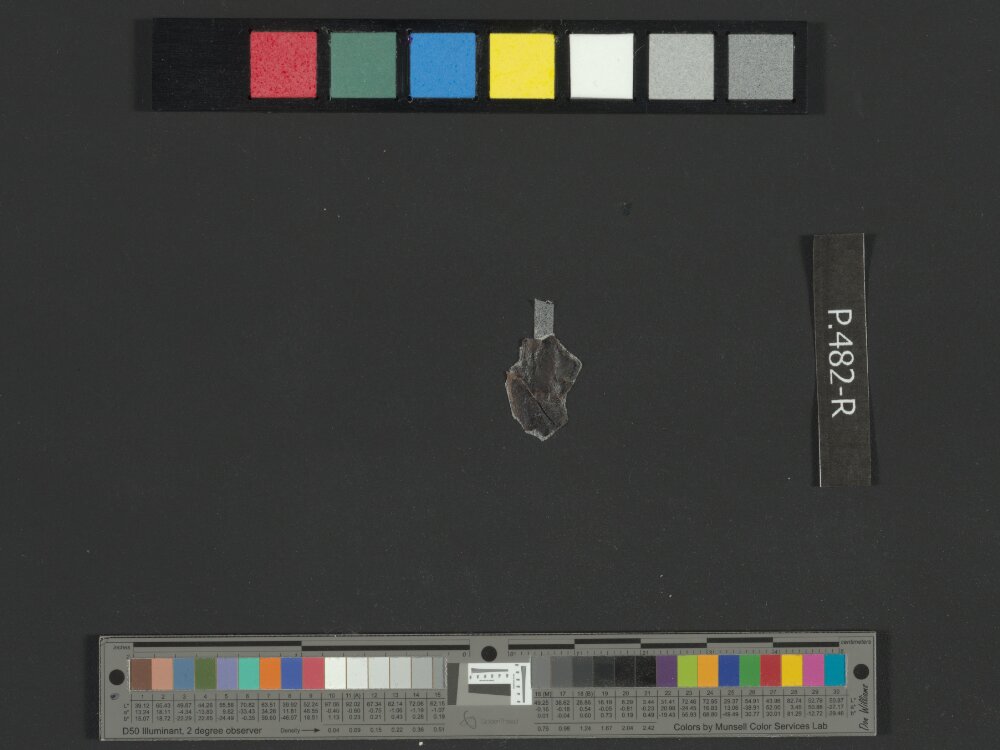
4Q Reworked Pentateuch b (Scan 6)
This ancient Hebrew parchment scroll contains portions of Genesis, Exodus, Numbers, and Deuteronomy. Housed at the Rockefeller Museum, it represents an important early witness to the Torah and reflects the vibrant scribal techniques used during the late Hasmonean period.
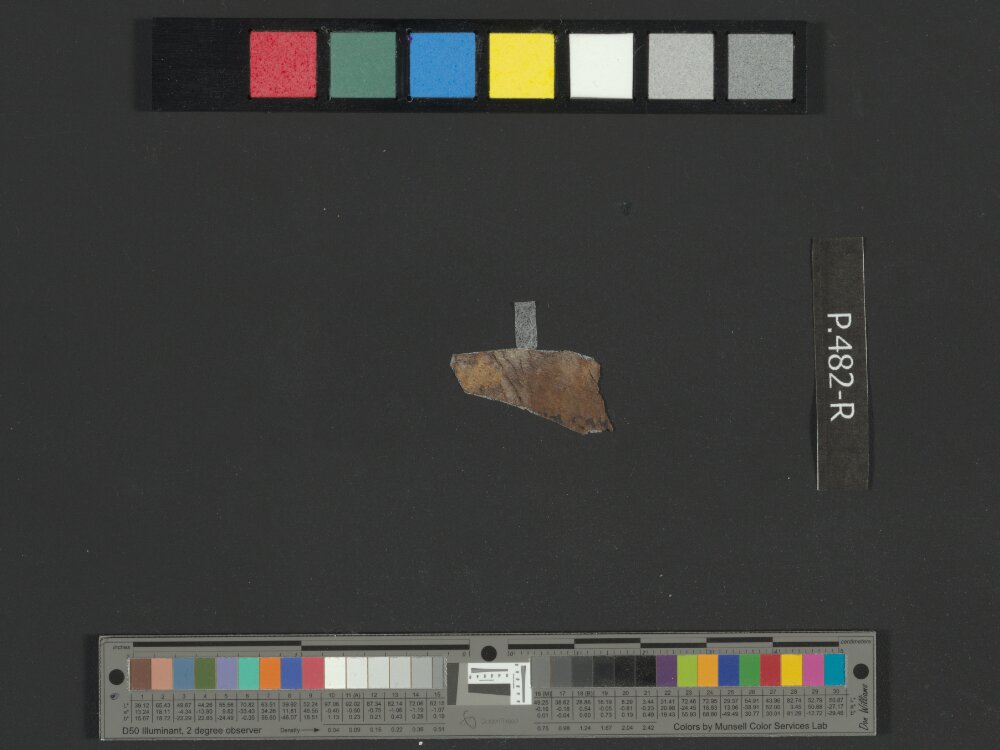
4Q Reworked Pentateuch b (Scan 7)
This ancient Hebrew parchment scroll contains portions of Genesis, Exodus, Numbers, and Deuteronomy. Housed at the Rockefeller Museum, it represents an important early witness to the Torah and reflects the vibrant scribal techniques used during the late Hasmonean period.
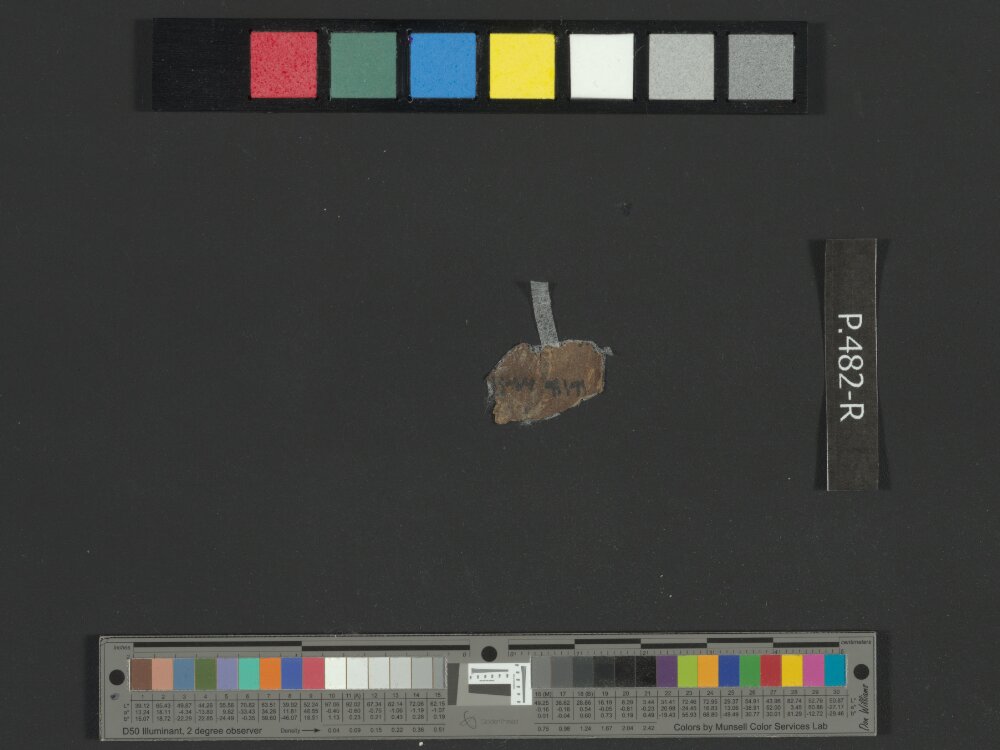
4Q Reworked Pentateuch b (Scan 8)
This ancient Hebrew parchment scroll contains portions of Genesis, Exodus, Numbers, and Deuteronomy. Housed at the Rockefeller Museum, it represents an important early witness to the Torah and reflects the vibrant scribal techniques used during the late Hasmonean period.
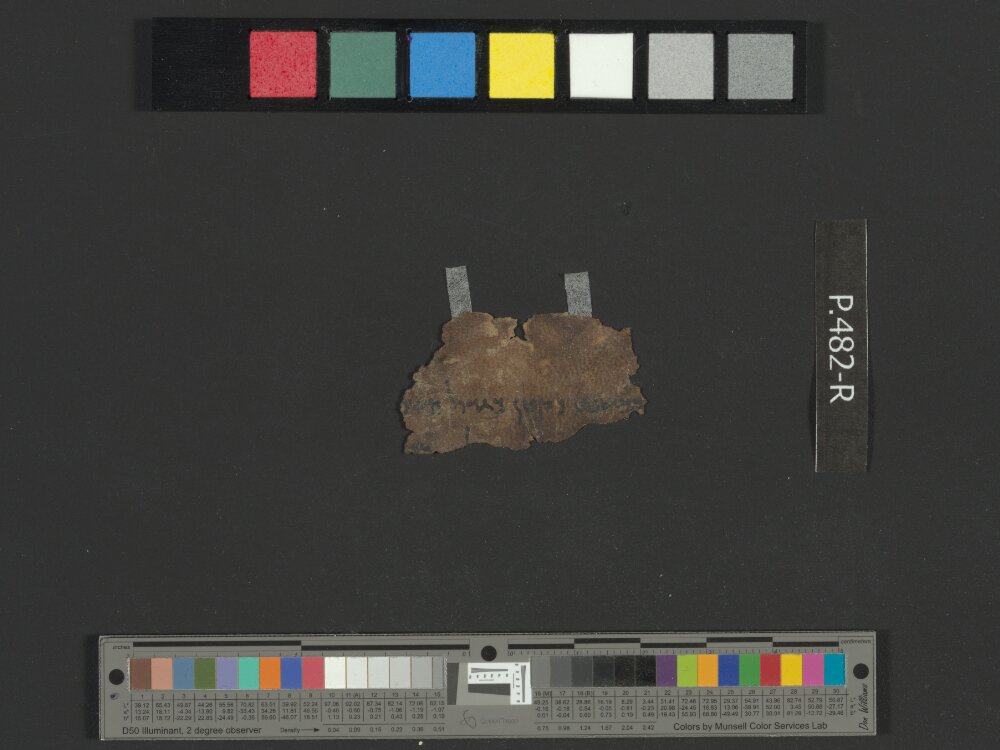
4Q Reworked Pentateuch b (Scan 9)
This ancient Hebrew parchment scroll contains portions of Genesis, Exodus, Numbers, and Deuteronomy. Housed at the Rockefeller Museum, it represents an important early witness to the Torah and reflects the vibrant scribal techniques used during the late Hasmonean period.
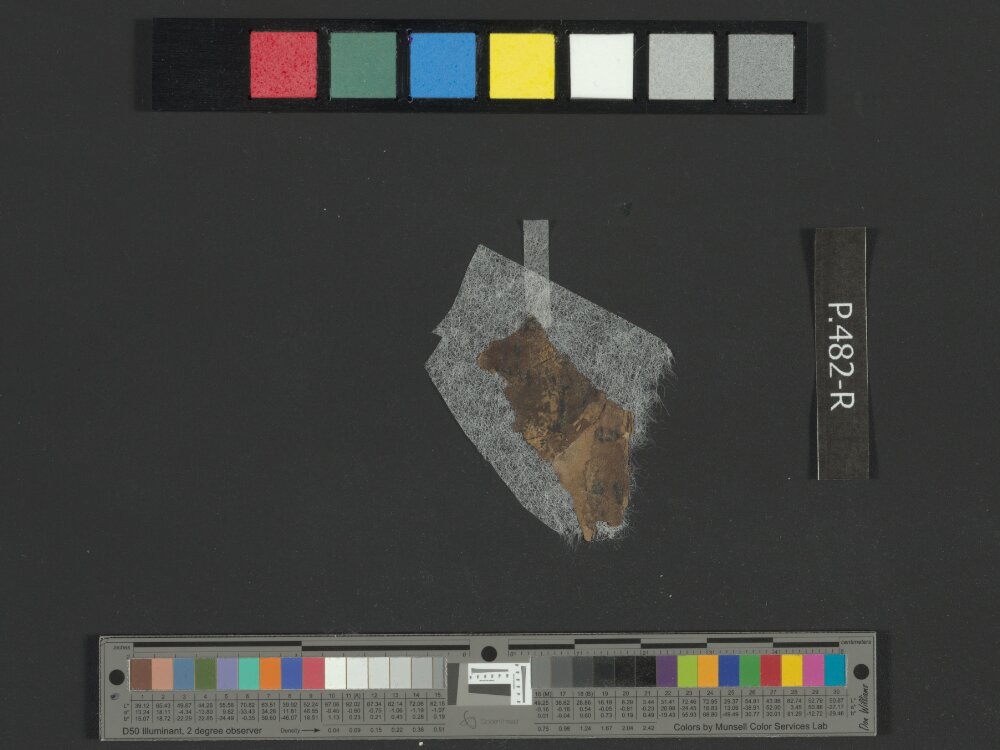
4Q Reworked Pentateuch b (Scan 10)
This ancient Hebrew parchment scroll contains portions of Genesis, Exodus, Numbers, and Deuteronomy. Housed at the Rockefeller Museum, it represents an important early witness to the Torah and reflects the vibrant scribal techniques used during the late Hasmonean period.
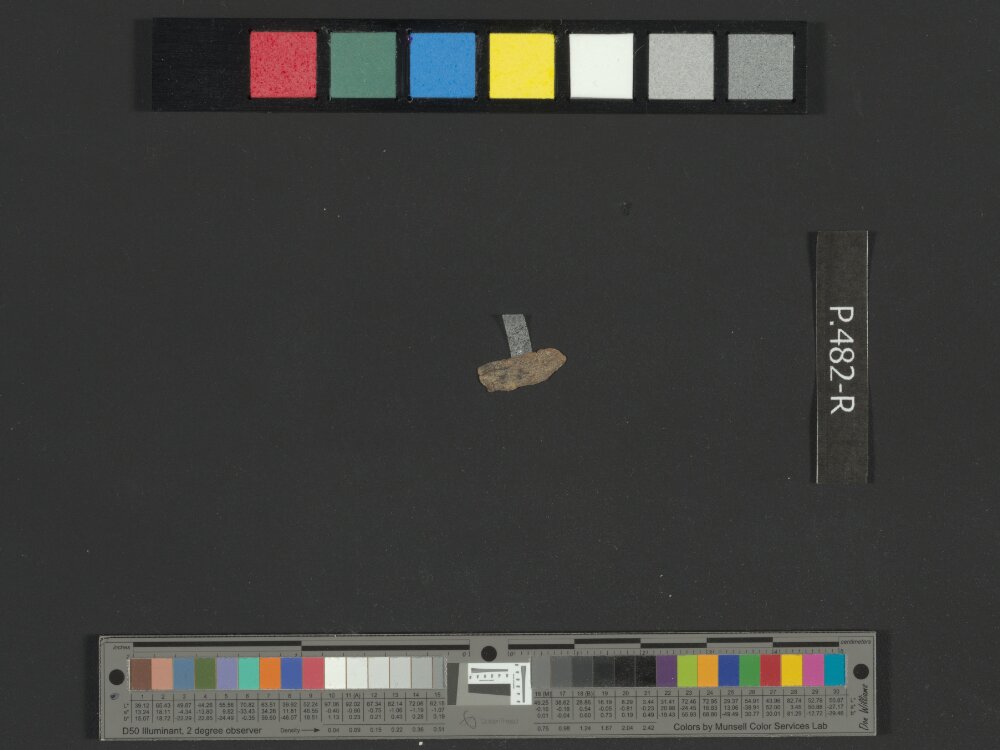
4Q Reworked Pentateuch b (Scan 11)
This ancient Hebrew parchment scroll contains portions of Genesis, Exodus, Numbers, and Deuteronomy. Housed at the Rockefeller Museum, it represents an important early witness to the Torah and reflects the vibrant scribal techniques used during the late Hasmonean period.
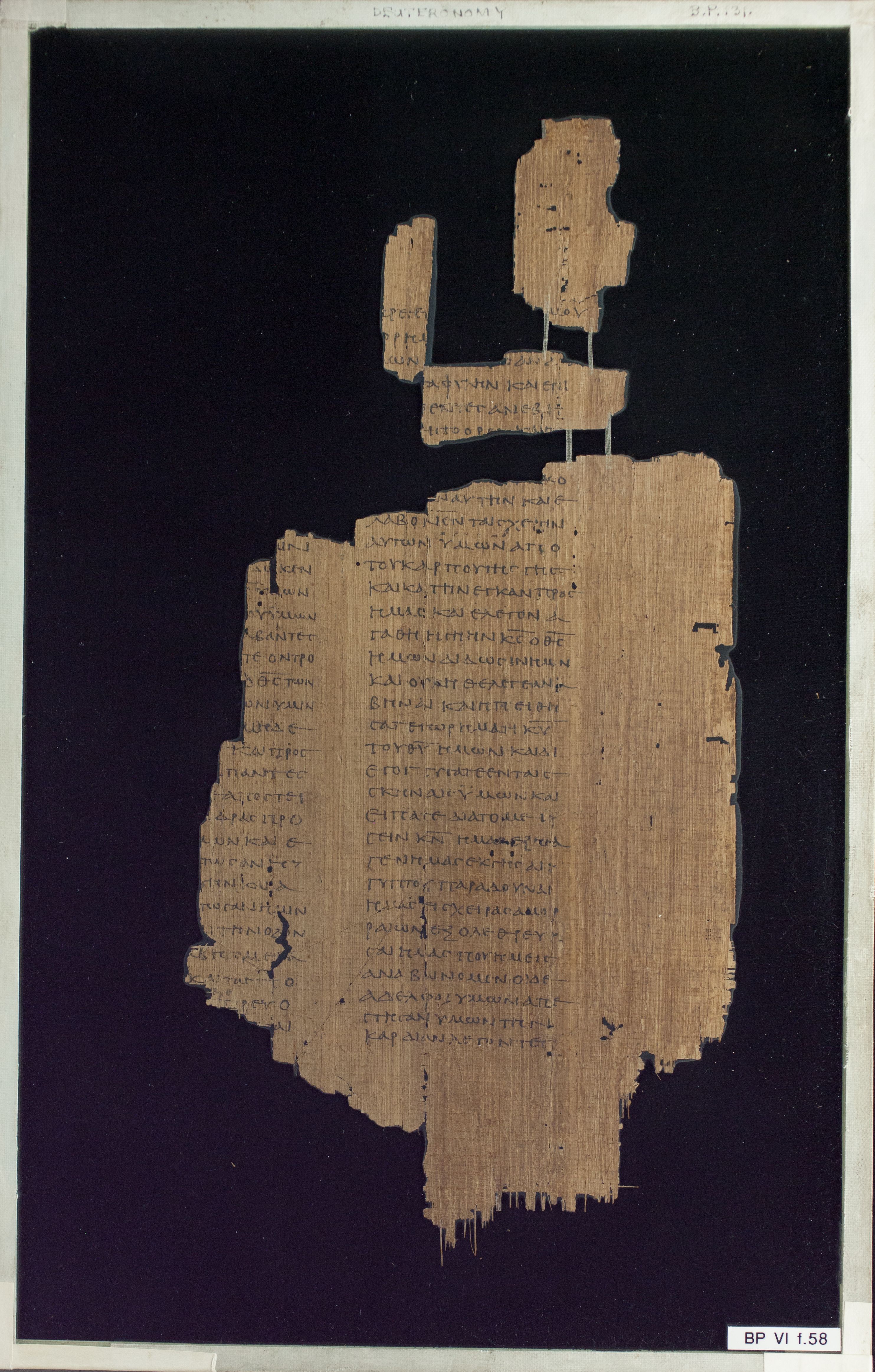
Papyrus Chester Beatty VI
A remarkably early papyrus codex containing portions of Numbers and Deuteronomy, providing vital evidence for the development of the early Christian book. It is highly significant for being one of the earliest known manuscripts to feature visible page numbers.
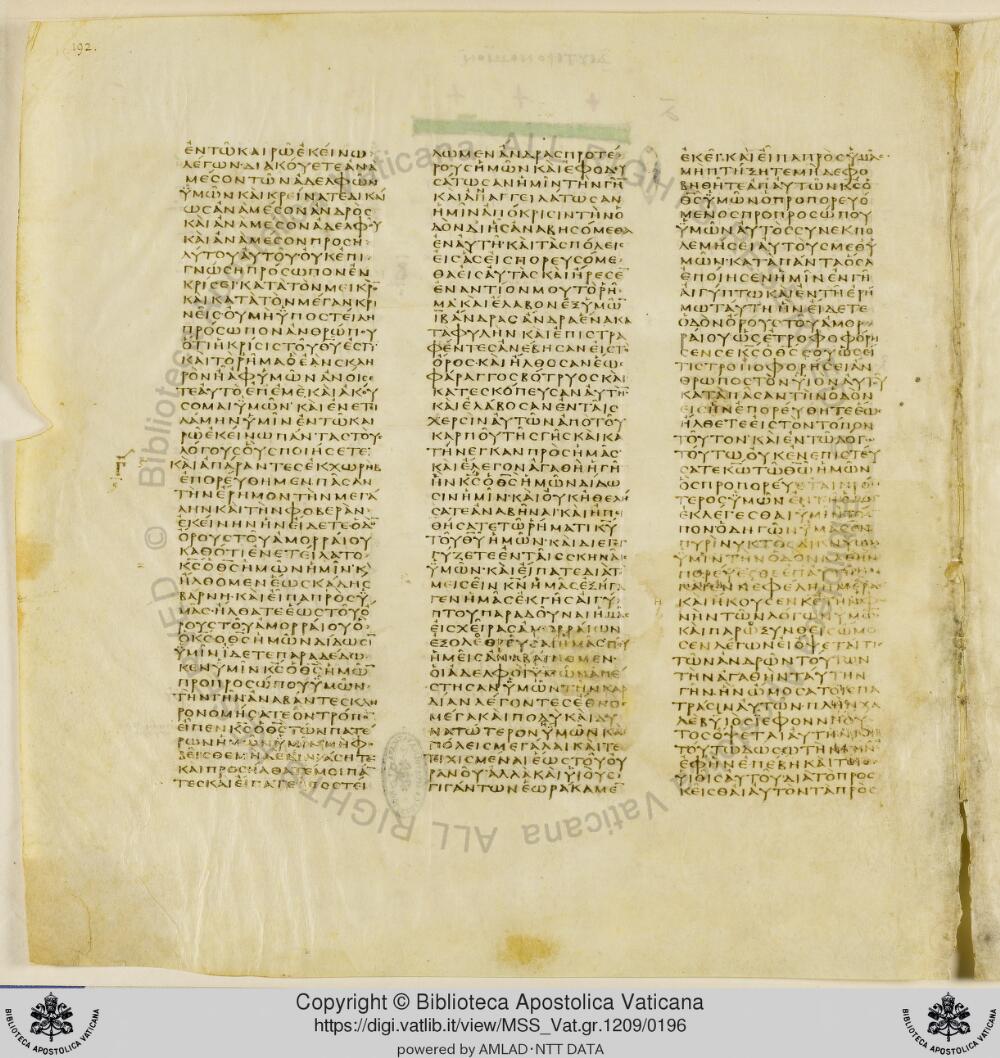
Codex Vaticanus
Codex Vaticanus is one of the oldest and most valuable surviving manuscripts of the complete Greek Bible. It has been securely housed in the Vatican Library since at least the late 15th century and is celebrated for its elegant script written on very high-quality vellum.
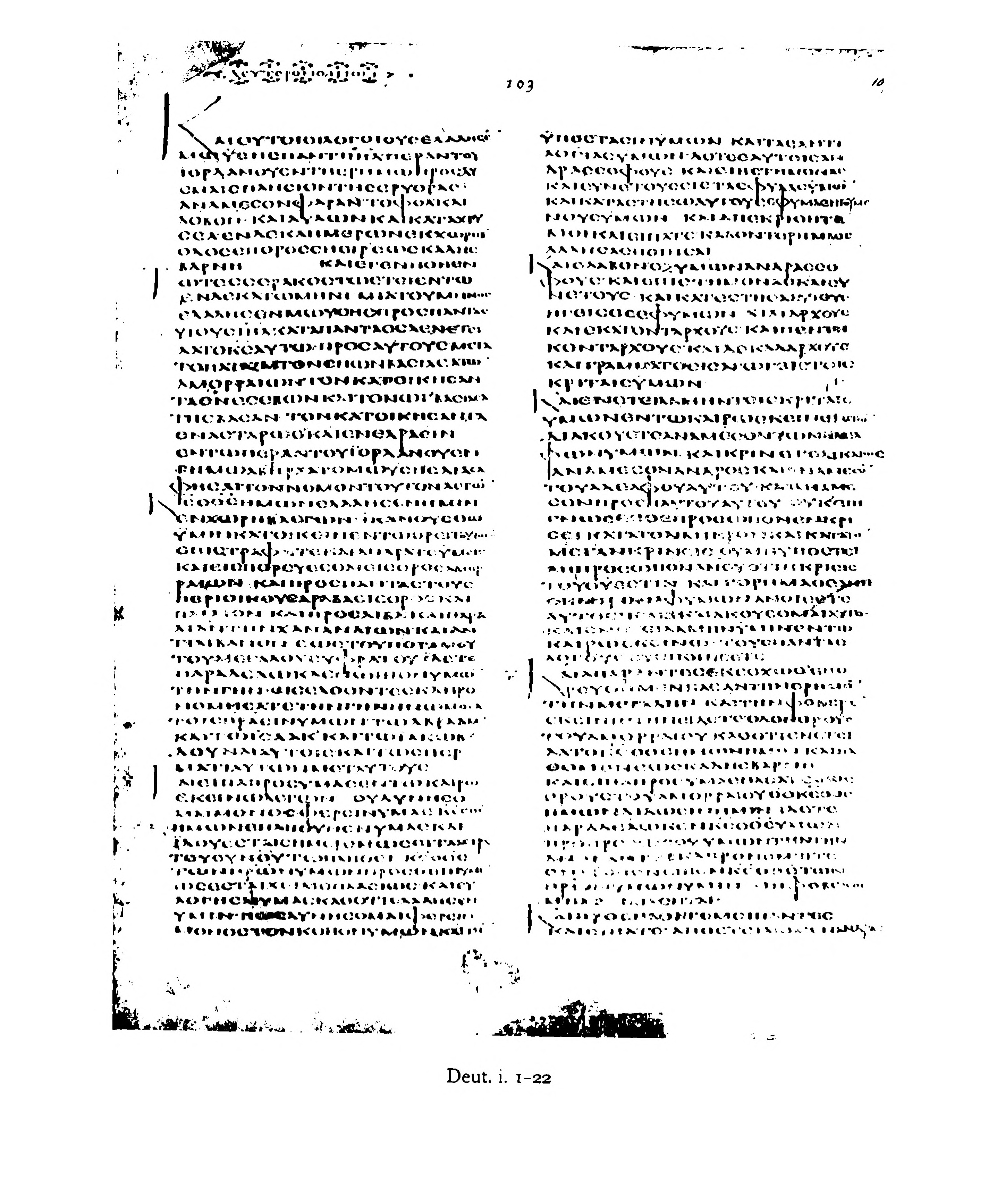
Codex Alexandrinus
Codex Alexandrinus is one of the four great uncial codices of the Greek Bible. It contains the vast majority of the Septuagint and New Testament, and was the first of the great uncials to become accessible to modern scholars.