
Deuteronomy 11:4
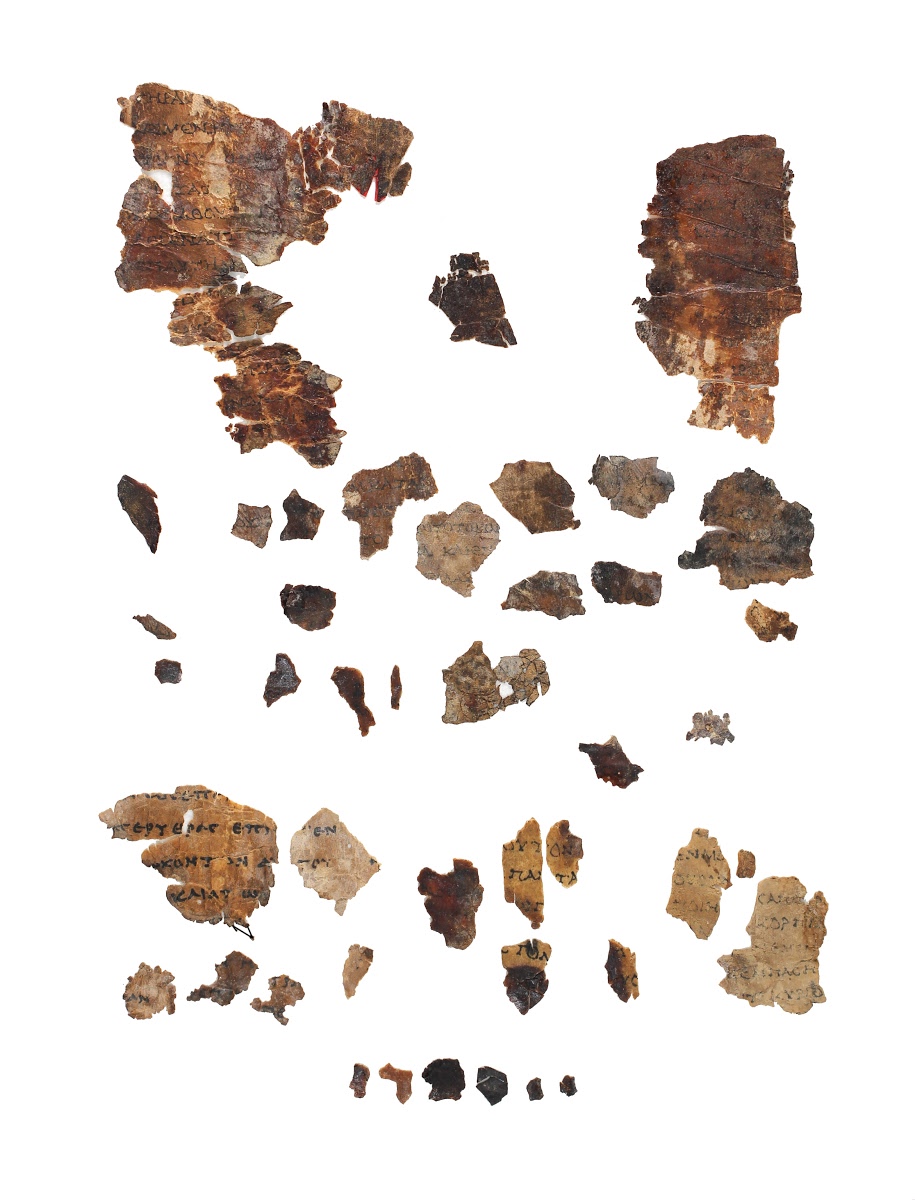
4Q LXXDeuteronomy (Scan 1)
4Q122 (also known as 4QLXXDeut) is one of the oldest surviving Greek manuscripts of the Old Testament. Discovered in Cave 4 at Qumran, this parchment fragment preserves a portion of Deuteronomy 11:4. It provides early physical evidence of the translation of the Hebrew scriptures into Greek during the Second Temple period.
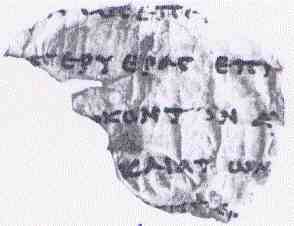
4Q LXXDeuteronomy (Scan 2)
4Q122 (also known as 4QLXXDeut) is one of the oldest surviving Greek manuscripts of the Old Testament. Discovered in Cave 4 at Qumran, this parchment fragment preserves a portion of Deuteronomy 11:4. It provides early physical evidence of the translation of the Hebrew scriptures into Greek during the Second Temple period.
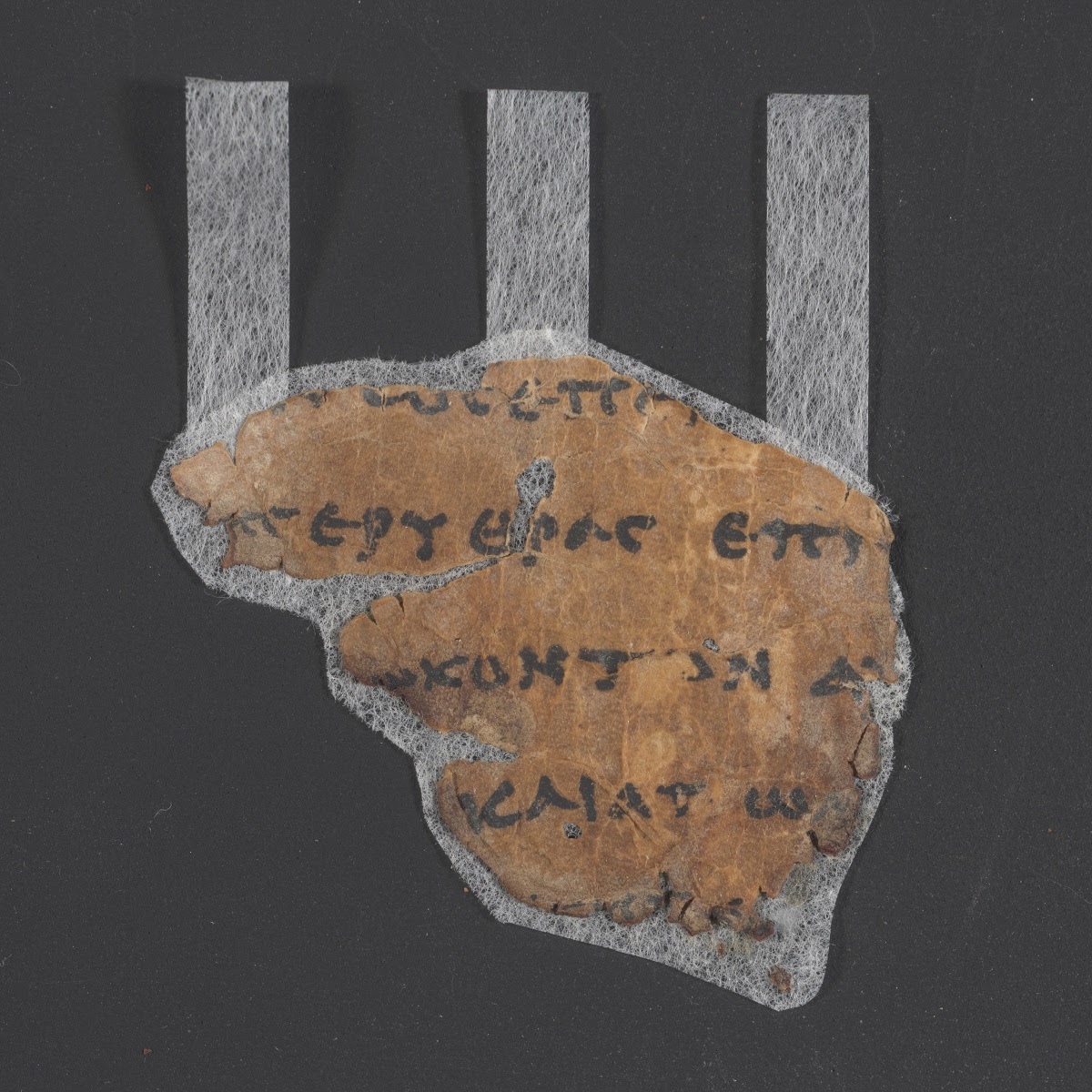
4Q122 (4QLXXDeut / Rahlfs 819) (Scan 1)
4Q122 is one of the earliest known Greek biblical manuscripts, discovered in Cave 4 at Qumran. Sourced from the middle of the second century BC, it preserves a fragmentary portion of Deuteronomy 11 written on parchment. Its extreme age makes it an invaluable historical artifact for documenting the early transmission of the Greek translation of the Hebrew Bible.
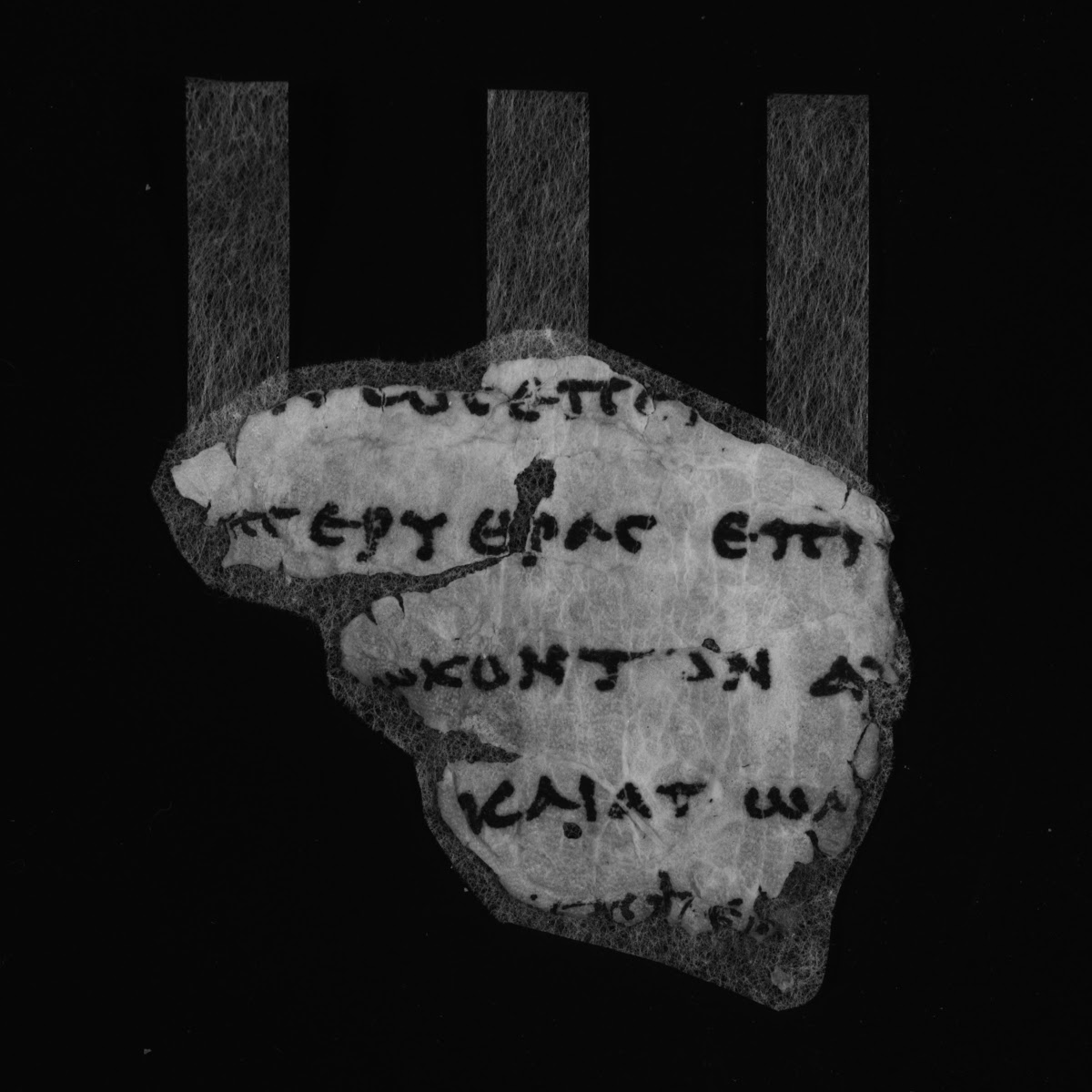
4Q122 (4QLXXDeut / Rahlfs 819) (Scan 2)
4Q122 is one of the earliest known Greek biblical manuscripts, discovered in Cave 4 at Qumran. Sourced from the middle of the second century BC, it preserves a fragmentary portion of Deuteronomy 11 written on parchment. Its extreme age makes it an invaluable historical artifact for documenting the early transmission of the Greek translation of the Hebrew Bible.
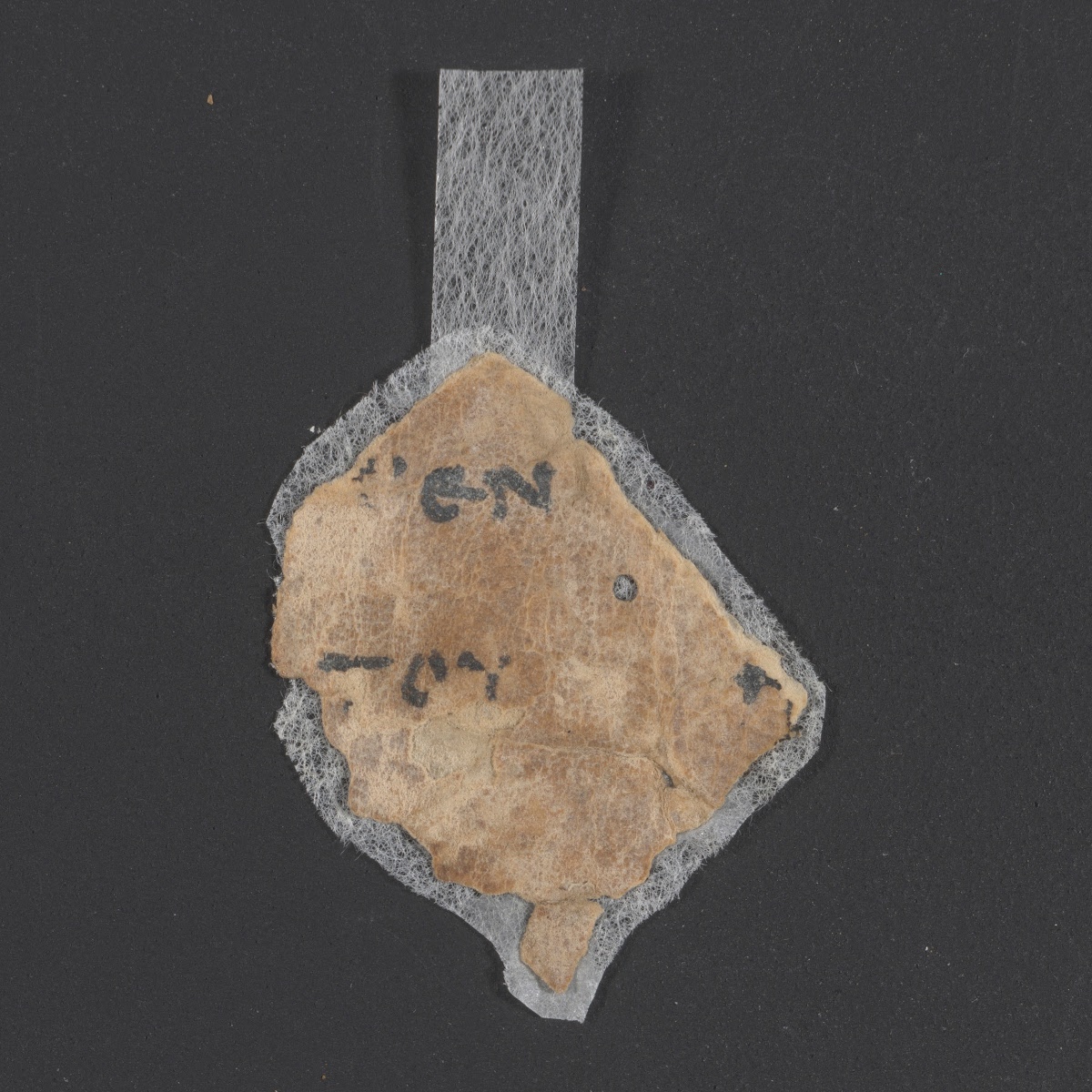
4Q122 (4QLXXDeut / Rahlfs 819) (Scan 3)
4Q122 is one of the earliest known Greek biblical manuscripts, discovered in Cave 4 at Qumran. Sourced from the middle of the second century BC, it preserves a fragmentary portion of Deuteronomy 11 written on parchment. Its extreme age makes it an invaluable historical artifact for documenting the early transmission of the Greek translation of the Hebrew Bible.
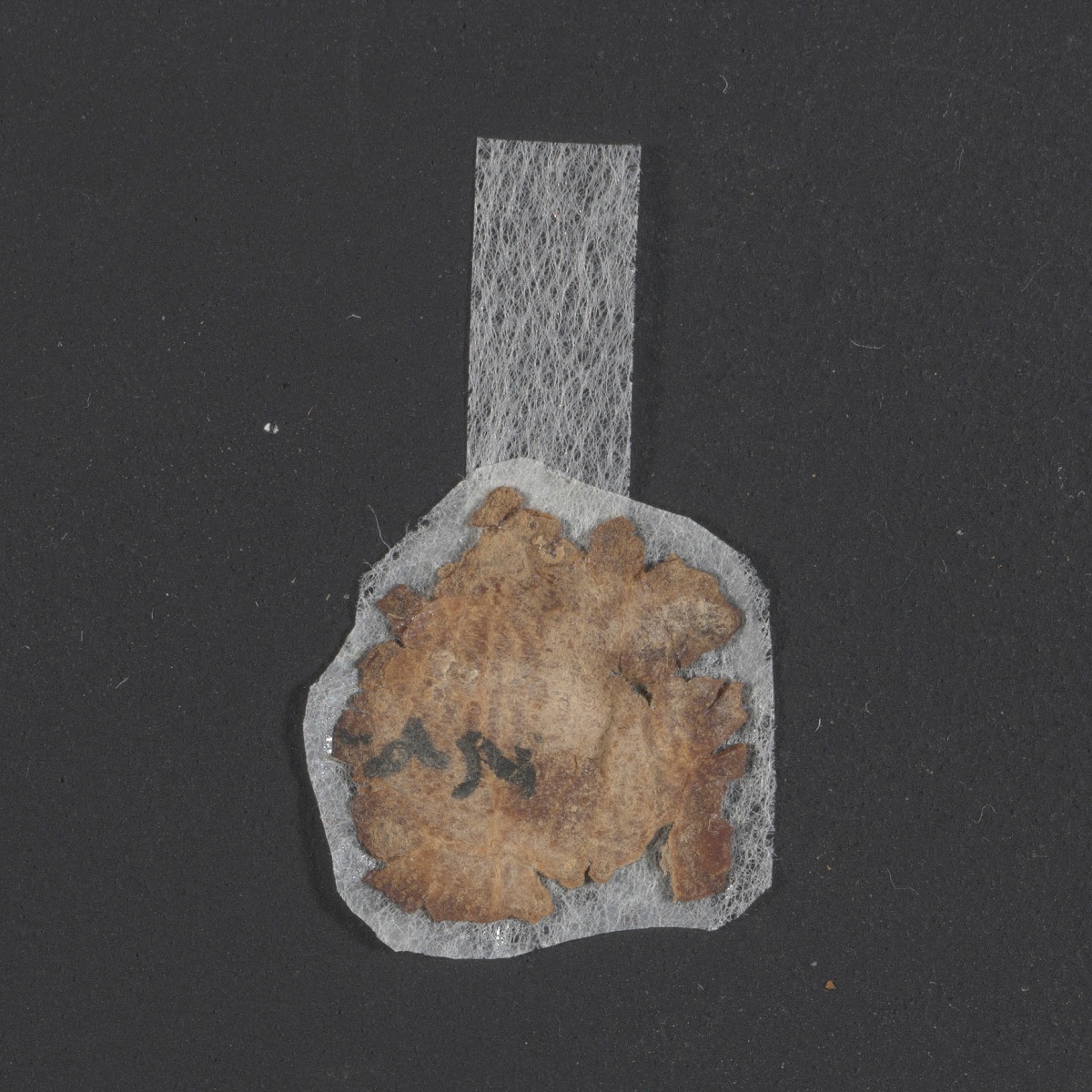
4Q122 (4QLXXDeut / Rahlfs 819) (Scan 4)
4Q122 is one of the earliest known Greek biblical manuscripts, discovered in Cave 4 at Qumran. Sourced from the middle of the second century BC, it preserves a fragmentary portion of Deuteronomy 11 written on parchment. Its extreme age makes it an invaluable historical artifact for documenting the early transmission of the Greek translation of the Hebrew Bible.
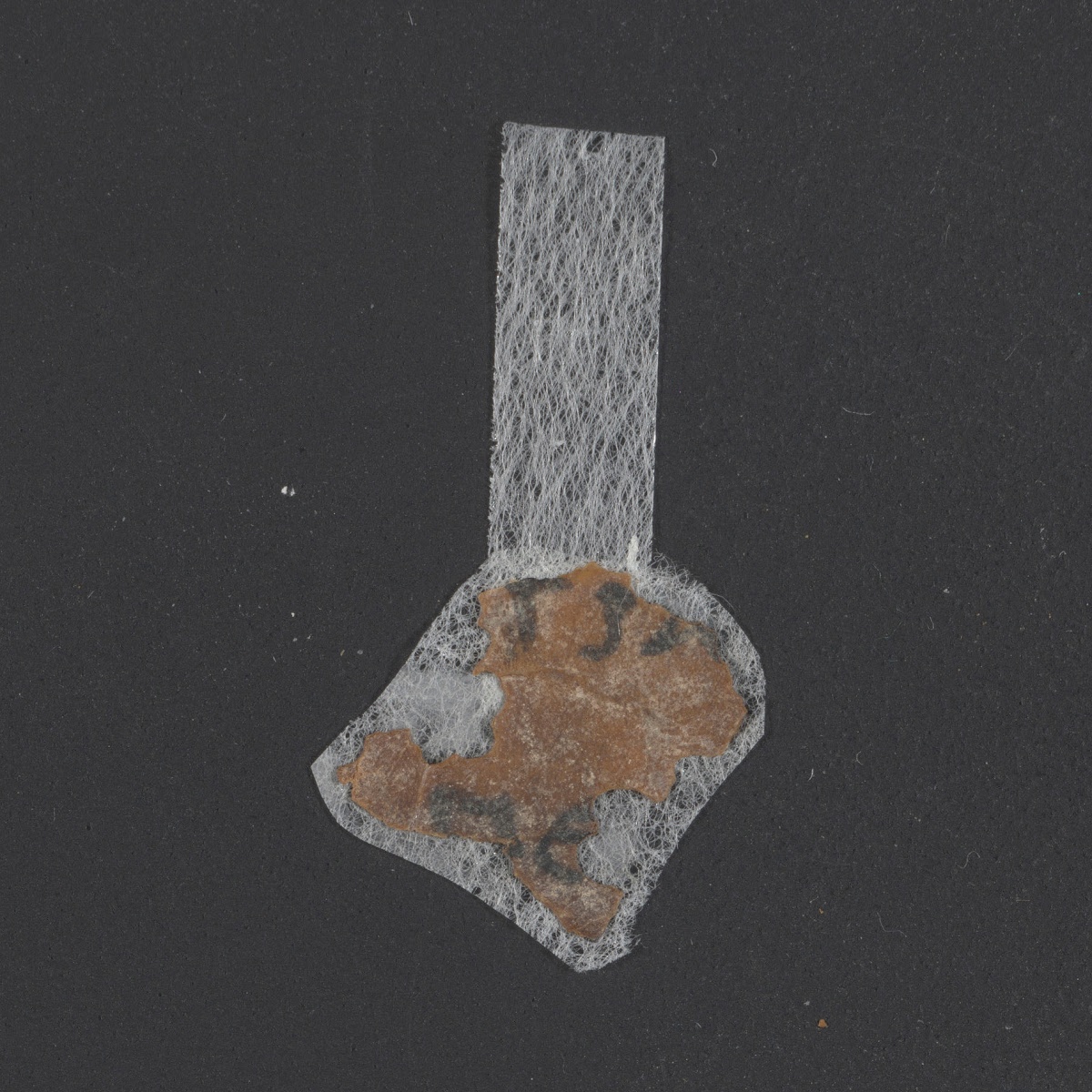
4Q122 (4QLXXDeut / Rahlfs 819) (Scan 5)
4Q122 is one of the earliest known Greek biblical manuscripts, discovered in Cave 4 at Qumran. Sourced from the middle of the second century BC, it preserves a fragmentary portion of Deuteronomy 11 written on parchment. Its extreme age makes it an invaluable historical artifact for documenting the early transmission of the Greek translation of the Hebrew Bible.
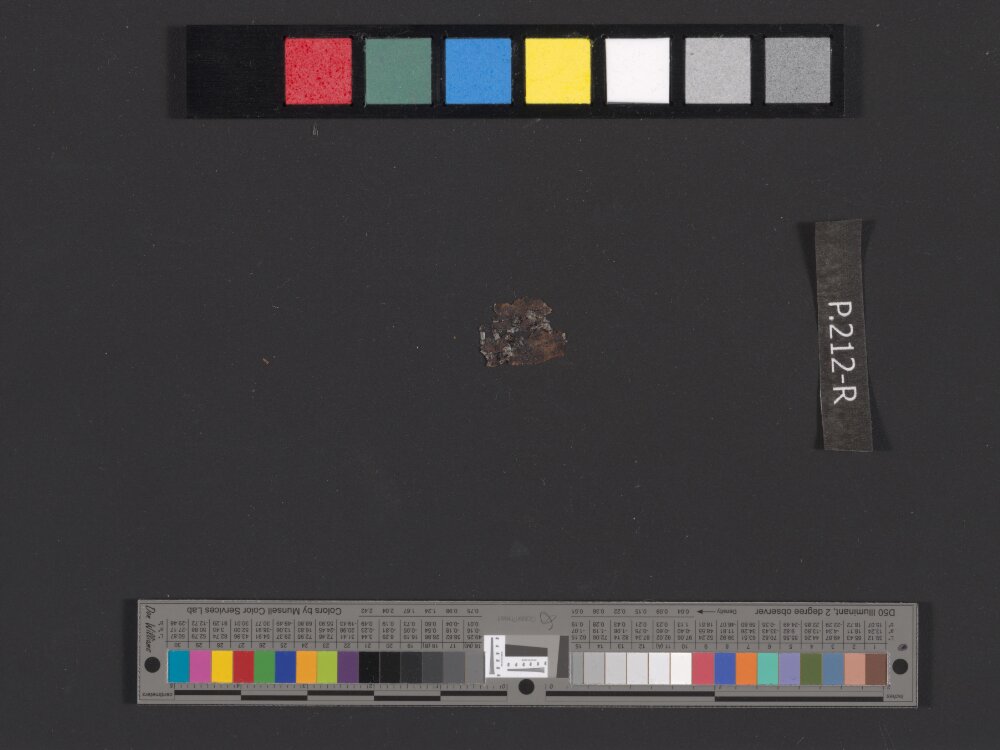
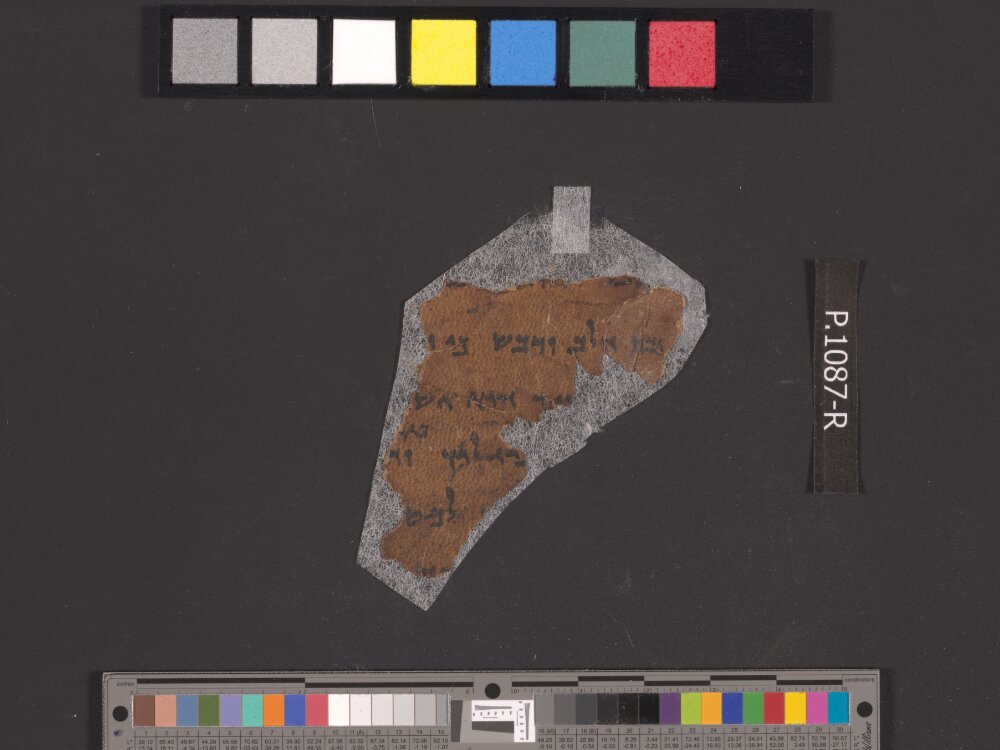
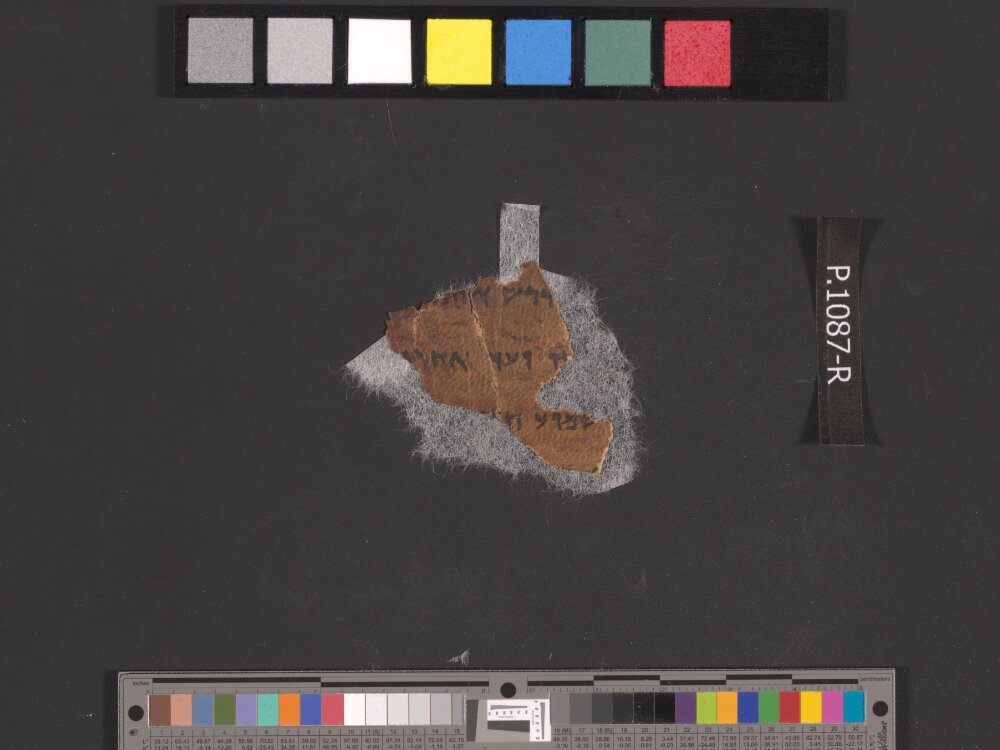
4Q Phylacteries Q (4QPhyl Q)
This ancient manuscript is a tefillin (phylactery) slip, preserving Deuteronomy 11:4–8 on the front (recto) and Exodus 13:4–9 on the back (verso). It is an opisthograph, meaning it has writing on both sides of the parchment, and provides some of the earliest physical evidence of Jewish ritual prayer practices.
4QDeuteronomy c (4QDeutᶜ) (Scan 1)
An important Hasmonean-period scroll containing various portions of the Book of Deuteronomy, copied between 150 BC and 100 BC. The manuscript is notable for its use of stichography, where the text is structured in columns and lines to reflect poetic layouts.
4QDeuteronomy c (4QDeutᶜ) (Scan 2)
An important Hasmonean-period scroll containing various portions of the Book of Deuteronomy, copied between 150 BC and 100 BC. The manuscript is notable for its use of stichography, where the text is structured in columns and lines to reflect poetic layouts.
4QDeuteronomy c (4QDeutᶜ) (Scan 3)
An important Hasmonean-period scroll containing various portions of the Book of Deuteronomy, copied between 150 BC and 100 BC. The manuscript is notable for its use of stichography, where the text is structured in columns and lines to reflect poetic layouts.
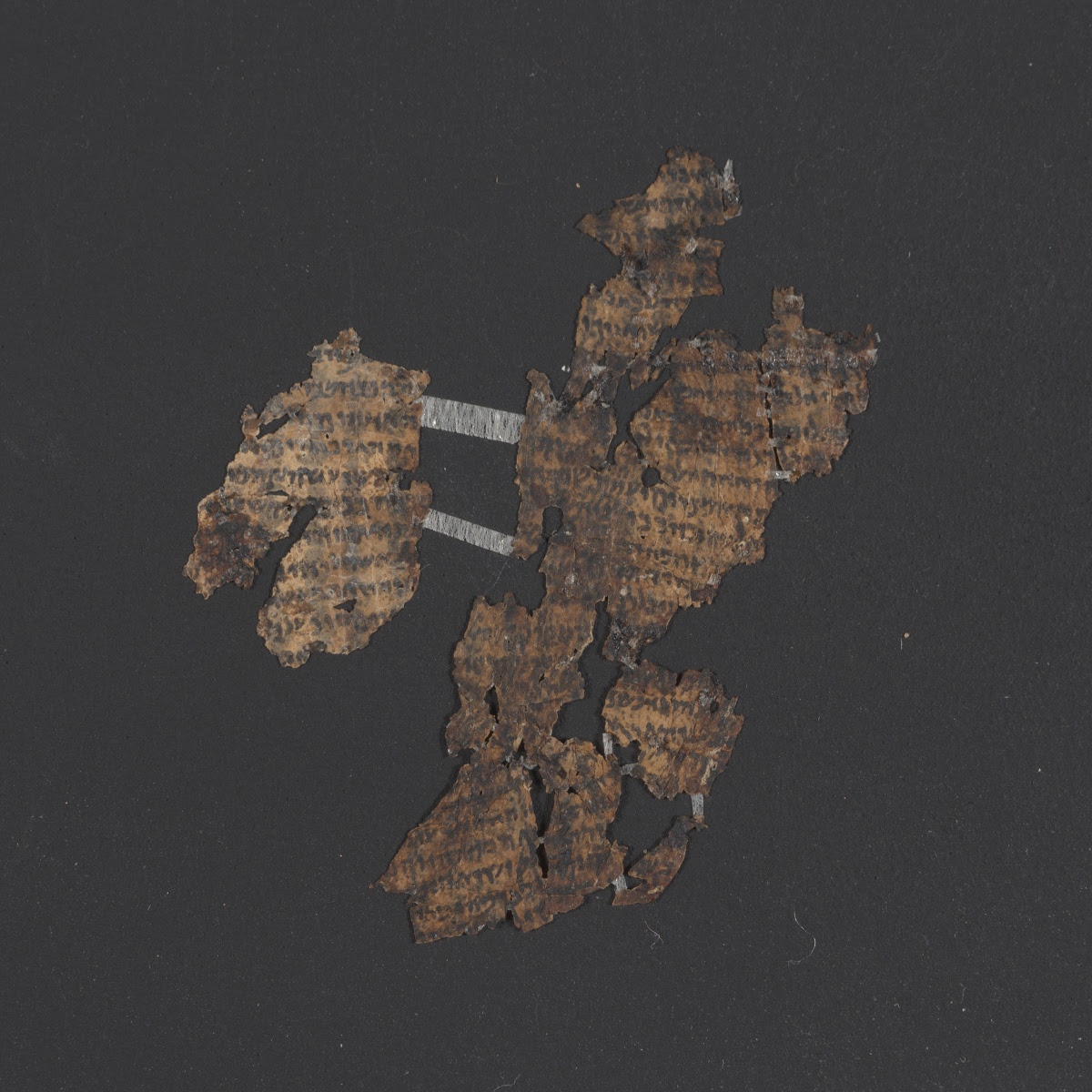
4Q Phylacteries A
An ancient Hebrew phylactery (tefillin) manuscript containing passages from Exodus and Deuteronomy written on a small leather strip. It is one of the oldest surviving physical tefillin in the world and is written on both sides (opisthographic) with the back text oriented perpendicularly to the front to maximize space.
8Q Mezuzah
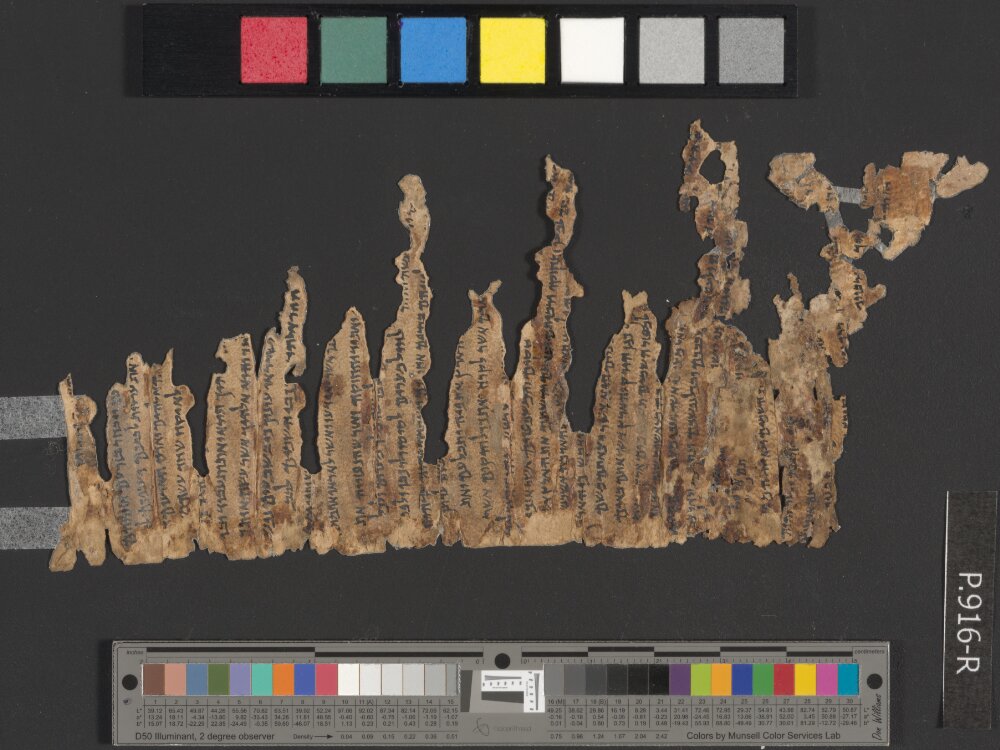
A Herodian period mezuzah discovered in Cave 8 at Qumran, containing verses from Deuteronomy. It provides important historical evidence for the Jewish practice of affixing scriptural texts to doorposts during the Second Temple period.
Codex Vaticanus
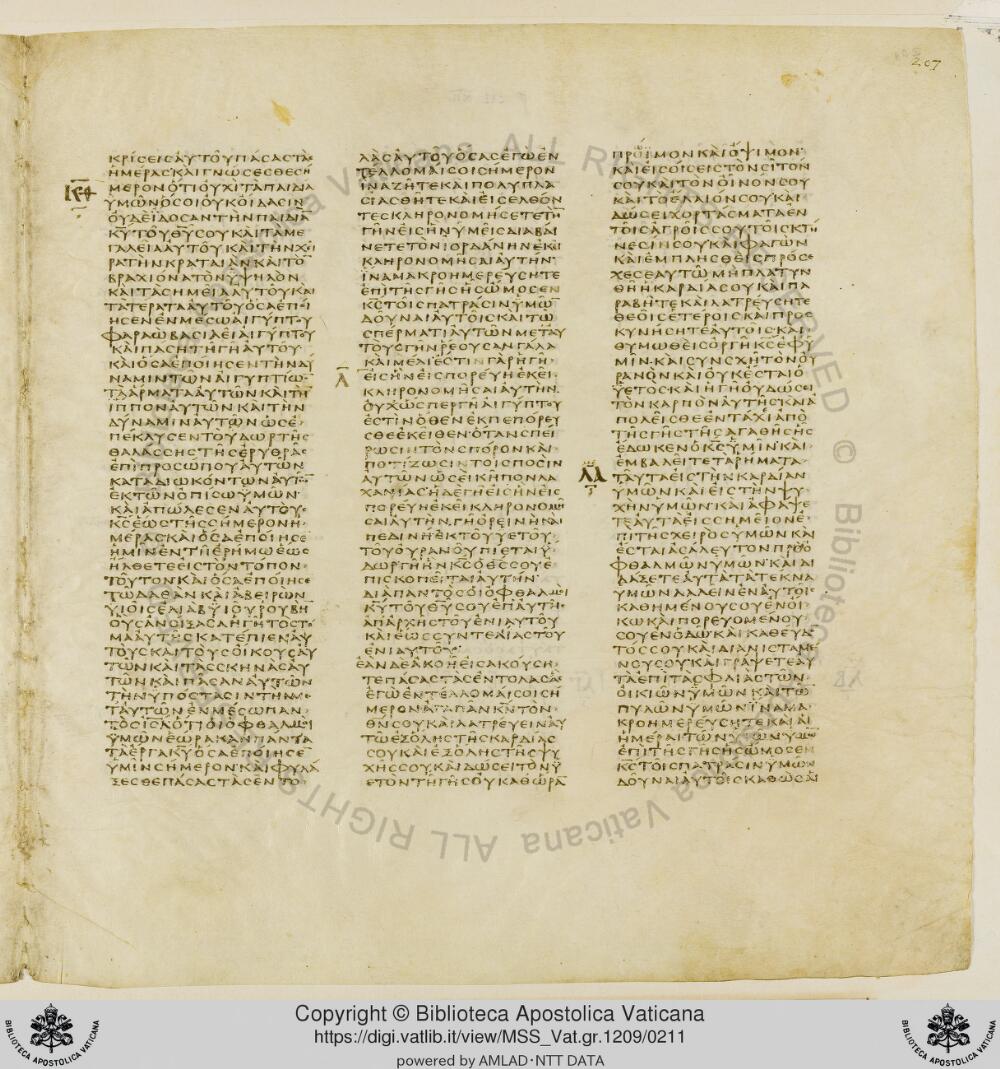
Codex Vaticanus is one of the oldest and most valuable surviving manuscripts of the complete Greek Bible. It has been securely housed in the Vatican Library since at least the late 15th century and is celebrated for its elegant script written on very high-quality vellum.