Deuteronomy 26:2

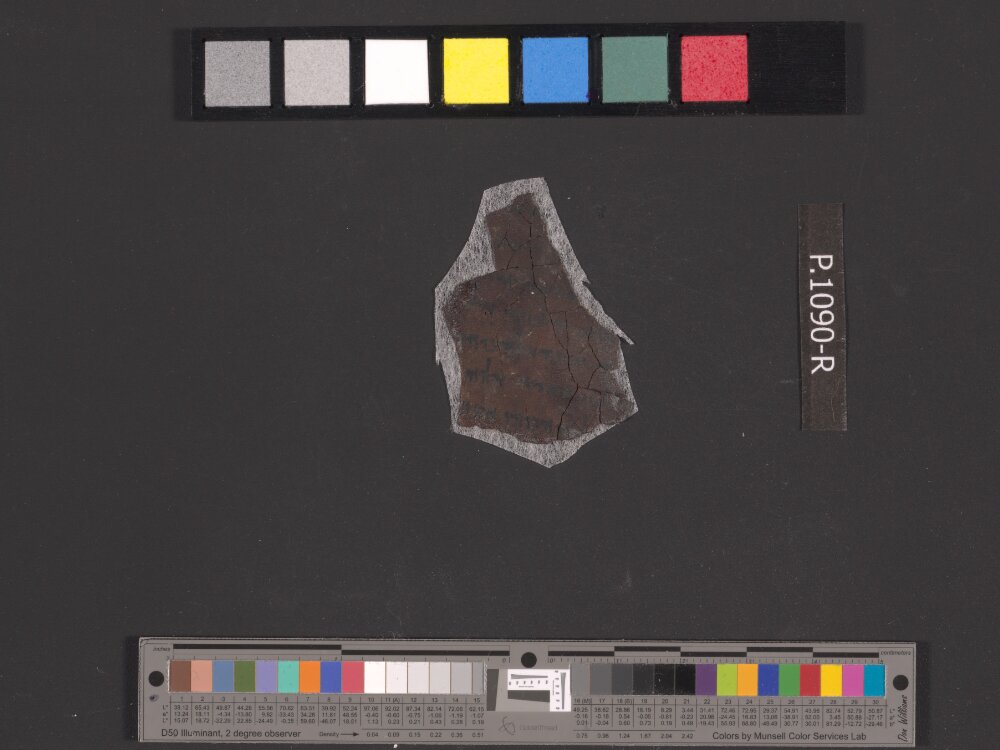
4QDeut(k2)
An early Hebrew manuscript of Deuteronomy dating to the late first century BC, discovered in Cave 4 at Qumran. It is notable for its scribal practice of writing the Tetragrammaton (the divine name) in the ancient paleo-Hebrew script.

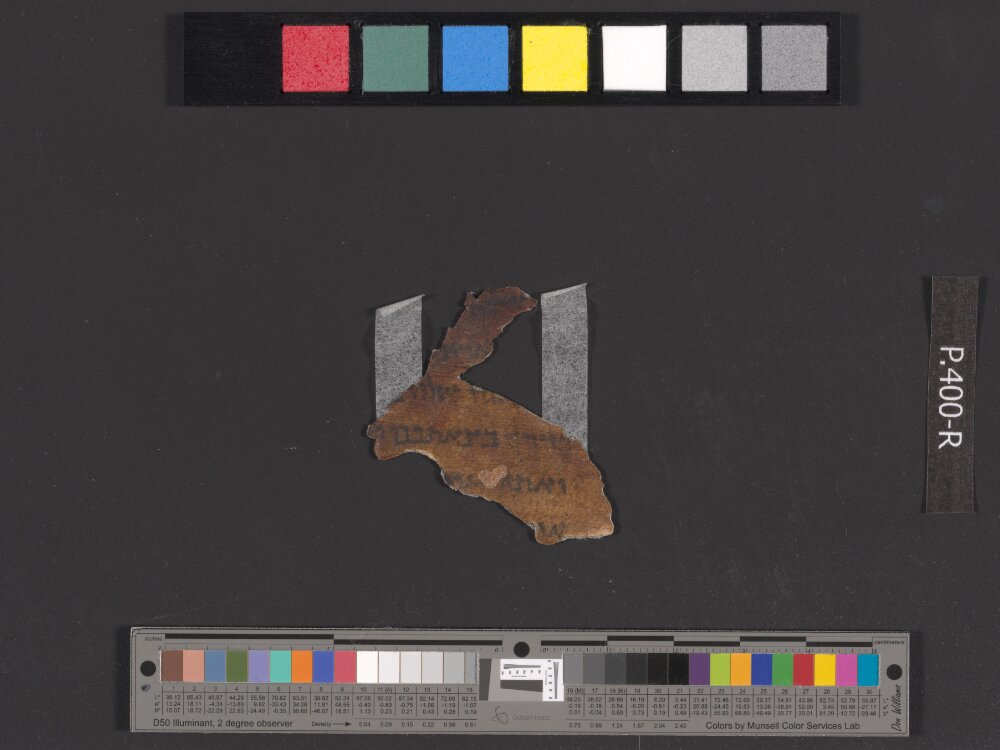
4QDeuteronomy g (Scan 1)
An early Herodian-period copy of the Book of Deuteronomy found in Cave 4 at Qumran. The scroll is noted for its high degree of alignment with the traditional Masoretic Hebrew text, highlighting the historical stability and careful transmission of the biblical scriptures.

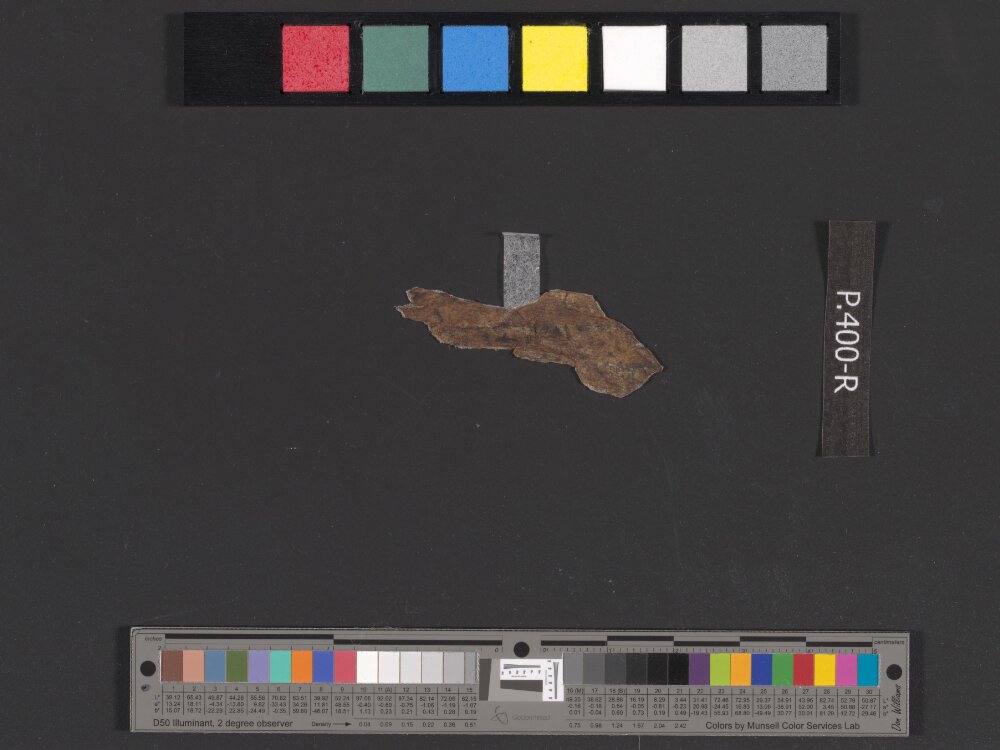
4QDeuteronomy g (Scan 2)
An early Herodian-period copy of the Book of Deuteronomy found in Cave 4 at Qumran. The scroll is noted for its high degree of alignment with the traditional Masoretic Hebrew text, highlighting the historical stability and careful transmission of the biblical scriptures.

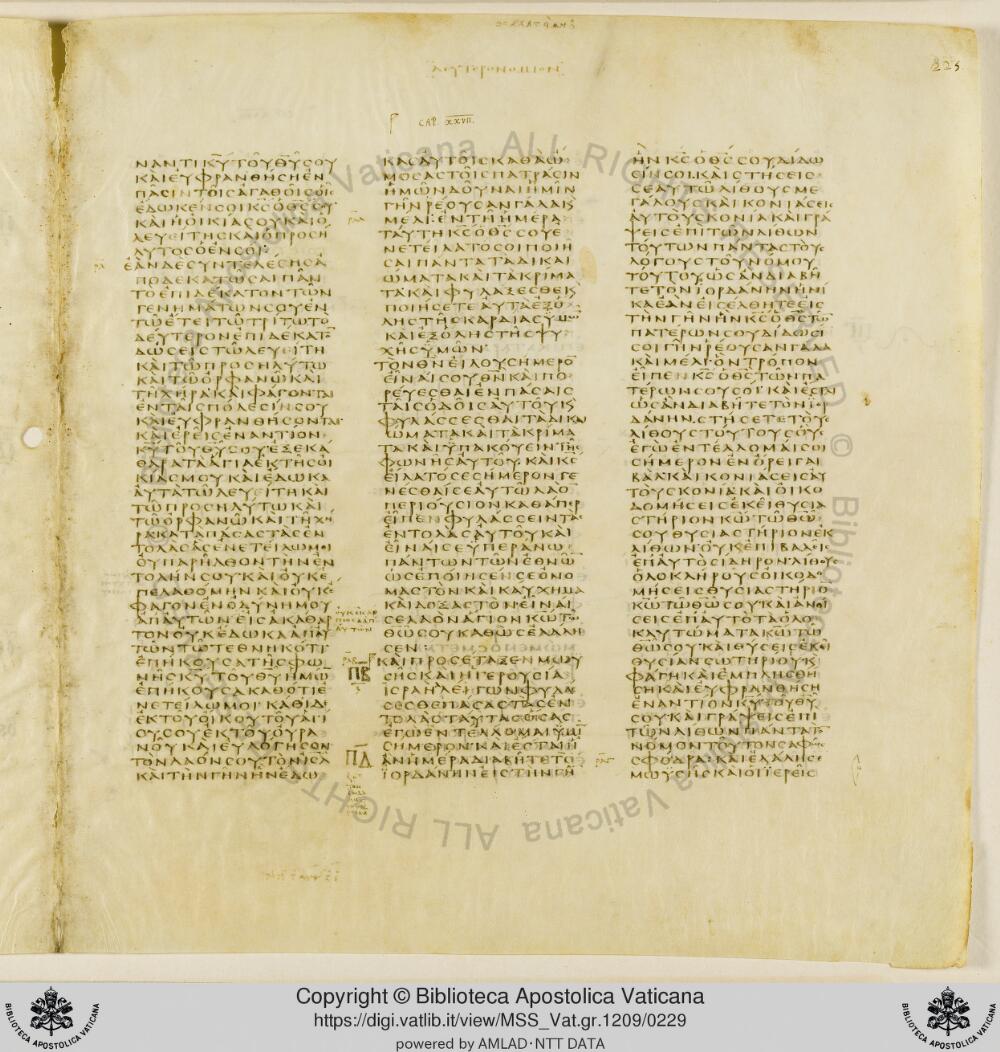
Codex Vaticanus
Codex Vaticanus is one of the oldest and most valuable surviving manuscripts of the complete Greek Bible. It has been securely housed in the Vatican Library since at least the late 15th century and is celebrated for its elegant script written on very high-quality vellum.

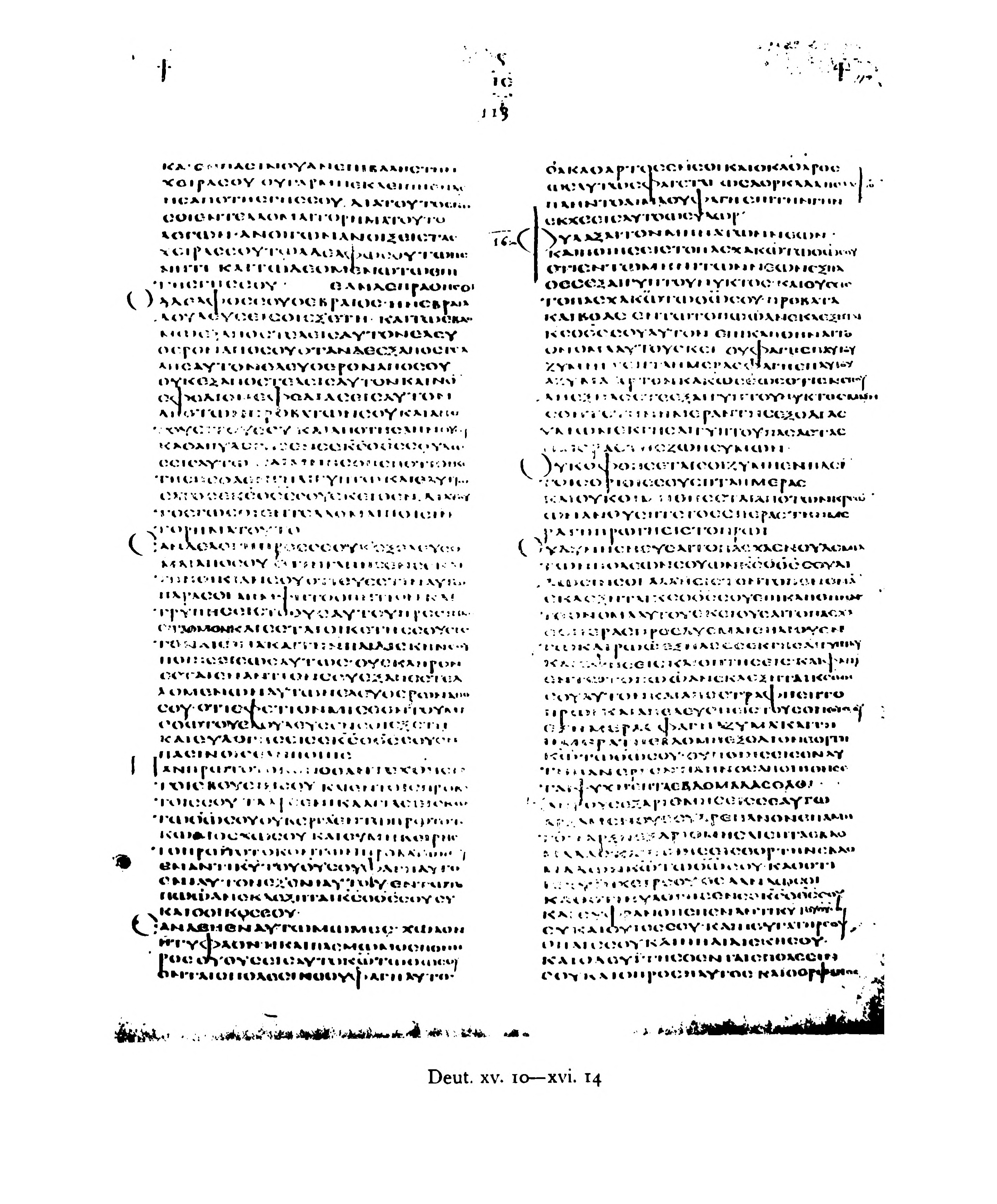
Codex Alexandrinus (Scan 1)
Codex Alexandrinus is one of the four great uncial codices of the Greek Bible. It contains the vast majority of the Septuagint and New Testament, and was the first of the great uncials to become accessible to modern scholars.

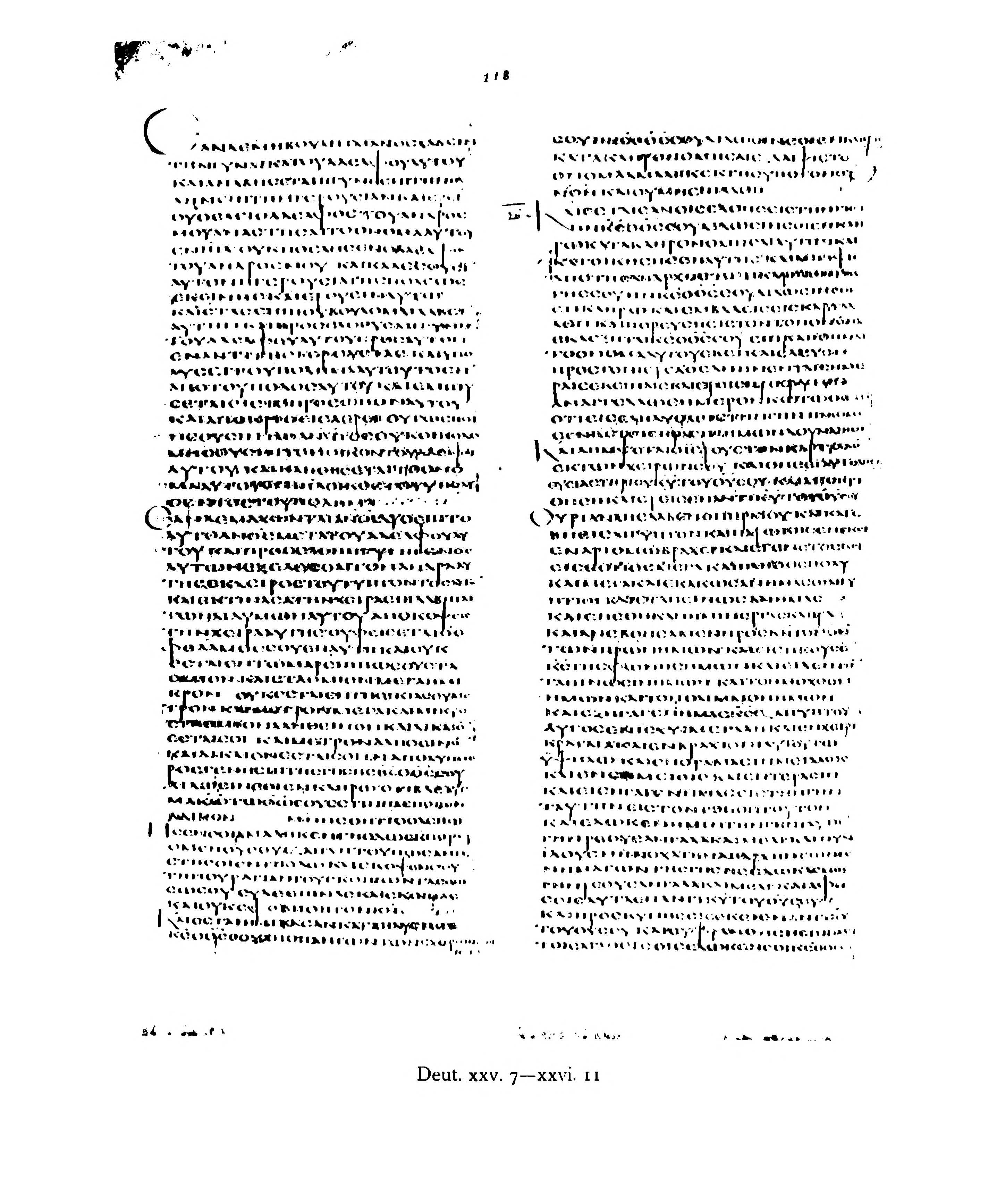
Codex Alexandrinus (Scan 2)
Codex Alexandrinus is one of the four great uncial codices of the Greek Bible. It contains the vast majority of the Septuagint and New Testament, and was the first of the great uncials to become accessible to modern scholars.