
Deuteronomy 32:2
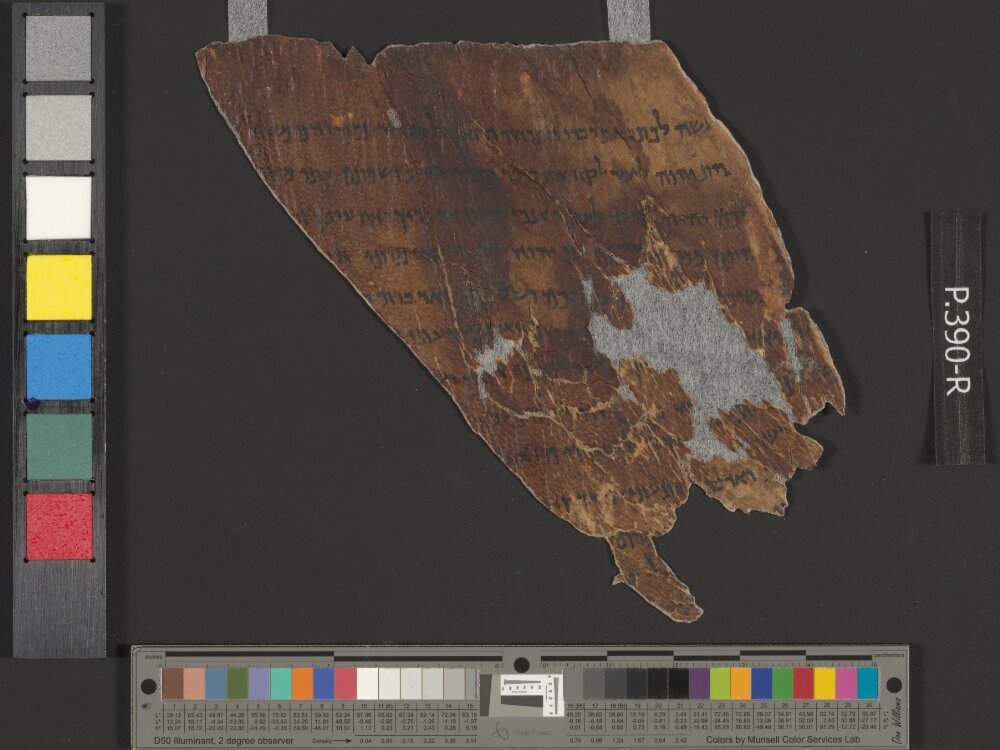
4Q Deuteronomy b
An ancient Hasmonean-era scroll containing portions of Deuteronomy, notable for its early poetic layout. In the Song of Moses (Deuteronomy 32), the text is organized in stichographic format, arranging poetic lines side by side to emphasize the rhythm and structure of the biblical song.
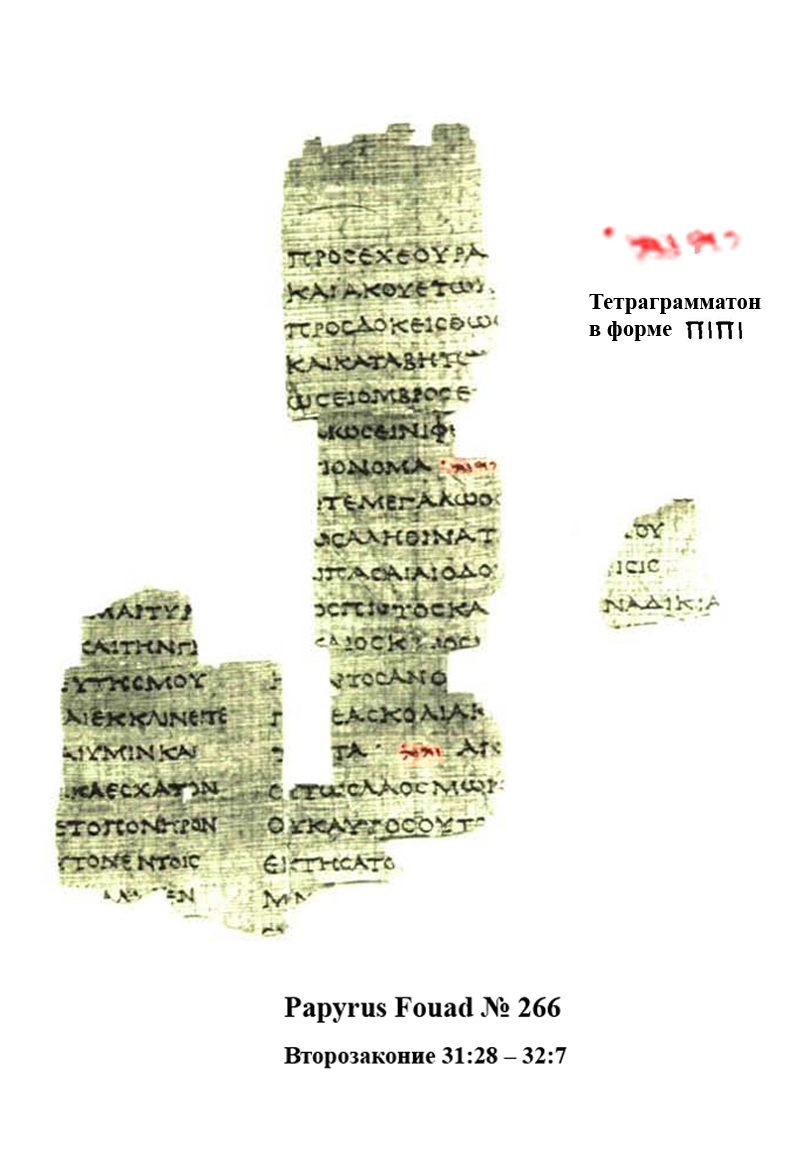
Papyrus Fouad 266
Papyrus Fouad 266 is one of the oldest surviving manuscripts of the Greek Septuagint, dating to the first century BC. Discovered in Egypt, this collection of fragments is particularly famous for writing the divine name of God (YHWH) in Hebrew square script directly within the Greek text, offering a fascinating glimpse into early Jewish reverence for the sacred name.
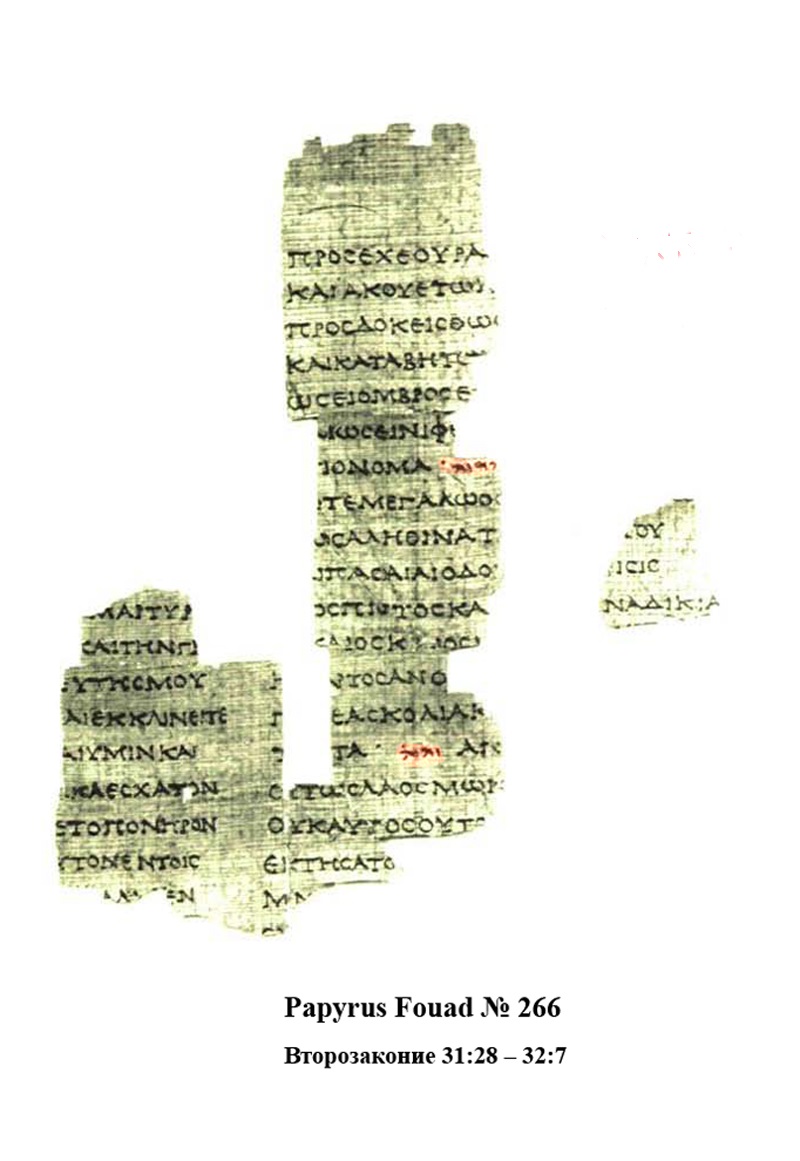
Papyrus Fouad 266b
An early copy of Deuteronomy from the Septuagint translation, notable for preserving the pre-Christian practice of writing the divine name (Tetragrammaton) in Hebrew/Aramaic square script directly within the Greek text.
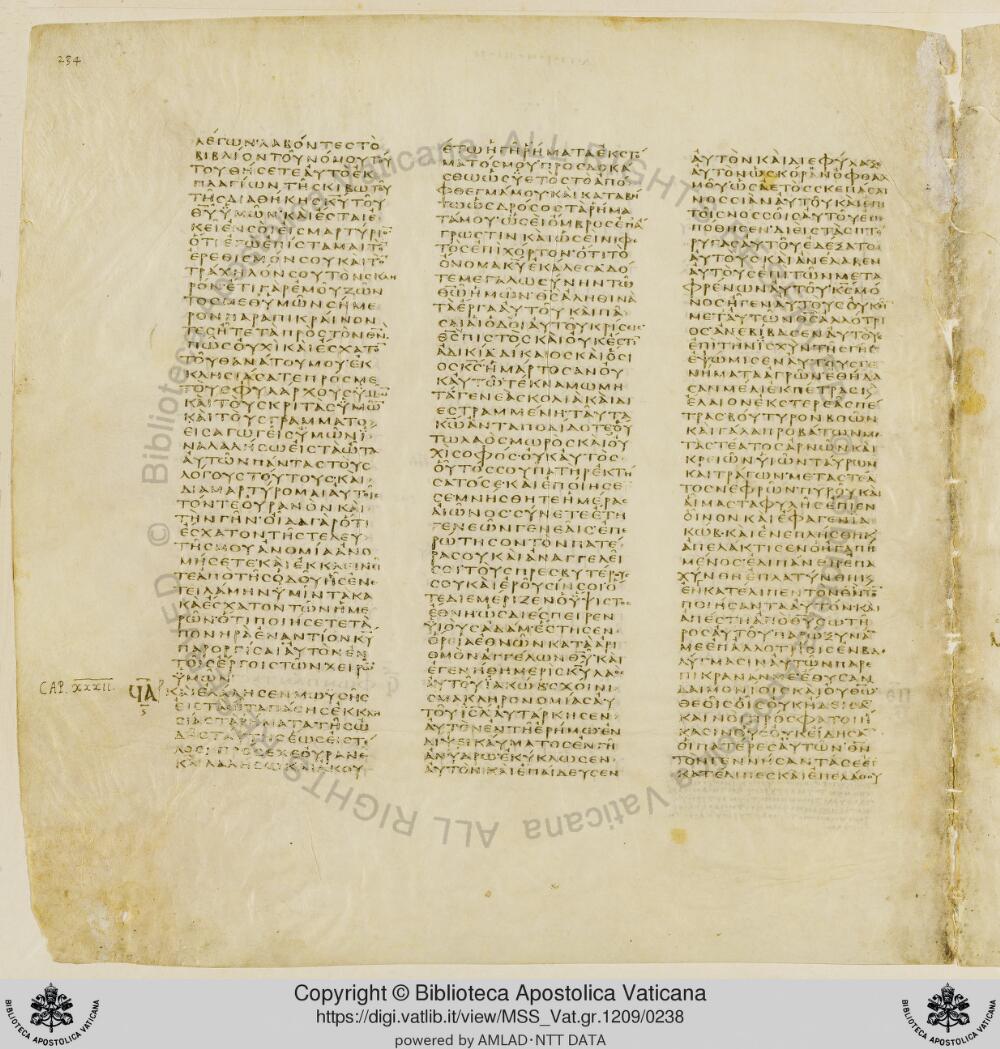
Codex Vaticanus
Codex Vaticanus is one of the oldest and most valuable surviving manuscripts of the complete Greek Bible. It has been securely housed in the Vatican Library since at least the late 15th century and is celebrated for its elegant script written on very high-quality vellum.
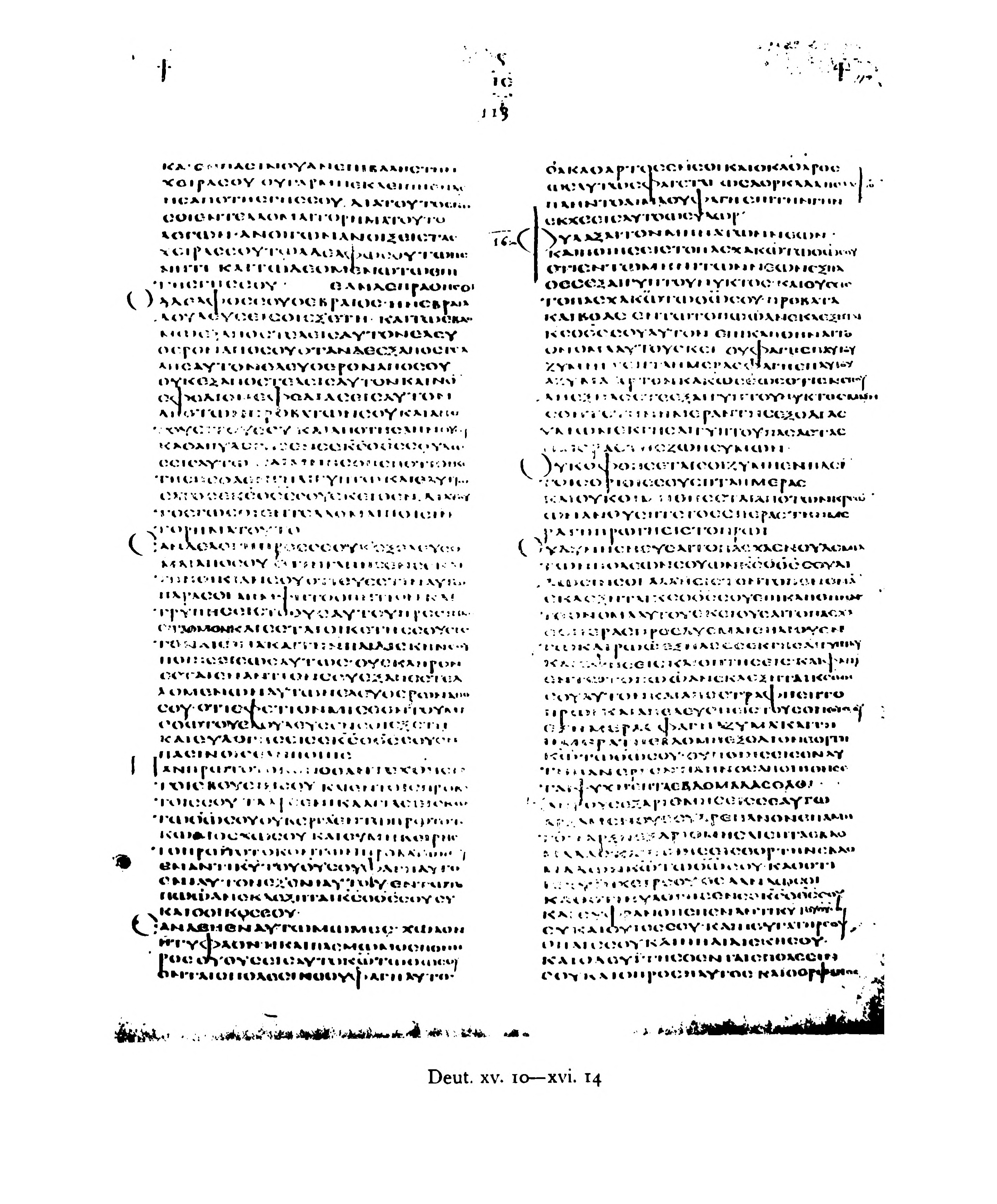
Codex Alexandrinus (Scan 1)
Codex Alexandrinus is one of the four great uncial codices of the Greek Bible. It contains the vast majority of the Septuagint and New Testament, and was the first of the great uncials to become accessible to modern scholars.
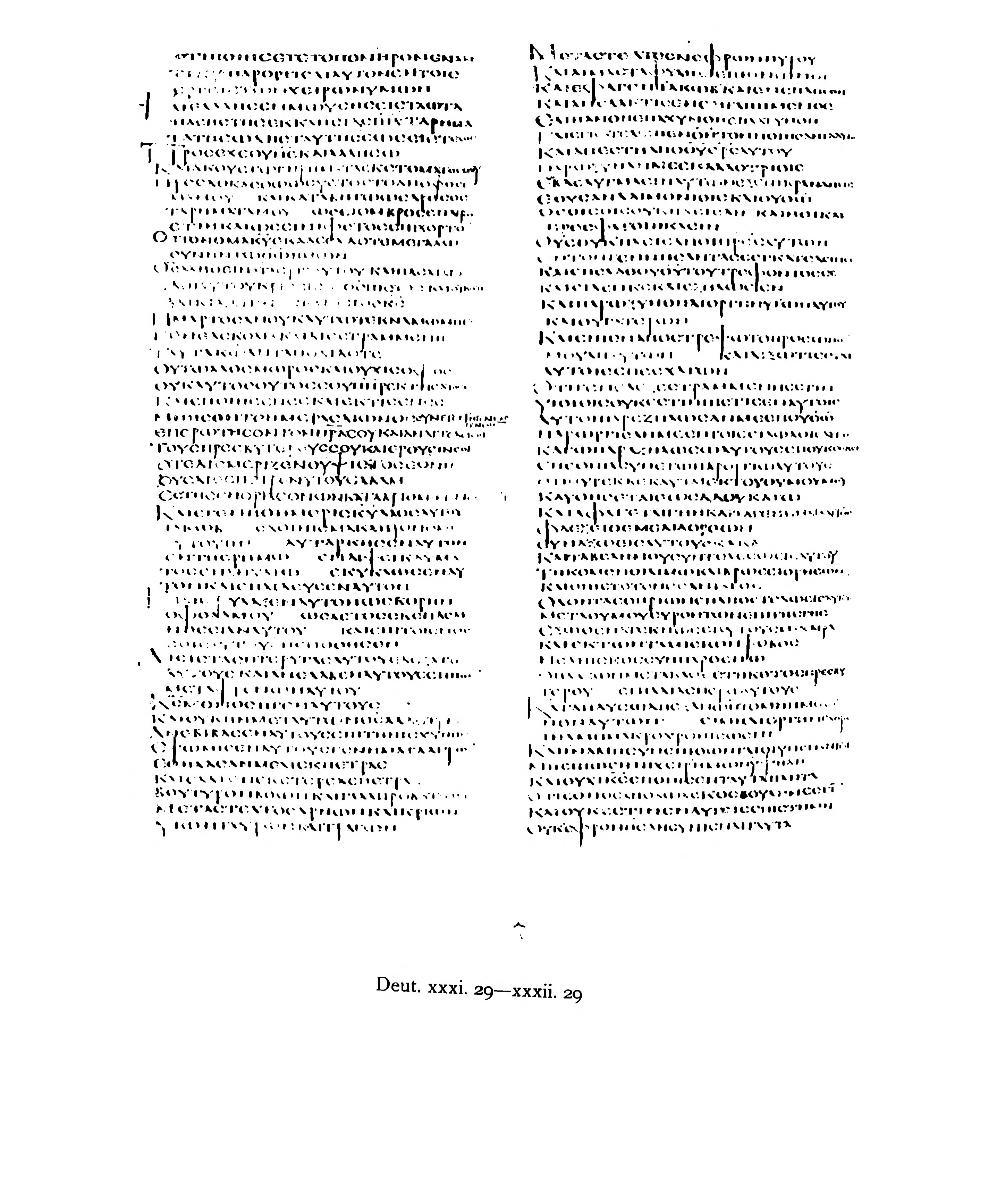
Codex Alexandrinus (Scan 2)
Codex Alexandrinus is one of the four great uncial codices of the Greek Bible. It contains the vast majority of the Septuagint and New Testament, and was the first of the great uncials to become accessible to modern scholars.
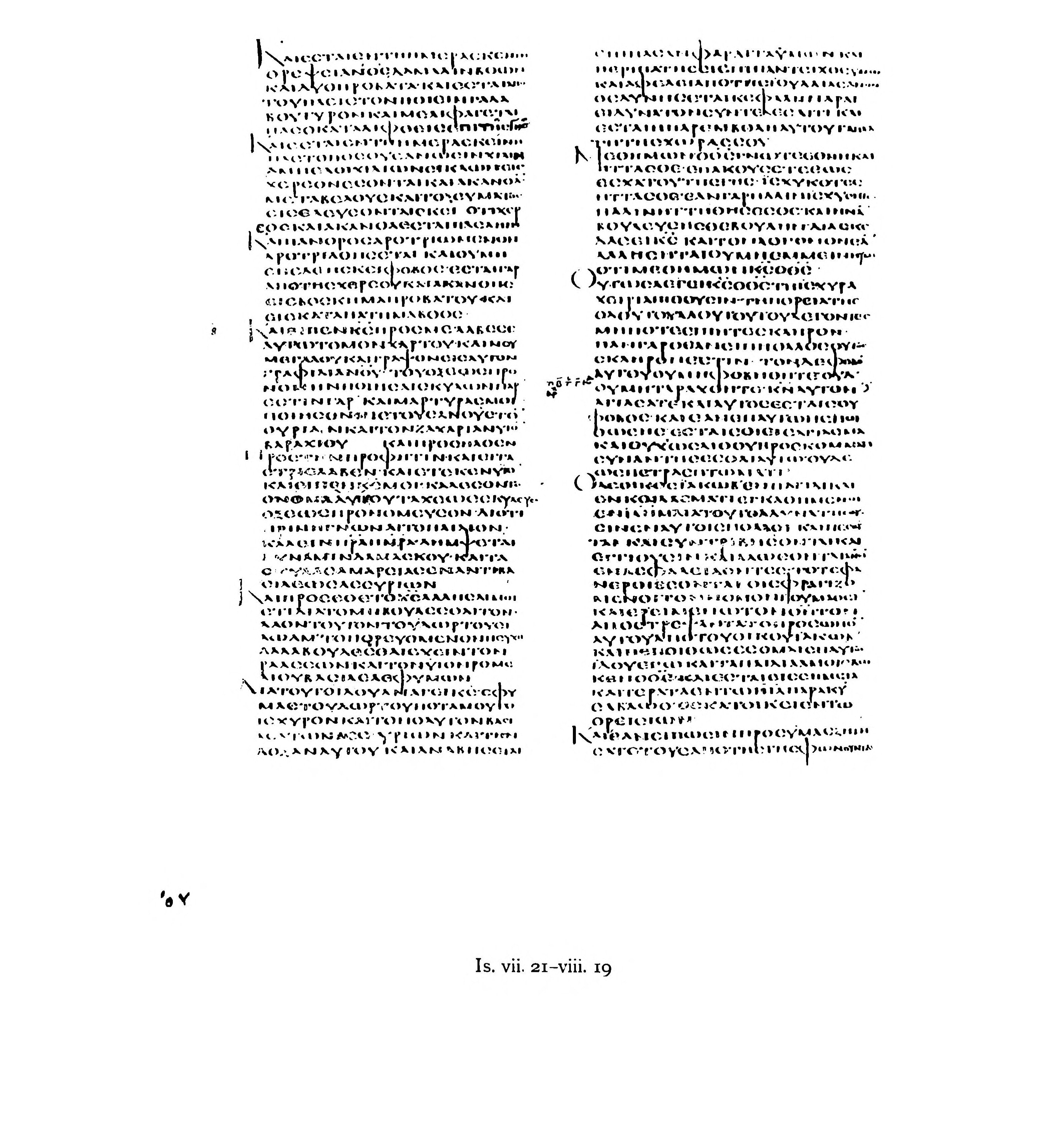
Codex Alexandrinus (Scan 3)
Codex Alexandrinus is one of the four great uncial codices of the Greek Bible. It contains the vast majority of the Septuagint and New Testament, and was the first of the great uncials to become accessible to modern scholars.
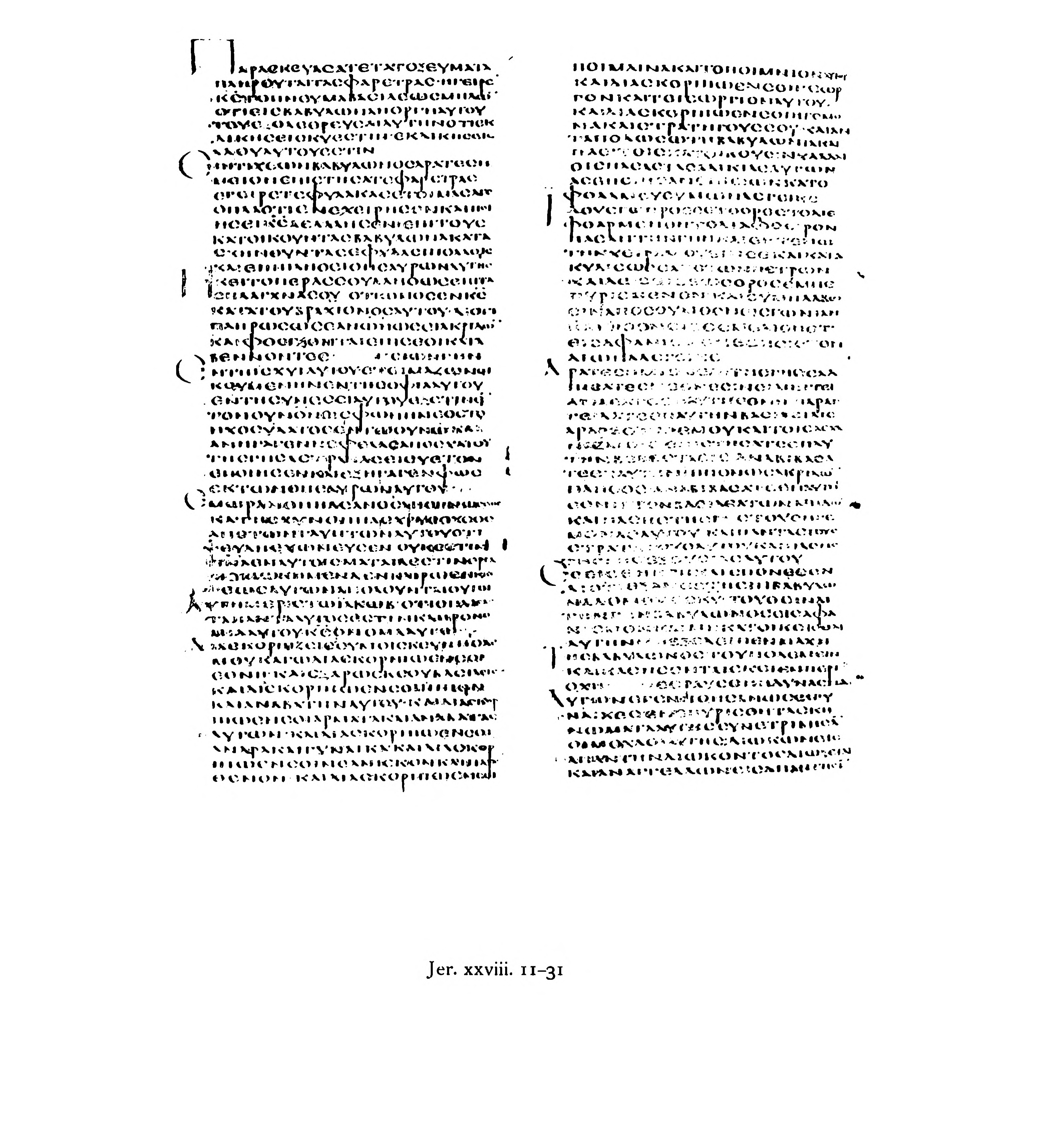
Codex Alexandrinus (Scan 4)
Codex Alexandrinus is one of the four great uncial codices of the Greek Bible. It contains the vast majority of the Septuagint and New Testament, and was the first of the great uncials to become accessible to modern scholars.