
Deuteronomy 33:8
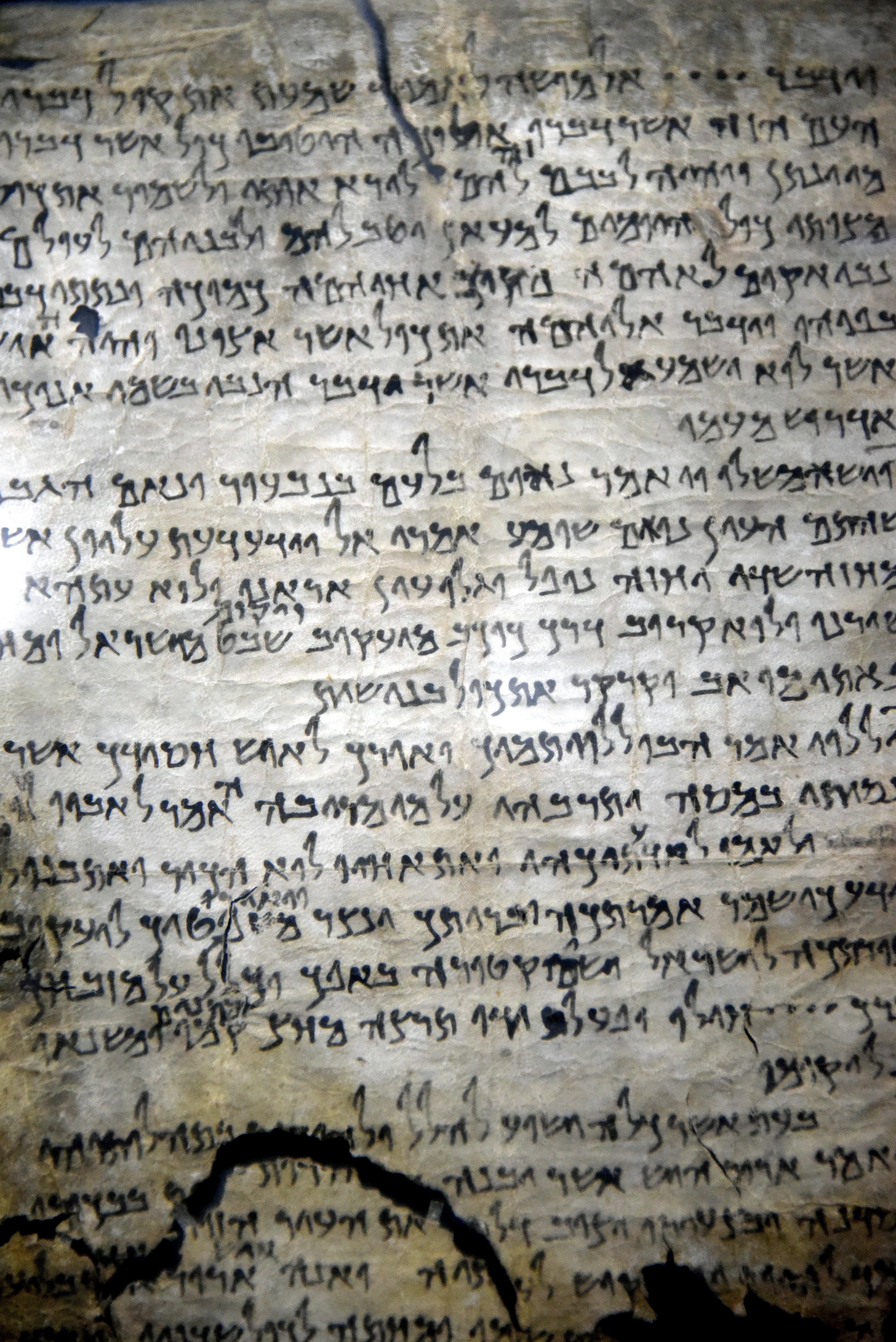
4QTestimonia (Testimonia) (Scan 1)
Commonly known as Testimonia, this unique single-sheet Hebrew manuscript from Qumran Cave 4 is a collection of key messianic proof-texts from the Old Testament, including Deuteronomy, Numbers, and Joshua. It is particularly famous for having been copied by the very same scribe who penned the Community Rule (1QS), and it represents an important witness to messianic expectations during the Second Temple period.
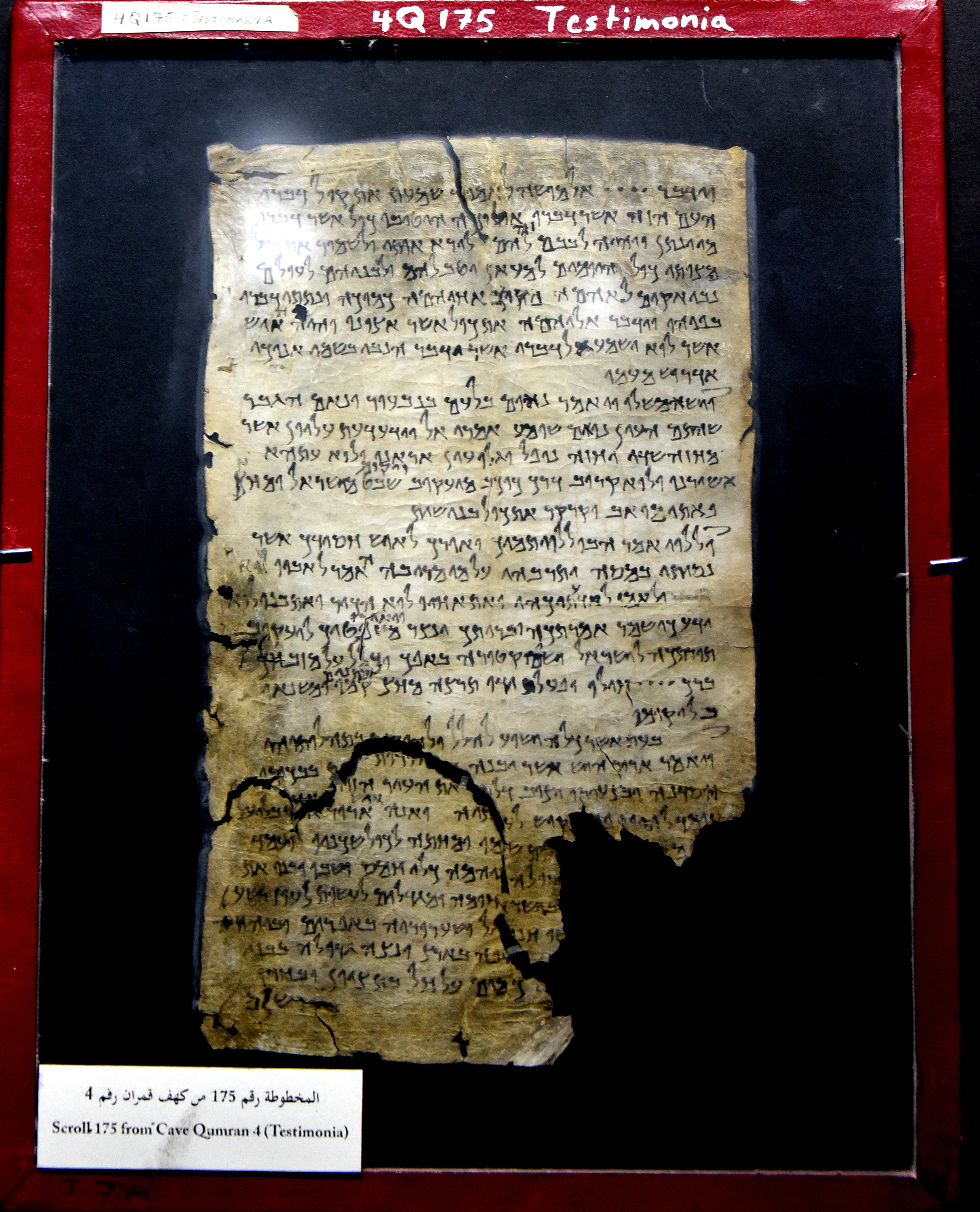
4QTestimonia (Testimonia) (Scan 2)
Commonly known as Testimonia, this unique single-sheet Hebrew manuscript from Qumran Cave 4 is a collection of key messianic proof-texts from the Old Testament, including Deuteronomy, Numbers, and Joshua. It is particularly famous for having been copied by the very same scribe who penned the Community Rule (1QS), and it represents an important witness to messianic expectations during the Second Temple period.
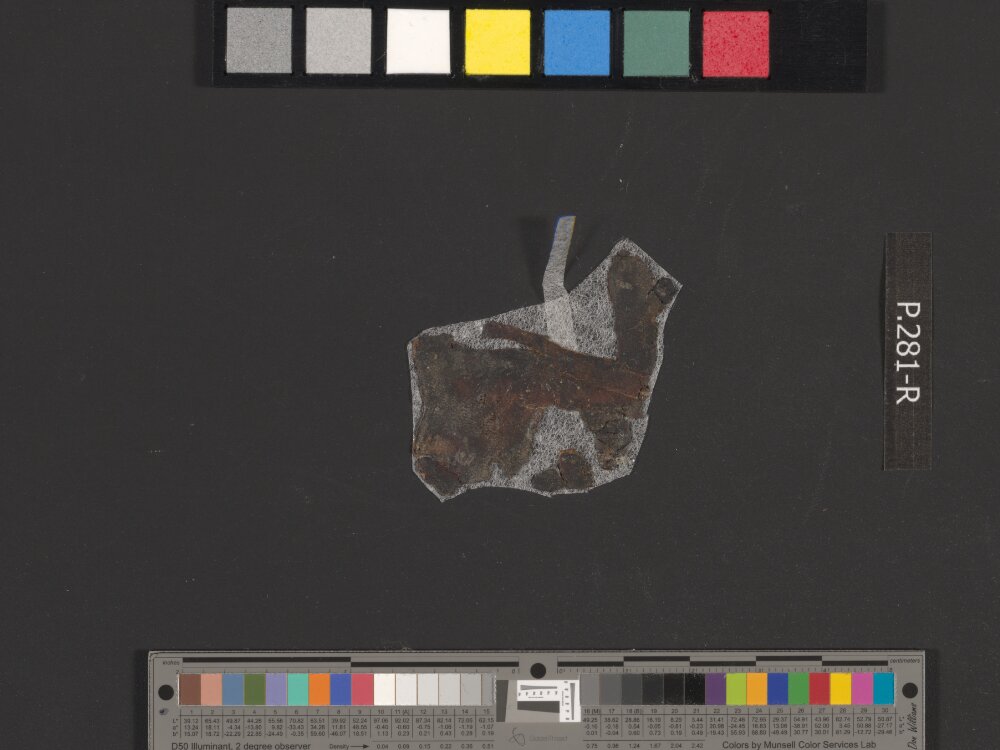
4Q Florilegium (Midrash on the Last Days)
Commonly known as the Florilegium, this manuscript is a significant late 1st-century BC Hebrew scroll discovered in Qumran Cave 4. It is notable for compiling various biblical passages, including a quote from the Book of Daniel where the author is explicitly referred to as 'Daniel the Prophet,' providing a vital early testament to the authority of Daniel's writings.
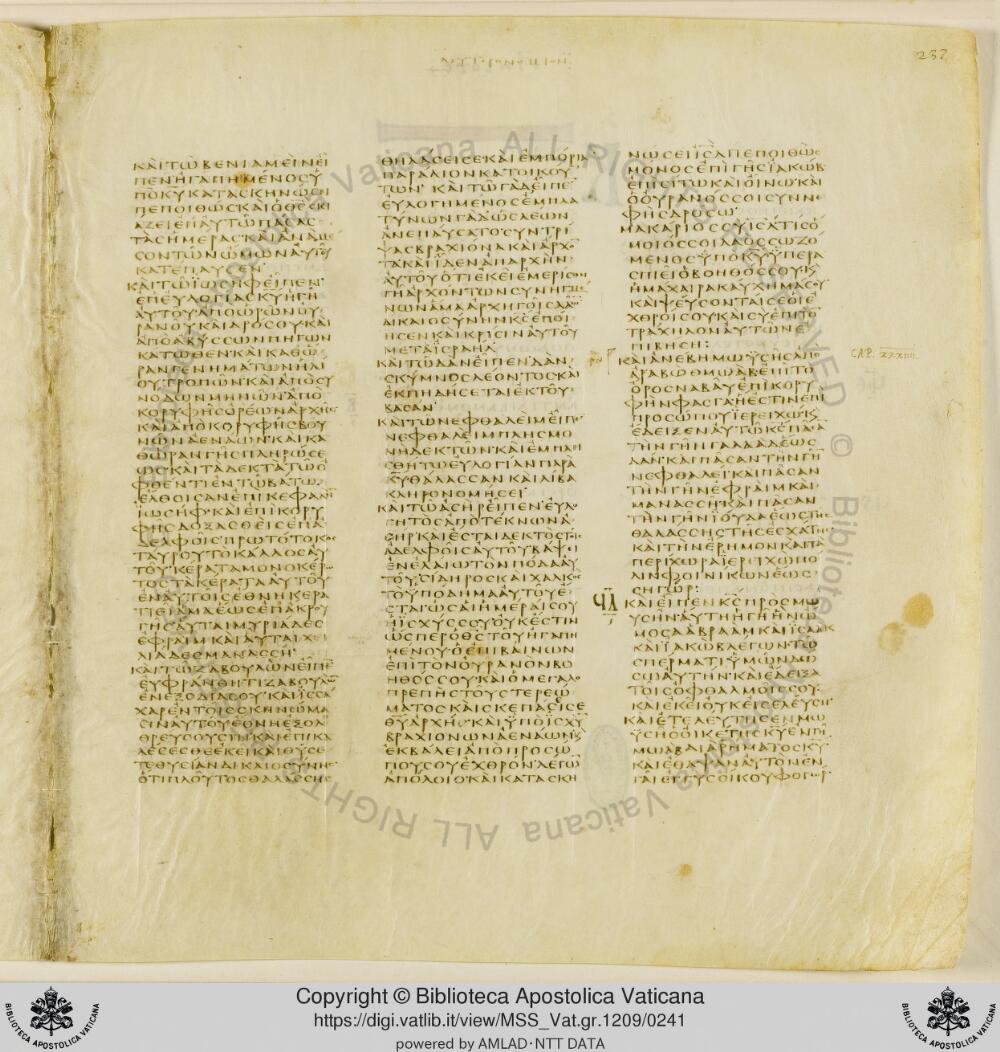
Codex Vaticanus
Codex Vaticanus is one of the oldest and most valuable surviving manuscripts of the complete Greek Bible. It has been securely housed in the Vatican Library since at least the late 15th century and is celebrated for its elegant script written on very high-quality vellum.
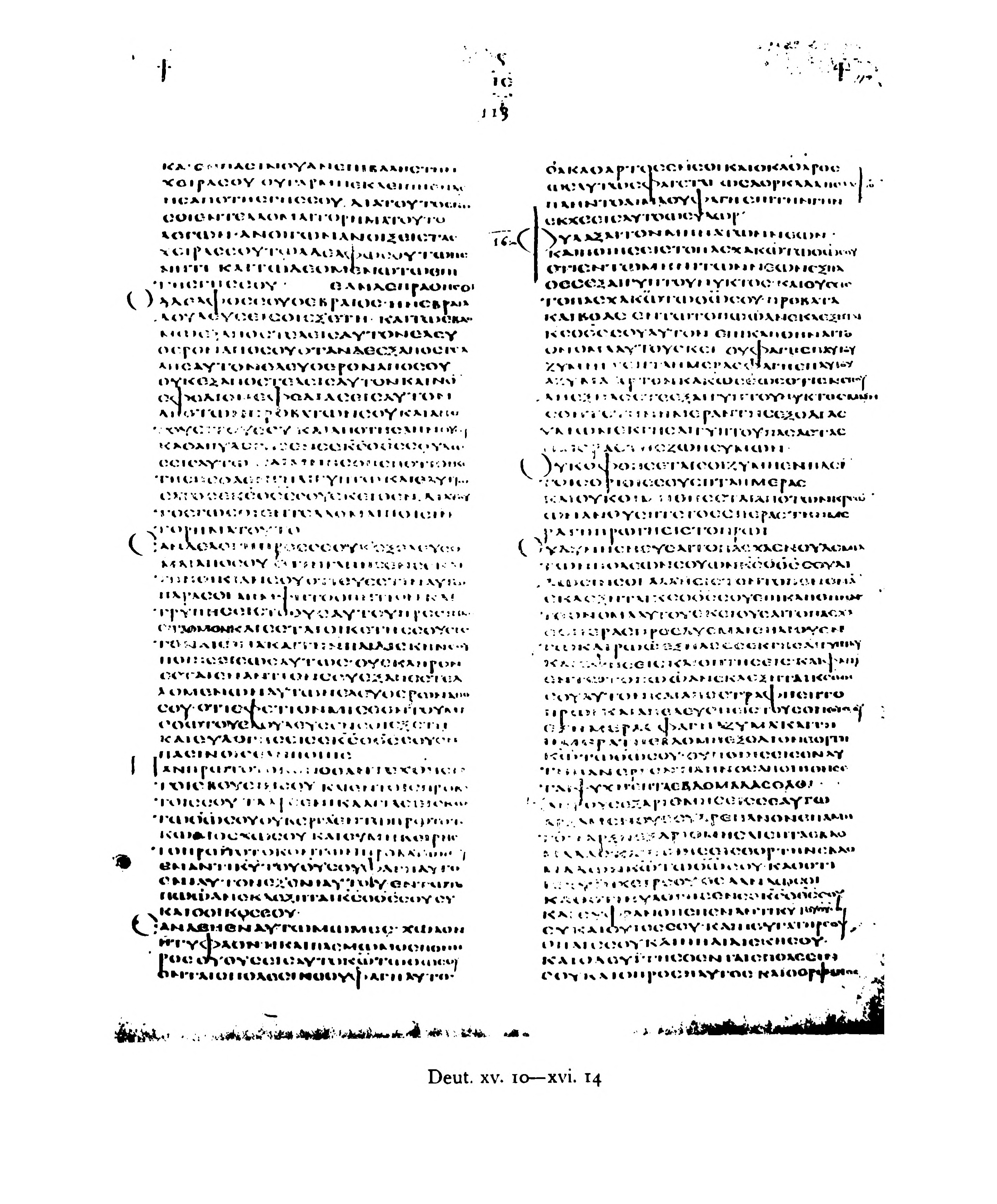
Codex Alexandrinus (Scan 1)
Codex Alexandrinus is one of the four great uncial codices of the Greek Bible. It contains the vast majority of the Septuagint and New Testament, and was the first of the great uncials to become accessible to modern scholars.
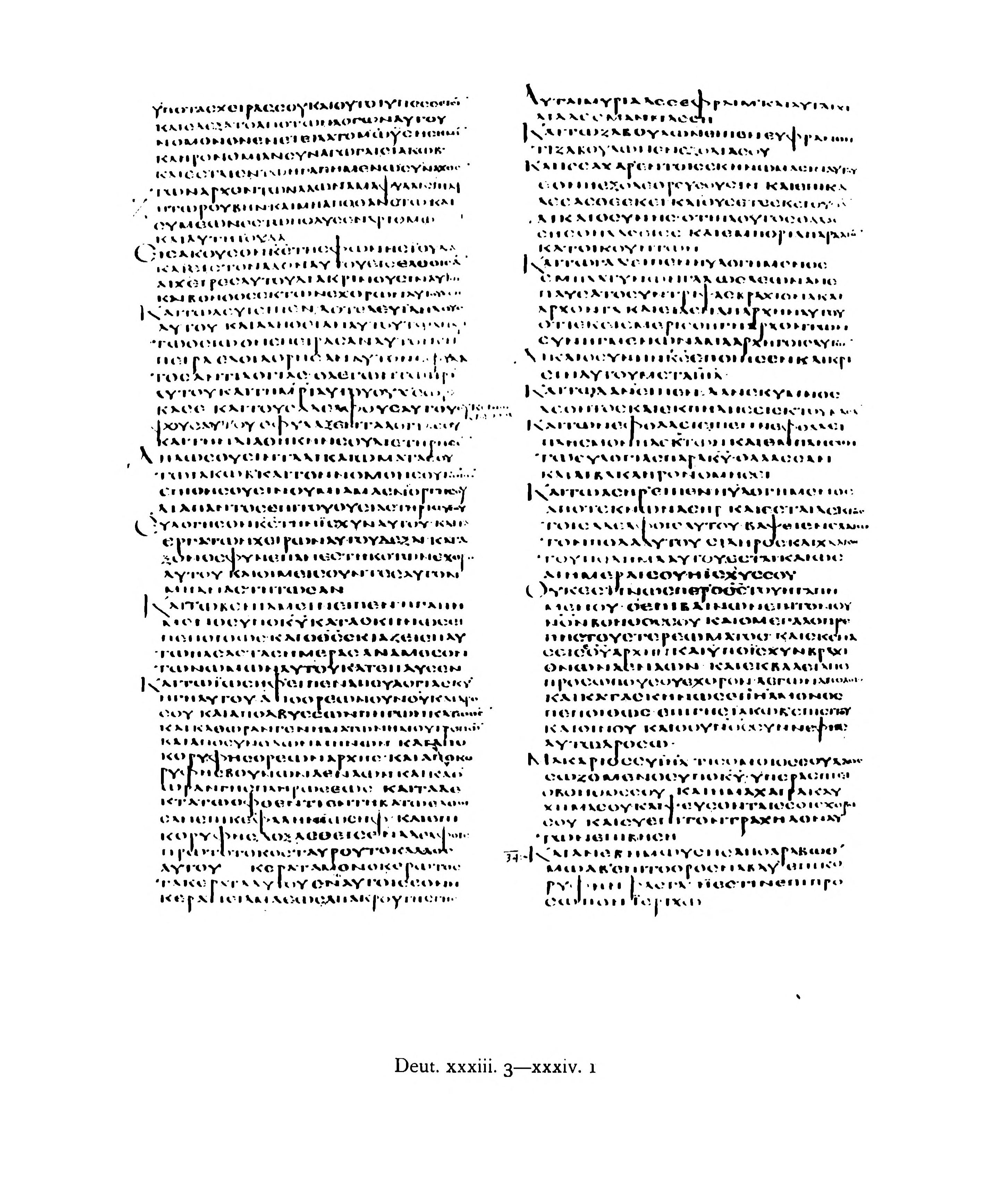
Codex Alexandrinus (Scan 2)
Codex Alexandrinus is one of the four great uncial codices of the Greek Bible. It contains the vast majority of the Septuagint and New Testament, and was the first of the great uncials to become accessible to modern scholars.