
Deuteronomy 34:8
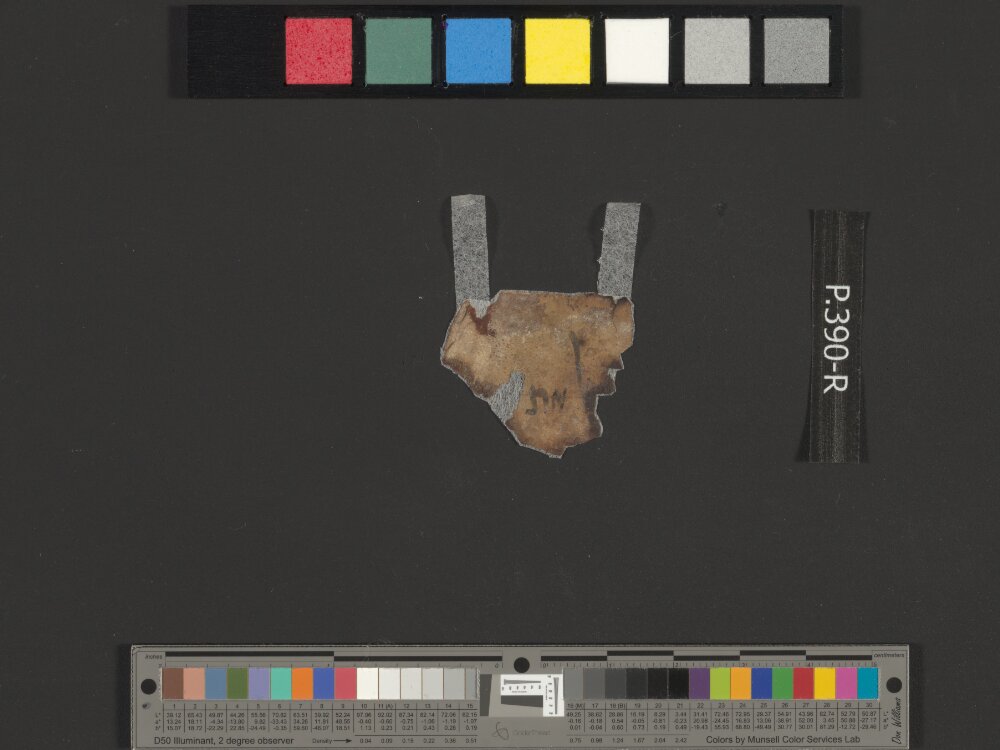
4Q Deuteronomy (l)
A late Hasmonean copy of the Book of Deuteronomy from Qumran Cave 4, dating to around 50 BCE. It is notable for its close alignment with the Hebrew textual tradition that was used by the ancient translators of the Greek Septuagint.
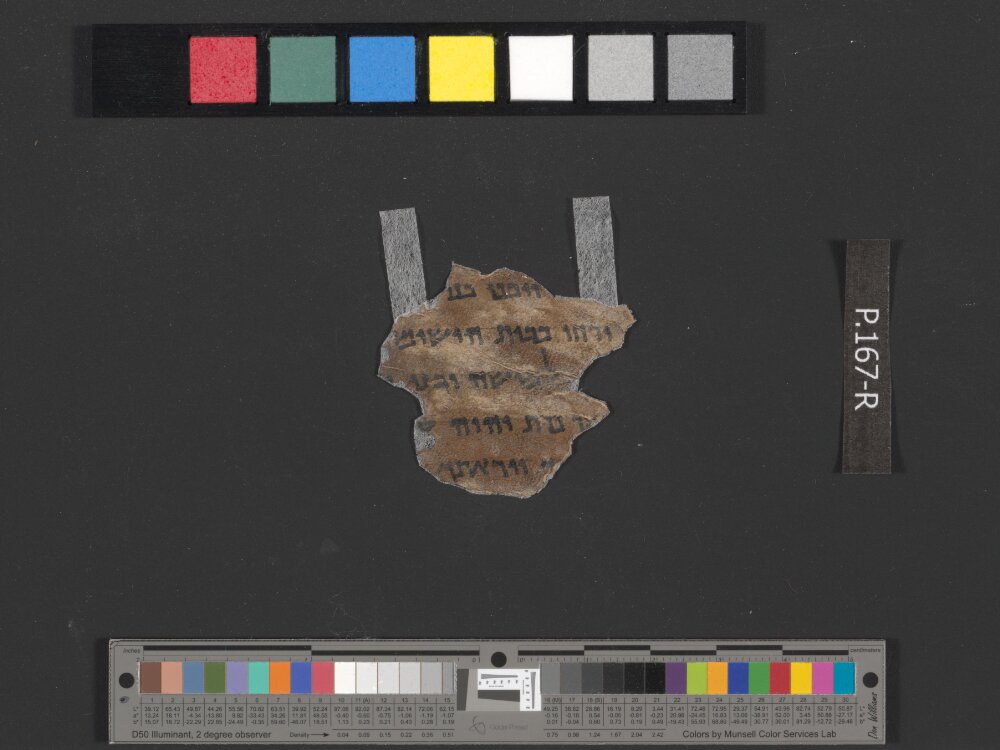
4QApocryphon of Joshua a
Discovered in Cave 4 at Qumran, this Hebrew manuscript contains the Apocryphon of Joshua, an ancient parabiblical work that retells the transition of leadership from Moses to Joshua. Written in a formal Herodian script from the first century AD, it records emotional prayers of mourning for Moses and speeches of encouragement by Joshua, providing a fascinating look at how ancient believers celebrated these biblical heroes.
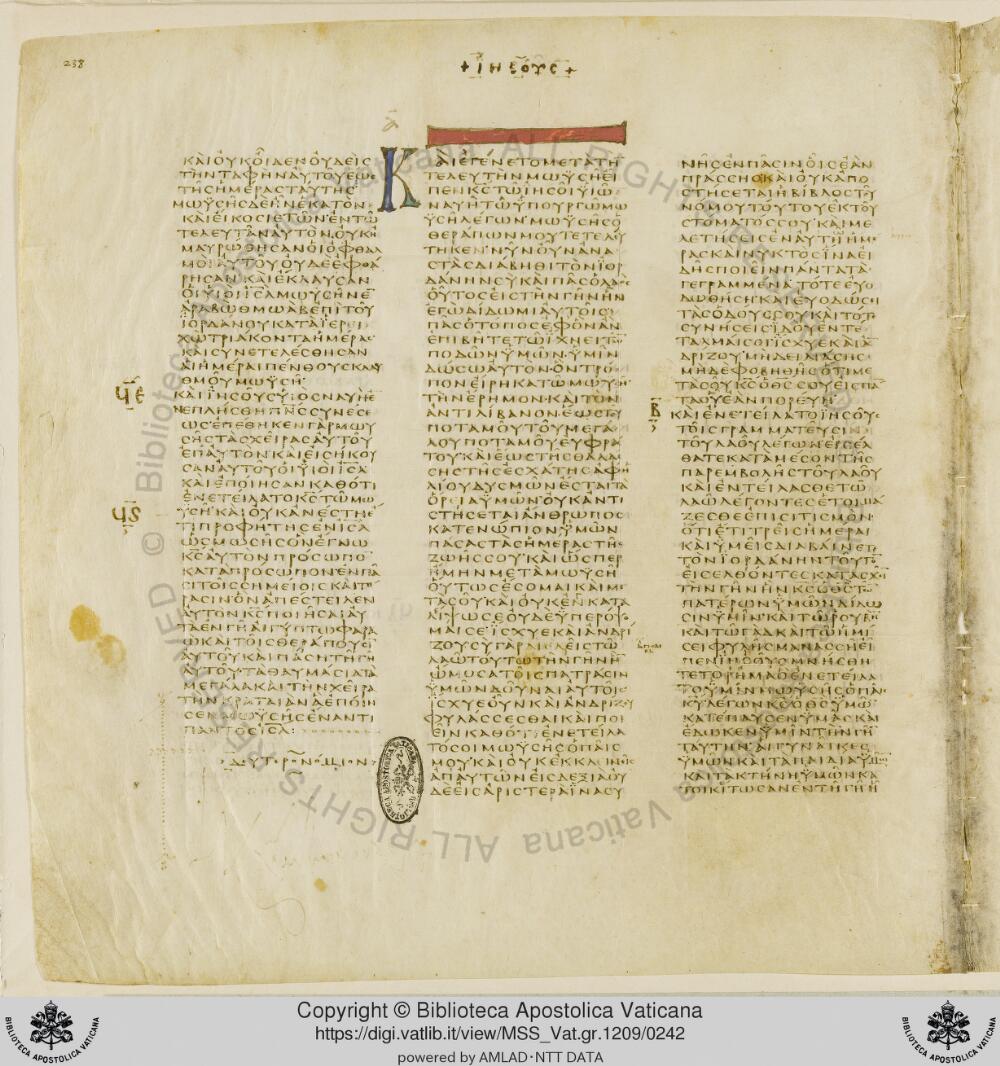
Codex Vaticanus
Codex Vaticanus is one of the oldest and most valuable surviving manuscripts of the complete Greek Bible. It has been securely housed in the Vatican Library since at least the late 15th century and is celebrated for its elegant script written on very high-quality vellum.
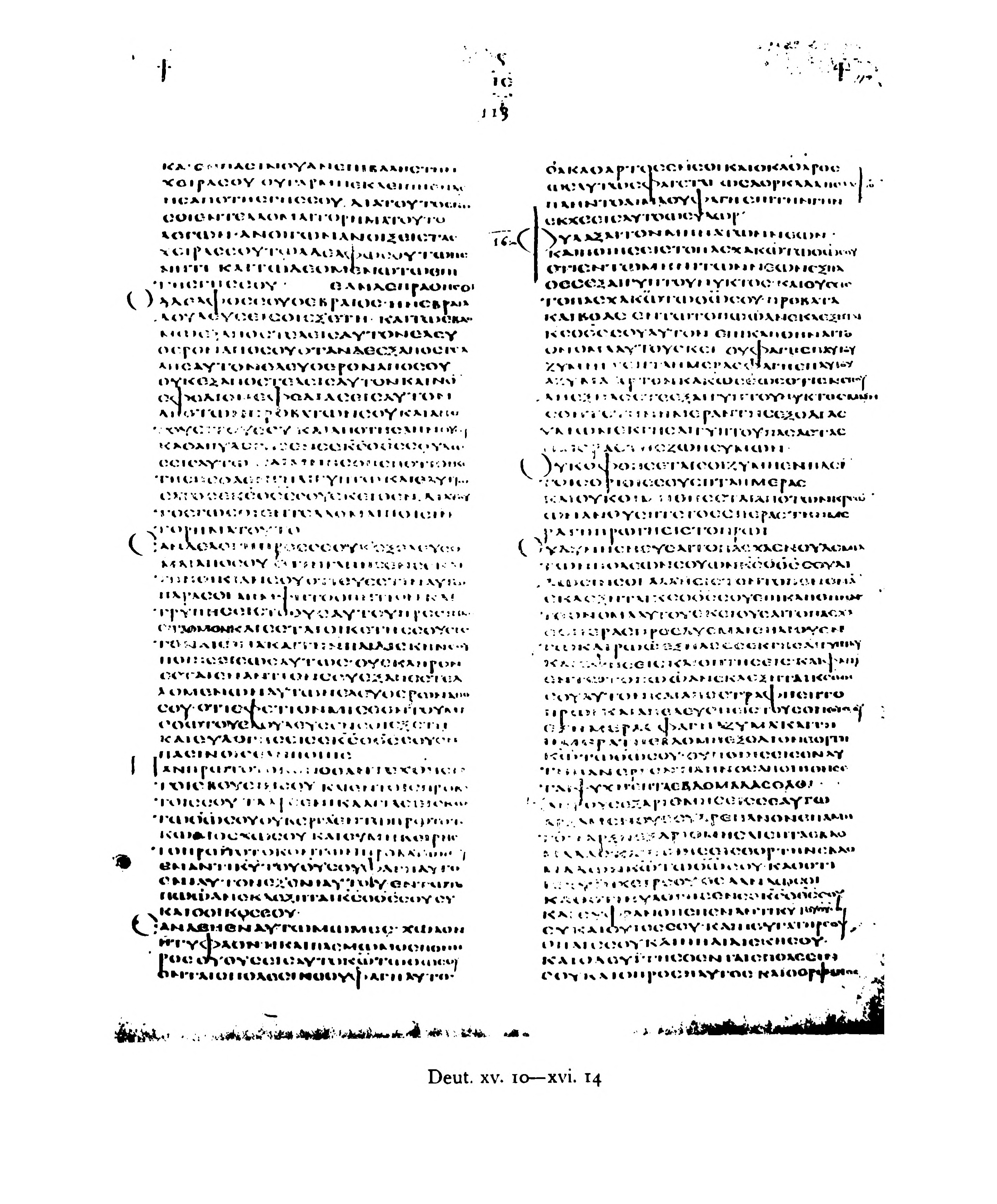
Codex Alexandrinus (Scan 1)
Codex Alexandrinus is one of the four great uncial codices of the Greek Bible. It contains the vast majority of the Septuagint and New Testament, and was the first of the great uncials to become accessible to modern scholars.
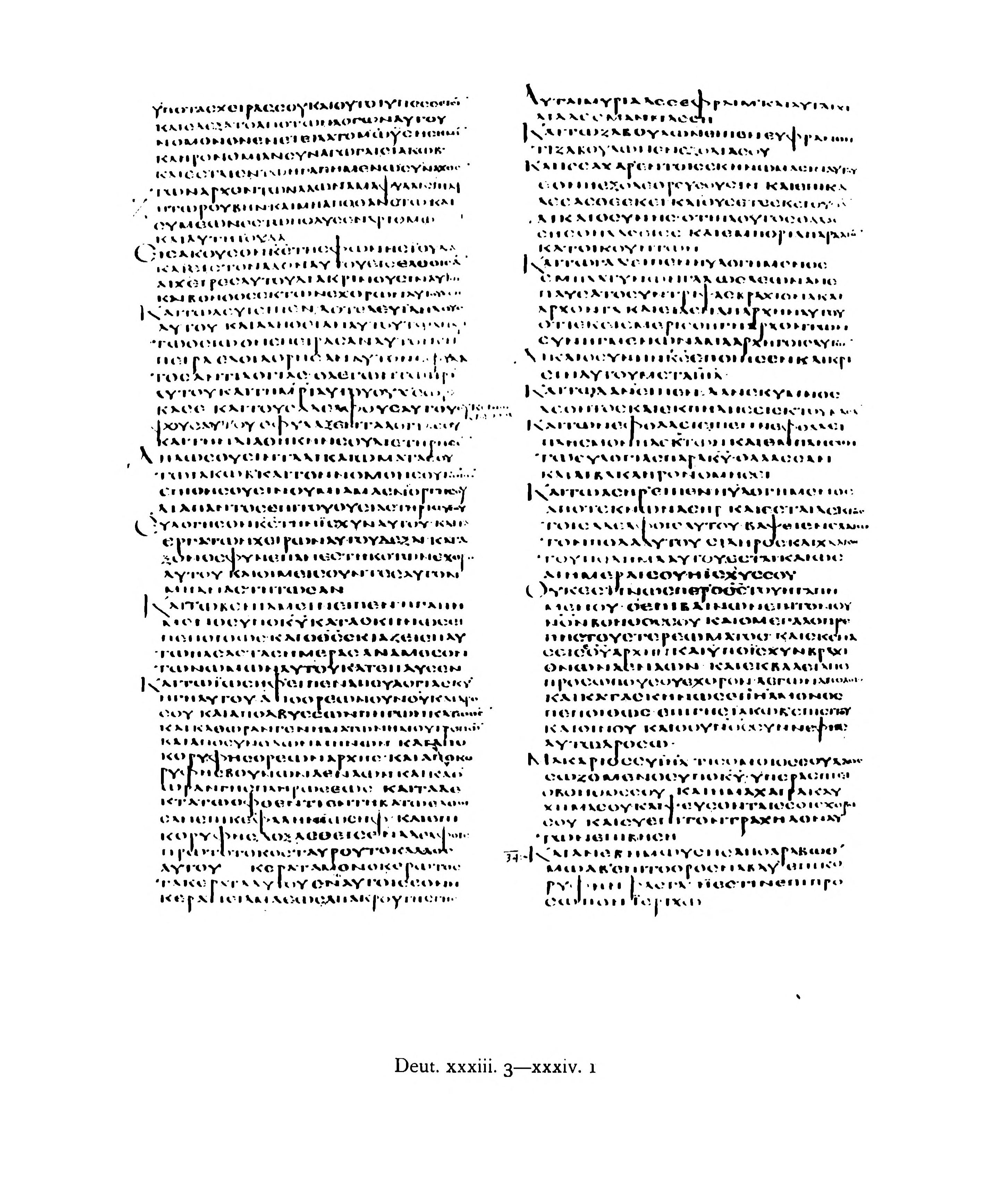
Codex Alexandrinus (Scan 2)
Codex Alexandrinus is one of the four great uncial codices of the Greek Bible. It contains the vast majority of the Septuagint and New Testament, and was the first of the great uncials to become accessible to modern scholars.
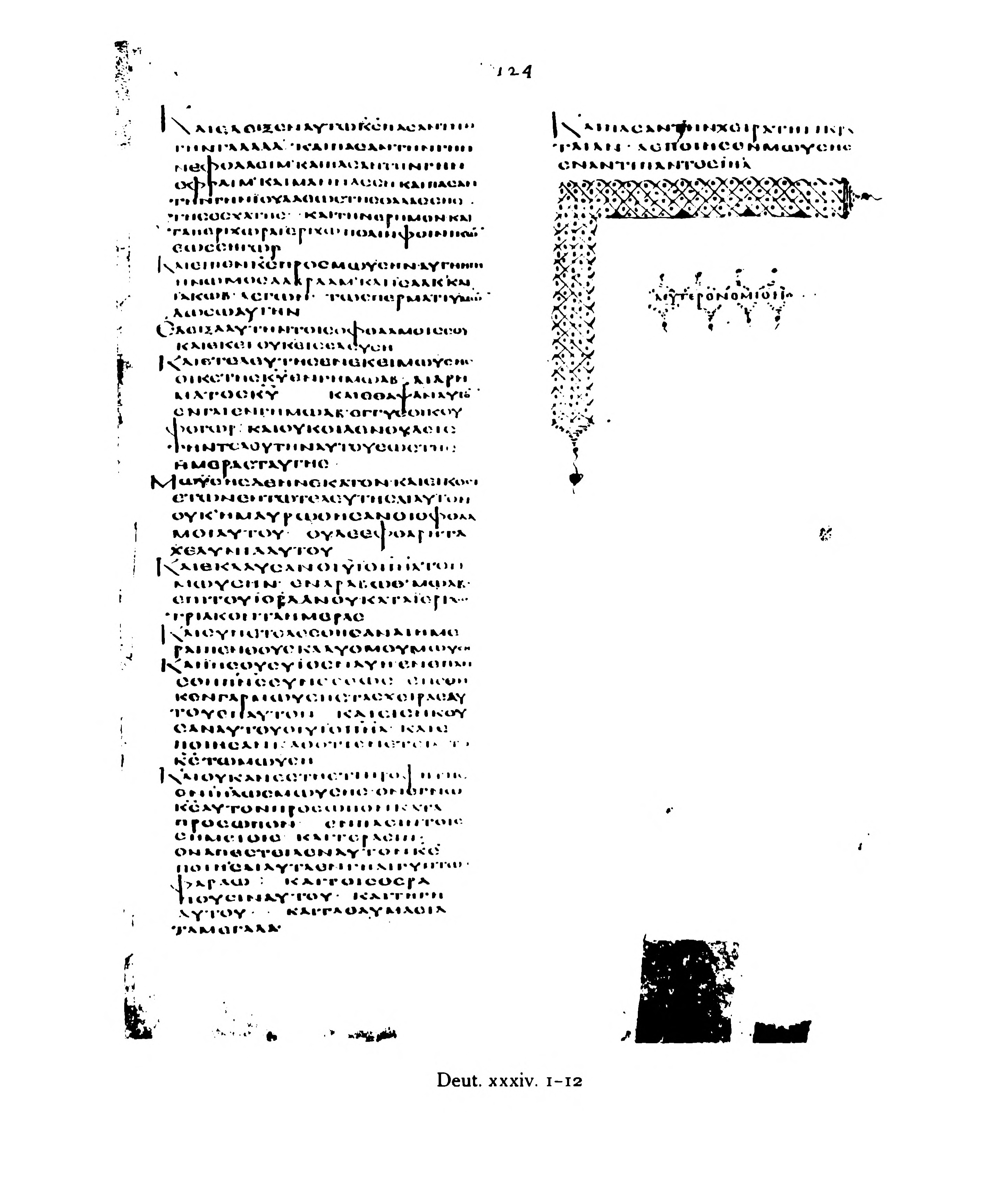
Codex Alexandrinus (Scan 3)
Codex Alexandrinus is one of the four great uncial codices of the Greek Bible. It contains the vast majority of the Septuagint and New Testament, and was the first of the great uncials to become accessible to modern scholars.