
Deuteronomy 9:23
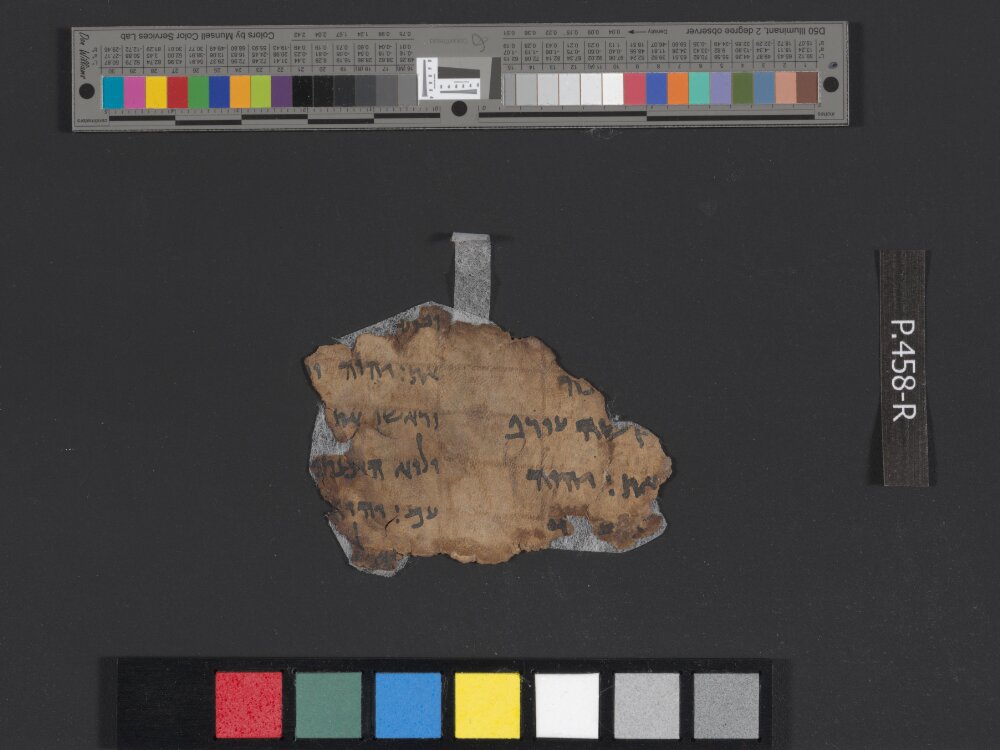
4Q Reworked Pentateuch b (Scan 1)
This ancient Hebrew parchment scroll contains portions of Genesis, Exodus, Numbers, and Deuteronomy. Housed at the Rockefeller Museum, it represents an important early witness to the Torah and reflects the vibrant scribal techniques used during the late Hasmonean period.
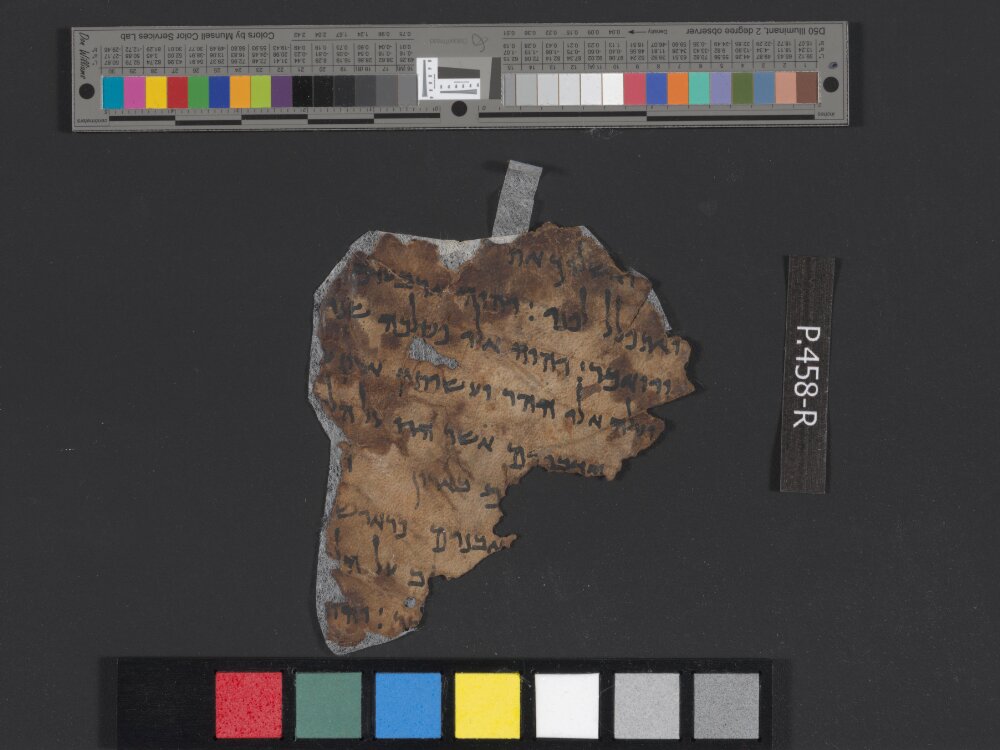
4Q Reworked Pentateuch b (Scan 2)
This ancient Hebrew parchment scroll contains portions of Genesis, Exodus, Numbers, and Deuteronomy. Housed at the Rockefeller Museum, it represents an important early witness to the Torah and reflects the vibrant scribal techniques used during the late Hasmonean period.
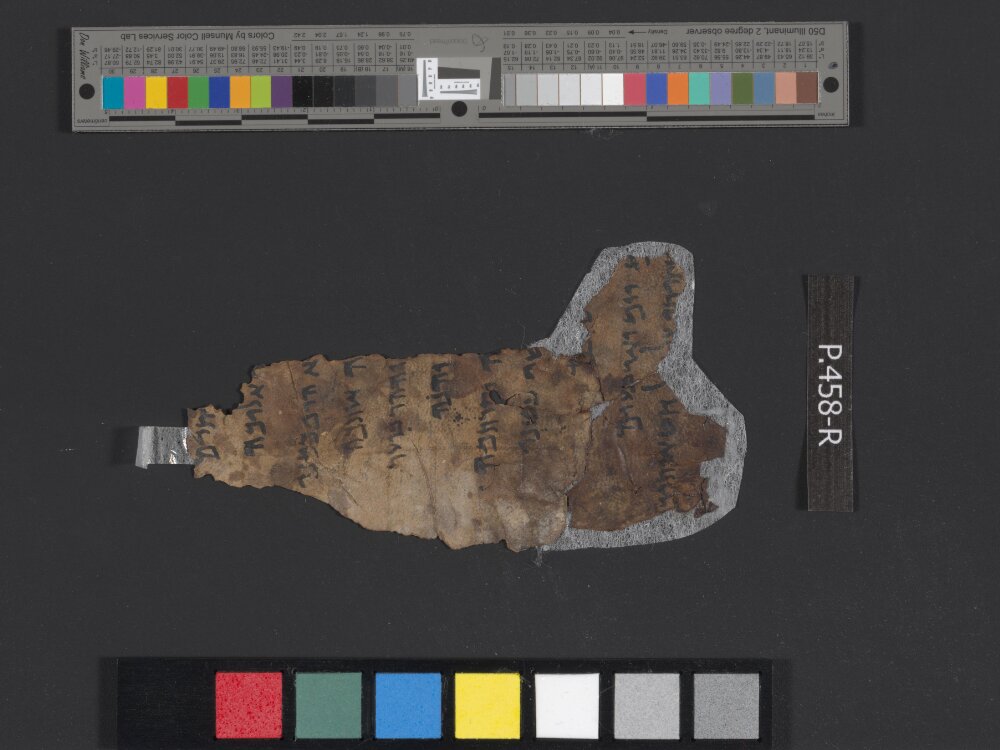
4Q Reworked Pentateuch b (Scan 3)
This ancient Hebrew parchment scroll contains portions of Genesis, Exodus, Numbers, and Deuteronomy. Housed at the Rockefeller Museum, it represents an important early witness to the Torah and reflects the vibrant scribal techniques used during the late Hasmonean period.
/XHev_Se_3_534_frg_3_recto.jpg)
XHev/Se 3
Frequently referred to as XHev/Se Deut or Nahal Hever Deuteronomy, this ancient scroll fragment was recovered from the Judean Desert and preserves two adjacent columns from the Book of Deuteronomy. It provides crucial physical proof of the stabilization of the Proto-Masoretic text during the era of the Bar Kokhba revolt.
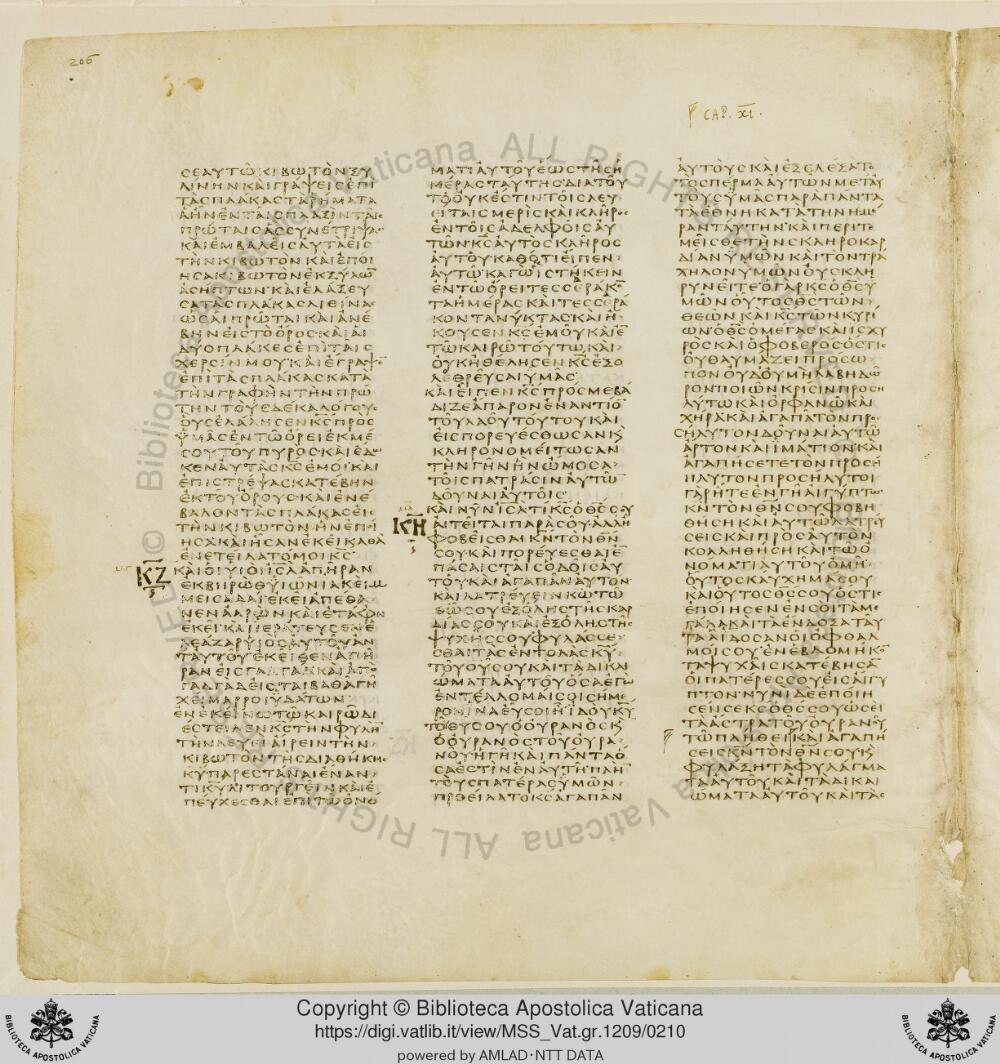
Codex Vaticanus
Codex Vaticanus is one of the oldest and most valuable surviving manuscripts of the complete Greek Bible. It has been securely housed in the Vatican Library since at least the late 15th century and is celebrated for its elegant script written on very high-quality vellum.
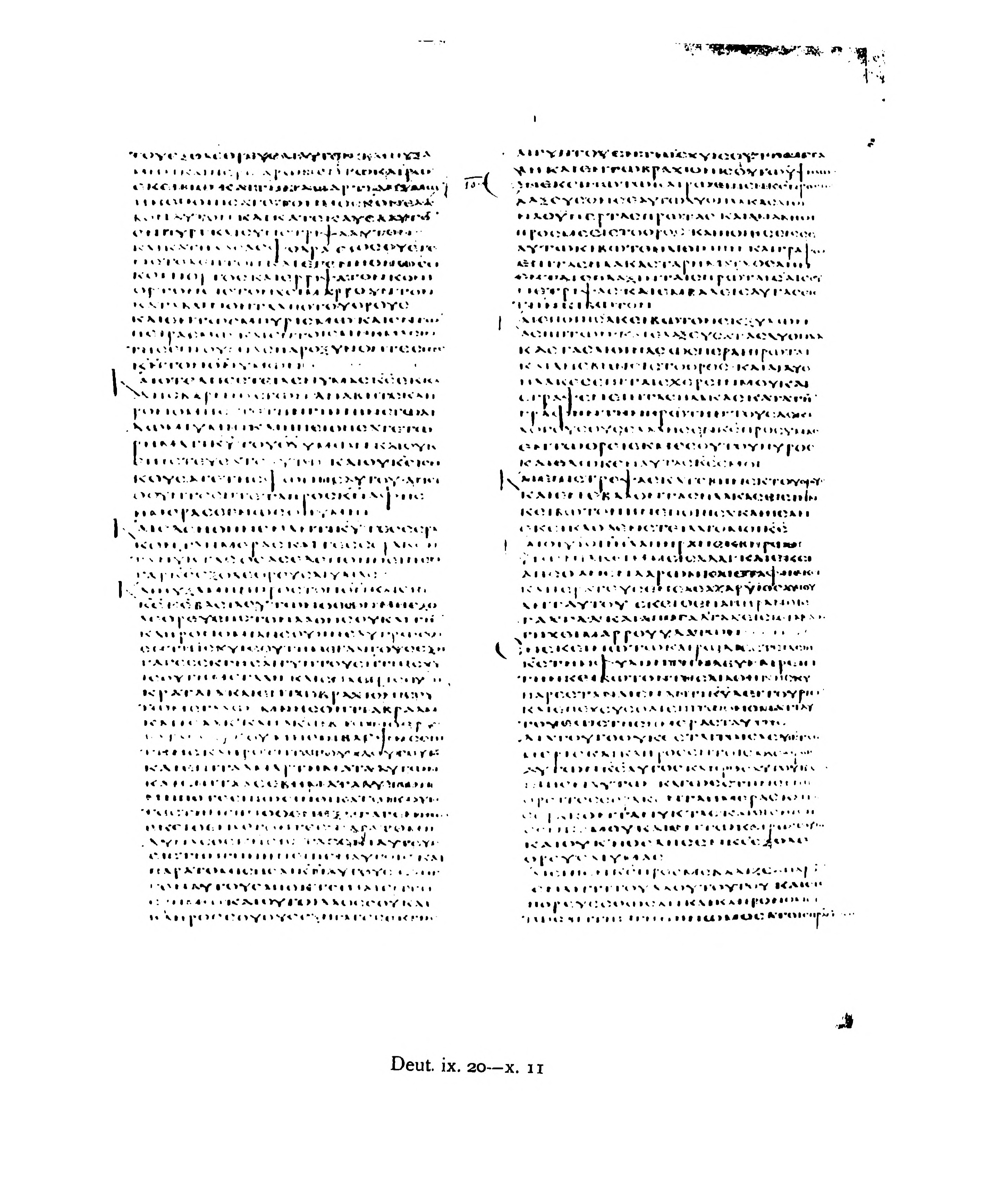
Codex Alexandrinus
Codex Alexandrinus is one of the four great uncial codices of the Greek Bible. It contains the vast majority of the Septuagint and New Testament, and was the first of the great uncials to become accessible to modern scholars.