
Exodus 12:44
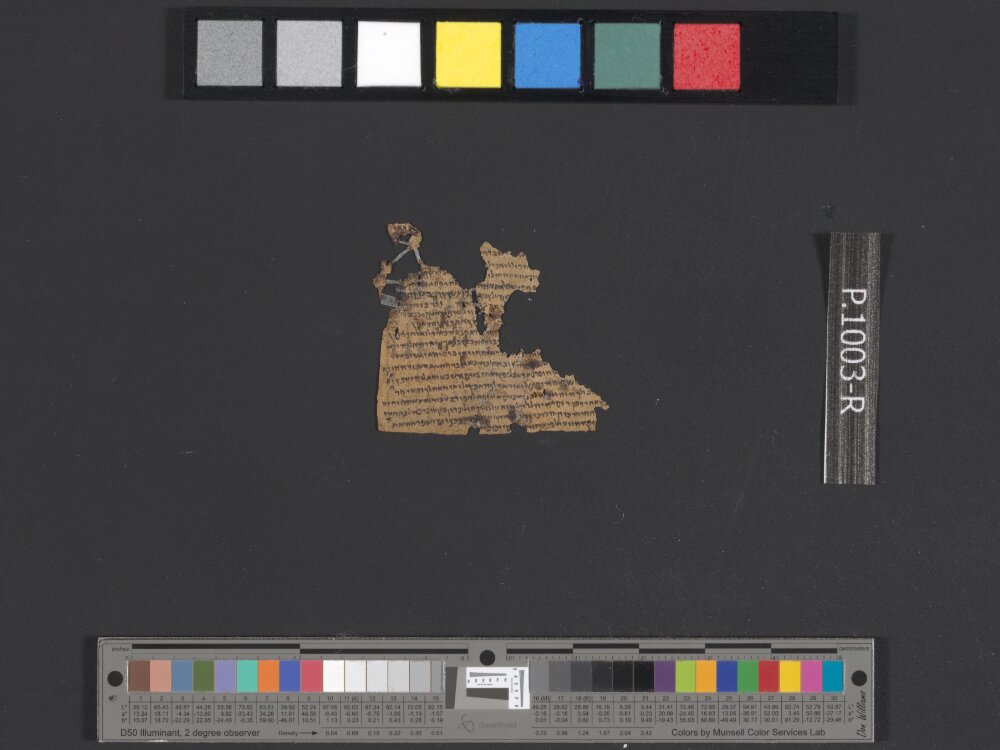
4Q Phylacteries M
A unique tefillin (phylactery) slip discovered in Cave 4 near Qumran, written on both sides of a single parchment strip (an opisthograph). It was designed to be folded and placed within a leather tefillin case for prayer, reflecting the ancient Jewish practice of keeping biblical passages close to the body. The handwriting displays a distinctive semi-cursive script characteristic of Jewish ritual items during the Second Temple period.
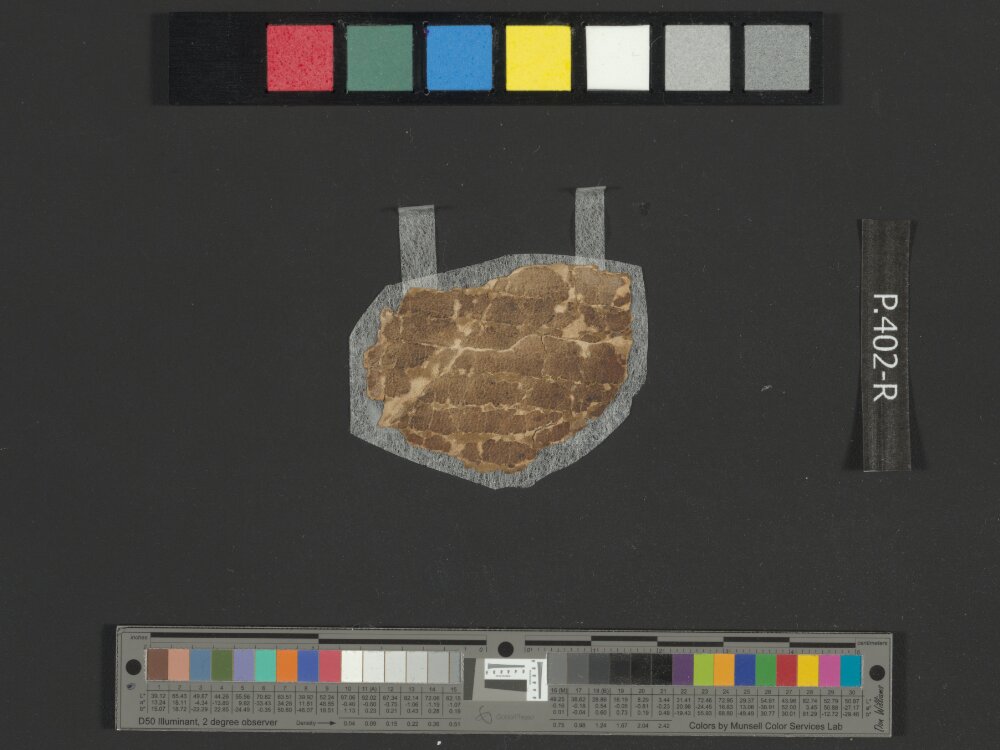
4QpaleoGenesis-Exodus l
An ancient biblical manuscript written in the Paleo-Hebrew script, containing portions of the final verse of Genesis and the book of Exodus. Discovered in Cave 4 at Qumran, this parchment scroll is an important early witness to the Hebrew text of the Pentateuch, dating back to the Hasmonean period.
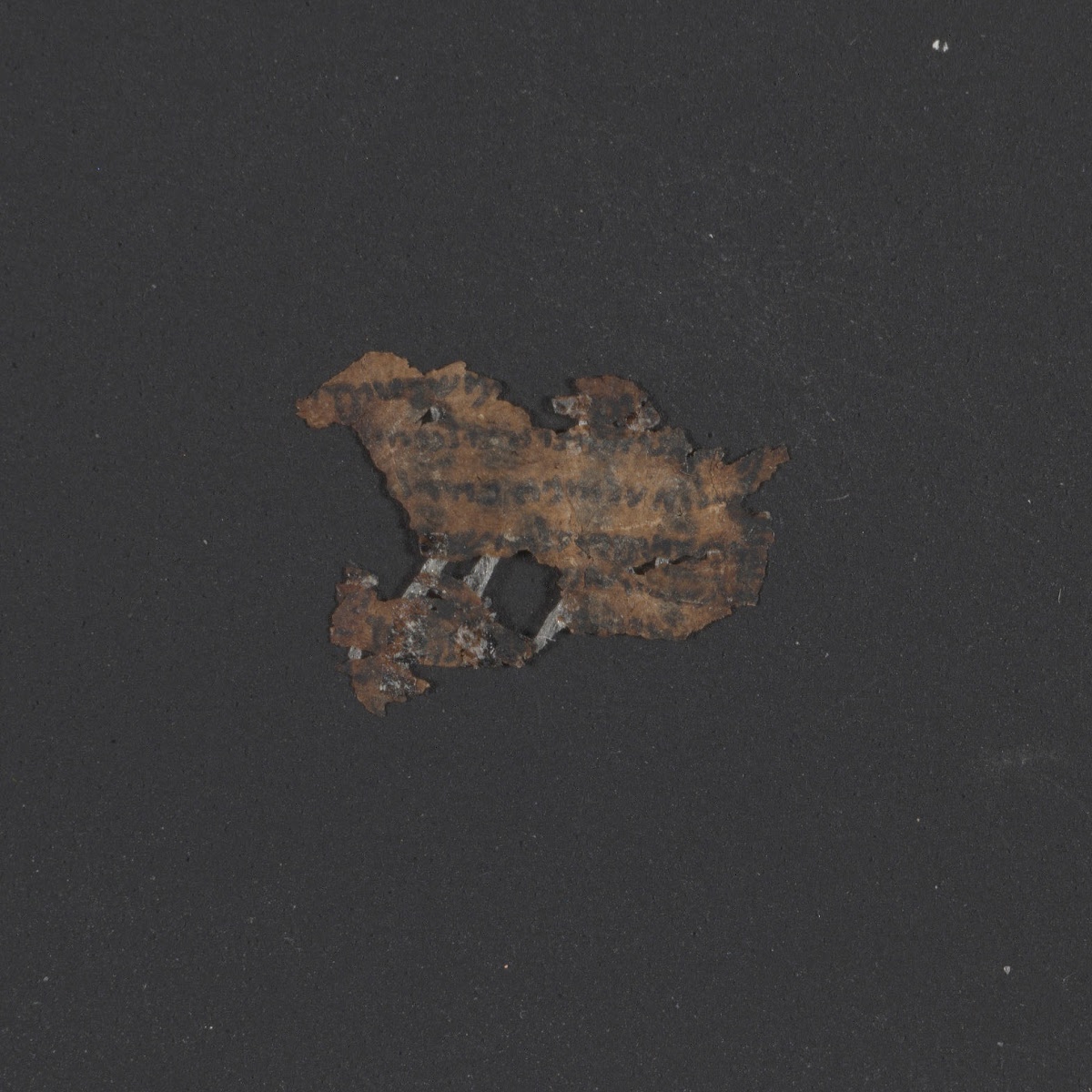
4Q Phylacteries A
An ancient Hebrew phylactery (tefillin) manuscript containing passages from Exodus and Deuteronomy written on a small leather strip. It is one of the oldest surviving physical tefillin in the world and is written on both sides (opisthographic) with the back text oriented perpendicularly to the front to maximize space.
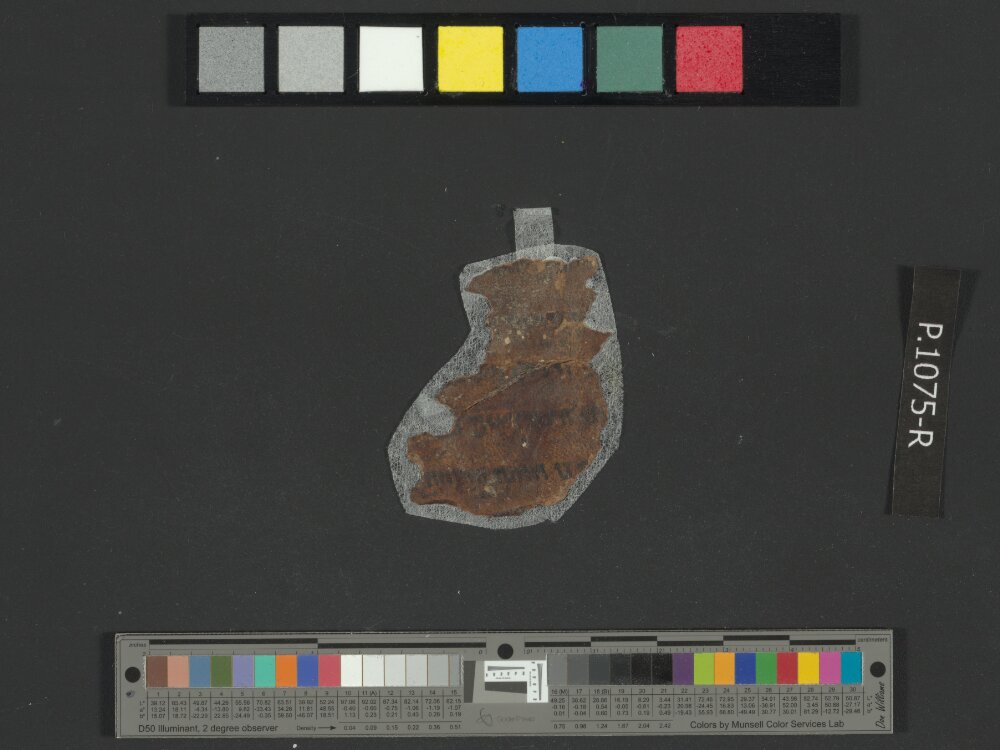
4QExod c
Discovered in Cave 4 at Qumran, this manuscript of the Book of Exodus dates back to the mid-to-late 1st century BC. Written in Hebrew, it serves as an important witness to the ancient preservation of the biblical text, showing a high degree of continuity with the later standardized Hebrew scriptures. The manuscript is preserved in numerous fragments, which are now housed in the Rockefeller Museum in Jerusalem.
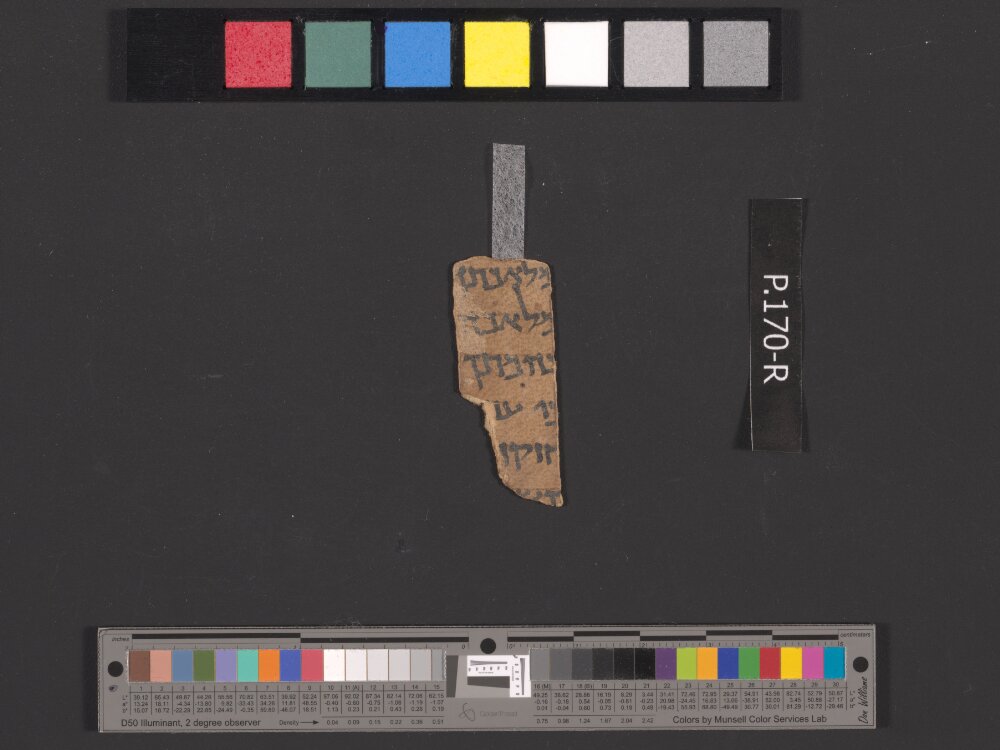
4QDeut(j)
An ancient Hebrew manuscript from Qumran Cave 4 that uniquely combines passages from both Exodus and Deuteronomy. Written in a clear Herodian square script, this scroll may have served a liturgical or devotional purpose for personal study or prayer in the 1st century AD.
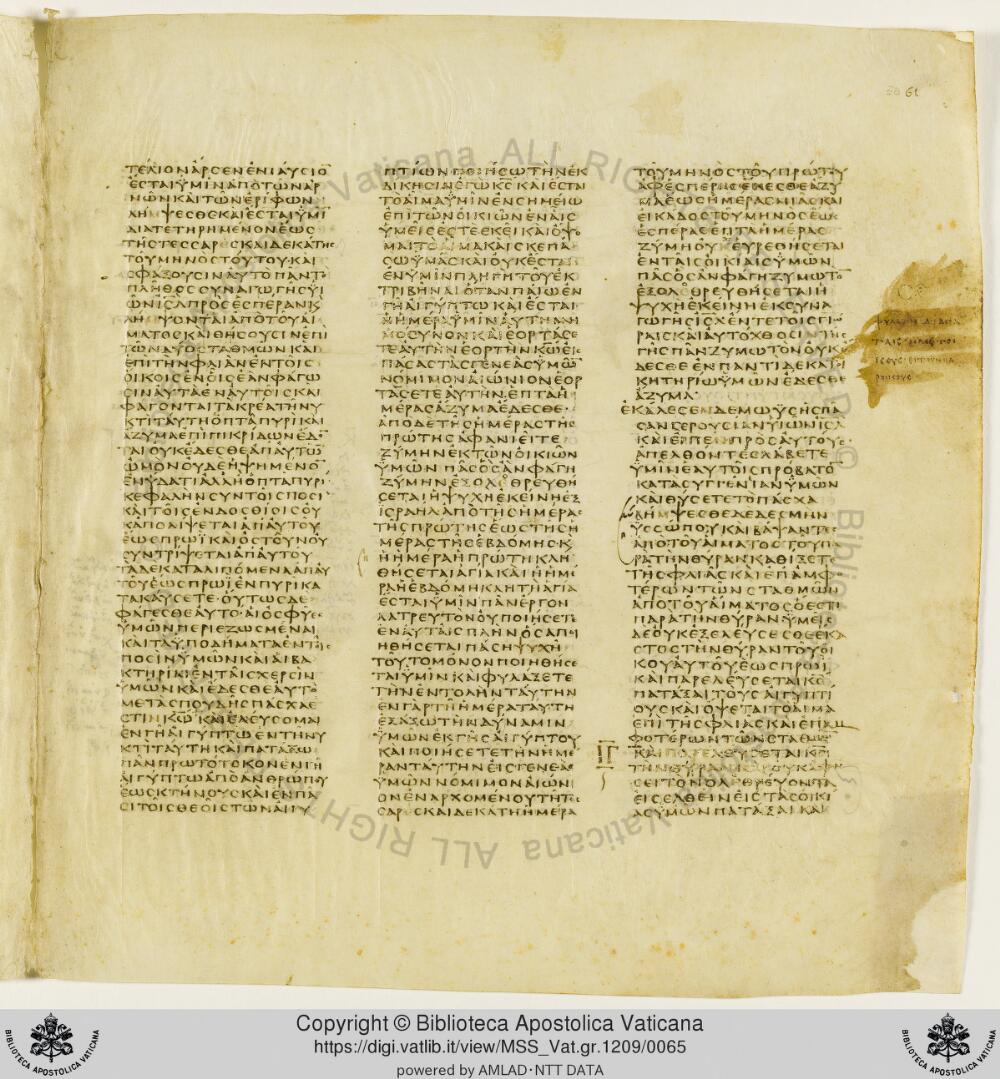
Codex Vaticanus
Codex Vaticanus is one of the oldest and most valuable surviving manuscripts of the complete Greek Bible. It has been securely housed in the Vatican Library since at least the late 15th century and is celebrated for its elegant script written on very high-quality vellum.
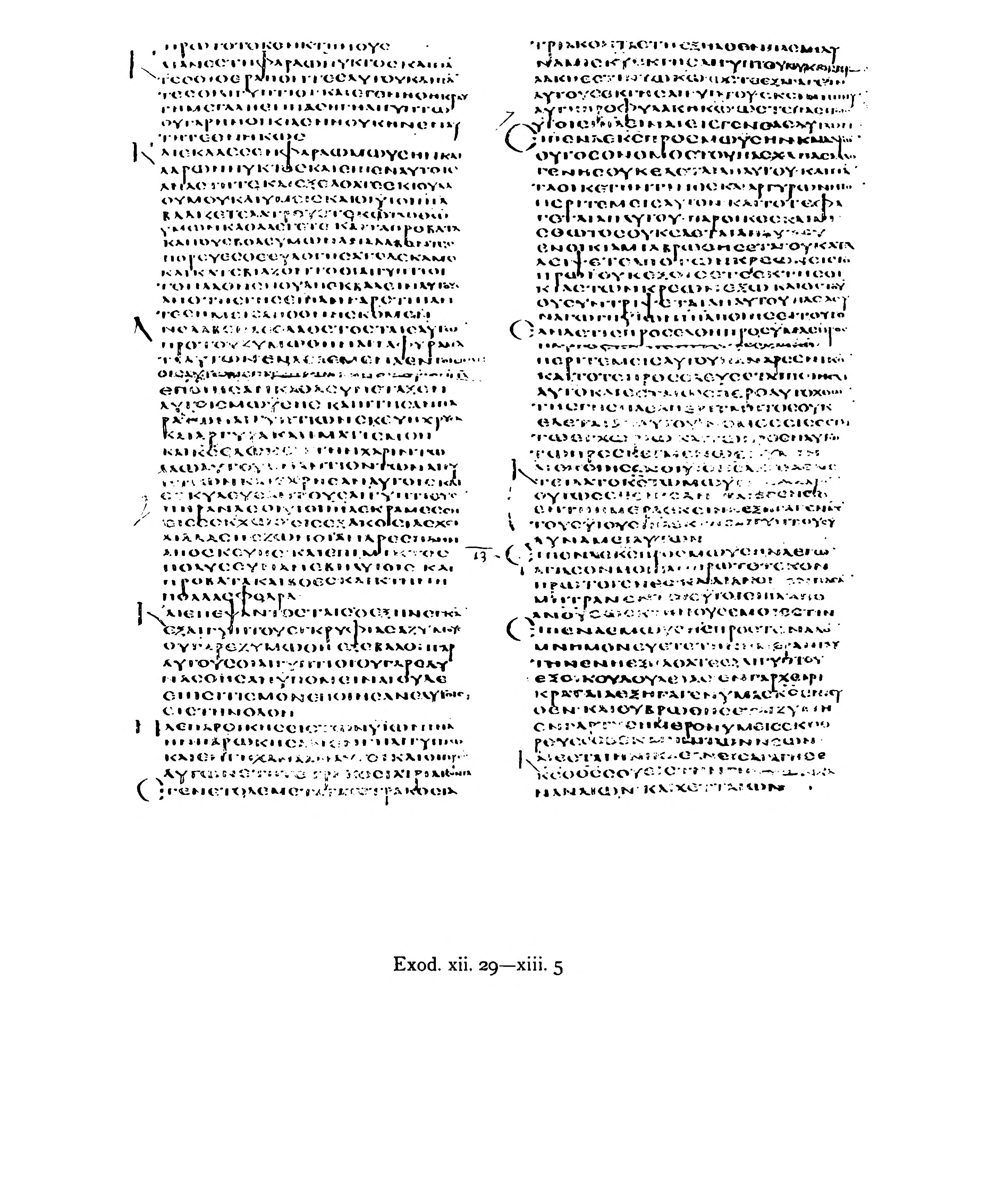
Codex Alexandrinus
Codex Alexandrinus is one of the four great uncial codices of the Greek Bible. It contains the vast majority of the Septuagint and New Testament, and was the first of the great uncials to become accessible to modern scholars.