
Exodus 20:13
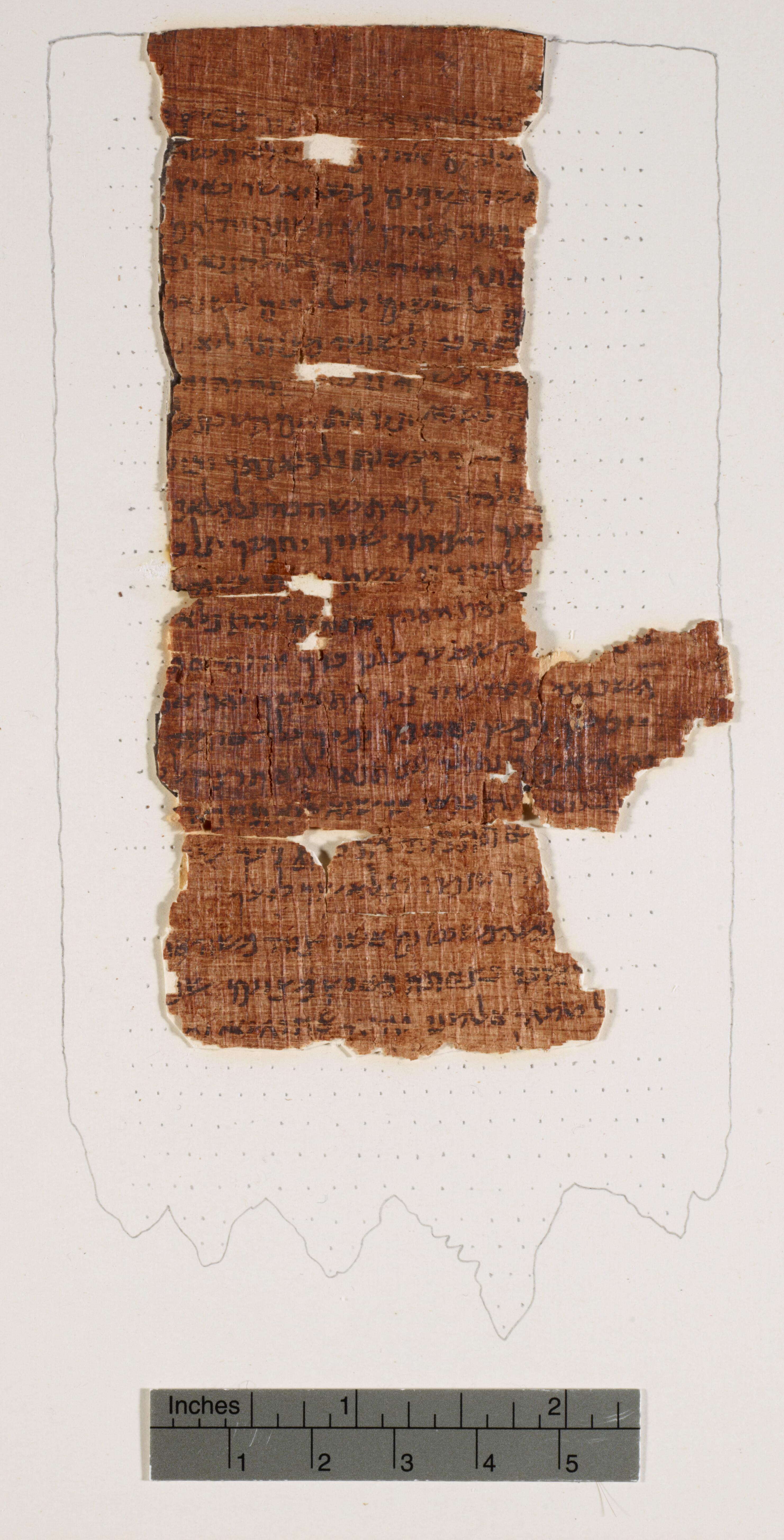
Nash Papyrus
Purchased in Egypt in 1902, the Nash Papyrus was the oldest known Hebrew manuscript fragment before the discovery of the Dead Sea Scrolls. It consists of a single sheet containing the Ten Commandments followed by the 'Shema Yisrael' prayer, suggesting it was used as a personal liturgical or instructional document. This ancient artifact served as a crucial paleographic benchmark that later helped scholars confirm the great antiquity of the Dead Sea Scrolls.
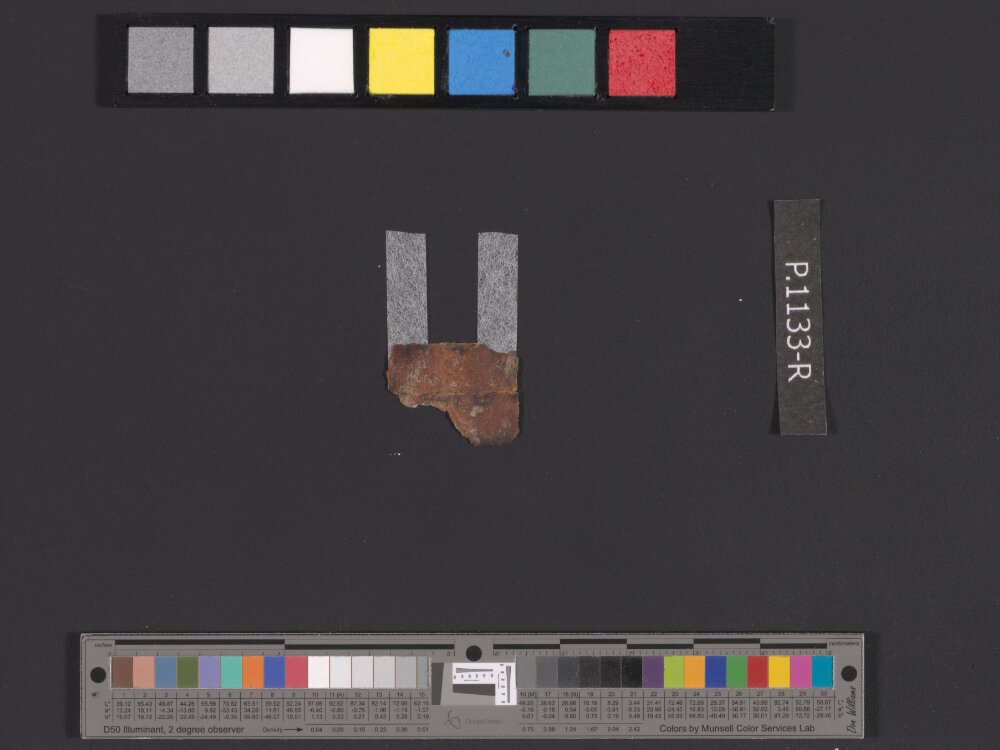
4QpaleoExodus m (Scan 1)
Written in the ancient Paleo-Hebrew script, this significant scroll from Qumran Cave 4 is one of the longest and best-preserved early copies of the Book of Exodus. Dating to the late Hasmonean period, it provides a valuable window into how the Torah was copied and preserved during the Second Temple era.
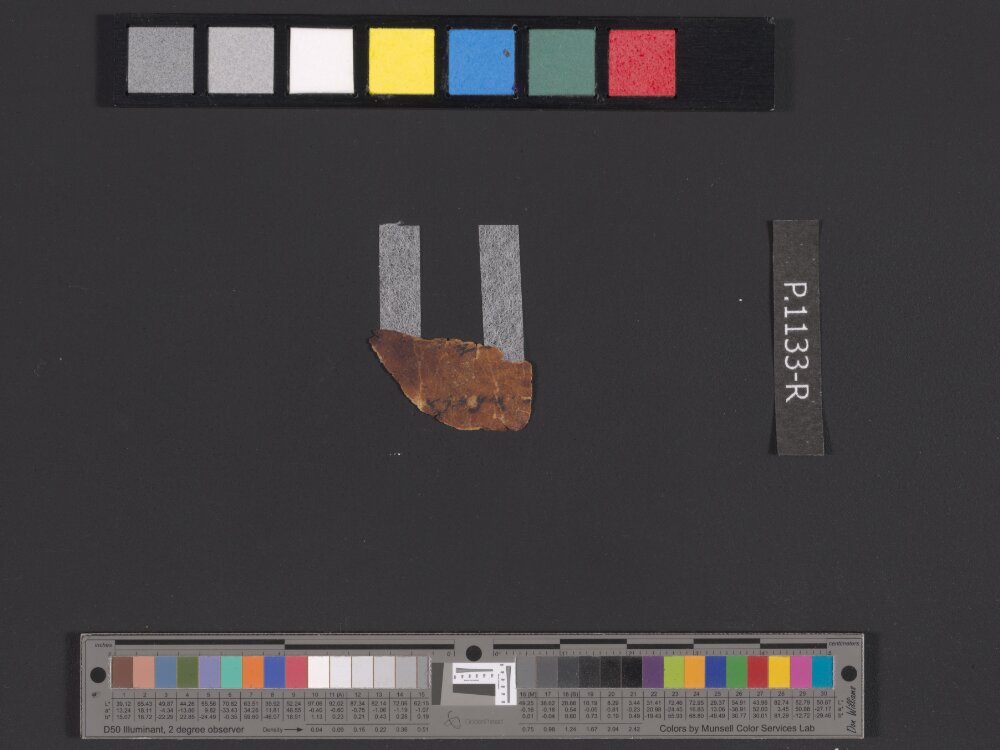
4QpaleoExodus m (Scan 2)
Written in the ancient Paleo-Hebrew script, this significant scroll from Qumran Cave 4 is one of the longest and best-preserved early copies of the Book of Exodus. Dating to the late Hasmonean period, it provides a valuable window into how the Torah was copied and preserved during the Second Temple era.
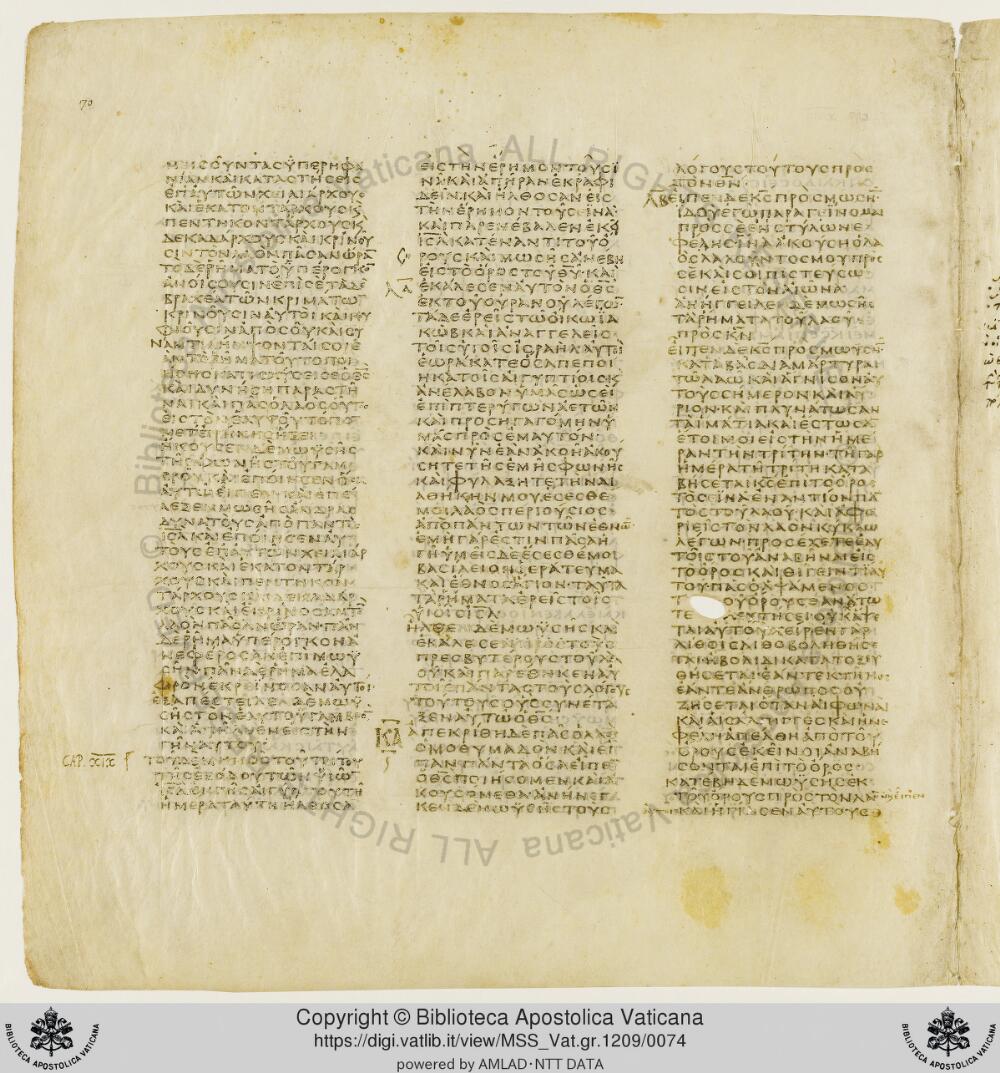
Codex Vaticanus
Codex Vaticanus is one of the oldest and most valuable surviving manuscripts of the complete Greek Bible. It has been securely housed in the Vatican Library since at least the late 15th century and is celebrated for its elegant script written on very high-quality vellum.
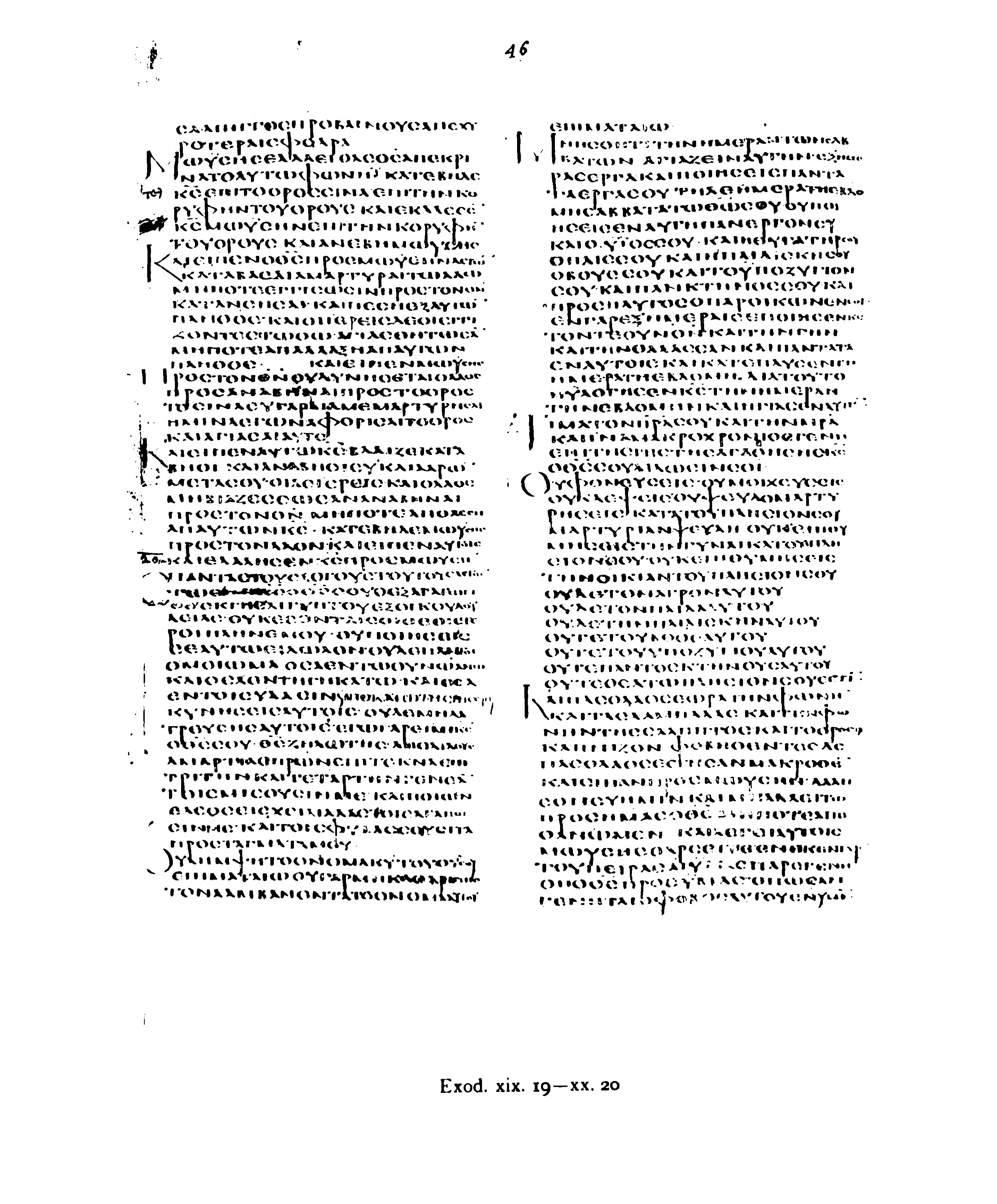
Codex Alexandrinus
Codex Alexandrinus is one of the four great uncial codices of the Greek Bible. It contains the vast majority of the Septuagint and New Testament, and was the first of the great uncials to become accessible to modern scholars.