
Exodus 7:16
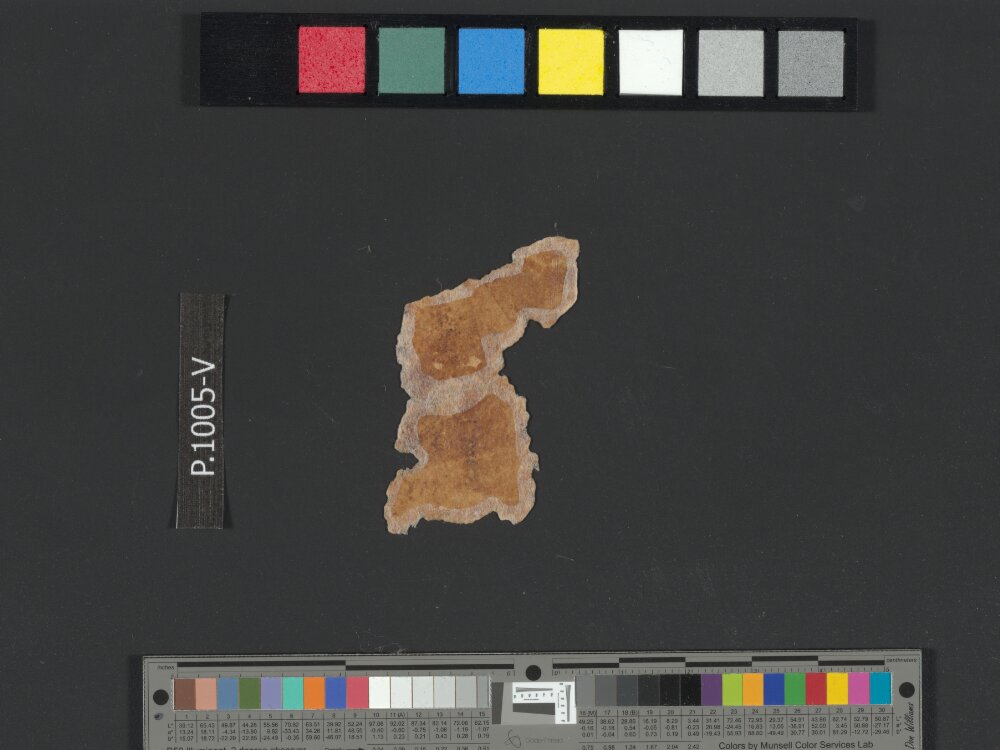
4QpaleoExodus m (Scan 1)
Written in the ancient Paleo-Hebrew script, this significant scroll from Qumran Cave 4 is one of the longest and best-preserved early copies of the Book of Exodus. Dating to the late Hasmonean period, it provides a valuable window into how the Torah was copied and preserved during the Second Temple era.
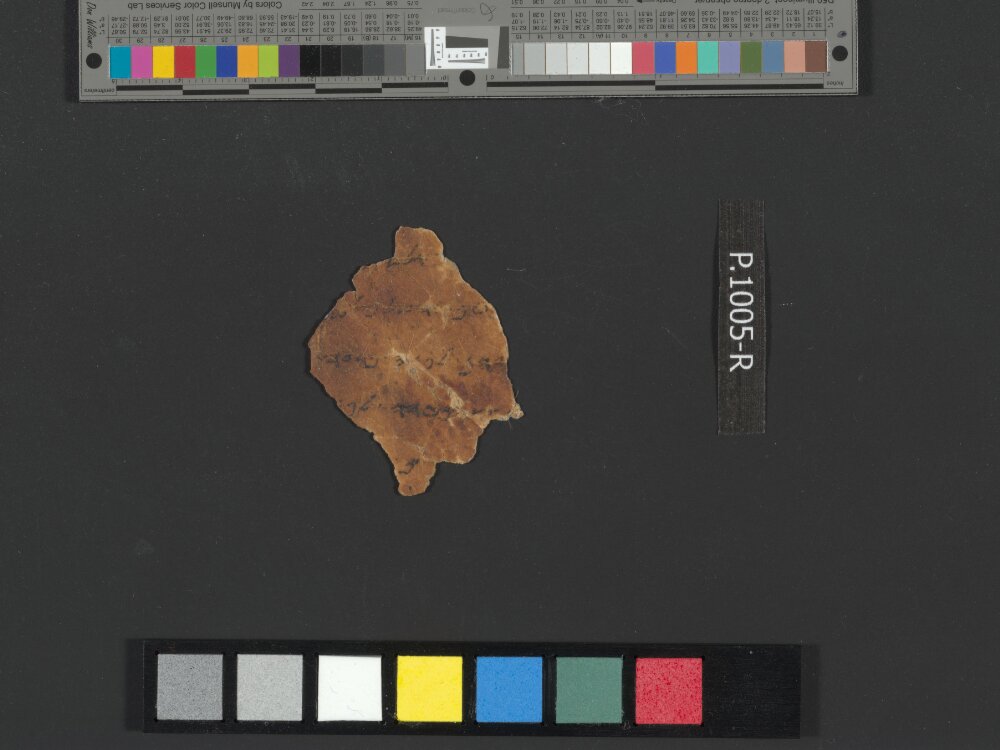
4QpaleoExodus m (Scan 2)
Written in the ancient Paleo-Hebrew script, this significant scroll from Qumran Cave 4 is one of the longest and best-preserved early copies of the Book of Exodus. Dating to the late Hasmonean period, it provides a valuable window into how the Torah was copied and preserved during the Second Temple era.
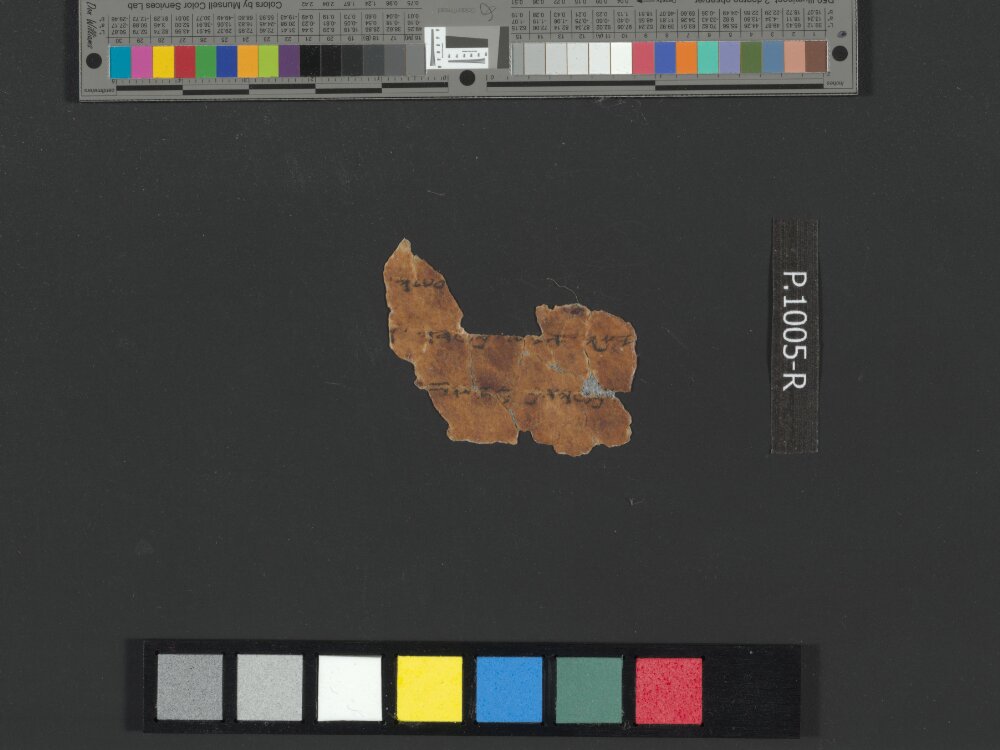
4QpaleoExodus m (Scan 3)
Written in the ancient Paleo-Hebrew script, this significant scroll from Qumran Cave 4 is one of the longest and best-preserved early copies of the Book of Exodus. Dating to the late Hasmonean period, it provides a valuable window into how the Torah was copied and preserved during the Second Temple era.
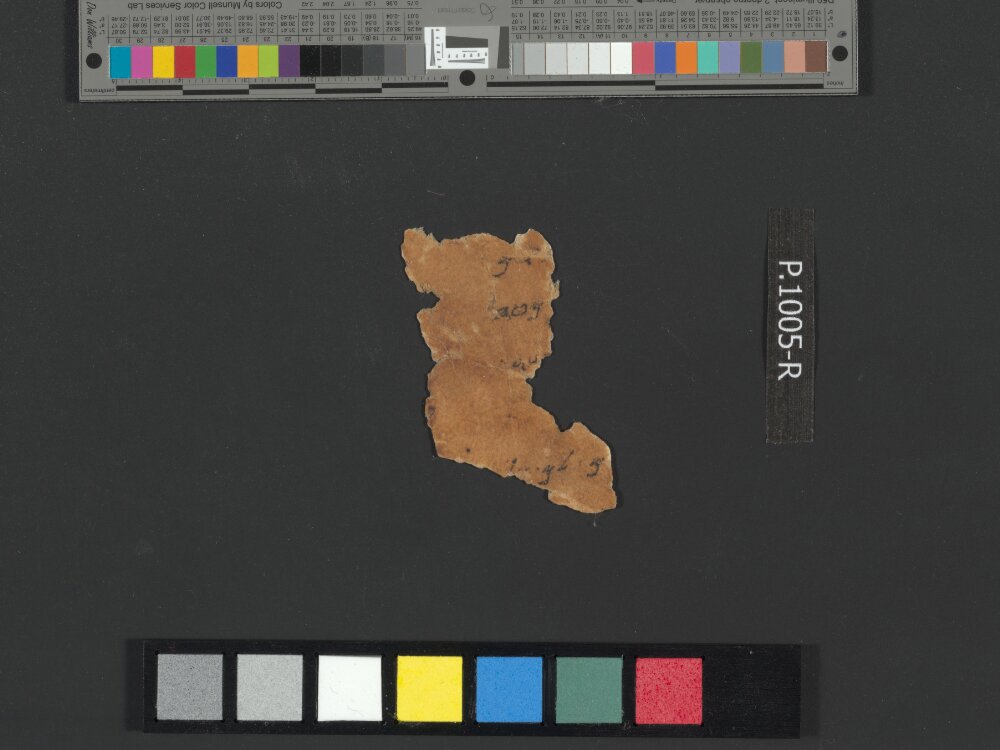
4QpaleoExodus m (Scan 4)
Written in the ancient Paleo-Hebrew script, this significant scroll from Qumran Cave 4 is one of the longest and best-preserved early copies of the Book of Exodus. Dating to the late Hasmonean period, it provides a valuable window into how the Torah was copied and preserved during the Second Temple era.
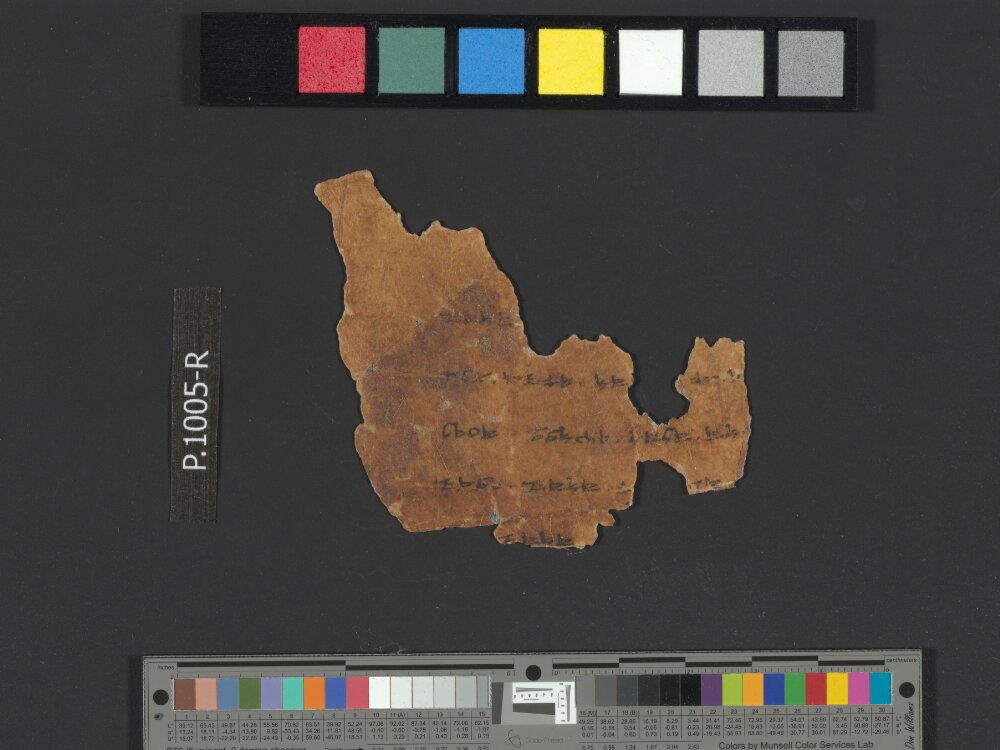
4QpaleoExodus m (Scan 5)
Written in the ancient Paleo-Hebrew script, this significant scroll from Qumran Cave 4 is one of the longest and best-preserved early copies of the Book of Exodus. Dating to the late Hasmonean period, it provides a valuable window into how the Torah was copied and preserved during the Second Temple era.
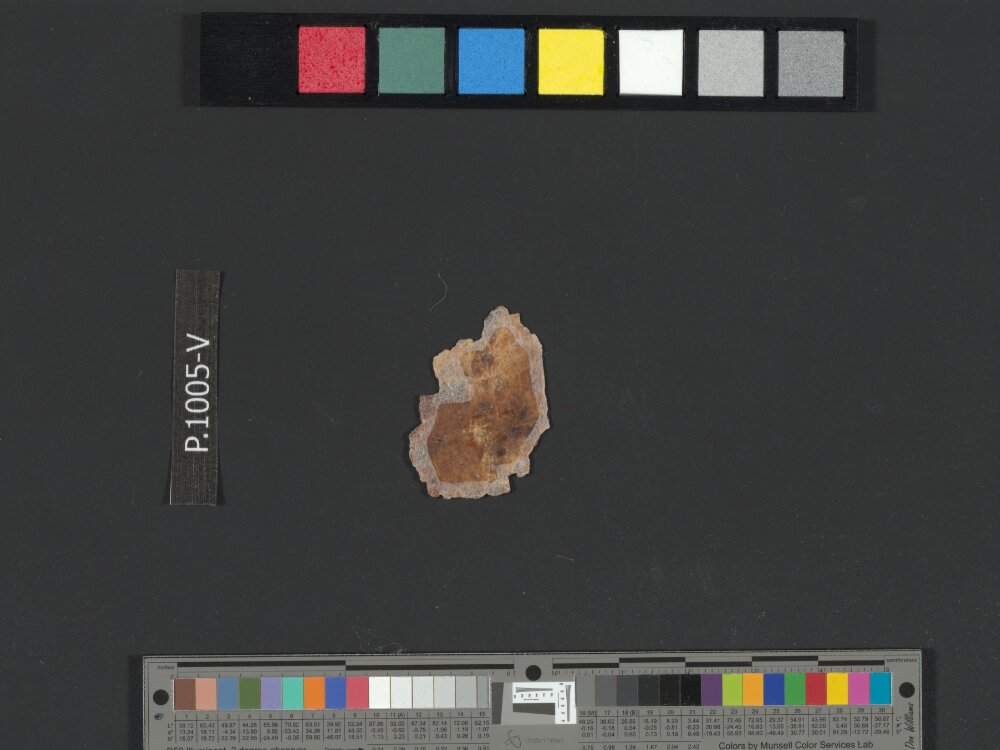
4QpaleoExodus m (Scan 6)
Written in the ancient Paleo-Hebrew script, this significant scroll from Qumran Cave 4 is one of the longest and best-preserved early copies of the Book of Exodus. Dating to the late Hasmonean period, it provides a valuable window into how the Torah was copied and preserved during the Second Temple era.
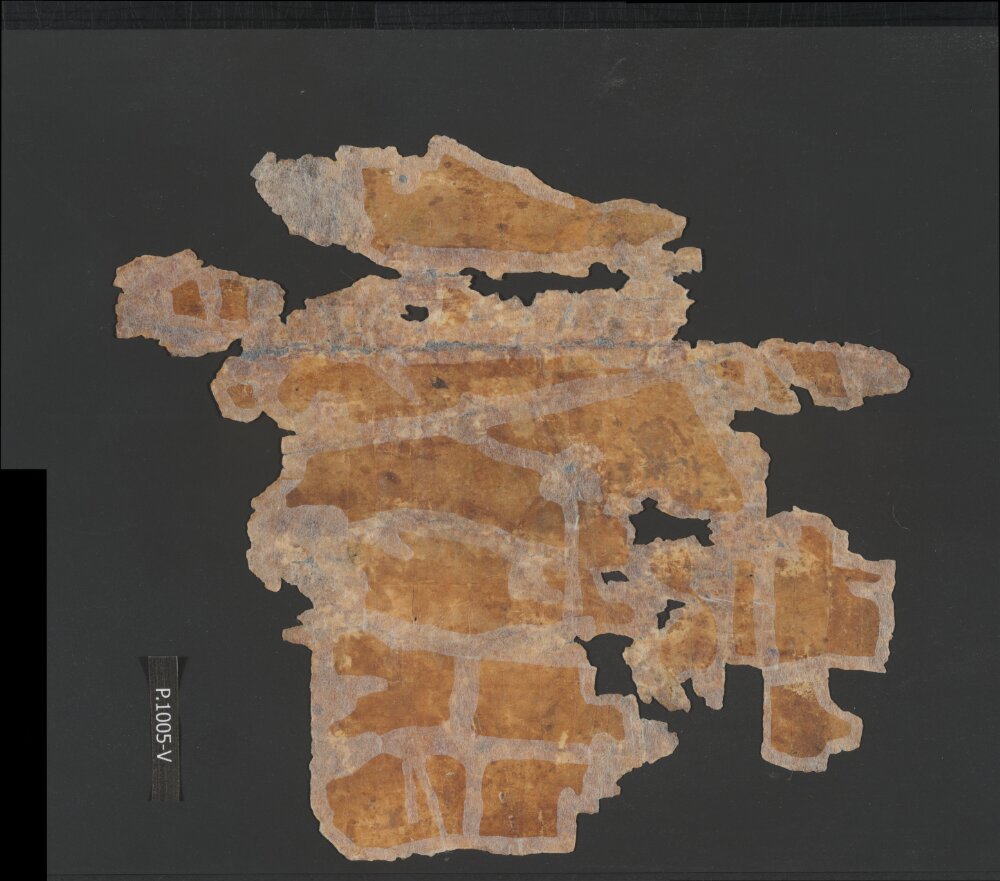
4QpaleoExodus m (Scan 7)
Written in the ancient Paleo-Hebrew script, this significant scroll from Qumran Cave 4 is one of the longest and best-preserved early copies of the Book of Exodus. Dating to the late Hasmonean period, it provides a valuable window into how the Torah was copied and preserved during the Second Temple era.
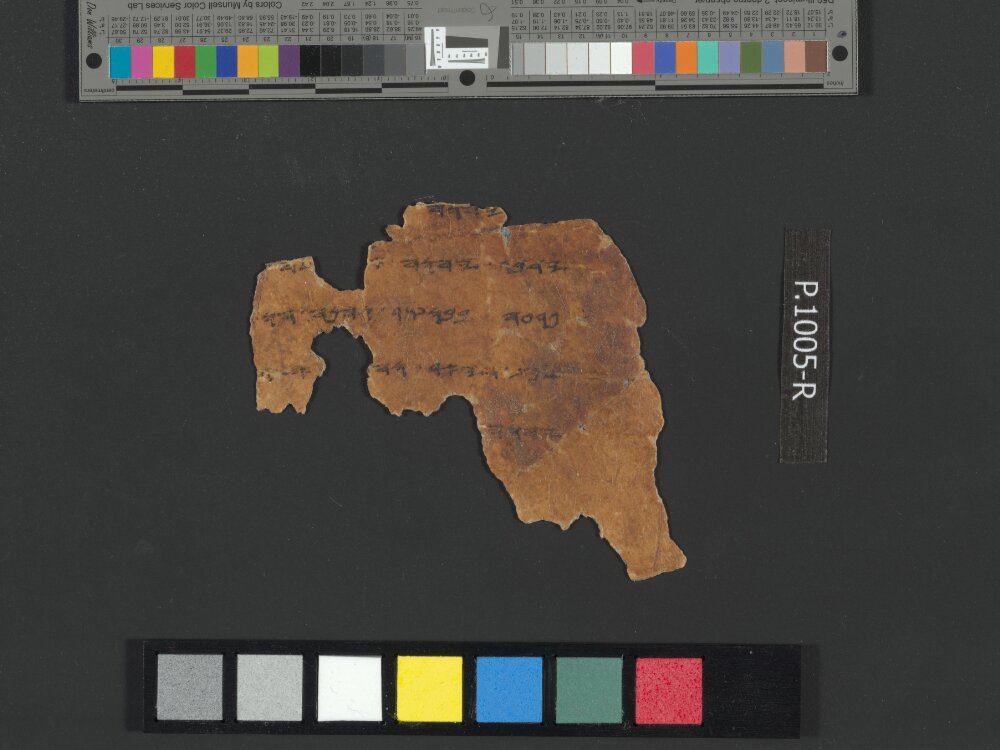
4QpaleoExodus m (Scan 8)
Written in the ancient Paleo-Hebrew script, this significant scroll from Qumran Cave 4 is one of the longest and best-preserved early copies of the Book of Exodus. Dating to the late Hasmonean period, it provides a valuable window into how the Torah was copied and preserved during the Second Temple era.
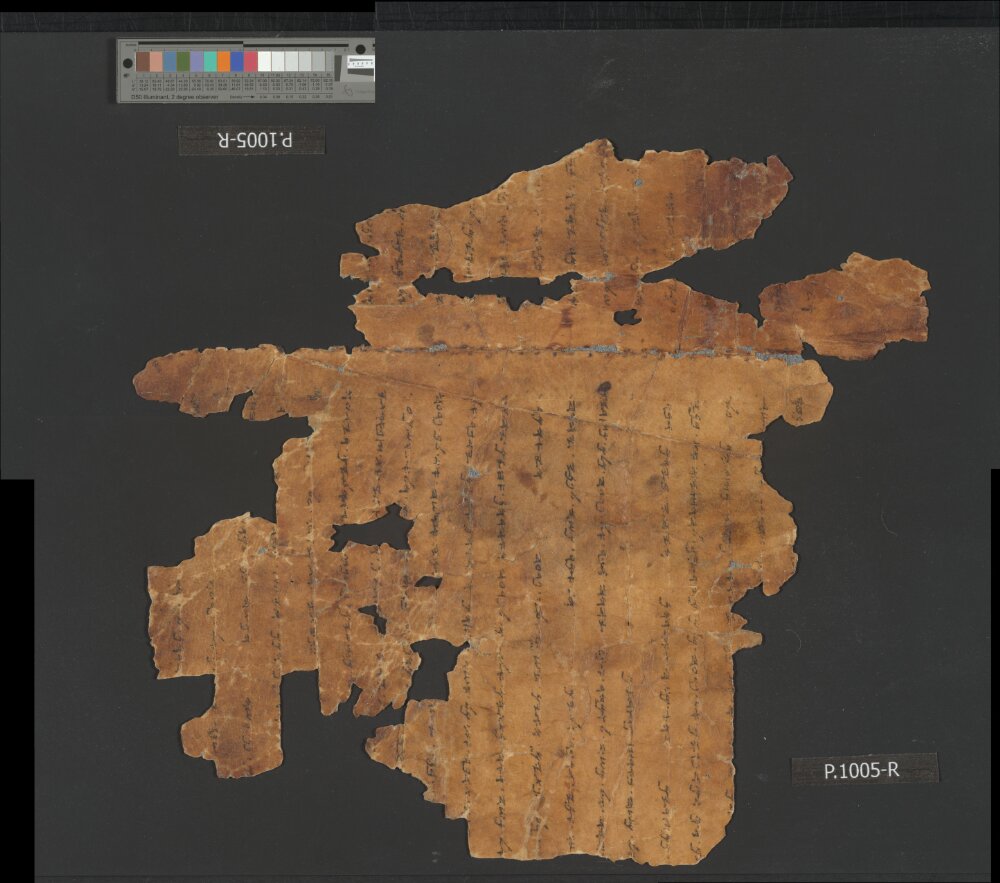
4QpaleoExodus m (Scan 9)
Written in the ancient Paleo-Hebrew script, this significant scroll from Qumran Cave 4 is one of the longest and best-preserved early copies of the Book of Exodus. Dating to the late Hasmonean period, it provides a valuable window into how the Torah was copied and preserved during the Second Temple era.
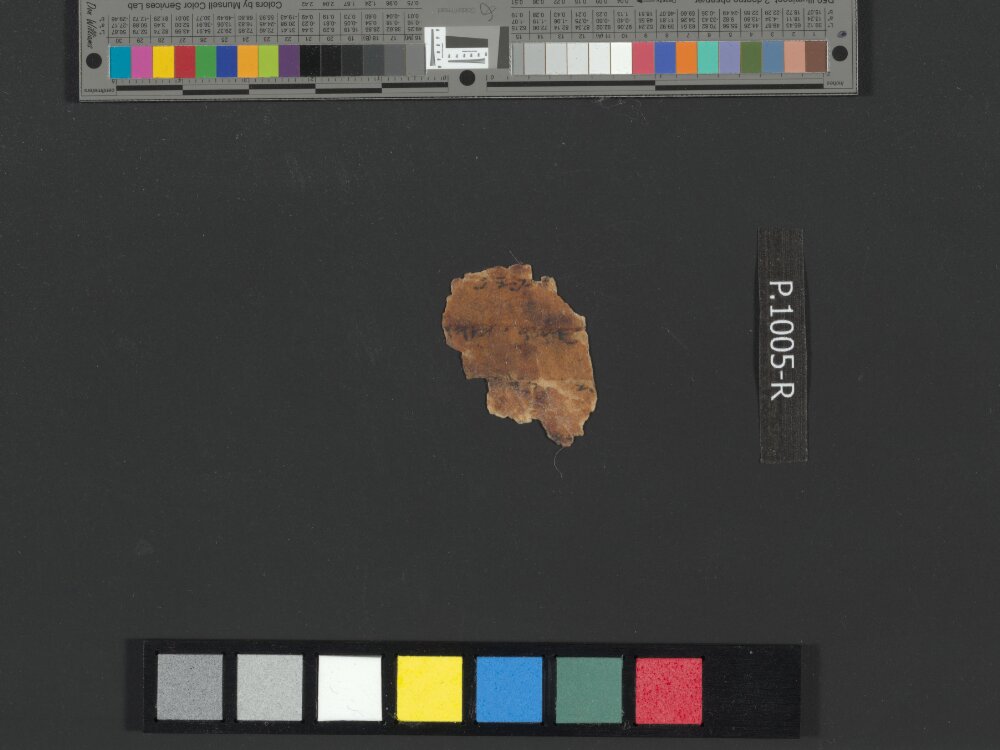
4QpaleoExodus m (Scan 10)
Written in the ancient Paleo-Hebrew script, this significant scroll from Qumran Cave 4 is one of the longest and best-preserved early copies of the Book of Exodus. Dating to the late Hasmonean period, it provides a valuable window into how the Torah was copied and preserved during the Second Temple era.
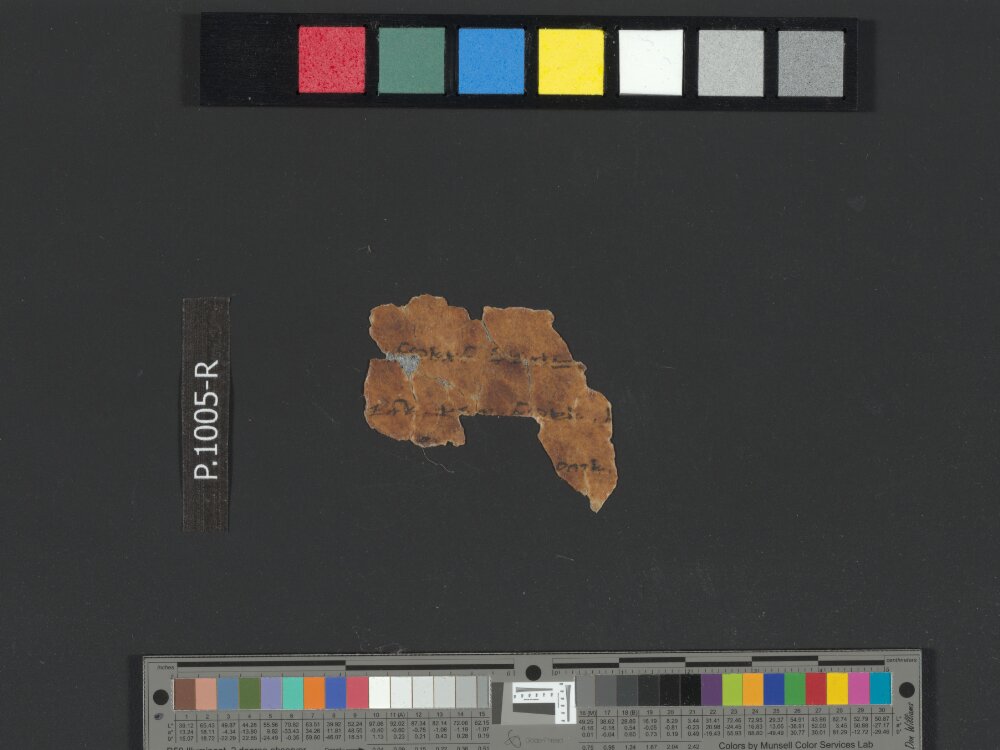
4QpaleoExodus m (Scan 11)
Written in the ancient Paleo-Hebrew script, this significant scroll from Qumran Cave 4 is one of the longest and best-preserved early copies of the Book of Exodus. Dating to the late Hasmonean period, it provides a valuable window into how the Torah was copied and preserved during the Second Temple era.
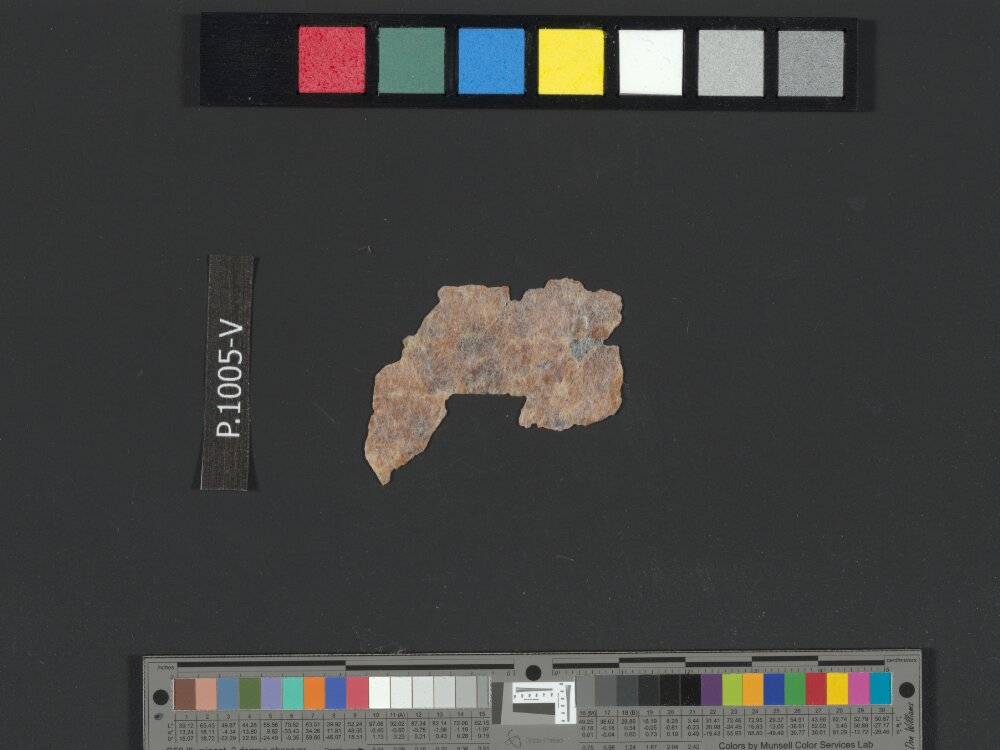
4QpaleoExodus m (Scan 12)
Written in the ancient Paleo-Hebrew script, this significant scroll from Qumran Cave 4 is one of the longest and best-preserved early copies of the Book of Exodus. Dating to the late Hasmonean period, it provides a valuable window into how the Torah was copied and preserved during the Second Temple era.
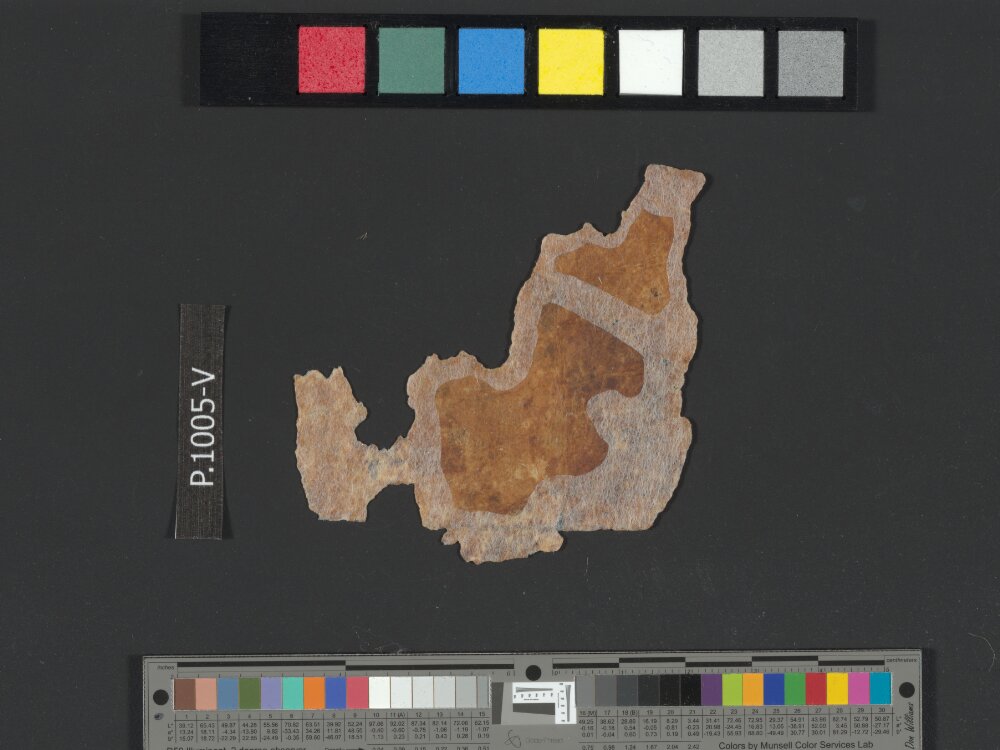
4QpaleoExodus m (Scan 13)
Written in the ancient Paleo-Hebrew script, this significant scroll from Qumran Cave 4 is one of the longest and best-preserved early copies of the Book of Exodus. Dating to the late Hasmonean period, it provides a valuable window into how the Torah was copied and preserved during the Second Temple era.
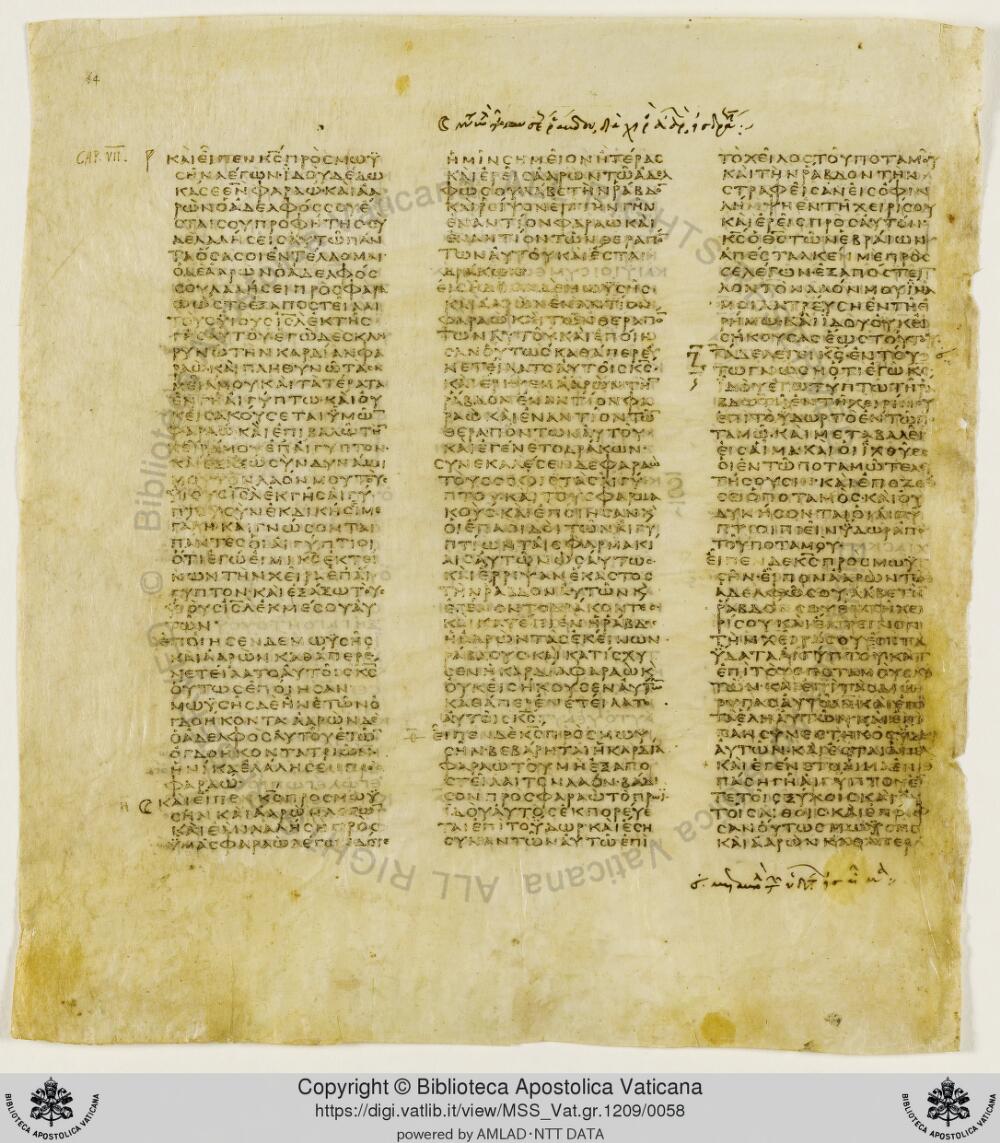
Codex Vaticanus
Codex Vaticanus is one of the oldest and most valuable surviving manuscripts of the complete Greek Bible. It has been securely housed in the Vatican Library since at least the late 15th century and is celebrated for its elegant script written on very high-quality vellum.
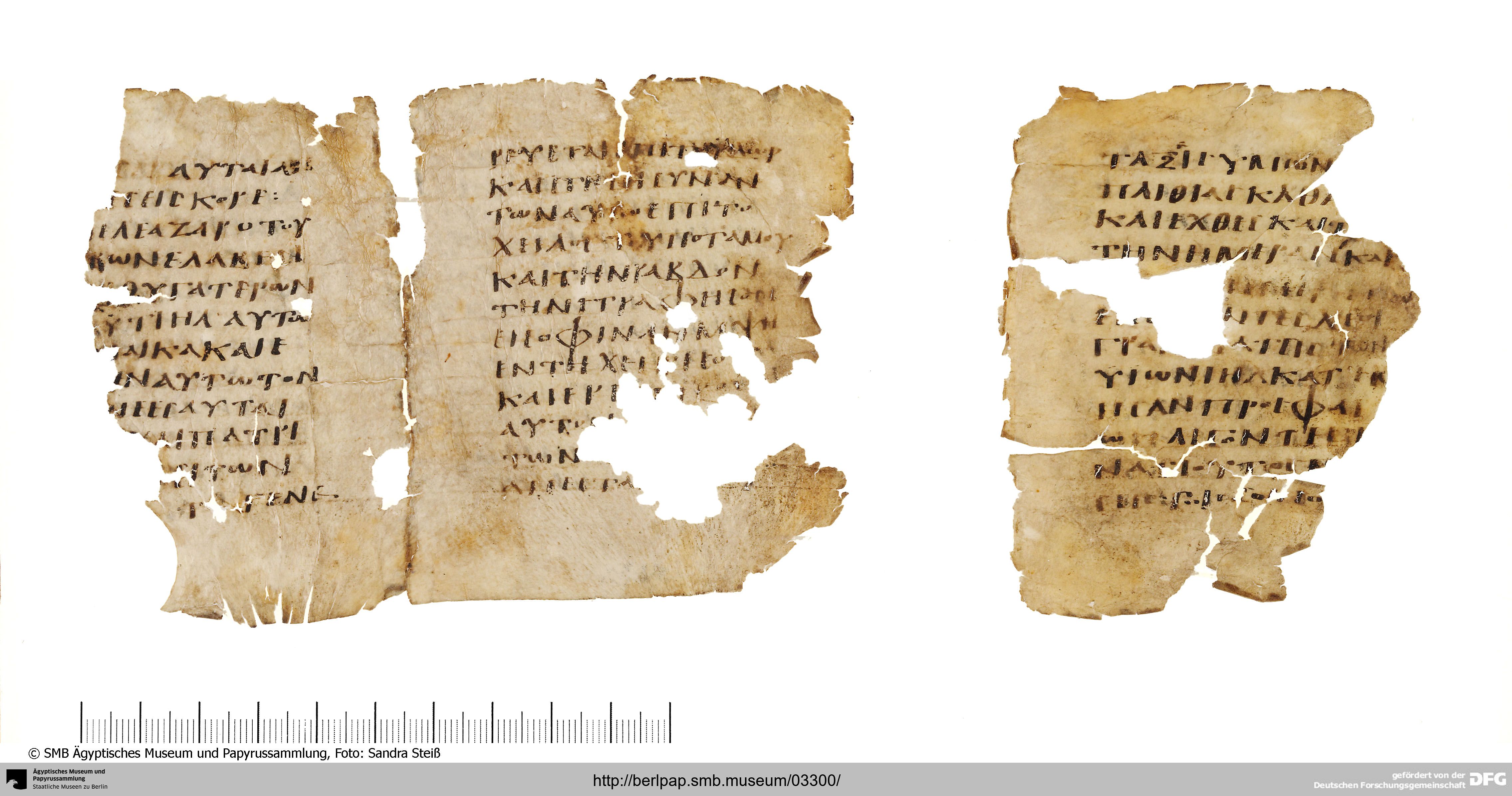
P.Berol. 11766 + 14046 (Scan 1)
This 4th-century parchment fragment preserves portions of the Book of Exodus in Greek. Housed in the Berlin Papyrus Collection, it is a remnant of an early miniature codex, demonstrating how highly portable, pocket-sized copies of the Scriptures were created and used by early Christians. Despite being made of animal hide (parchment), it is curated alongside Berlin's famous papyrus discoveries.
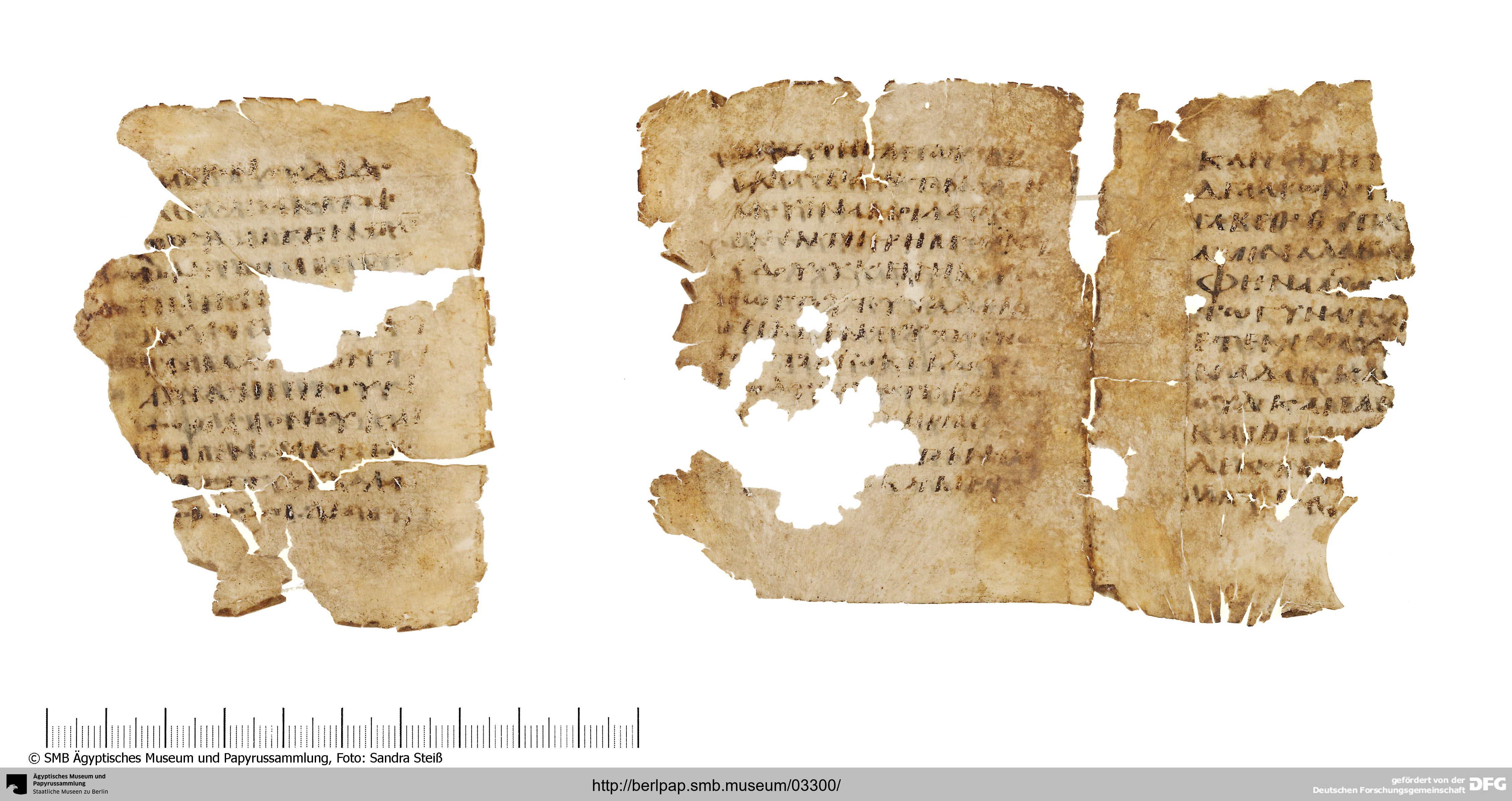
P.Berol. 11766 + 14046 (Scan 2)
This 4th-century parchment fragment preserves portions of the Book of Exodus in Greek. Housed in the Berlin Papyrus Collection, it is a remnant of an early miniature codex, demonstrating how highly portable, pocket-sized copies of the Scriptures were created and used by early Christians. Despite being made of animal hide (parchment), it is curated alongside Berlin's famous papyrus discoveries.
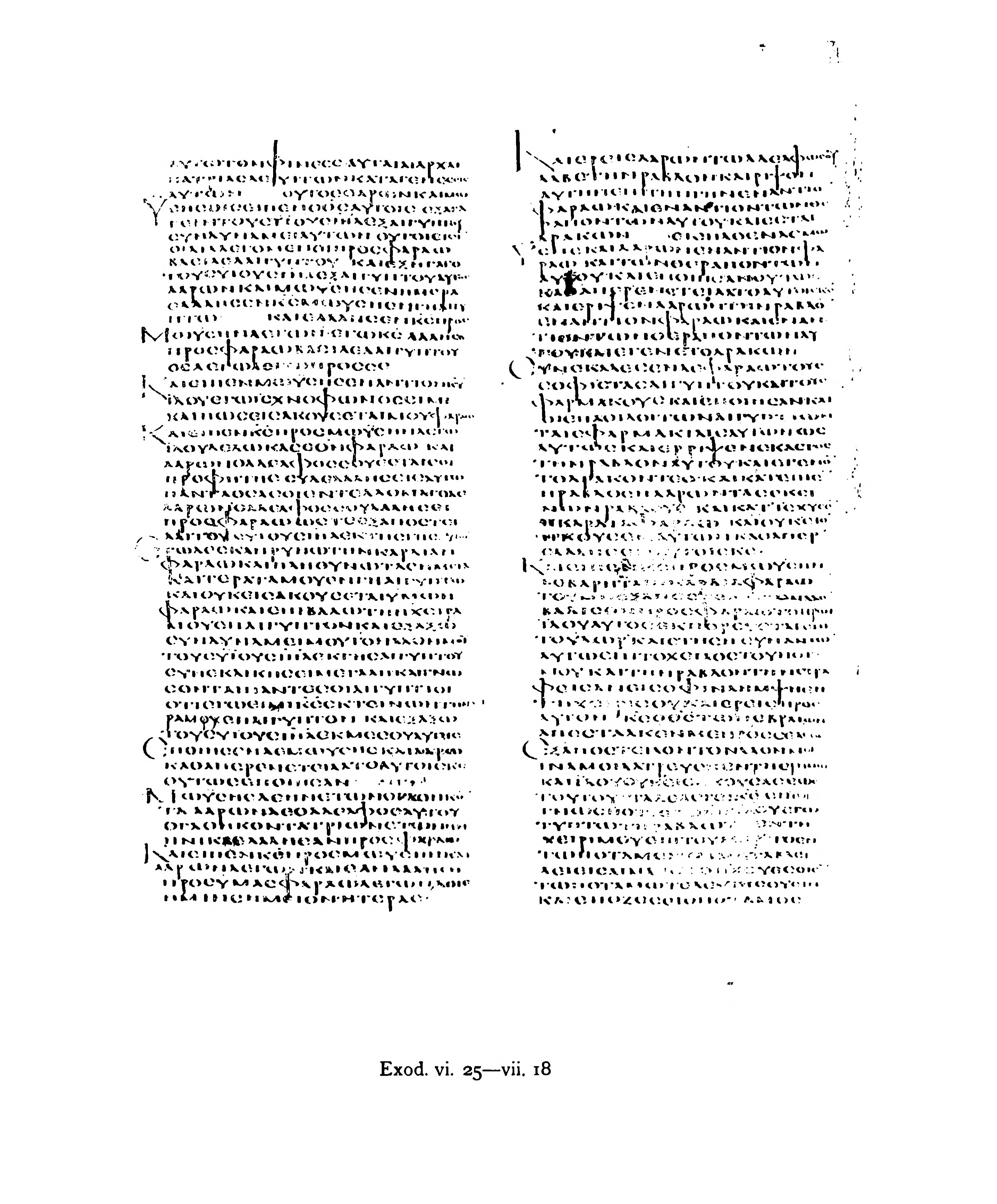
Codex Alexandrinus
Codex Alexandrinus is one of the four great uncial codices of the Greek Bible. It contains the vast majority of the Septuagint and New Testament, and was the first of the great uncials to become accessible to modern scholars.