
Genesis 1:2
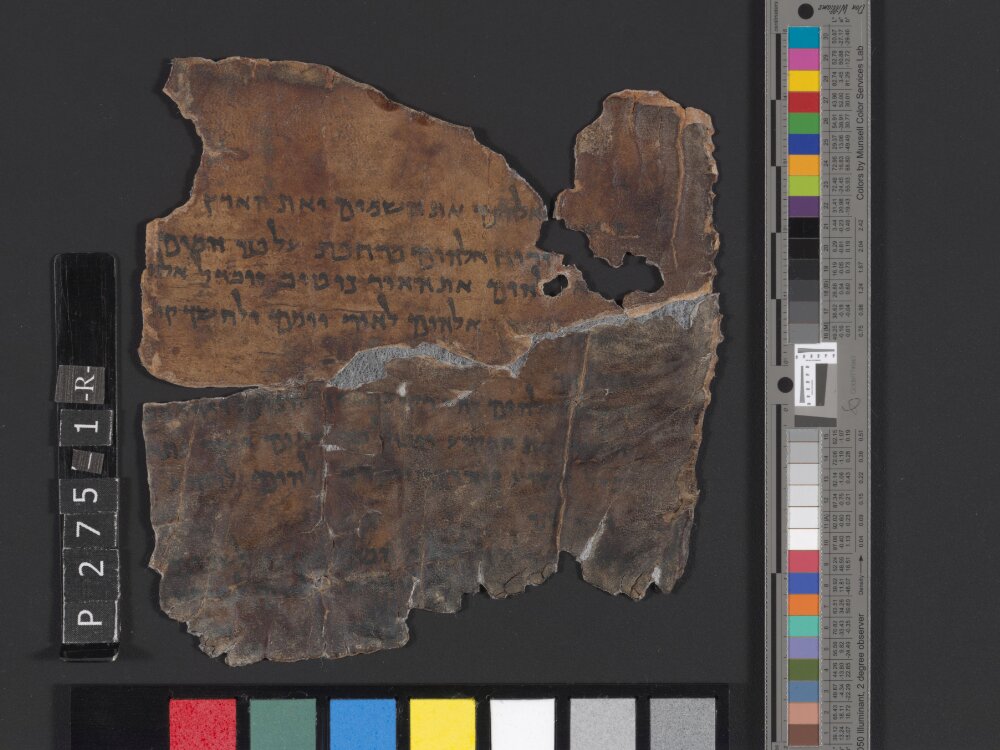
4QGenesis g
An ancient Hebrew scroll from the Hasmonean period containing one of the earliest physically surviving copies of the Genesis creation narrative. The manuscript preserves unique spacing and paragraph divisions that offer insight into the scribal techniques used to format the days of creation in antiquity.
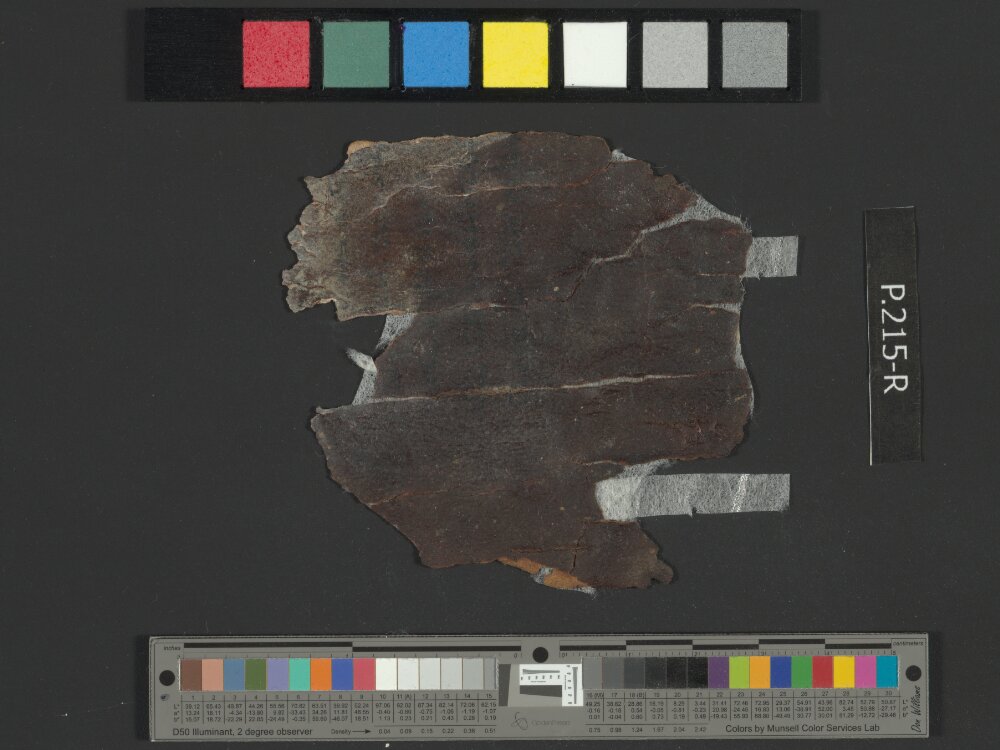
4QGenesis b
This manuscript contains one of the earliest surviving copies of the biblical creation account from the first chapter of Genesis. Written on parchment of a distinctively lower quality than most other Qumran scrolls, it has been an object of interest for studying the diversity of manuscript production materials in antiquity.
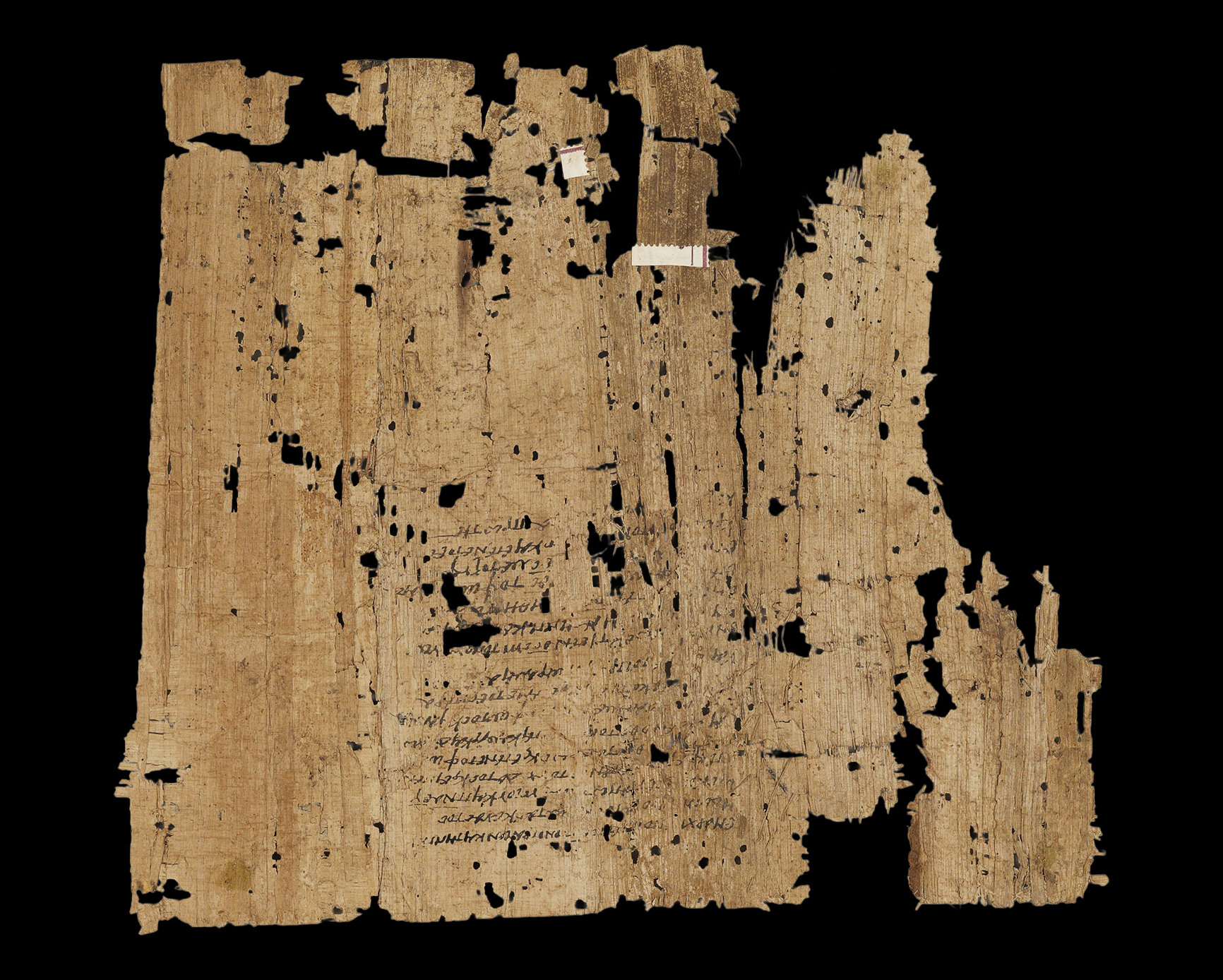
Papyrus Amherst Gr. 1.3c
An ancient papyrus fragment dating to the 3rd century AD that preserves the opening verses of Genesis in Greek. Interestingly, the biblical text was written informally for private use on the back (verso) of a repurposed Christian letter sent from Rome to Egypt, offering a fascinating glimpse into early Christian scribal practices and daily life.
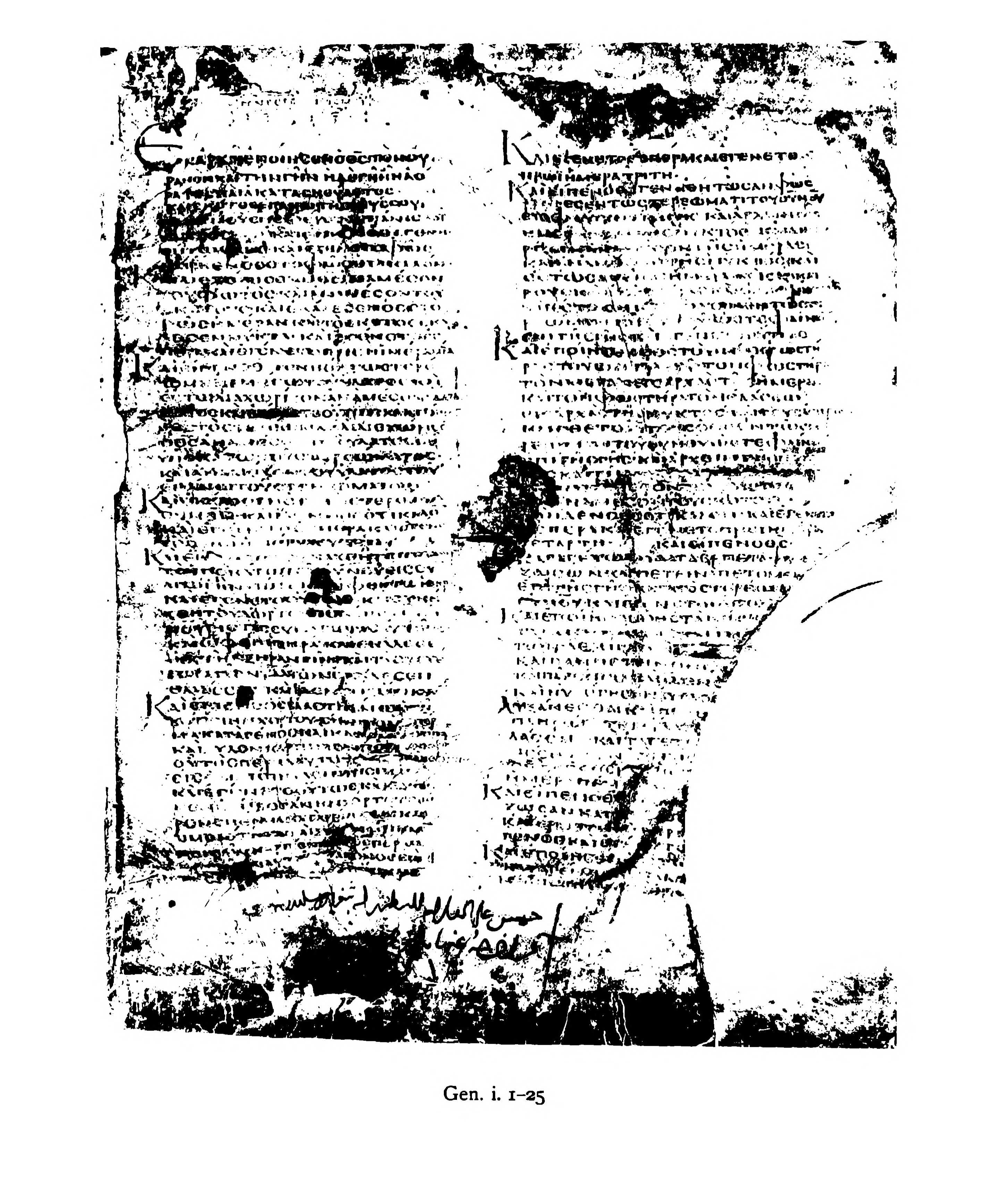
Codex Alexandrinus
Codex Alexandrinus is one of the four great uncial codices of the Greek Bible. It contains the vast majority of the Septuagint and New Testament, and was the first of the great uncials to become accessible to modern scholars.