
Genesis 26:24
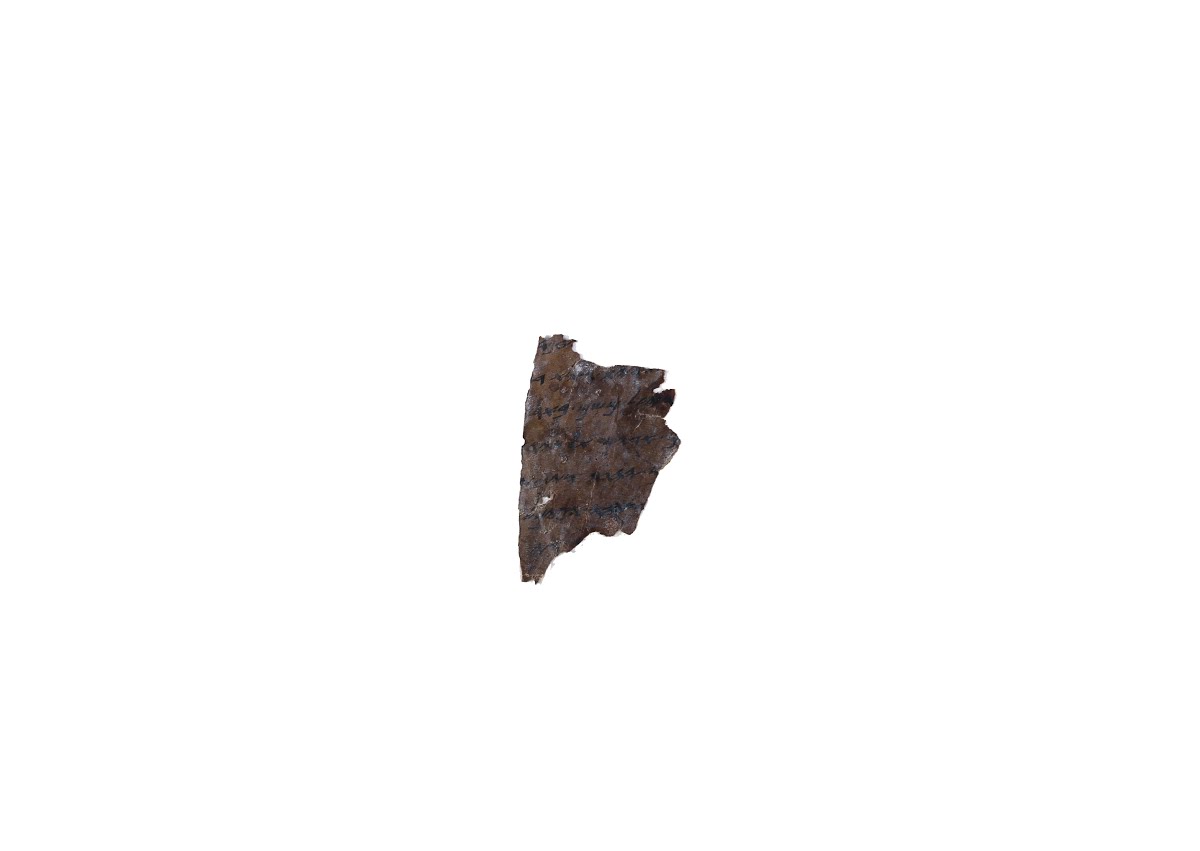
4QpaleoGen m (Scan 1)
A fragmentary scroll written in the ancient Paleo-Hebrew script, containing one of the earliest surviving copies of the Book of Genesis. Discovered in Cave 4 at Qumran, it preserves portions of Isaac's narrative at Beersheba and helps scholars study the historical development of early biblical writing.
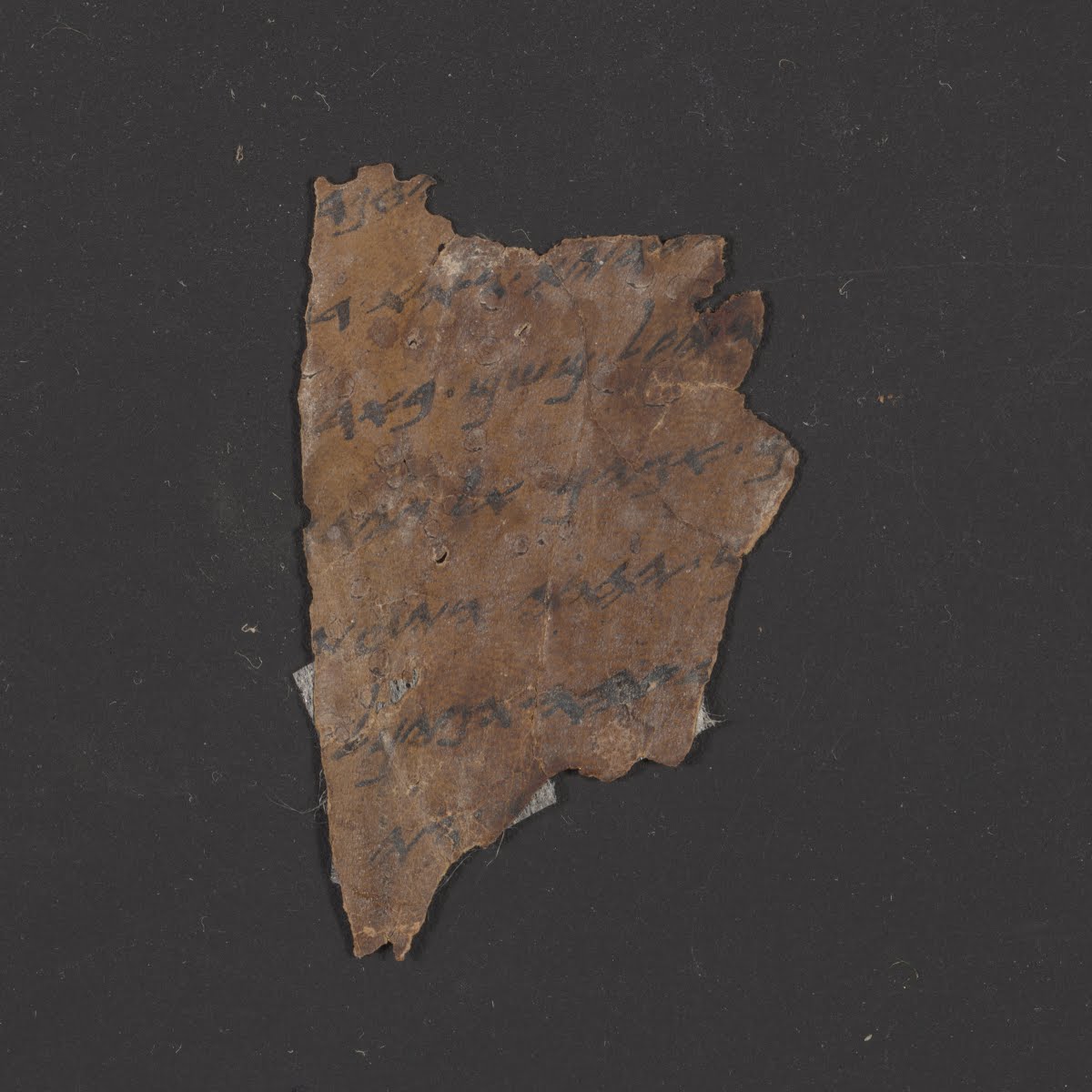
4QpaleoGen m (Scan 2)
A fragmentary scroll written in the ancient Paleo-Hebrew script, containing one of the earliest surviving copies of the Book of Genesis. Discovered in Cave 4 at Qumran, it preserves portions of Isaac's narrative at Beersheba and helps scholars study the historical development of early biblical writing.
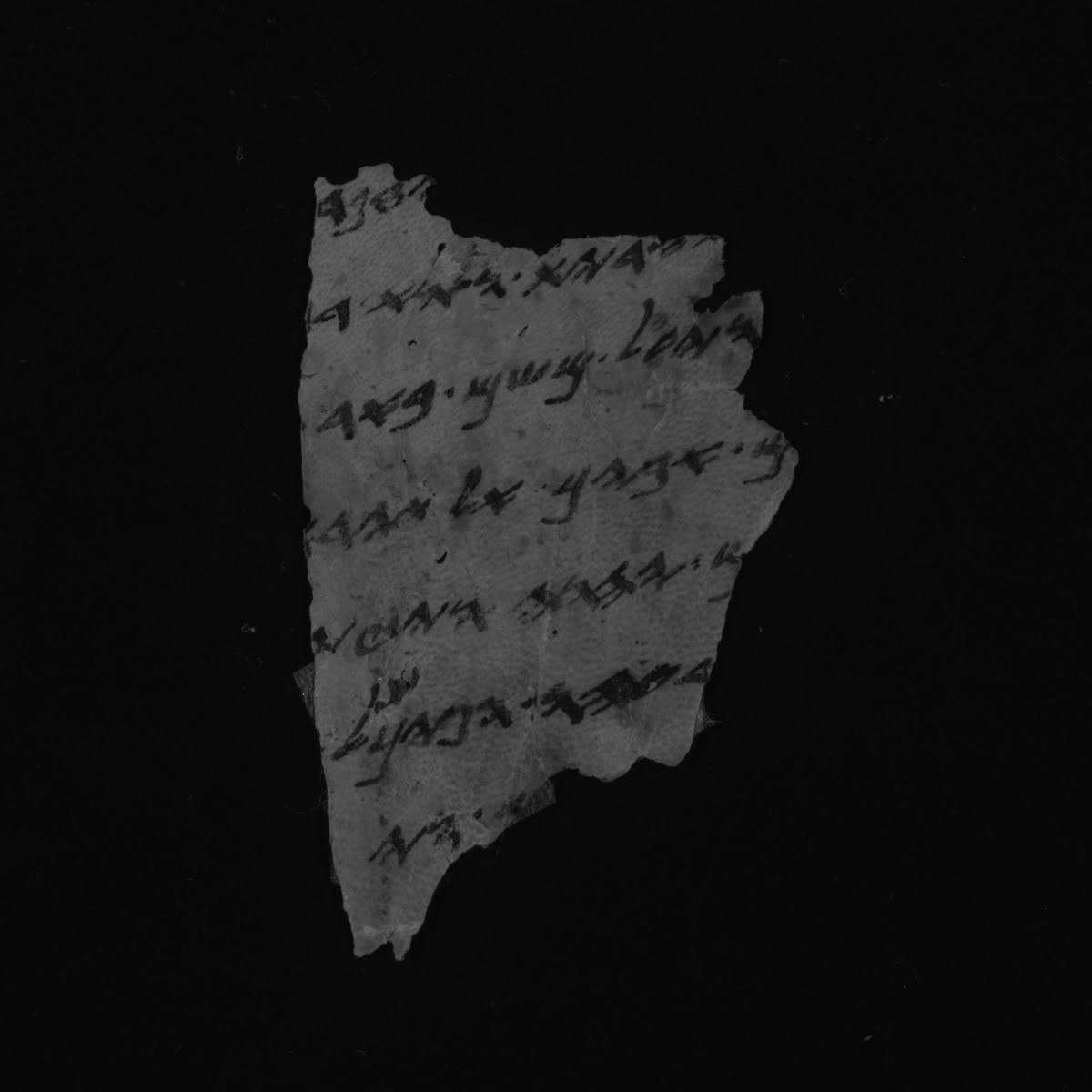
4QpaleoGen m (Scan 3)
A fragmentary scroll written in the ancient Paleo-Hebrew script, containing one of the earliest surviving copies of the Book of Genesis. Discovered in Cave 4 at Qumran, it preserves portions of Isaac's narrative at Beersheba and helps scholars study the historical development of early biblical writing.
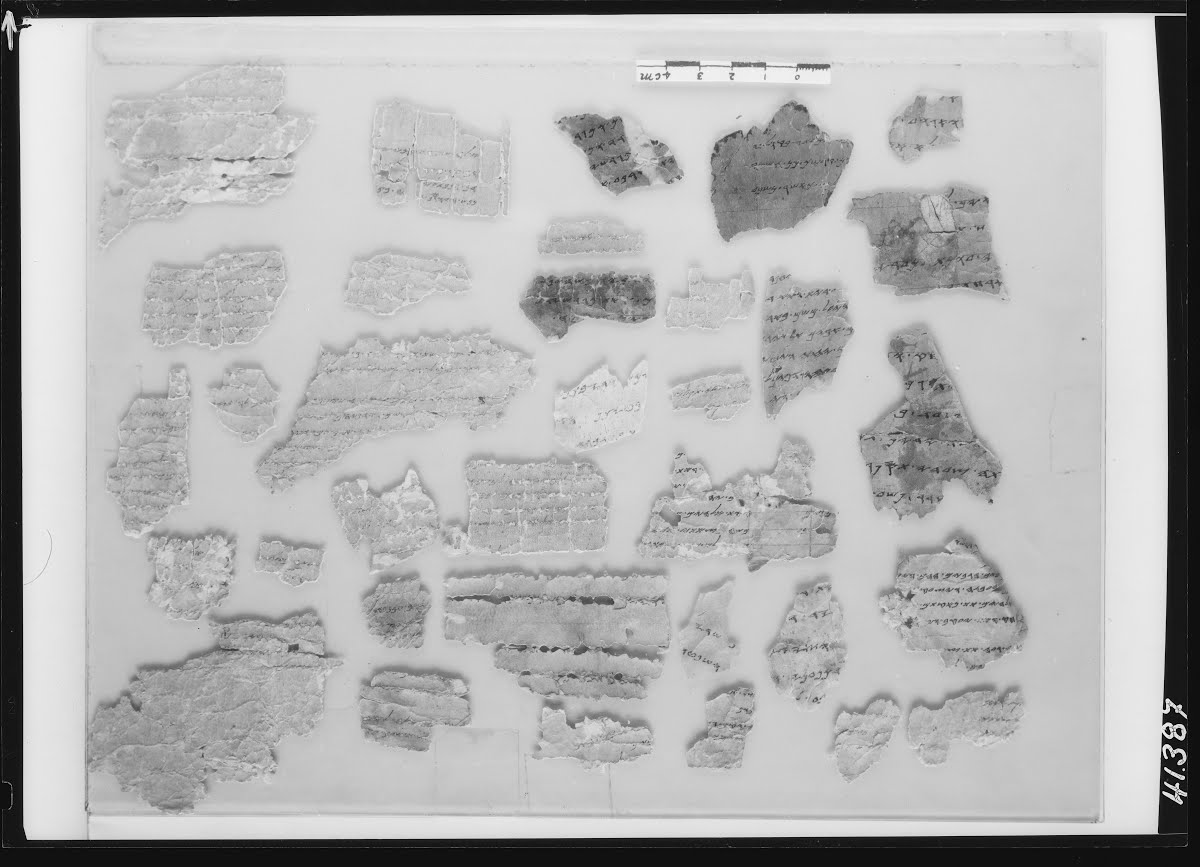
4QpaleoGen m (Scan 4)
A fragmentary scroll written in the ancient Paleo-Hebrew script, containing one of the earliest surviving copies of the Book of Genesis. Discovered in Cave 4 at Qumran, it preserves portions of Isaac's narrative at Beersheba and helps scholars study the historical development of early biblical writing.
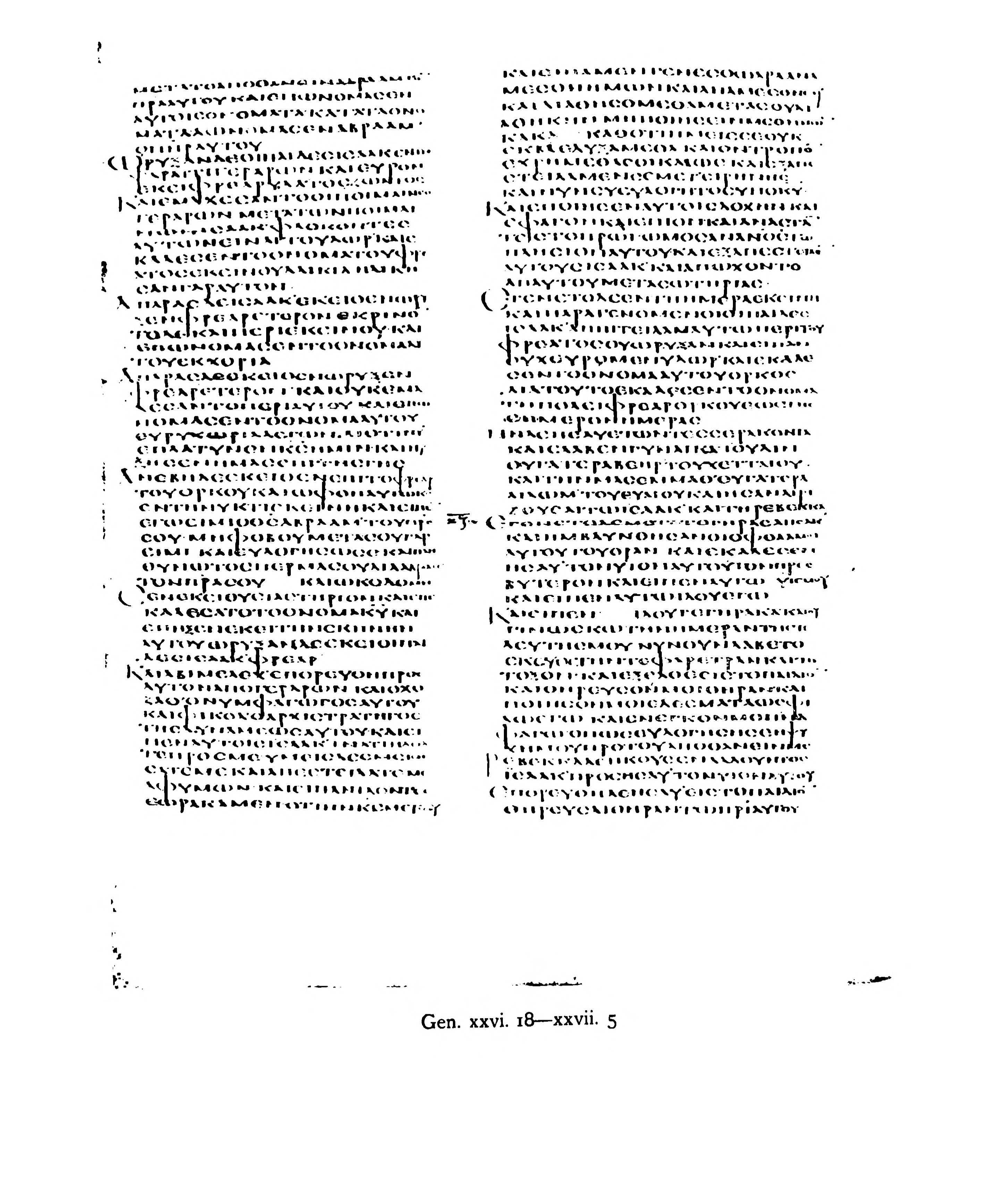
Codex Alexandrinus
Codex Alexandrinus is one of the four great uncial codices of the Greek Bible. It contains the vast majority of the Septuagint and New Testament, and was the first of the great uncials to become accessible to modern scholars.