
Genesis 41:8
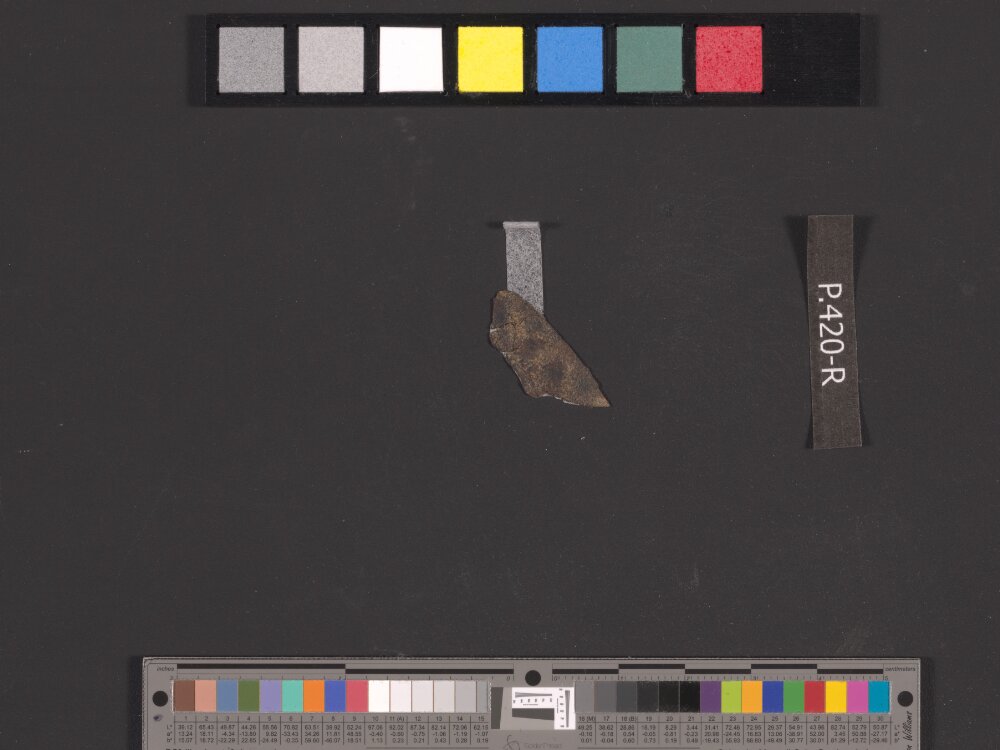
4QGenesis e (Scan 1)
A Hebrew manuscript of the Book of Genesis discovered in Cave 4 at Qumran, written in an early Herodian script. It contains some of the oldest surviving fragments of the chapters detailing the story of Joseph and the blessings of Jacob's sons.
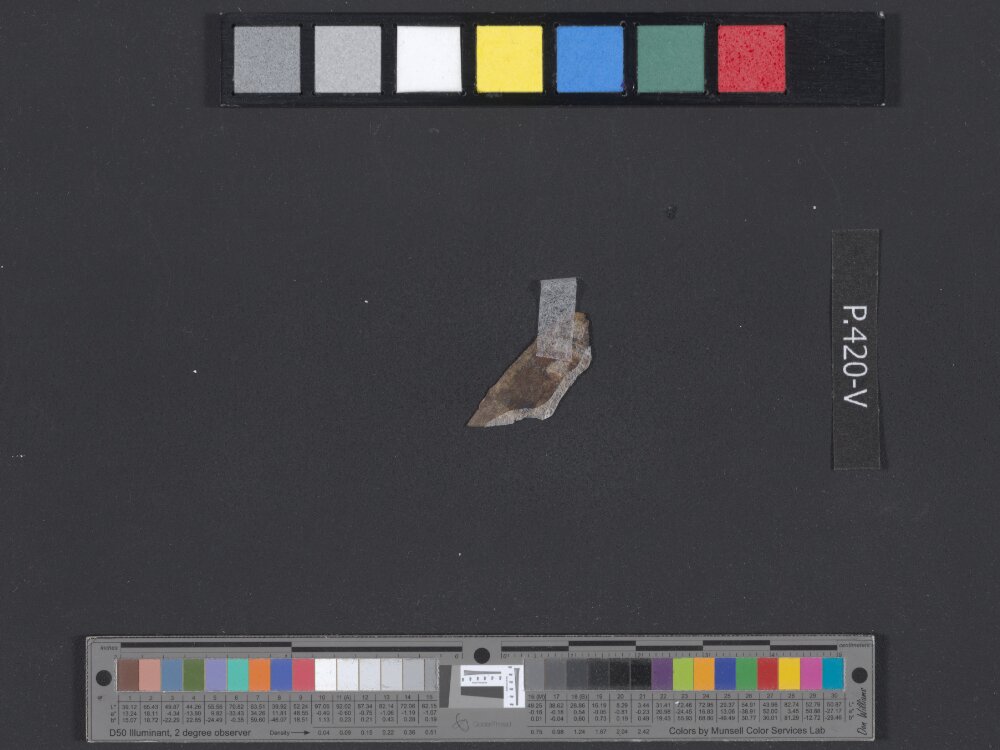
4QGenesis e (Scan 2)
A Hebrew manuscript of the Book of Genesis discovered in Cave 4 at Qumran, written in an early Herodian script. It contains some of the oldest surviving fragments of the chapters detailing the story of Joseph and the blessings of Jacob's sons.
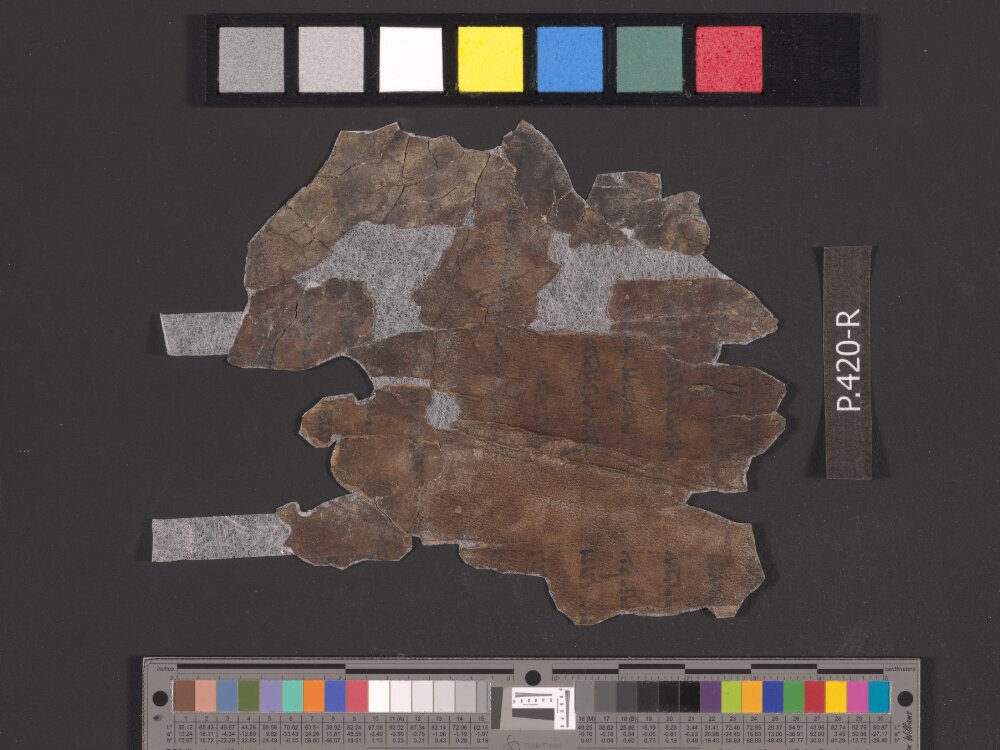
4QGenesis e (Scan 3)
A Hebrew manuscript of the Book of Genesis discovered in Cave 4 at Qumran, written in an early Herodian script. It contains some of the oldest surviving fragments of the chapters detailing the story of Joseph and the blessings of Jacob's sons.
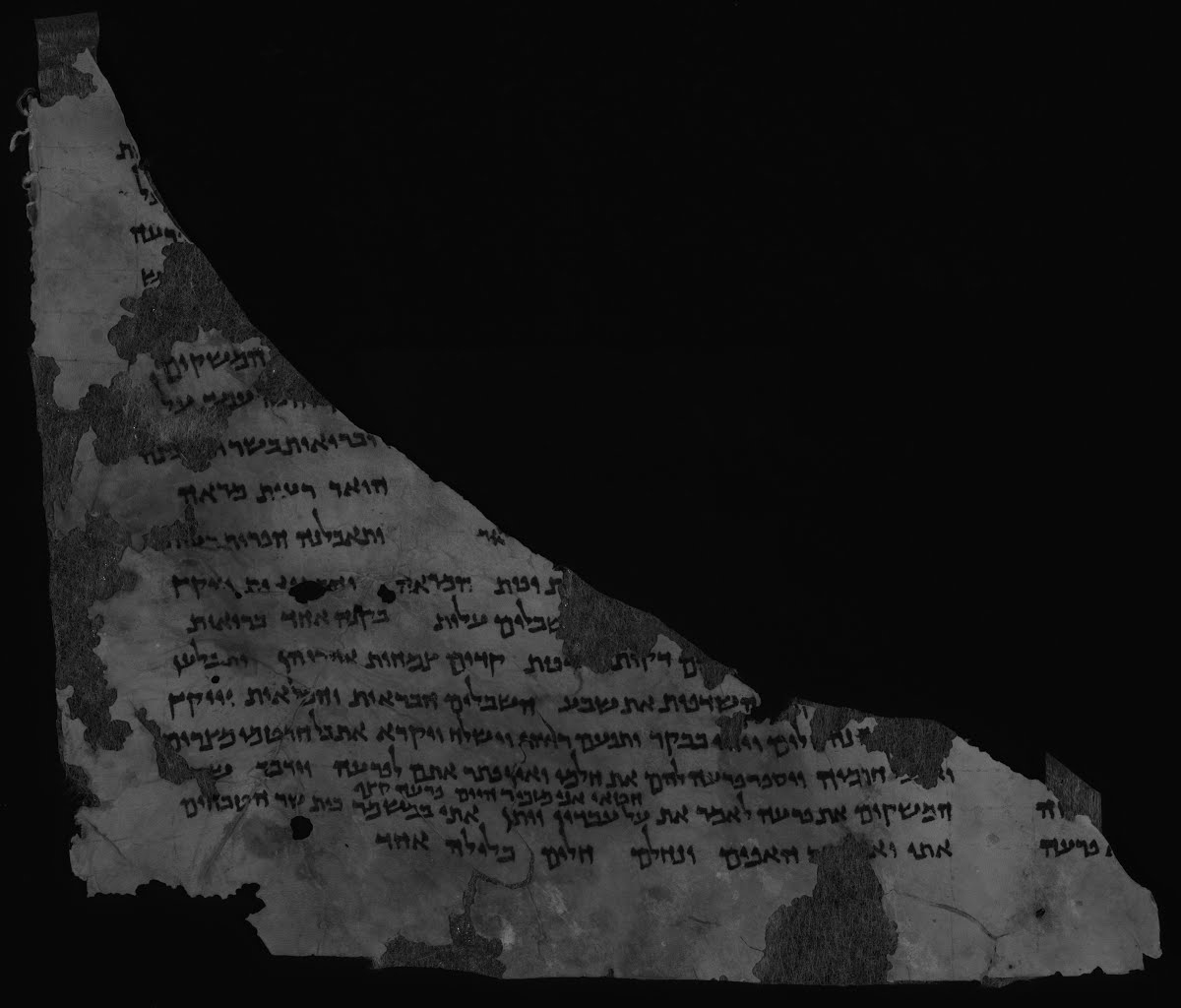
4QGenesis c (Scan 1)
A Herodian-period copy of the Book of Genesis written in Hebrew on parchment, containing fragments from chapters 40 and 41, which detail Joseph interpreting the dreams of Pharaoh's cupbearer and baker.
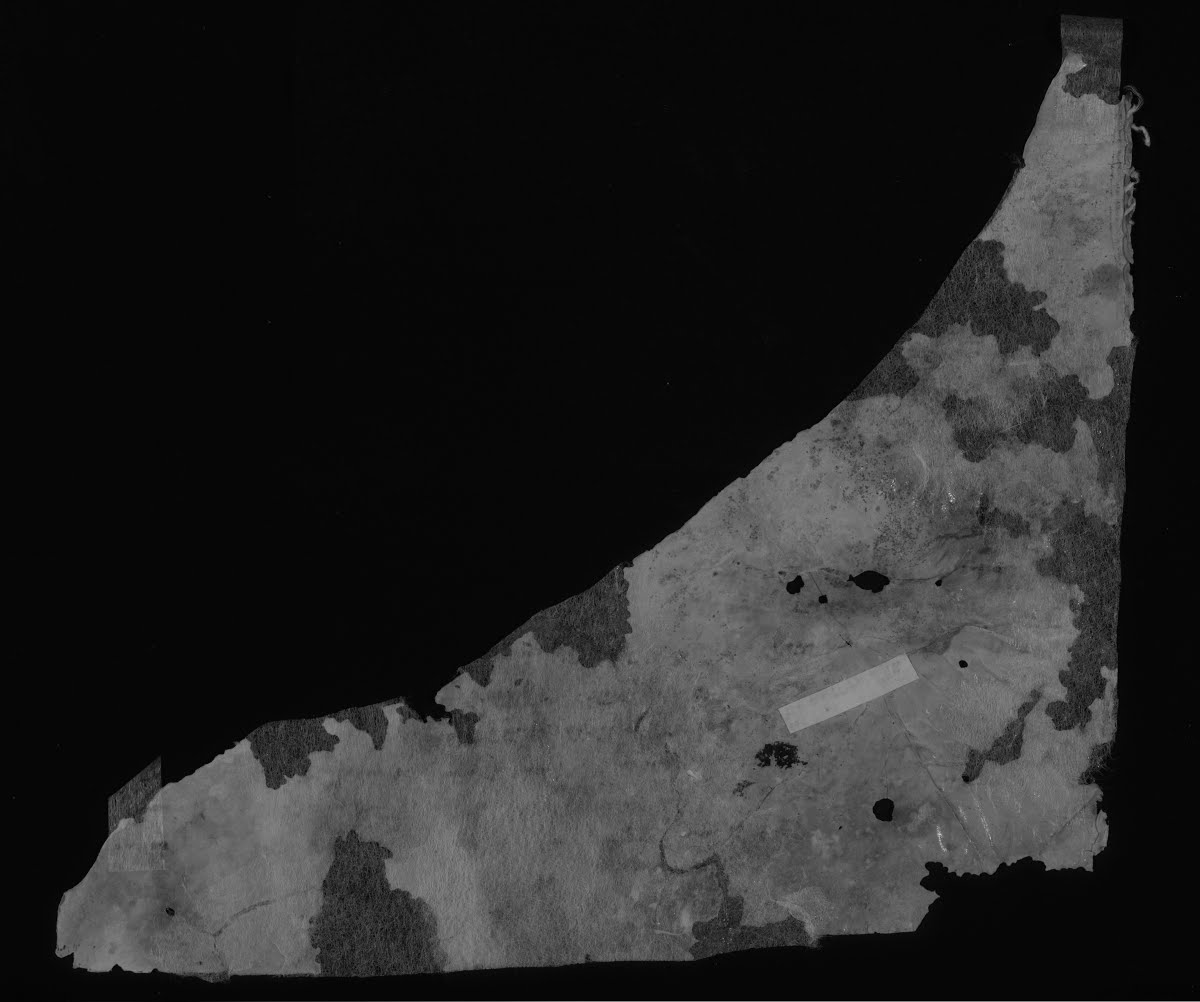
4QGenesis c (Scan 2)
A Herodian-period copy of the Book of Genesis written in Hebrew on parchment, containing fragments from chapters 40 and 41, which detail Joseph interpreting the dreams of Pharaoh's cupbearer and baker.
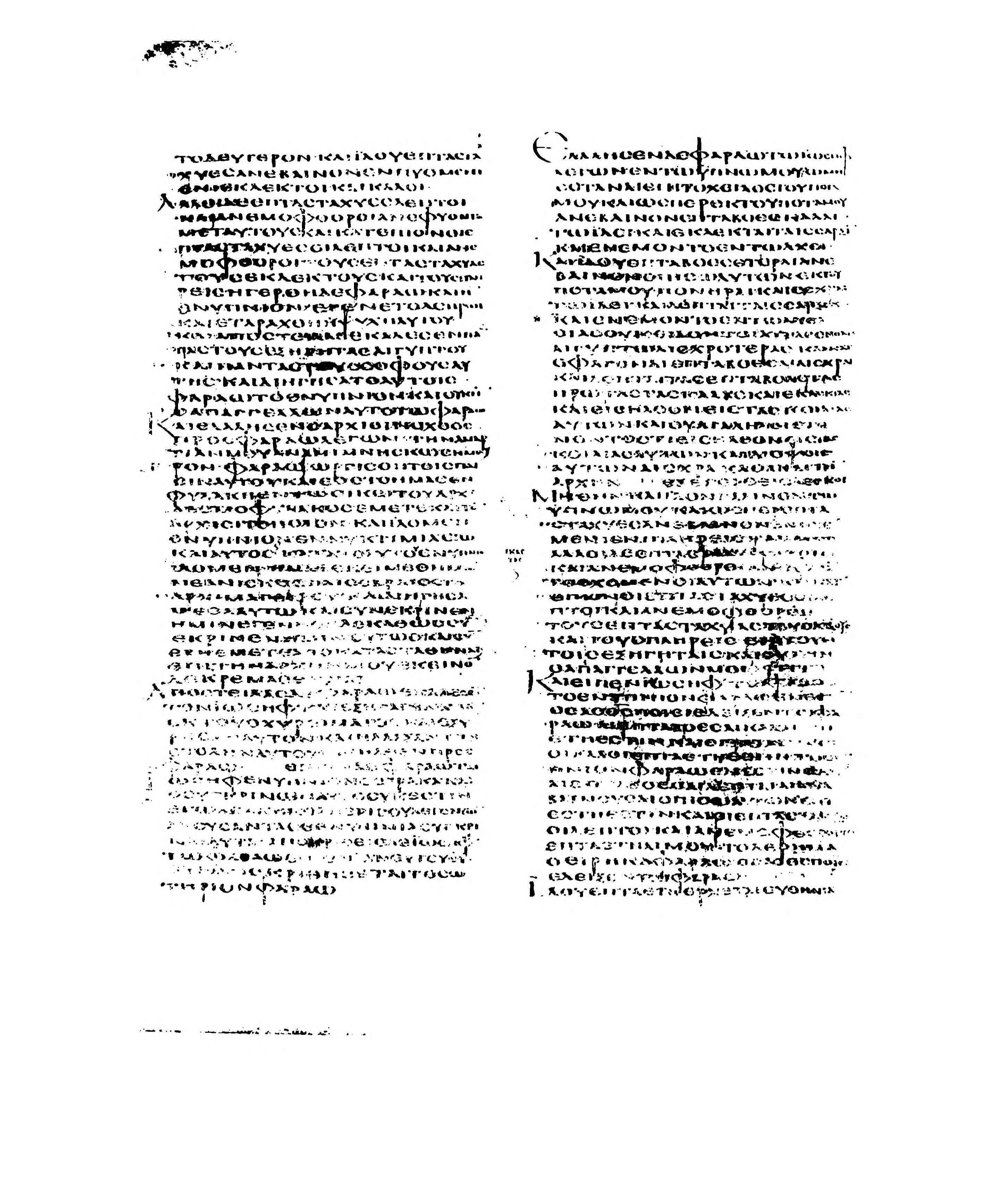
Codex Alexandrinus
Codex Alexandrinus is one of the four great uncial codices of the Greek Bible. It contains the vast majority of the Septuagint and New Testament, and was the first of the great uncials to become accessible to modern scholars.