
Genesis 6:16
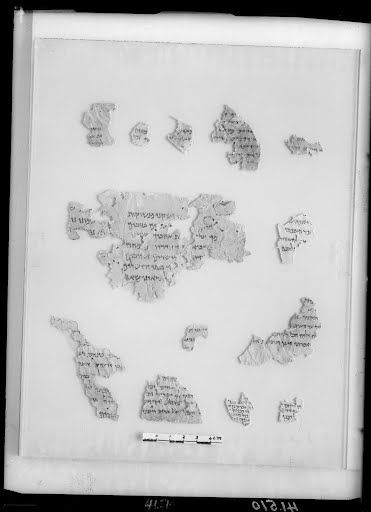
6Q1 (6QpaleoGenesis) (Scan 1)
Discovered in Qumran Cave 6, this manuscript contains a portion of the Genesis flood narrative, specifically God's instructions to Noah. It is notable for being written in the ancient Paleo-Hebrew script, a script style used before the more common square Hebrew alphabet became standard. Dating back to the Early Hellenistic period (around 250–150 BC), it is a fascinating example of early biblical preservation.
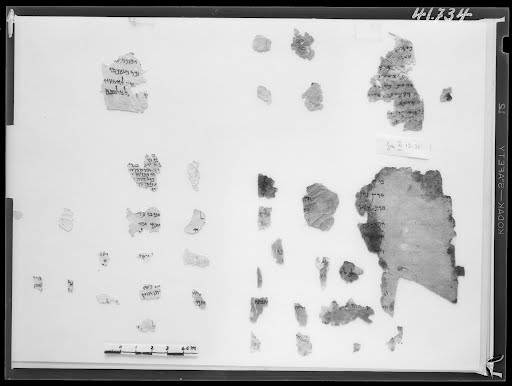
6Q1 (6QpaleoGenesis) (Scan 2)
Discovered in Qumran Cave 6, this manuscript contains a portion of the Genesis flood narrative, specifically God's instructions to Noah. It is notable for being written in the ancient Paleo-Hebrew script, a script style used before the more common square Hebrew alphabet became standard. Dating back to the Early Hellenistic period (around 250–150 BC), it is a fascinating example of early biblical preservation.
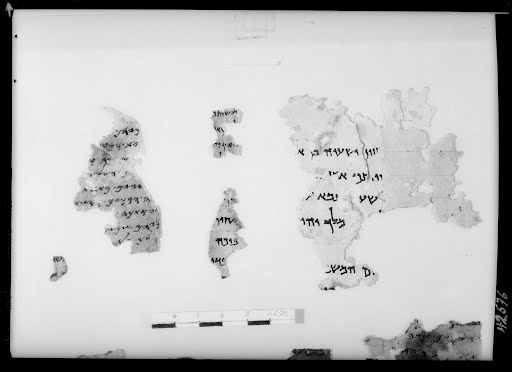
6Q1 (6QpaleoGenesis) (Scan 3)
Discovered in Qumran Cave 6, this manuscript contains a portion of the Genesis flood narrative, specifically God's instructions to Noah. It is notable for being written in the ancient Paleo-Hebrew script, a script style used before the more common square Hebrew alphabet became standard. Dating back to the Early Hellenistic period (around 250–150 BC), it is a fascinating example of early biblical preservation.
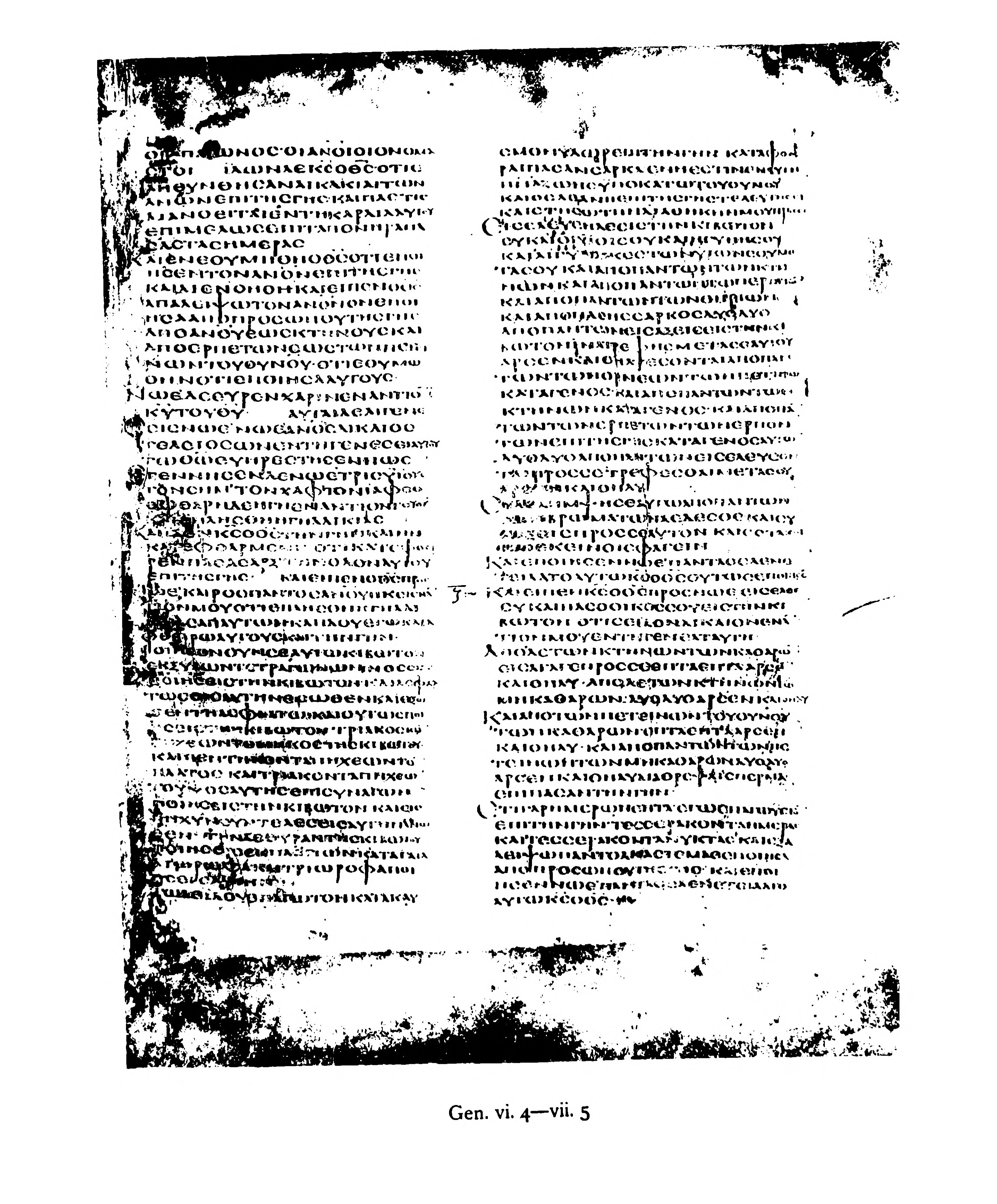
Codex Alexandrinus (Scan 1)
Codex Alexandrinus is one of the four great uncial codices of the Greek Bible. It contains the vast majority of the Septuagint and New Testament, and was the first of the great uncials to become accessible to modern scholars.
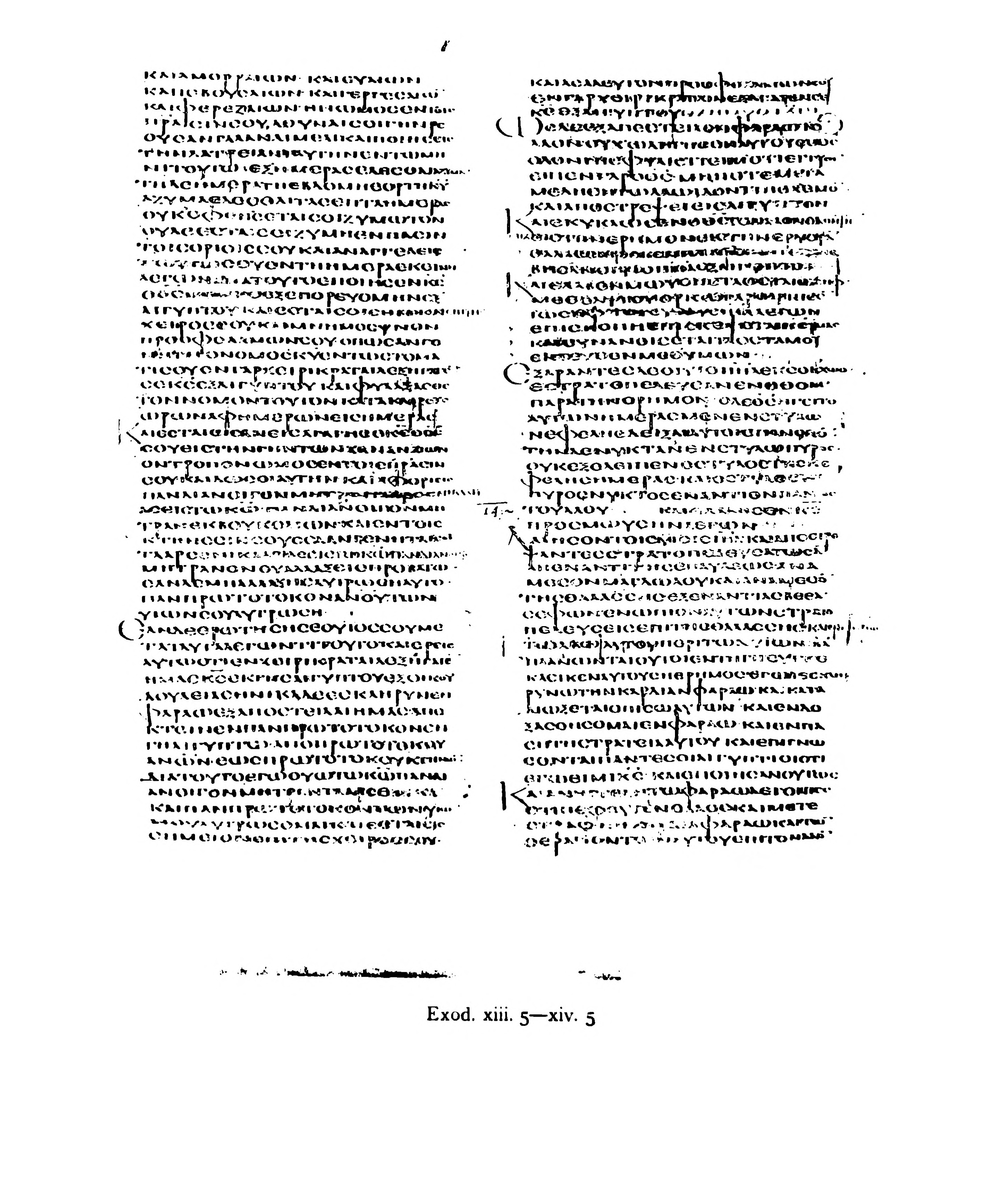
Codex Alexandrinus (Scan 2)
Codex Alexandrinus is one of the four great uncial codices of the Greek Bible. It contains the vast majority of the Septuagint and New Testament, and was the first of the great uncials to become accessible to modern scholars.