
Isaiah 38:21
/(Great Isaiah Scroll)_col32.jpg)
The Great Isaiah Scroll (1QIsa a)
Discovered in 1947 by Bedouin shepherds in Qumran Cave 1, the Great Isaiah Scroll is the largest and best-preserved of the Dead Sea Scrolls. Consisting of 17 sheets of parchment sewn together, it contains the entire Book of Isaiah in Hebrew and is approximately 1,000 years older than any other surviving complete manuscript of the book.
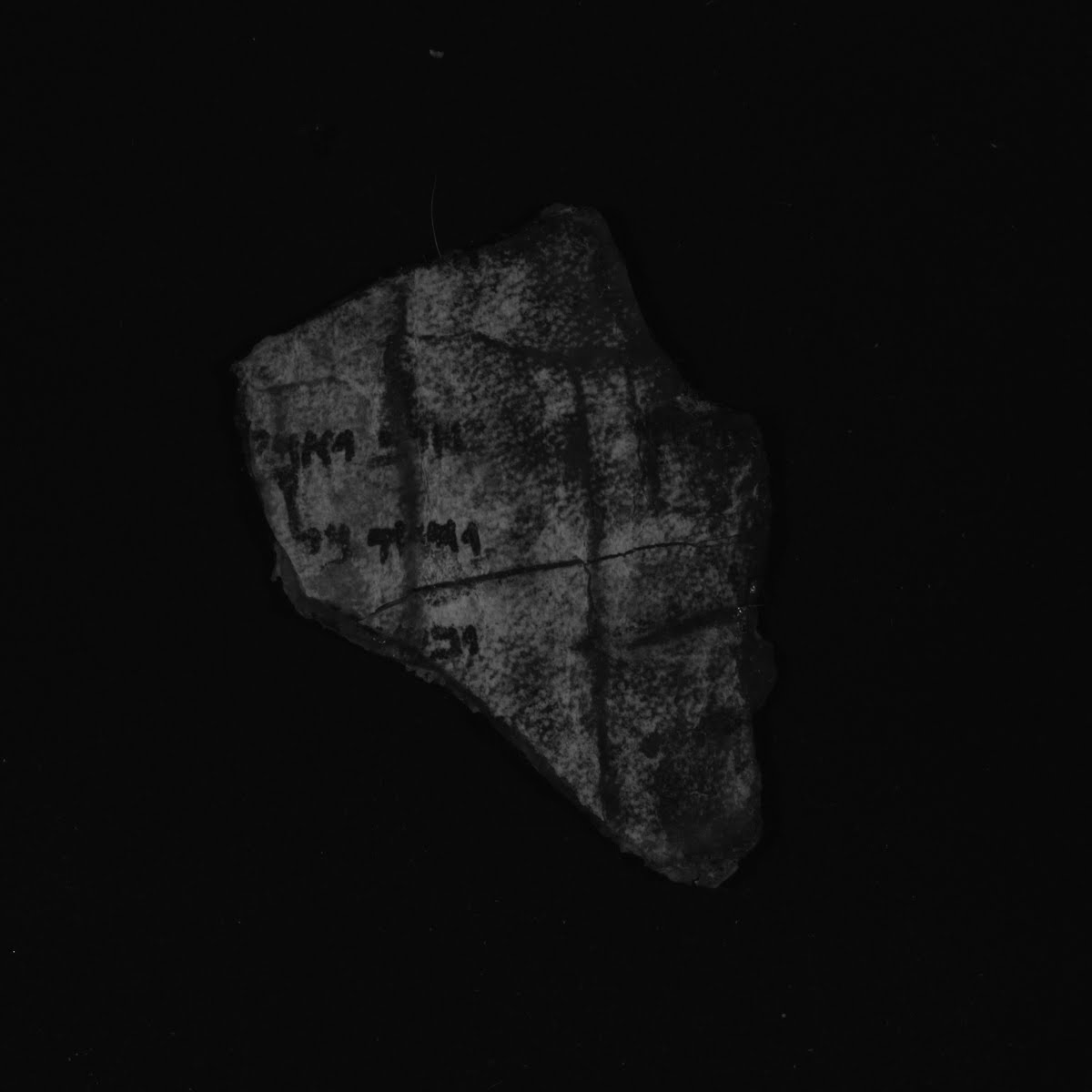
1QIsa b (1QIsaiah b) (Scan 1)
Discovered in 1947 in Cave 1 at Qumran, the Second Isaiah Scroll (1QIsa b) is a highly significant witness to the Book of Isaiah. Written in a beautiful square Hebrew script on parchment, this ancient manuscript dates to the Hasmonean or Herodian period and represents one of the oldest surviving physical copies of the prophetic book.
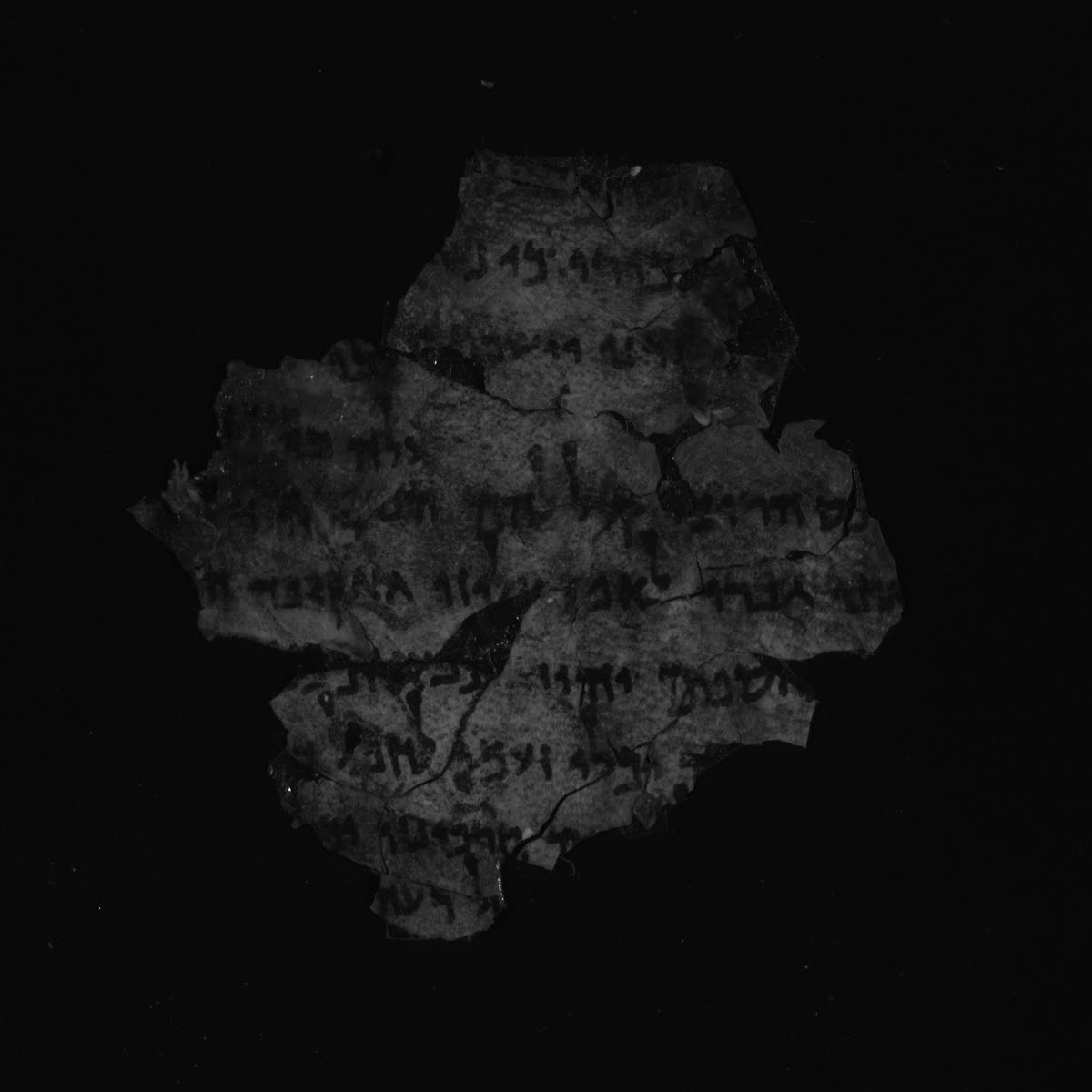
1QIsa b (1QIsaiah b) (Scan 2)
Discovered in 1947 in Cave 1 at Qumran, the Second Isaiah Scroll (1QIsa b) is a highly significant witness to the Book of Isaiah. Written in a beautiful square Hebrew script on parchment, this ancient manuscript dates to the Hasmonean or Herodian period and represents one of the oldest surviving physical copies of the prophetic book.
1QIsa b (1QIsaiah b) (Scan 3)
Discovered in 1947 in Cave 1 at Qumran, the Second Isaiah Scroll (1QIsa b) is a highly significant witness to the Book of Isaiah. Written in a beautiful square Hebrew script on parchment, this ancient manuscript dates to the Hasmonean or Herodian period and represents one of the oldest surviving physical copies of the prophetic book.
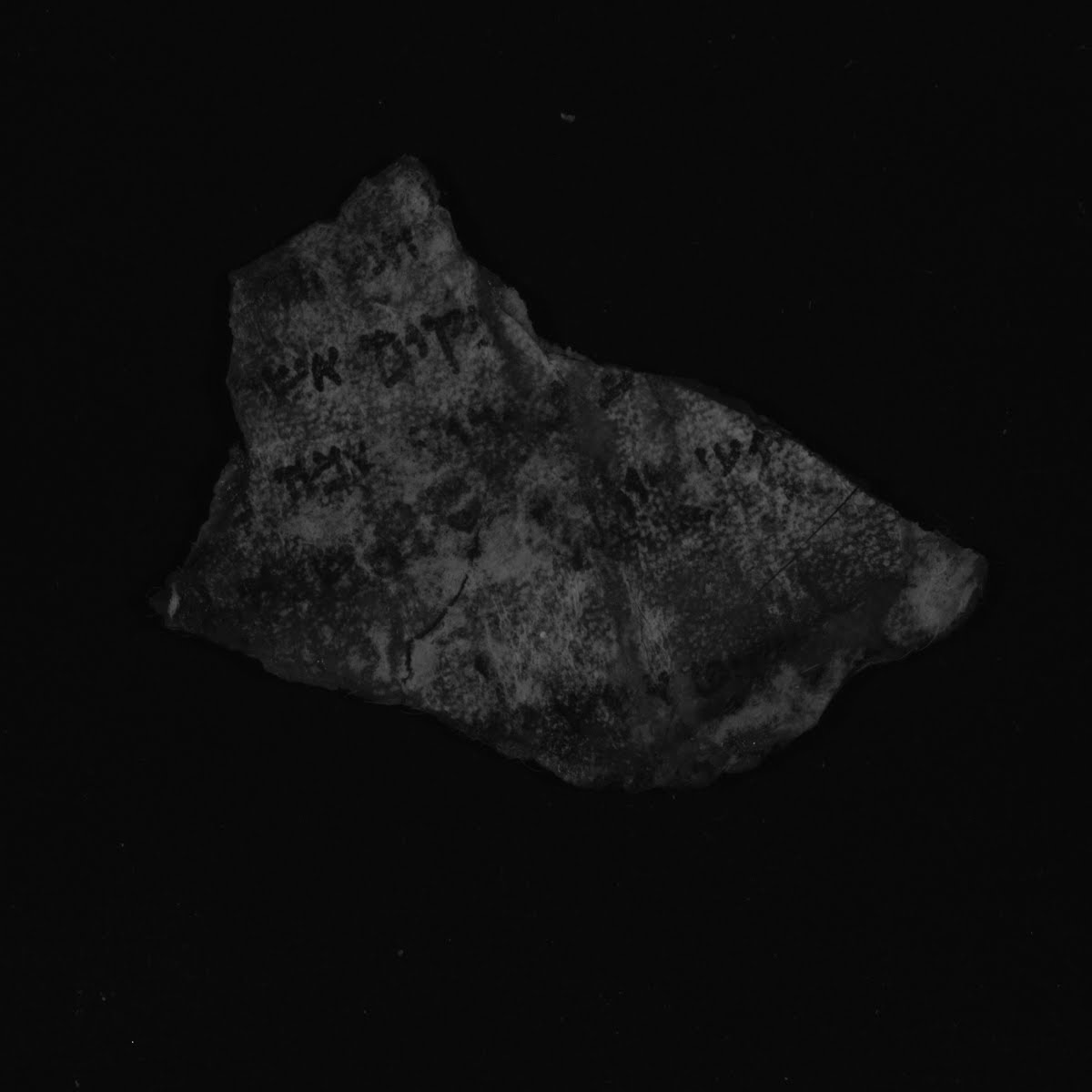
1QIsa b (1QIsaiah b) (Scan 4)
Discovered in 1947 in Cave 1 at Qumran, the Second Isaiah Scroll (1QIsa b) is a highly significant witness to the Book of Isaiah. Written in a beautiful square Hebrew script on parchment, this ancient manuscript dates to the Hasmonean or Herodian period and represents one of the oldest surviving physical copies of the prophetic book.
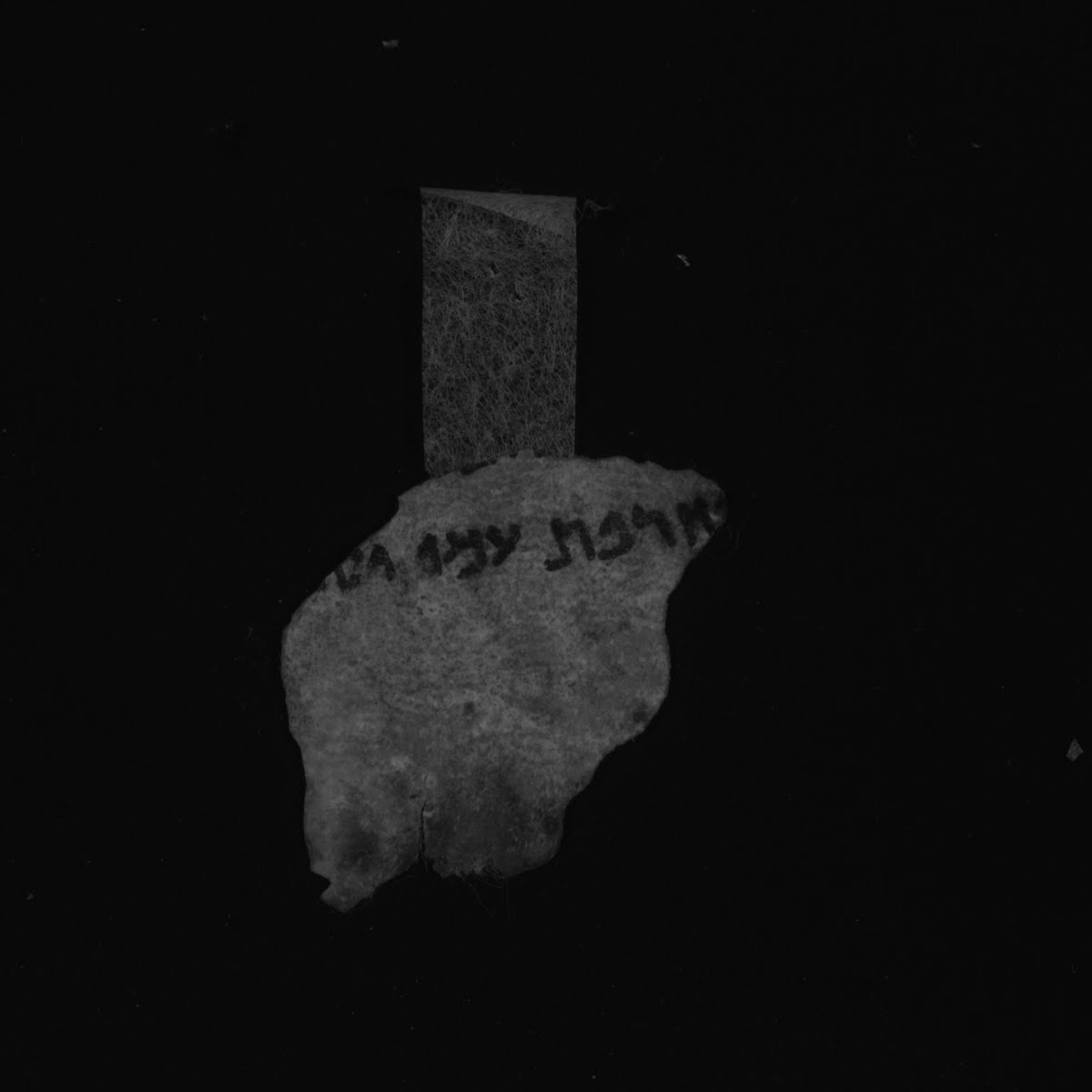
1QIsa b (1QIsaiah b) (Scan 5)
Discovered in 1947 in Cave 1 at Qumran, the Second Isaiah Scroll (1QIsa b) is a highly significant witness to the Book of Isaiah. Written in a beautiful square Hebrew script on parchment, this ancient manuscript dates to the Hasmonean or Herodian period and represents one of the oldest surviving physical copies of the prophetic book.
1QIsa b (1QIsaiah b) (Scan 6)
Discovered in 1947 in Cave 1 at Qumran, the Second Isaiah Scroll (1QIsa b) is a highly significant witness to the Book of Isaiah. Written in a beautiful square Hebrew script on parchment, this ancient manuscript dates to the Hasmonean or Herodian period and represents one of the oldest surviving physical copies of the prophetic book.
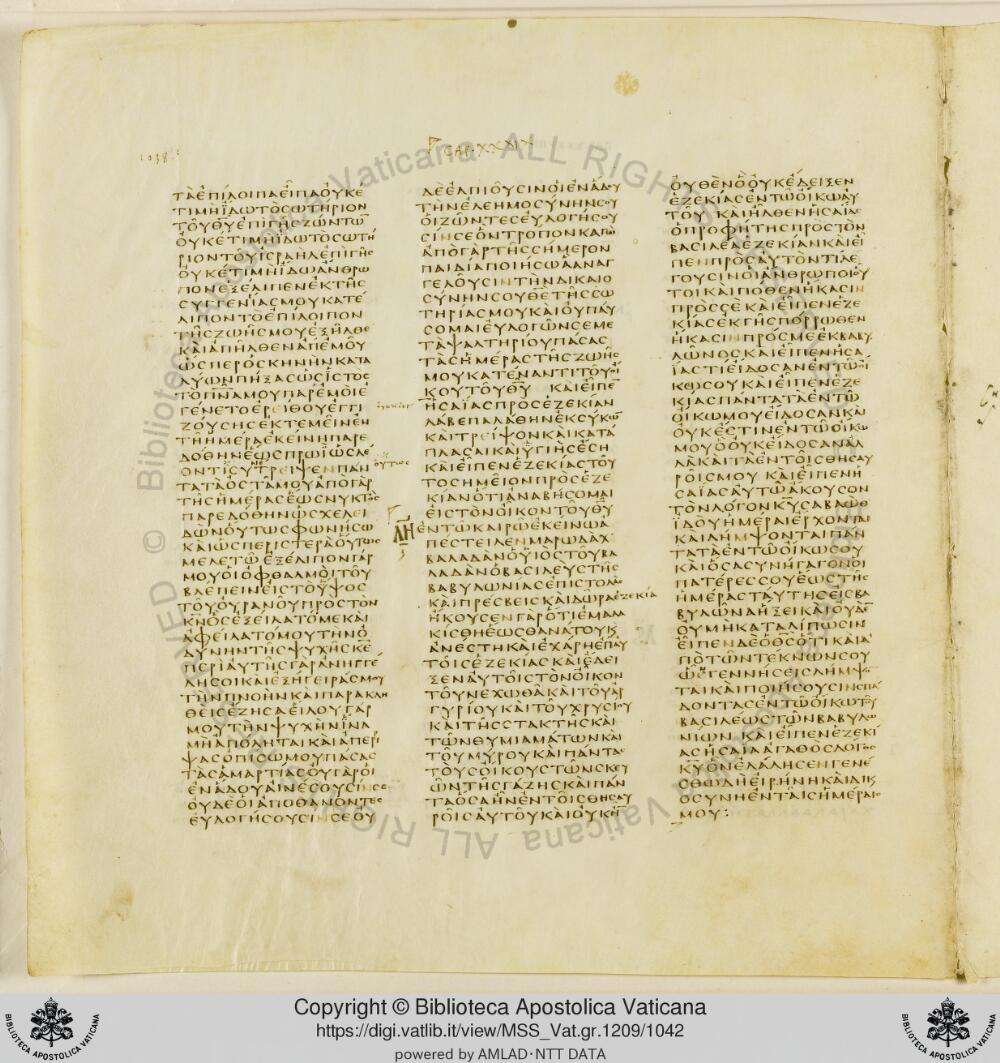
Codex Vaticanus
Codex Vaticanus is one of the oldest and most valuable surviving manuscripts of the complete Greek Bible. It has been securely housed in the Vatican Library since at least the late 15th century and is celebrated for its elegant script written on very high-quality vellum.
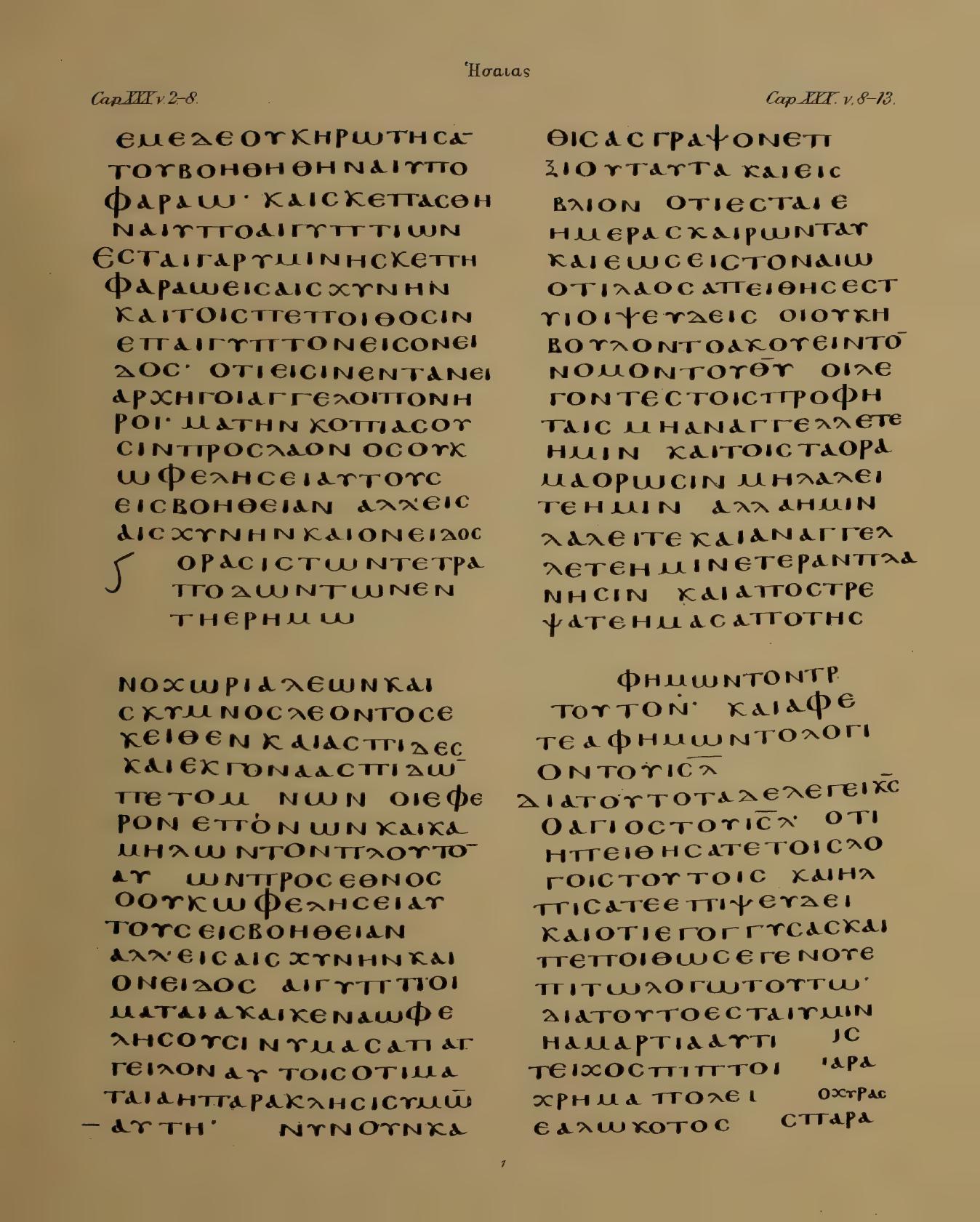
Fragmenta Tischendorfiana Z (Codex Zuqninensis)
A Greek palimpsest codex containing Old Testament fragments, later overwritten with Syriac text (the Zuqnin Chronicle). Distributed across the Vatican Library and the British Library.
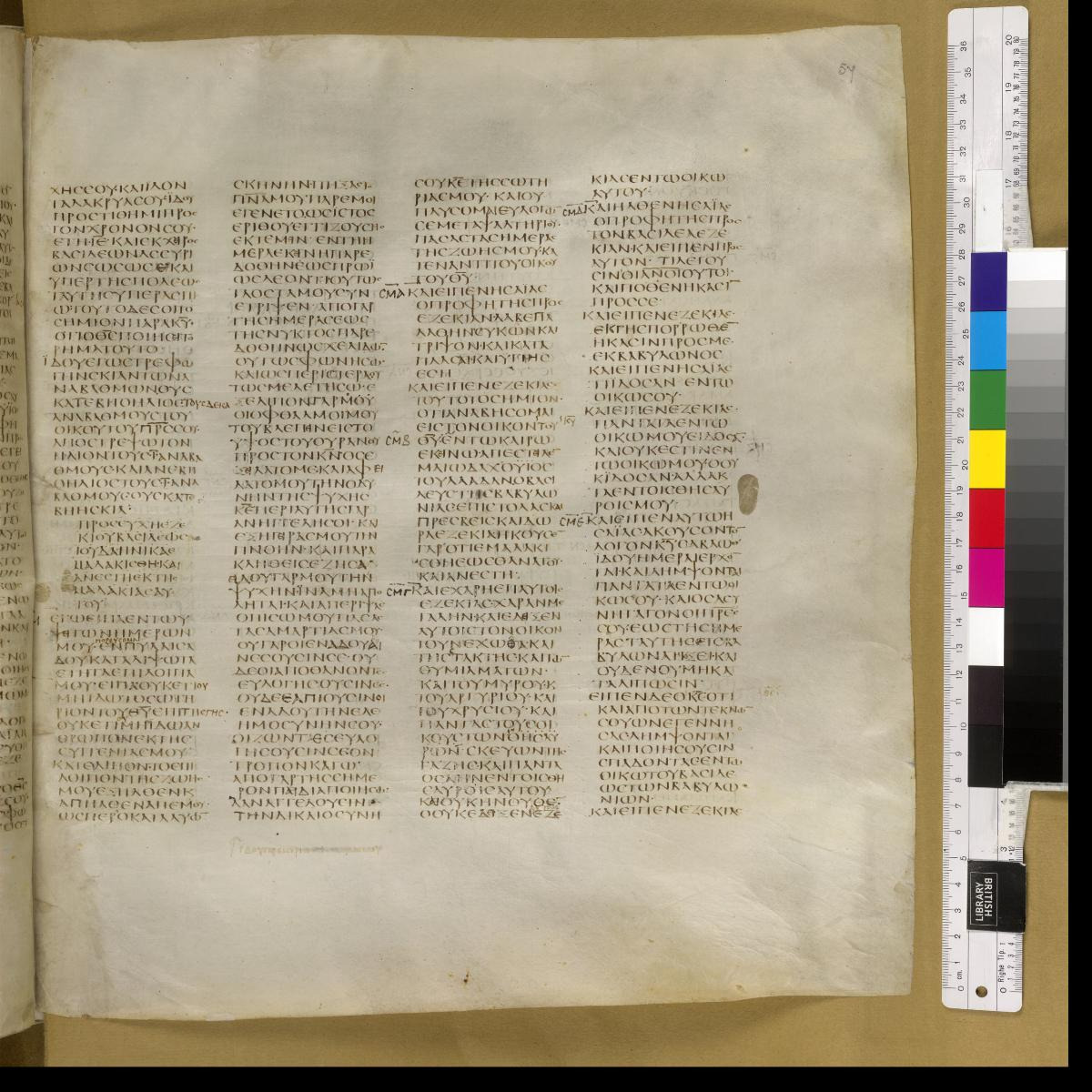
Codex Sinaiticus
Codex Sinaiticus is one of the most celebrated and important books in the world. Handwritten well over 1,600 years ago, it contains the Christian Bible in Greek, including the oldest surviving complete copy of the New Testament. Originally discovered at St. Catherine's Monastery at the foot of Mount Sinai, its surviving leaves are now preserved across four libraries worldwide, with the largest portion held at the British Library.