
Leviticus 22:13
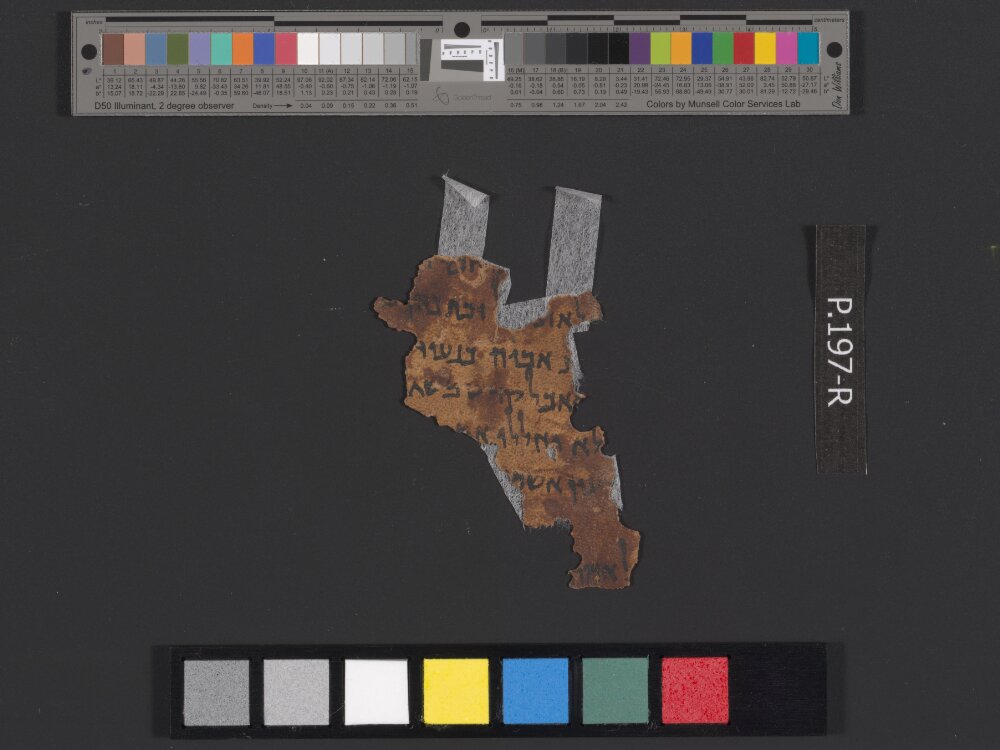
4QLeviticus-e
An exceptionally high-quality copy of Leviticus written on parchment, dating back to the late Hasmonean period (around 100–30 BC). Discovered in Cave 4 at Qumran, these fragments represent some of the oldest physical evidence surviving today for the text of Leviticus.
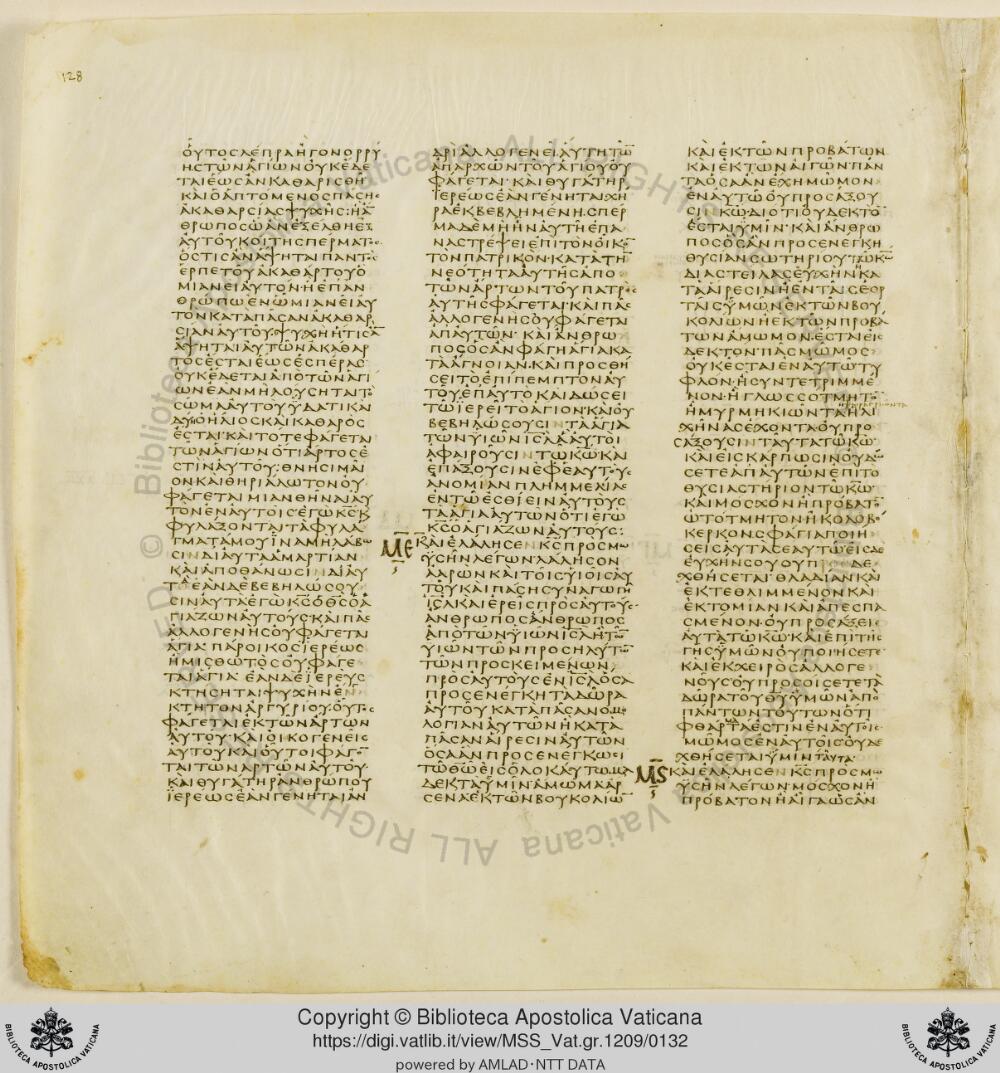
Codex Vaticanus
Codex Vaticanus is one of the oldest and most valuable surviving manuscripts of the complete Greek Bible. It has been securely housed in the Vatican Library since at least the late 15th century and is celebrated for its elegant script written on very high-quality vellum.
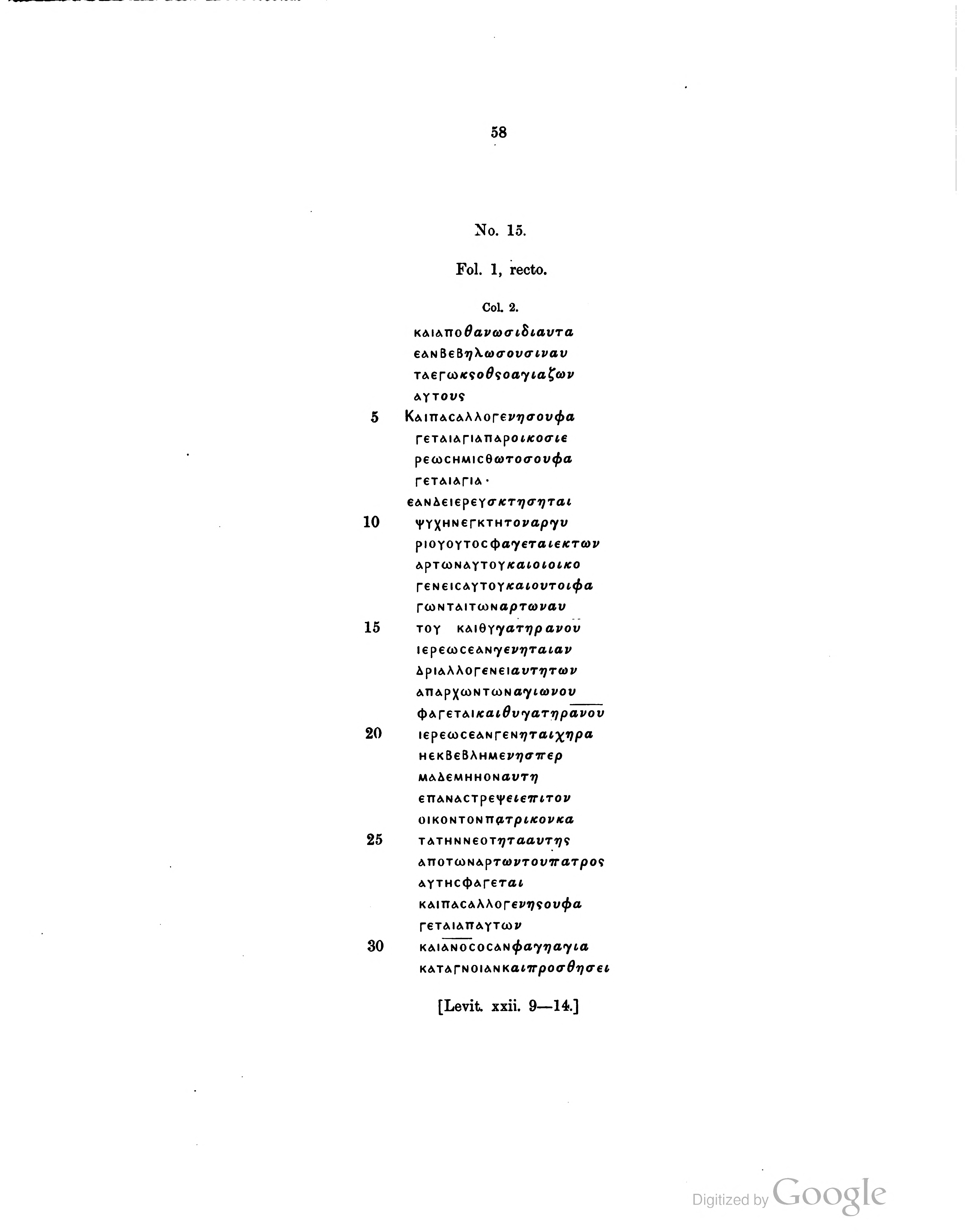
Rahlfs 931
This early 4th-century Greek manuscript, preserved at the famous Saint Catherine's Monastery at the foot of Mount Sinai, contains instructions from the Book of Leviticus. Written in an elegant two-column uncial script, it represents the ancient Septuagint translation that was widely read by the early Christian Church.
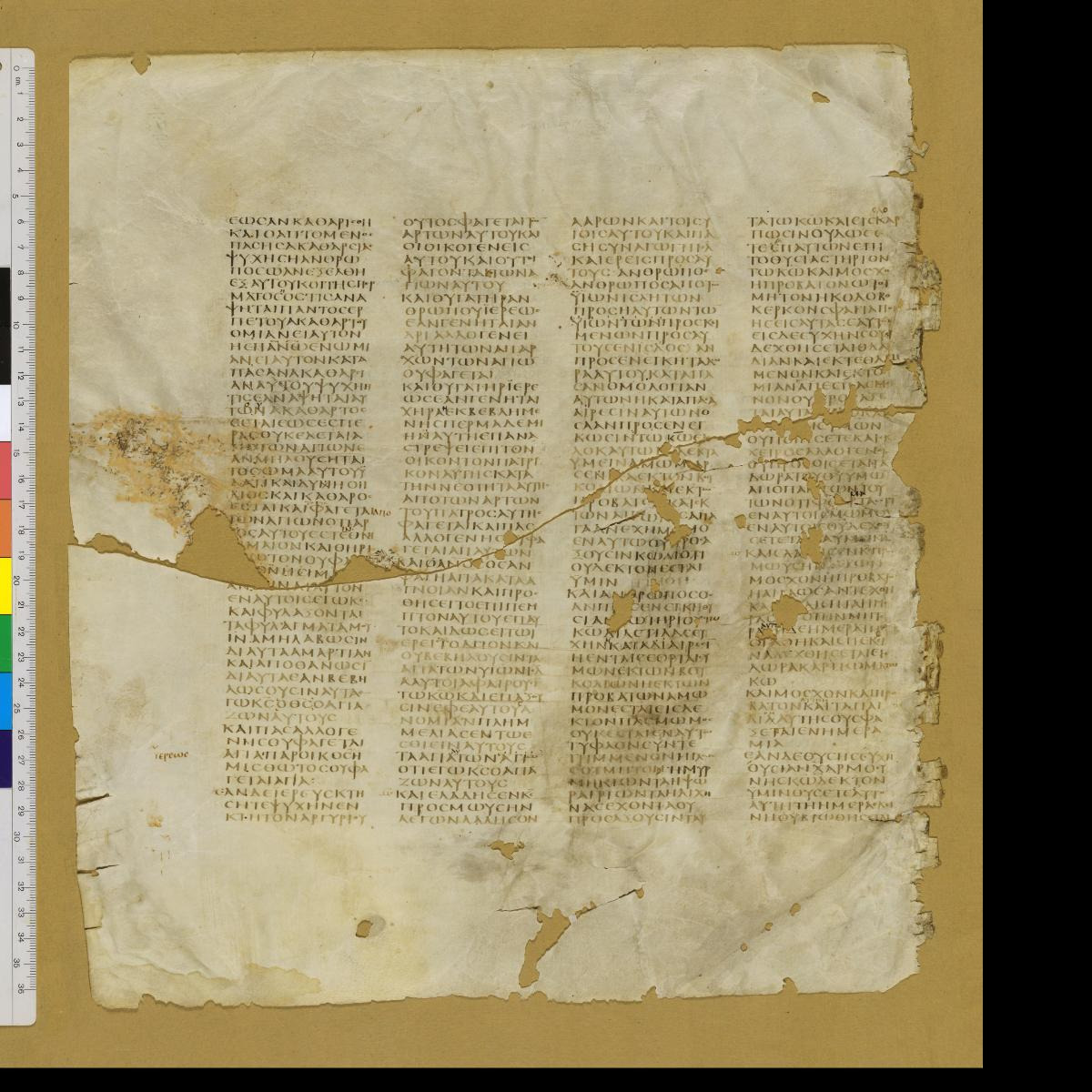
Codex Sinaiticus
Codex Sinaiticus is one of the most celebrated and important books in the world. Handwritten well over 1,600 years ago, it contains the Christian Bible in Greek, including the oldest surviving complete copy of the New Testament. Originally discovered at St. Catherine's Monastery at the foot of Mount Sinai, its surviving leaves are now preserved across four libraries worldwide, with the largest portion held at the British Library.
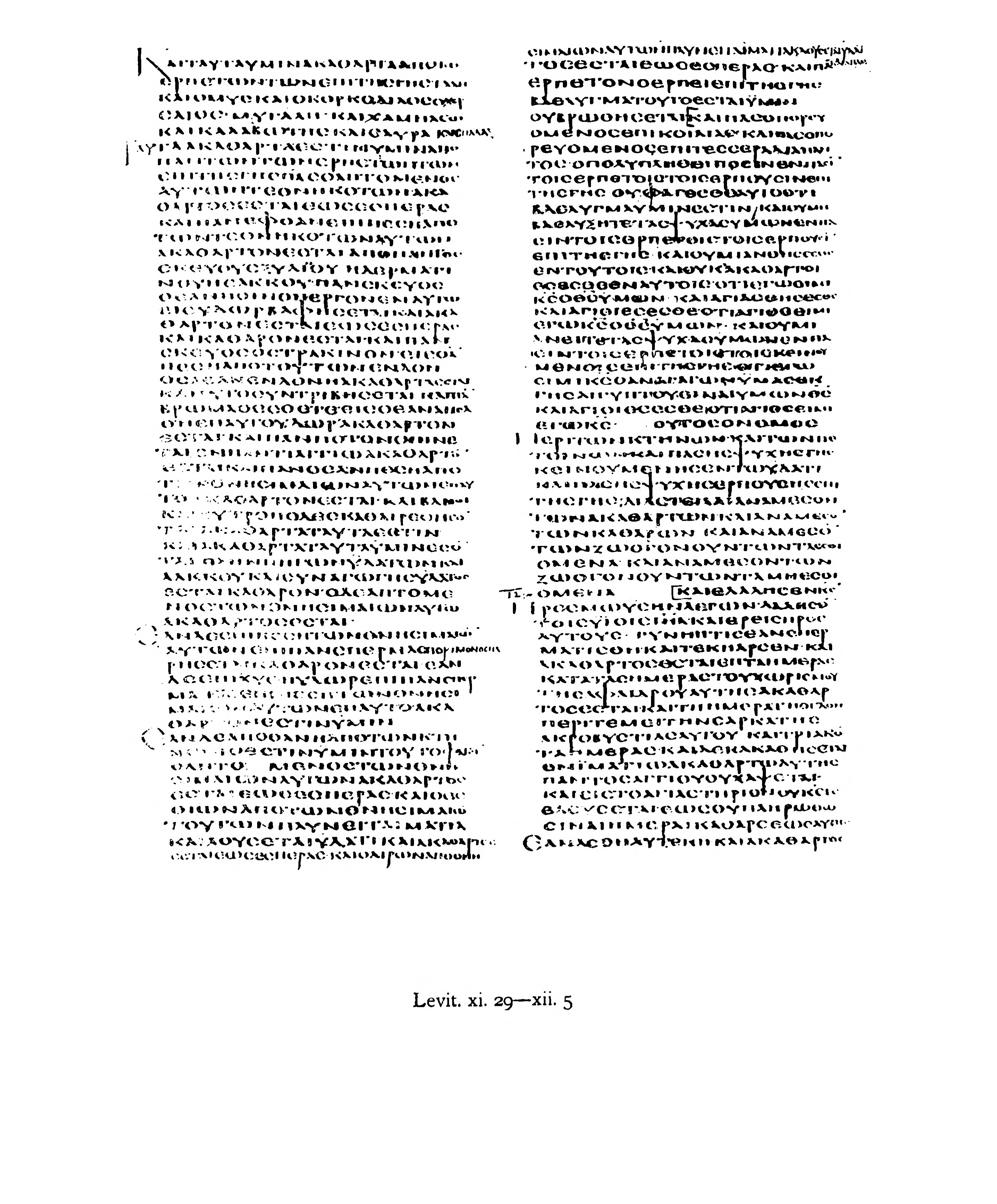
Codex Alexandrinus (Scan 1)
Codex Alexandrinus is one of the four great uncial codices of the Greek Bible. It contains the vast majority of the Septuagint and New Testament, and was the first of the great uncials to become accessible to modern scholars.
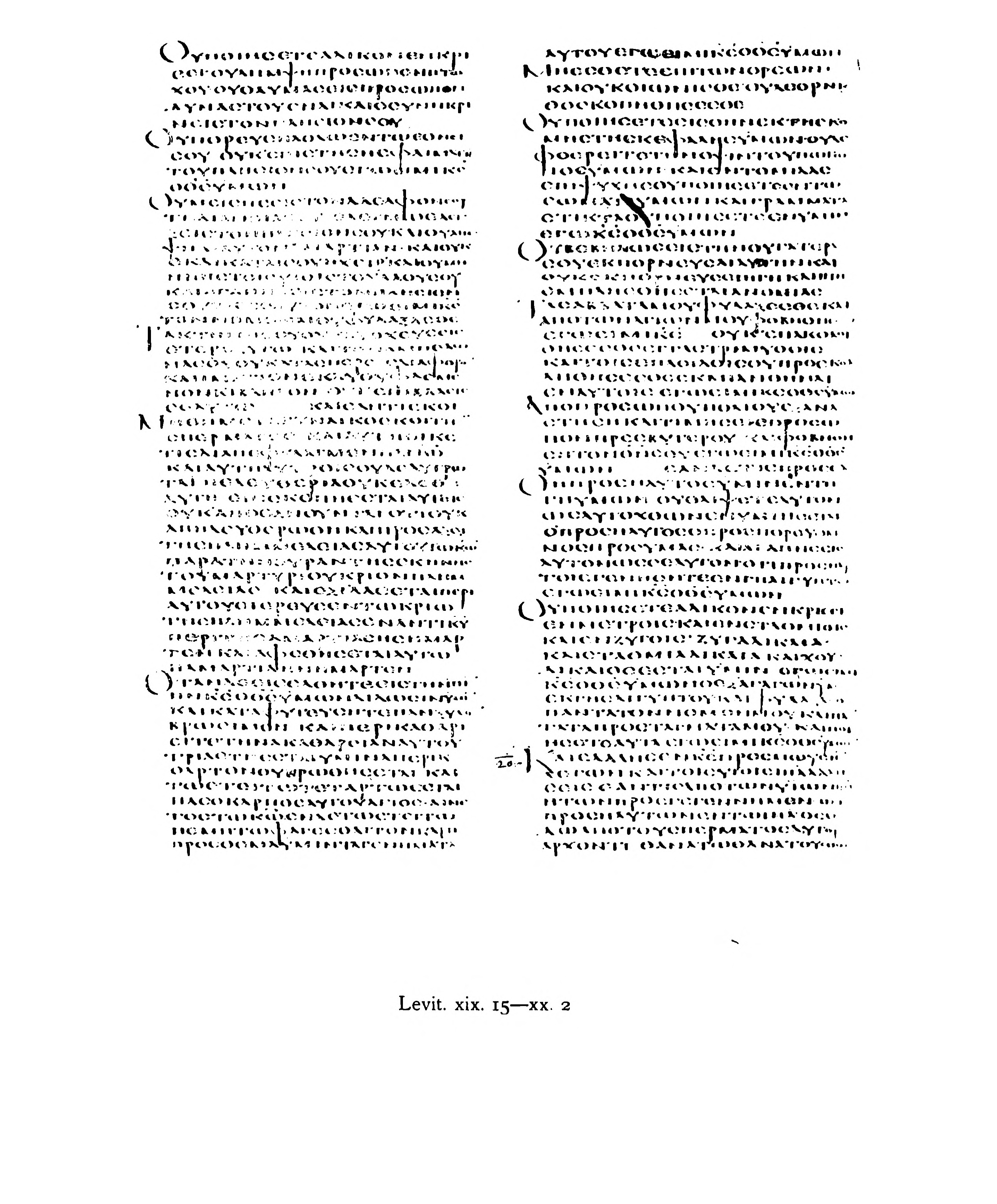
Codex Alexandrinus (Scan 2)
Codex Alexandrinus is one of the four great uncial codices of the Greek Bible. It contains the vast majority of the Septuagint and New Testament, and was the first of the great uncials to become accessible to modern scholars.
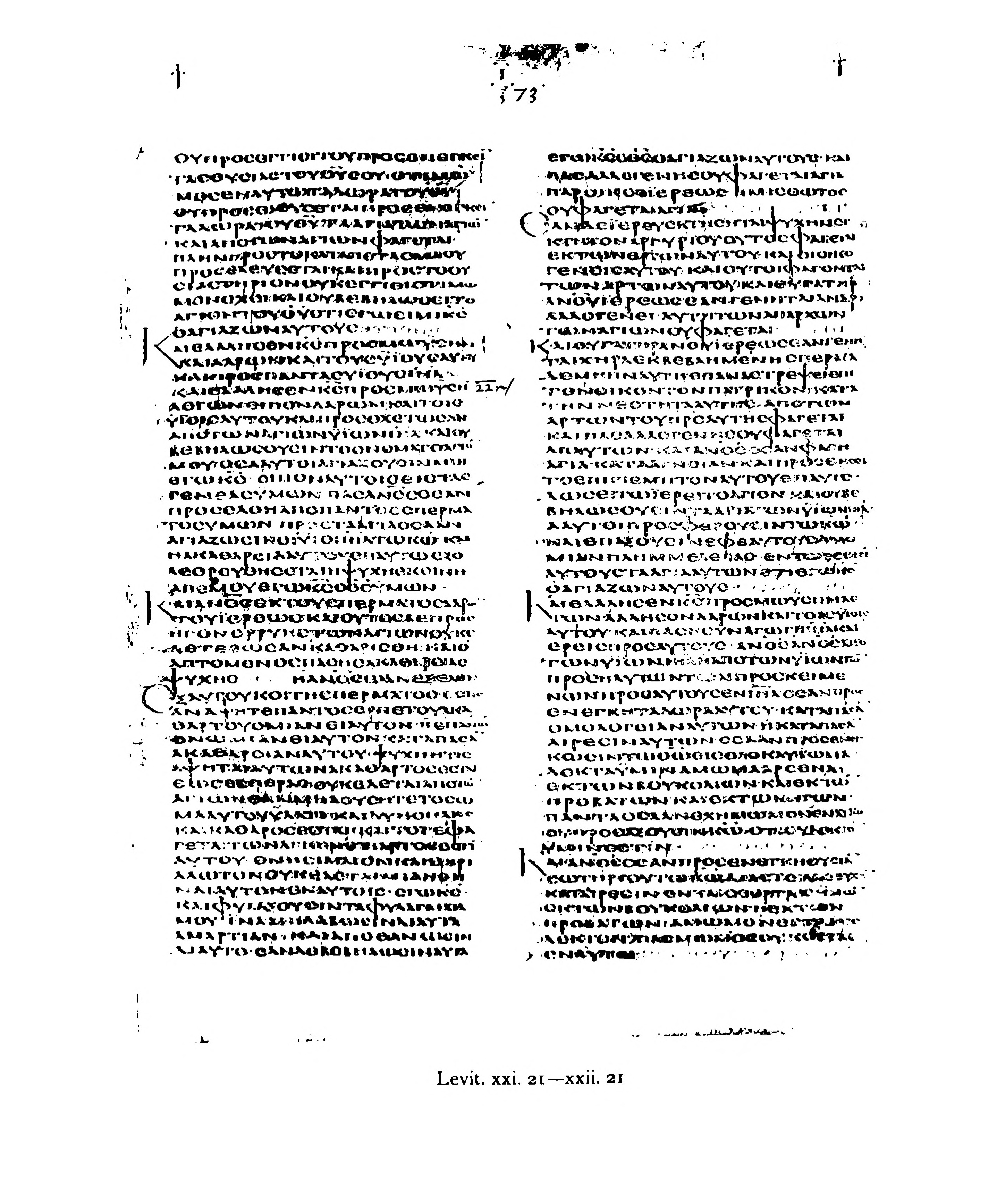
Codex Alexandrinus (Scan 3)
Codex Alexandrinus is one of the four great uncial codices of the Greek Bible. It contains the vast majority of the Septuagint and New Testament, and was the first of the great uncials to become accessible to modern scholars.