
Matthew 1:2
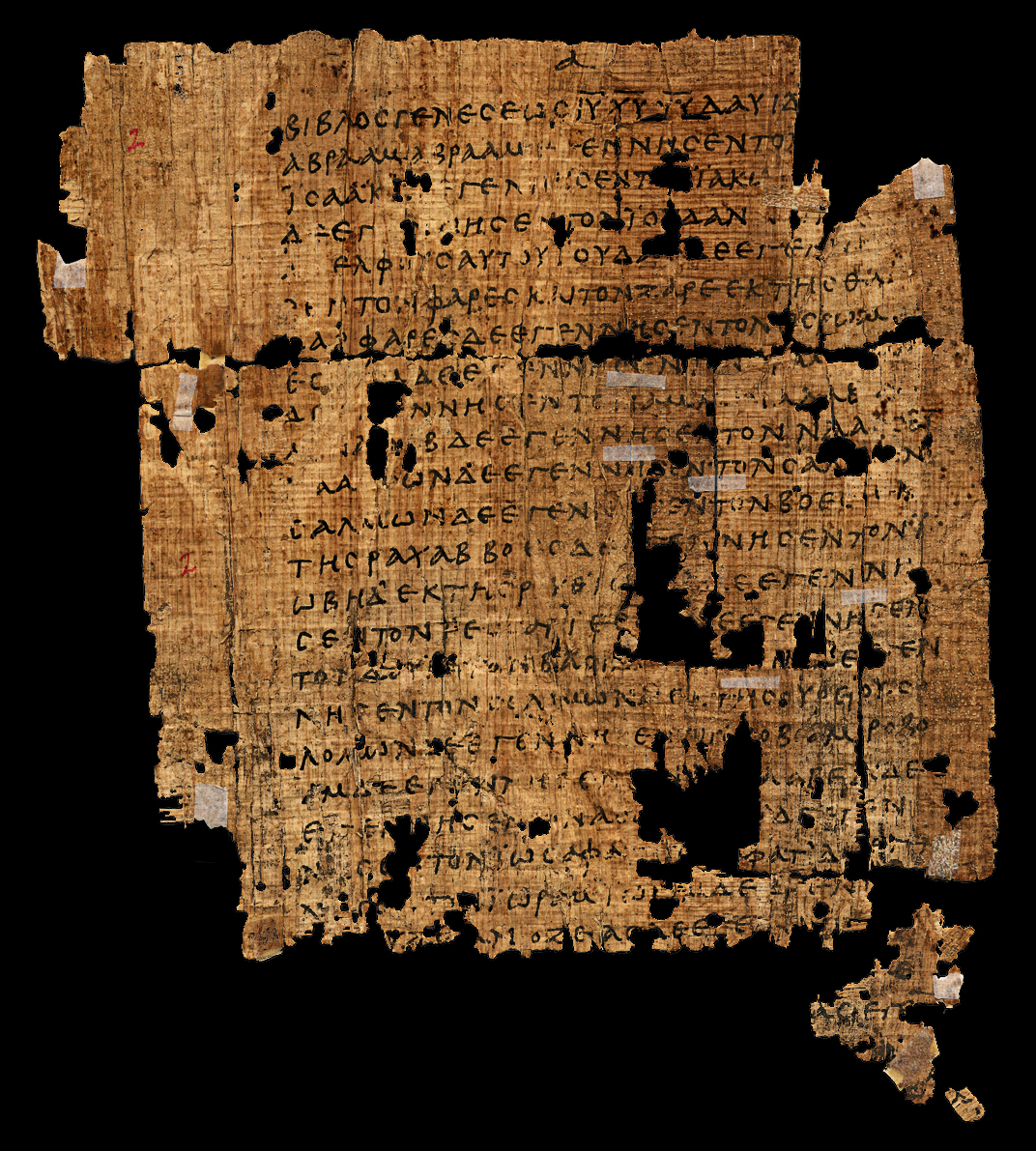
Papyrus 1
Papyrus 1 was the earliest known manuscript of the New Testament until the discovery of Papyrus 45. It is a fragment of one leaf that contains text from the Gospel of Matthew and shows close agreement with the Codex Vaticanus.
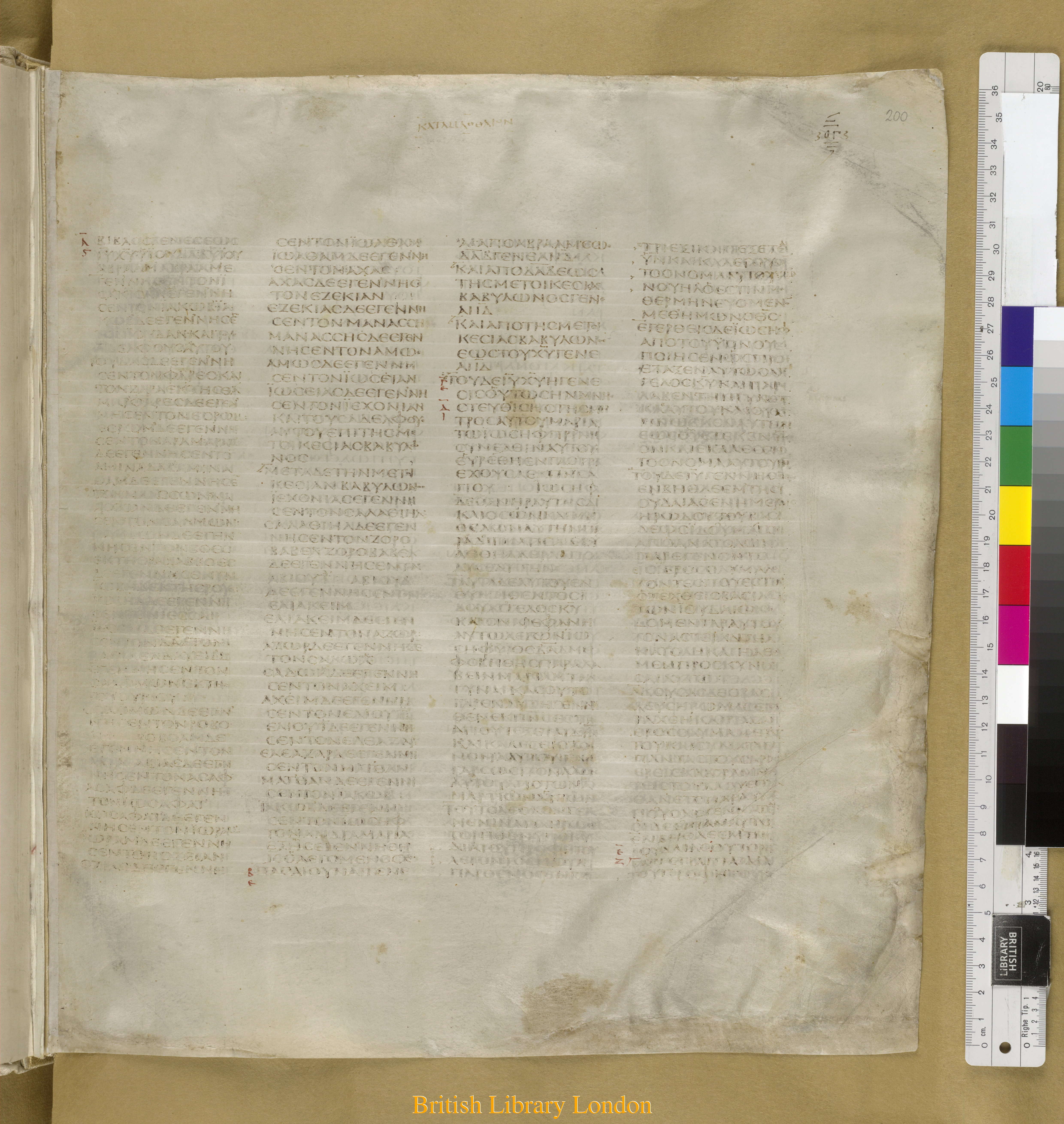
Codex Sinaiticus
It is one of the four great uncial codices and contains the oldest complete copy of the New Testament. Discovered by Constantin von Tischendorf in 1844, it remains one of the most important Greek texts for biblical scholarship.
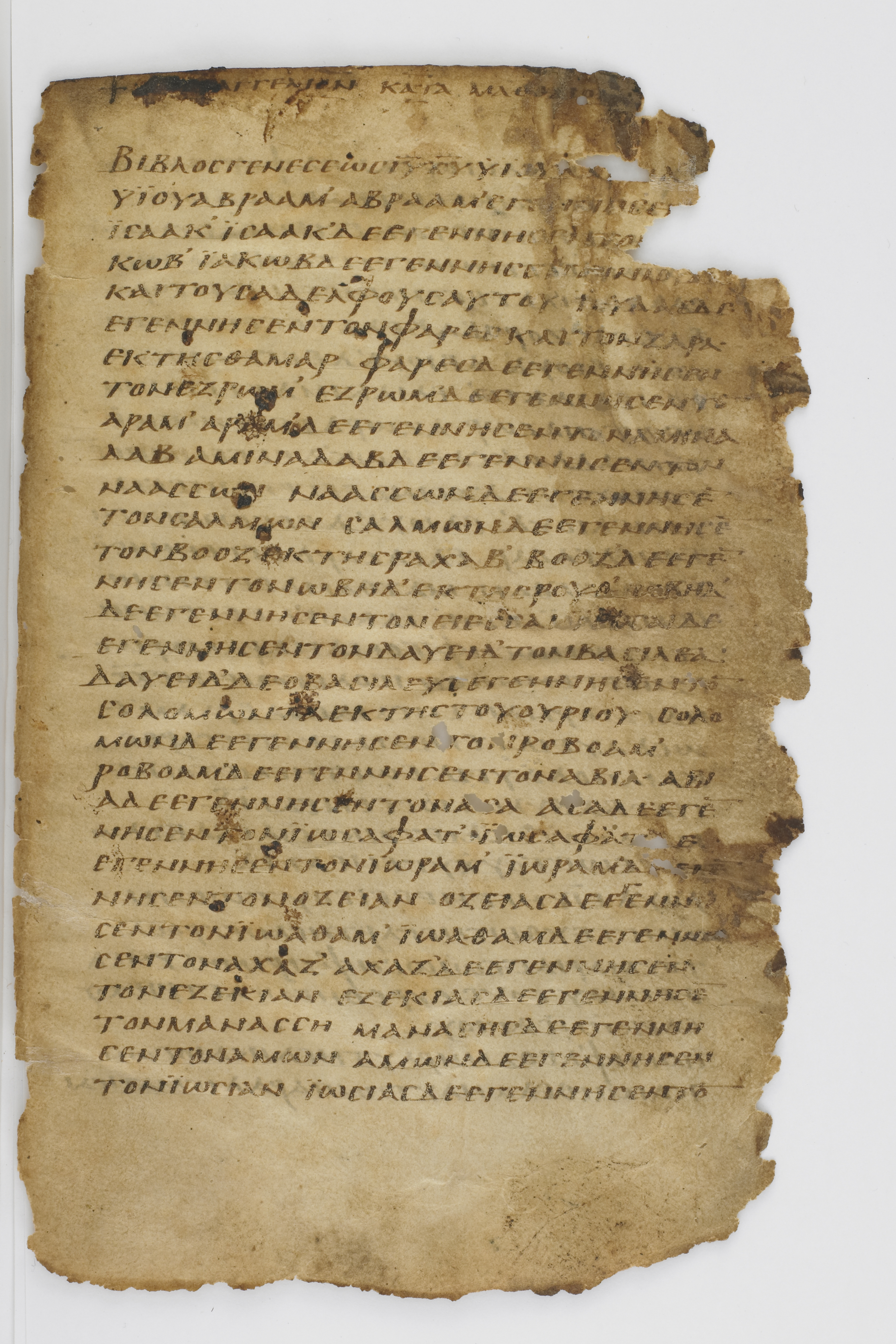
Codex Washingtonianus
It contains the 'Freer Logion', a unique insertion after Mark 16:14 not found in any other manuscript. It is considered the third oldest Gospel parchment codex in the world and its style changes across different sections, suggesting it was pieced together from several different manuscripts.
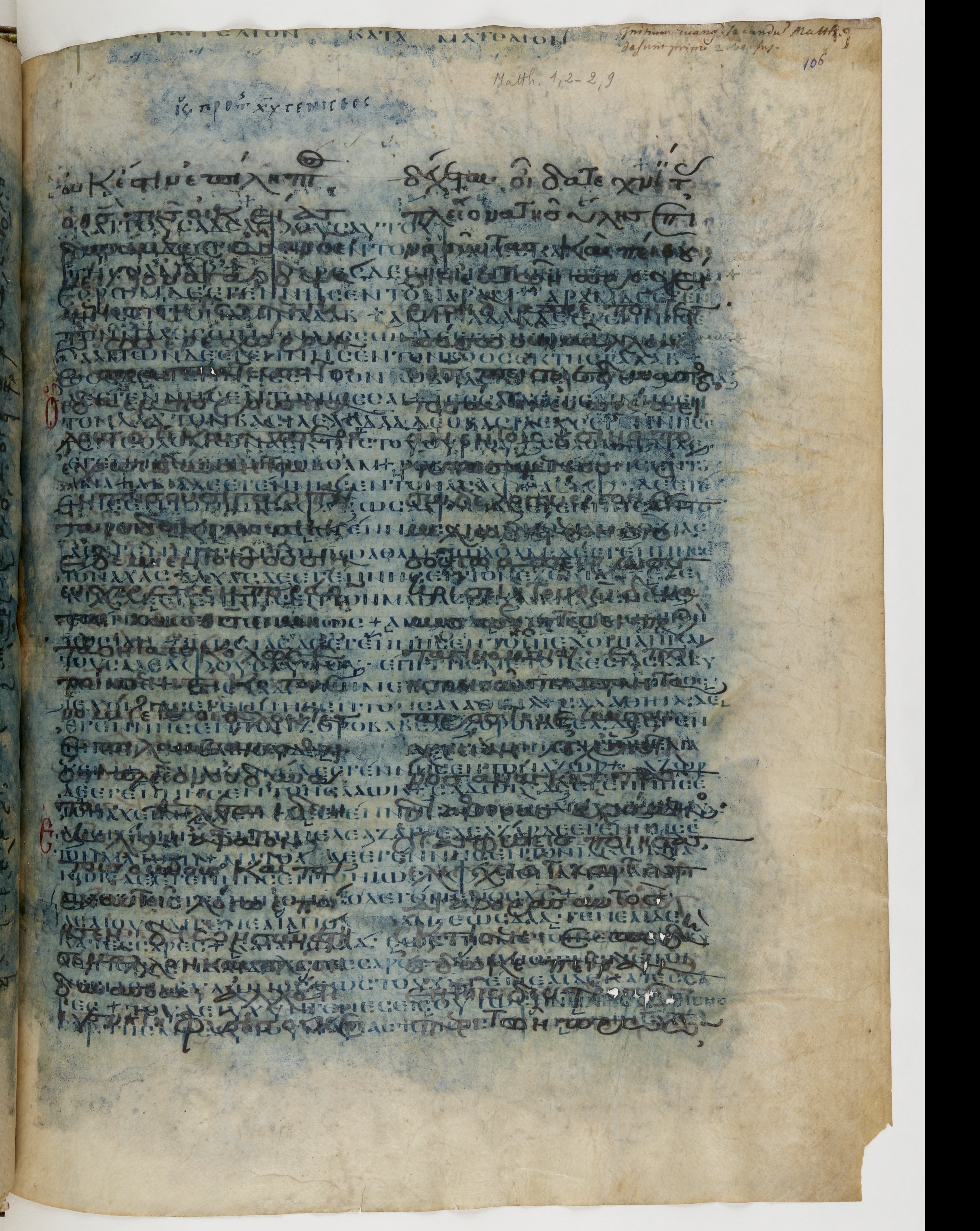
Codex Ephraemi Rescriptus
It is a palimpsest where the original 5th-century biblical text was washed off and overwritten in the 12th century with treatises by Ephrem the Syrian. It is one of the four great uncials, and its underlying text was famously deciphered by Constantin von Tischendorf in the 1840s.
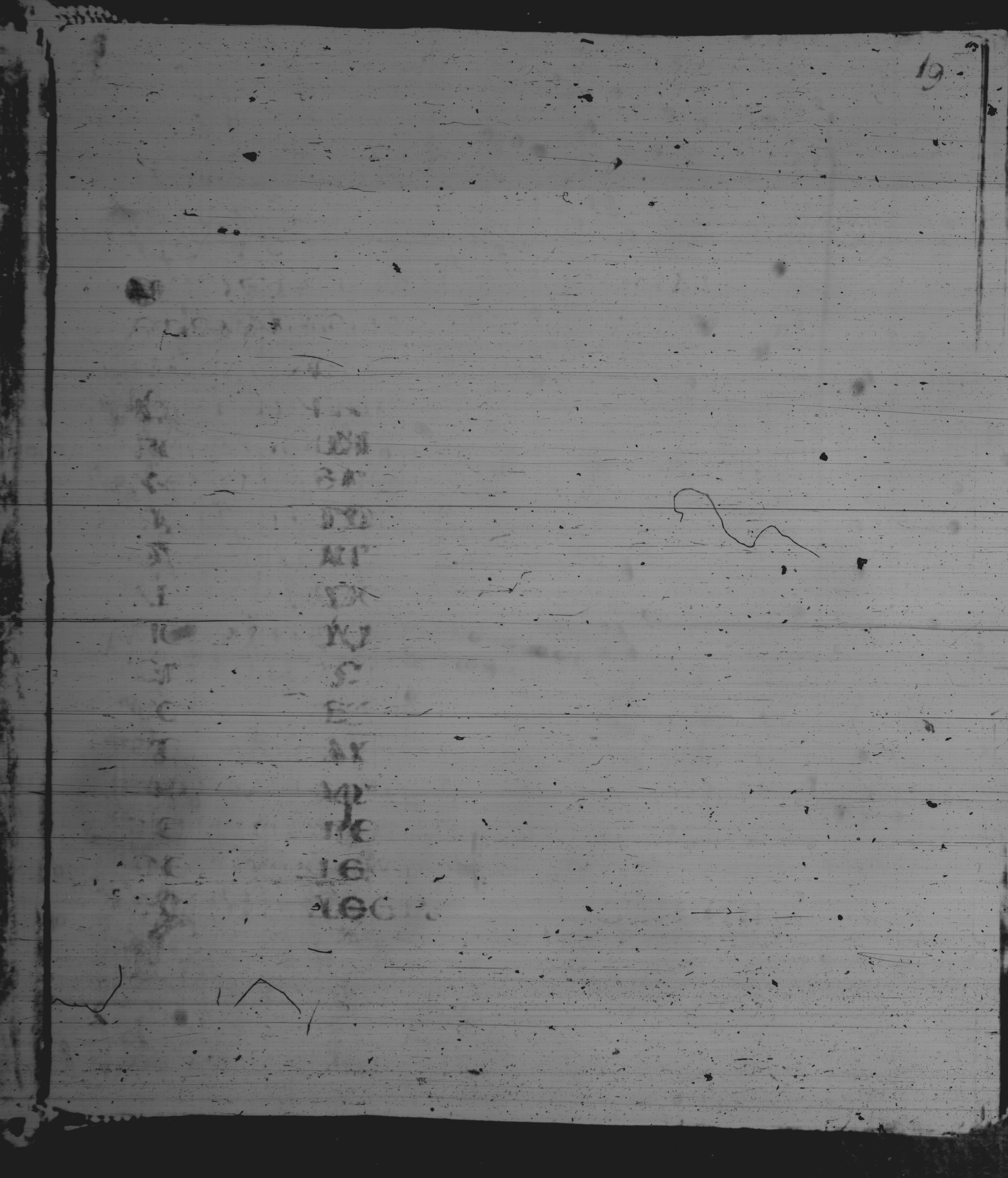
Rossano Gospels
It is one of the oldest surviving illuminated manuscripts of the New Testament, famous for its prefatory cycle of miniatures of subjects from the Life of Christ. It is penned in silver ink on parchment which has been dyed reddish-purple.
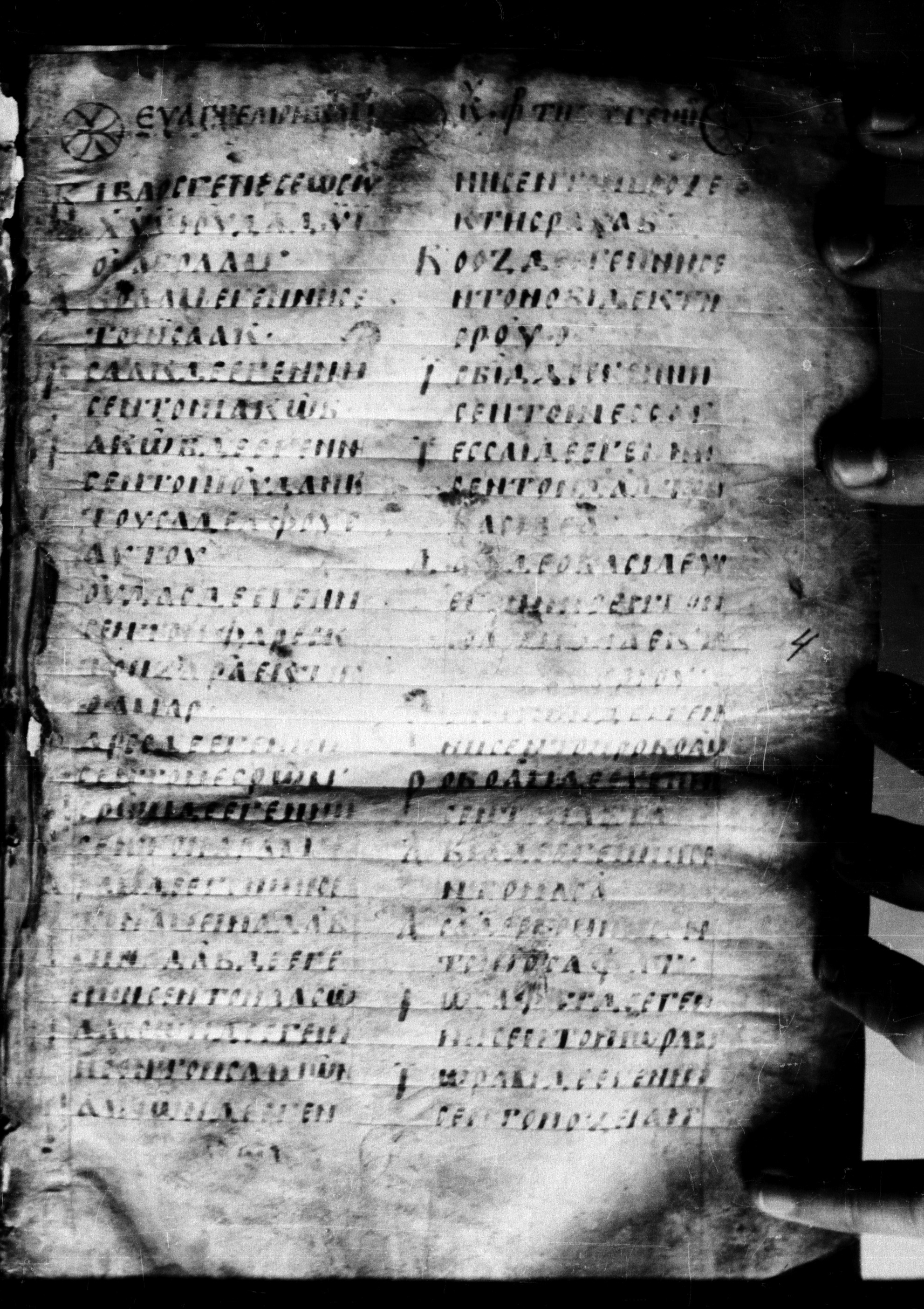
Uncial 0211
This codex contains a complete text of the four Gospels. It is written in two columns per page with only 8 lines per page in uncial letters.
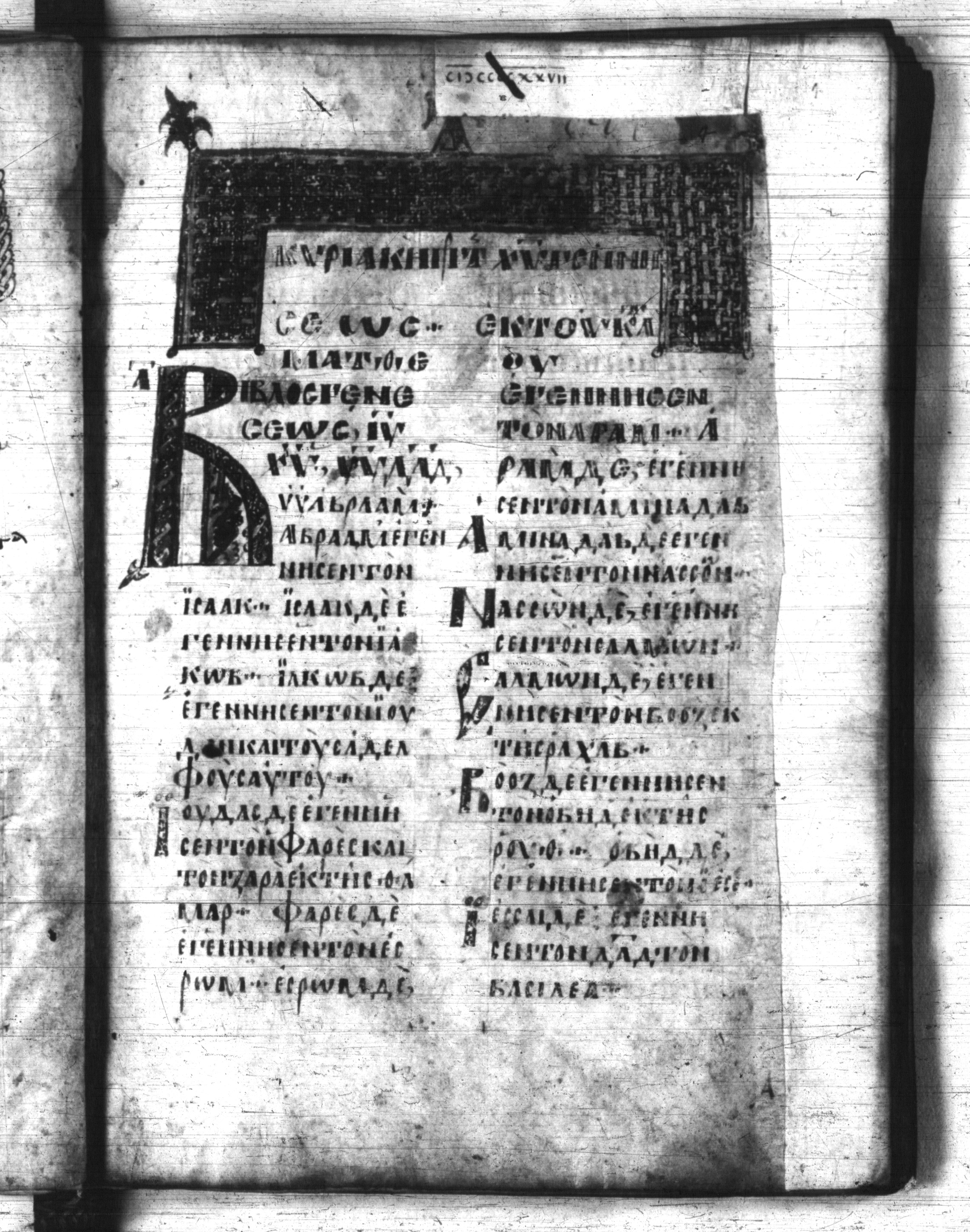
Codex Regius
It contains a double ending for the Gospel of Mark. Textual critic F.H.A. Scrivener described it as 'by far the most remarkable document of its age and class' despite noting it was 'carelessly written by an ignorant scribe'.
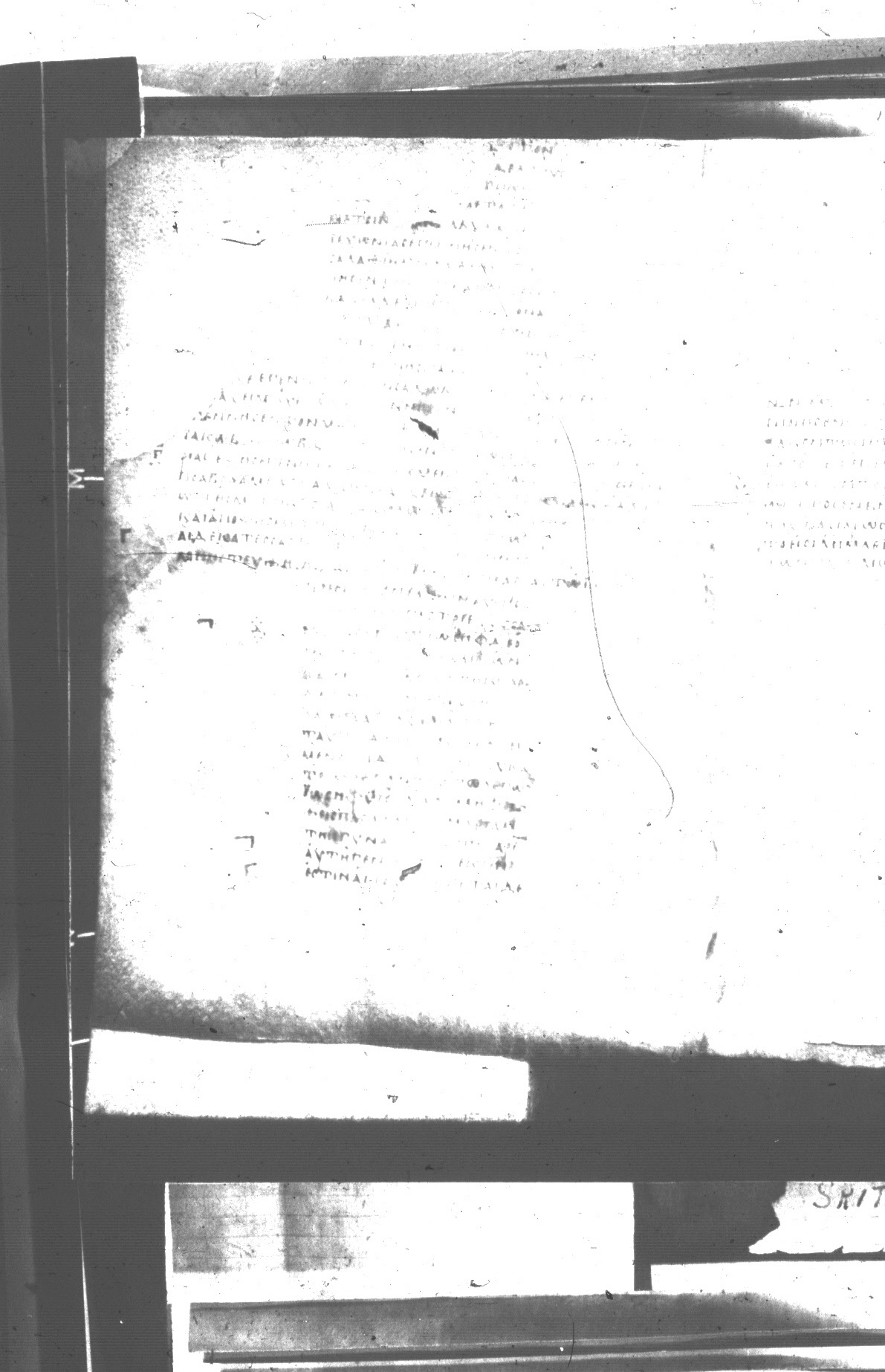
Uncial 047
The text is uniquely written partly in columns and partly in a cruciform (cross-shaped) layout. It includes full marginal notes, contains the pericope adulterae, and marks John 5:3-4 with an obelus to indicate it is doubtful.
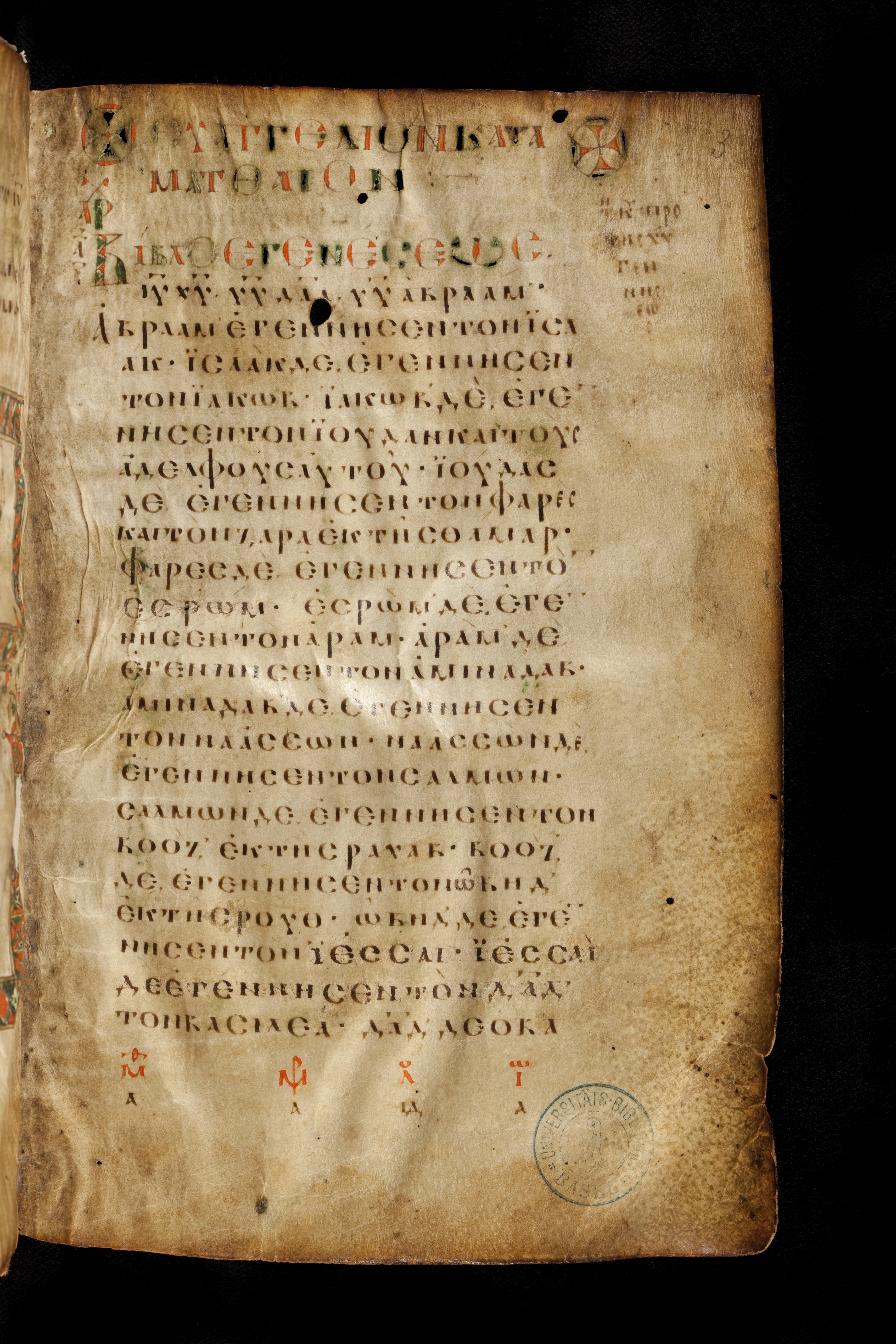
Codex Basilensis
Codex Basilensis is probably the oldest manuscript containing an almost complete text of the Gospels. Three of its leaves are palimpsests that were overwritten by a later hand, and it features early systems of dividing the gospels into referential sections.
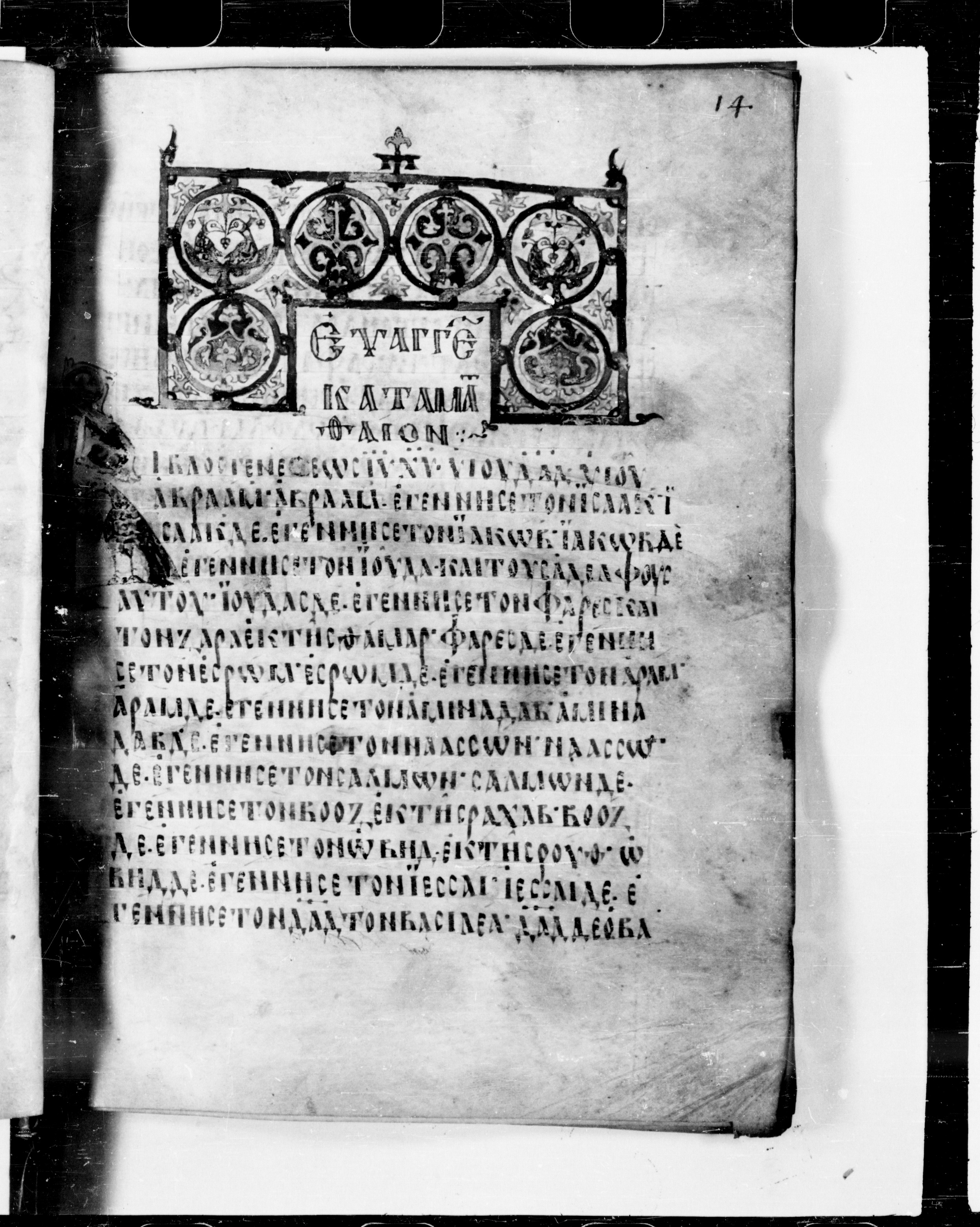
Codex Cyprius
It is one of the few uncial manuscripts with the complete text of the four Gospels. The manuscript features frequent insertion of an interpunction mark, suggesting it may have been copied from an ancient stichometrical style of writing.
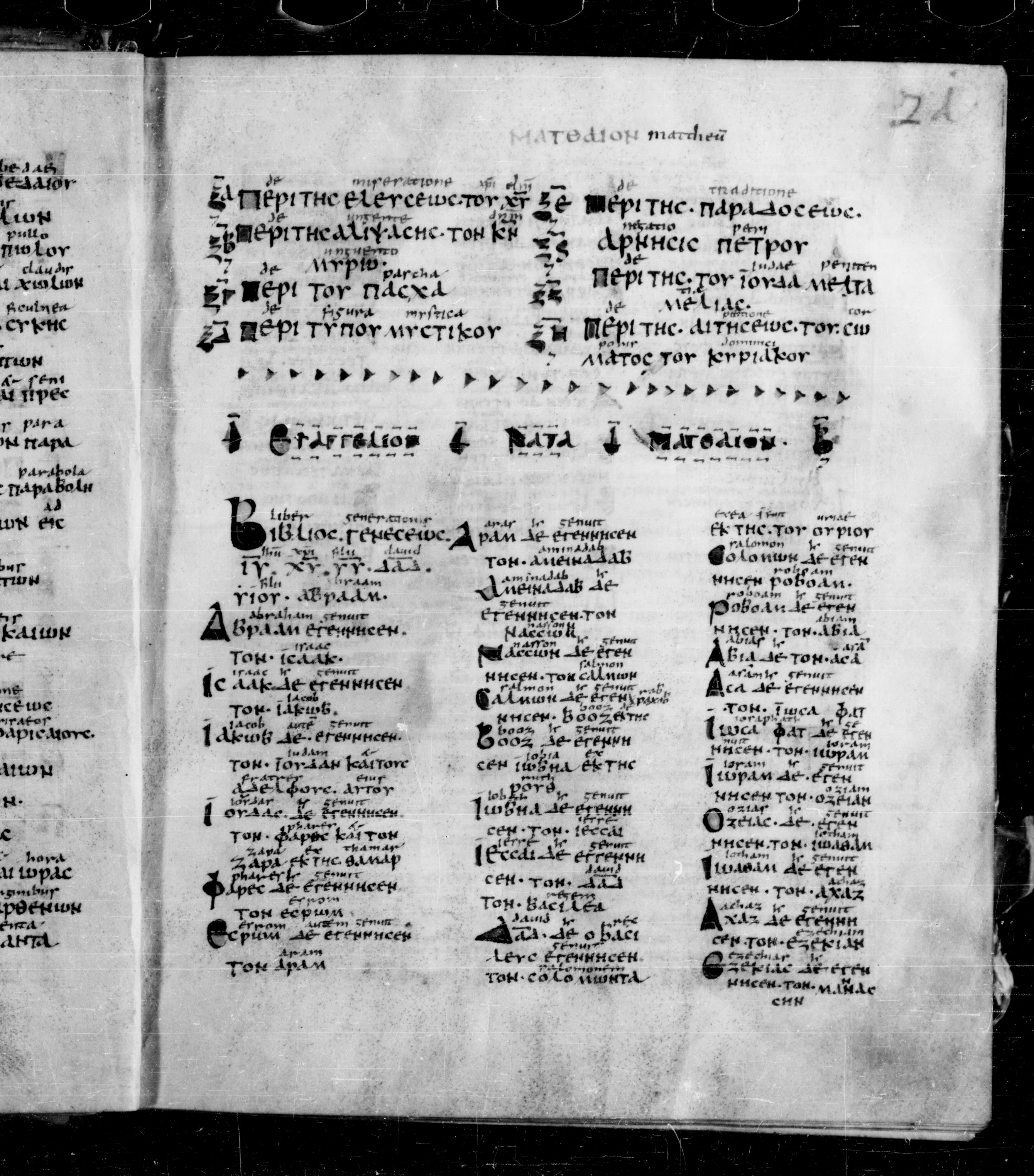
Codex Sangallensis 48
It is a Greek-Latin diglot uncial manuscript where the Latin text is written above the Greek text in an interlinear style. The manuscript originally omitted Mark 7:16 (which was inserted later) and entirely omits the Pericope Adulterae (John 7:53-8:11), leaving a blank space for it.