
Psalms 16:7
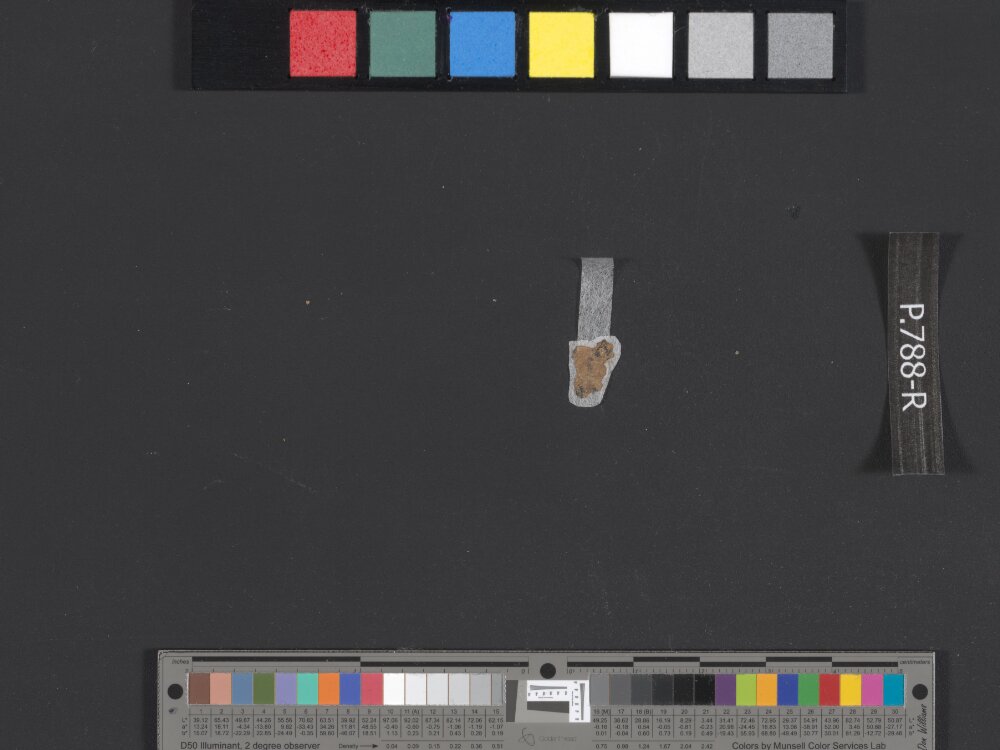
8QPs (Scan 1)
Discovered in Qumran Cave 8, this Herodian-era manuscript preserves portions of the Book of Psalms, specifically Psalms 17 and 18. Written in a formal Hebrew script, it exemplifies the stichometric (poetic verse-line) layout common for biblical poetry during the Second Temple period.
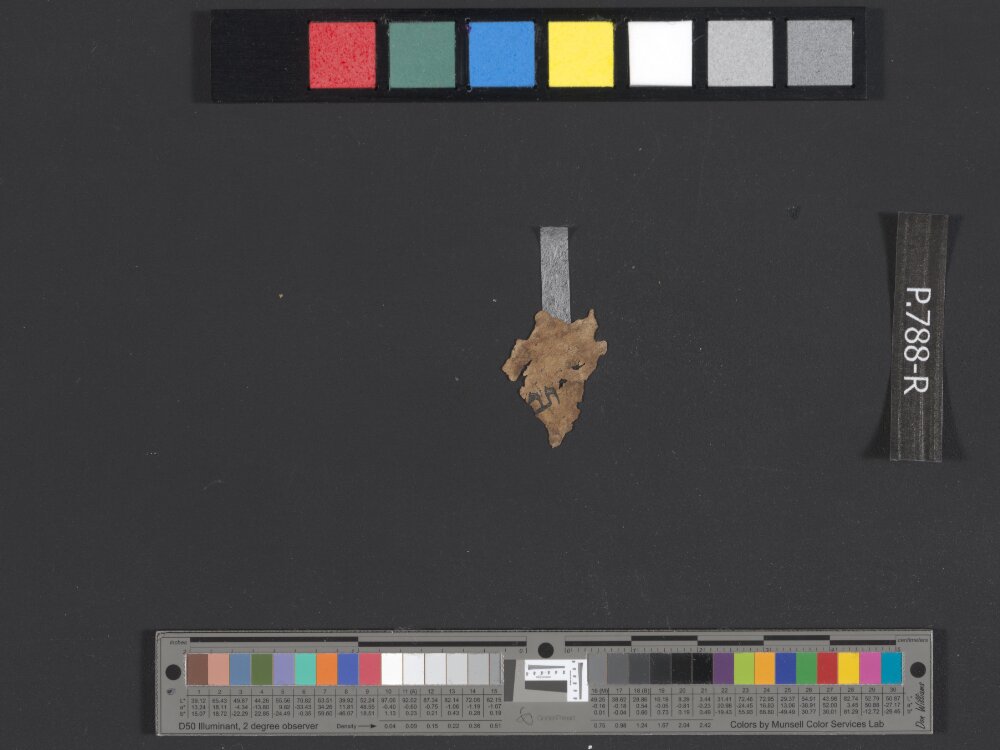
8QPs (Scan 2)
Discovered in Qumran Cave 8, this Herodian-era manuscript preserves portions of the Book of Psalms, specifically Psalms 17 and 18. Written in a formal Hebrew script, it exemplifies the stichometric (poetic verse-line) layout common for biblical poetry during the Second Temple period.
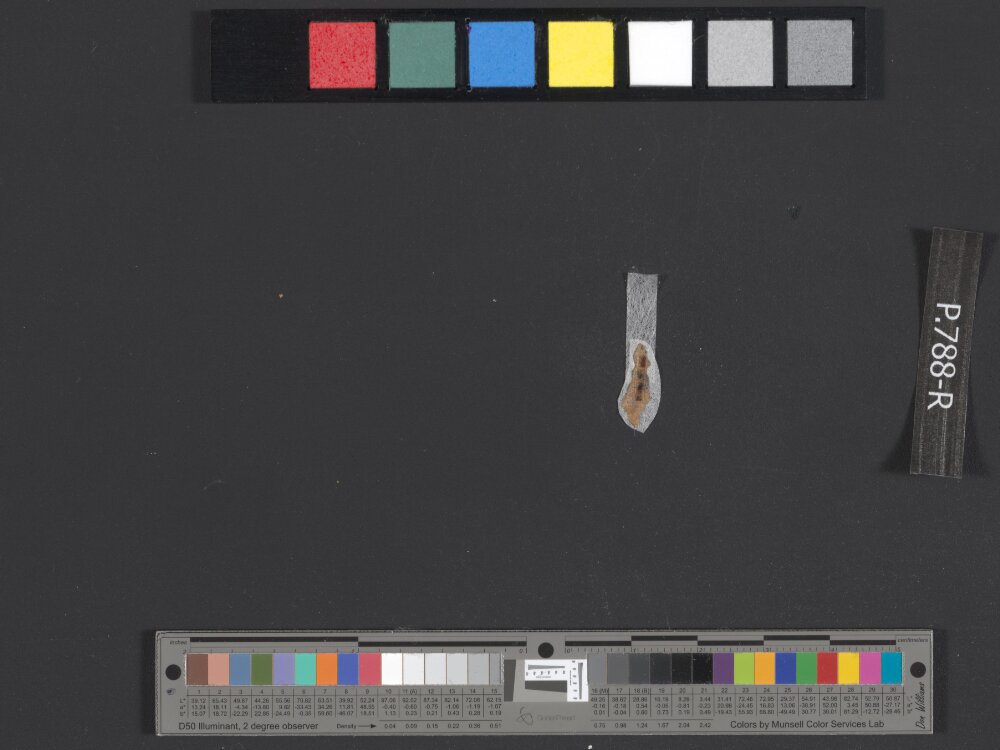
8QPs (Scan 3)
Discovered in Qumran Cave 8, this Herodian-era manuscript preserves portions of the Book of Psalms, specifically Psalms 17 and 18. Written in a formal Hebrew script, it exemplifies the stichometric (poetic verse-line) layout common for biblical poetry during the Second Temple period.
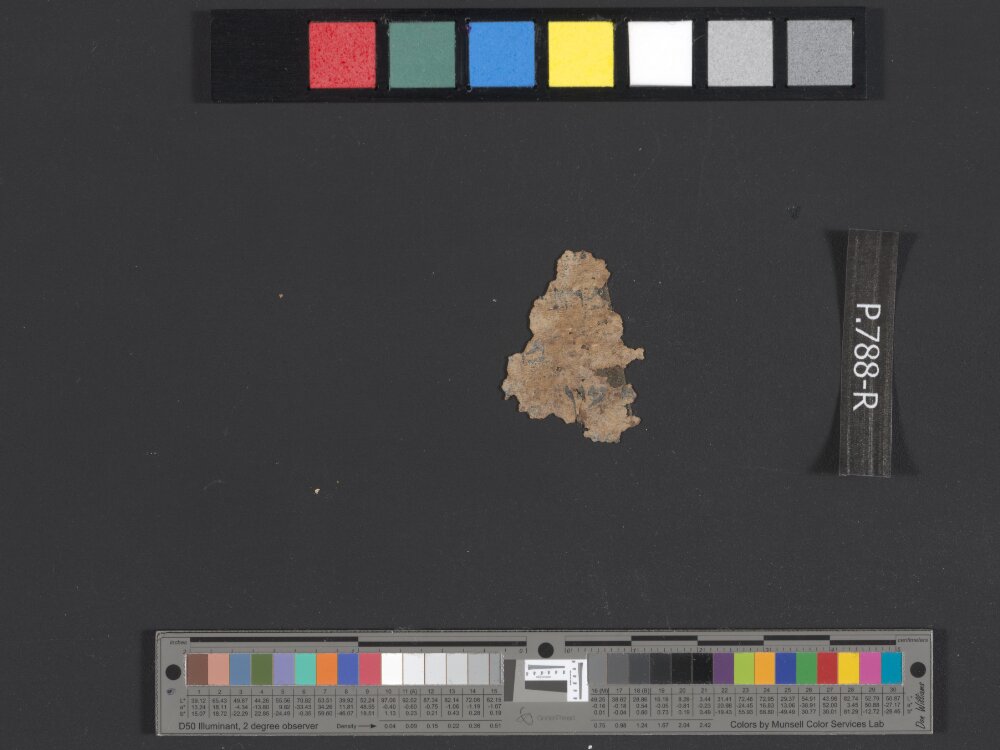
8QPs (Scan 4)
Discovered in Qumran Cave 8, this Herodian-era manuscript preserves portions of the Book of Psalms, specifically Psalms 17 and 18. Written in a formal Hebrew script, it exemplifies the stichometric (poetic verse-line) layout common for biblical poetry during the Second Temple period.
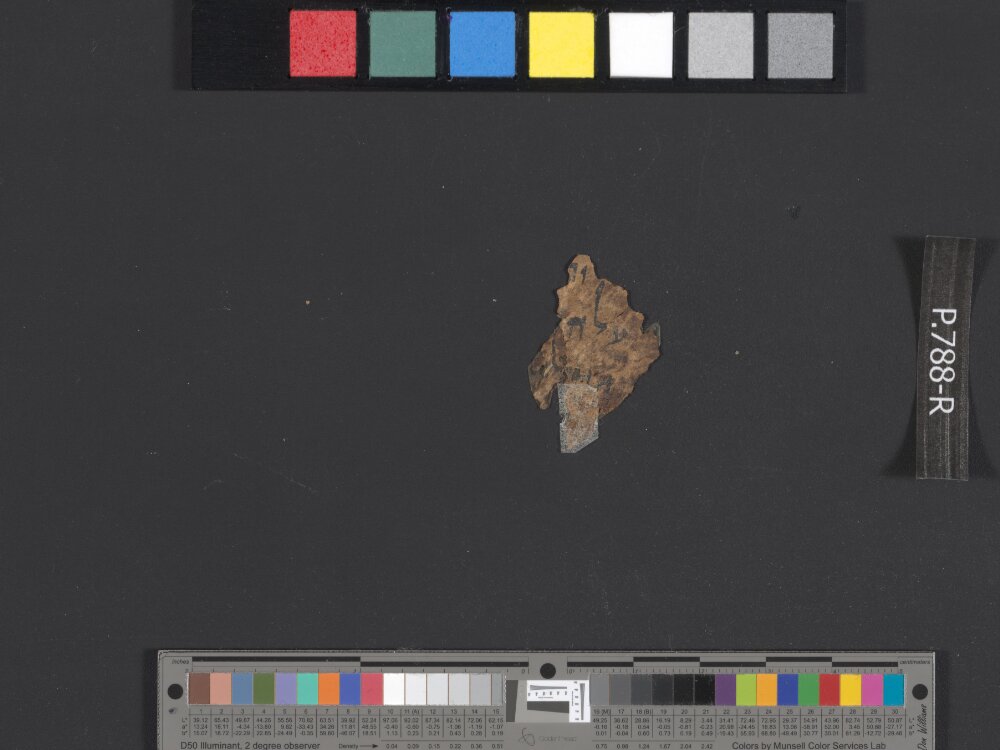
8QPs (Scan 5)
Discovered in Qumran Cave 8, this Herodian-era manuscript preserves portions of the Book of Psalms, specifically Psalms 17 and 18. Written in a formal Hebrew script, it exemplifies the stichometric (poetic verse-line) layout common for biblical poetry during the Second Temple period.
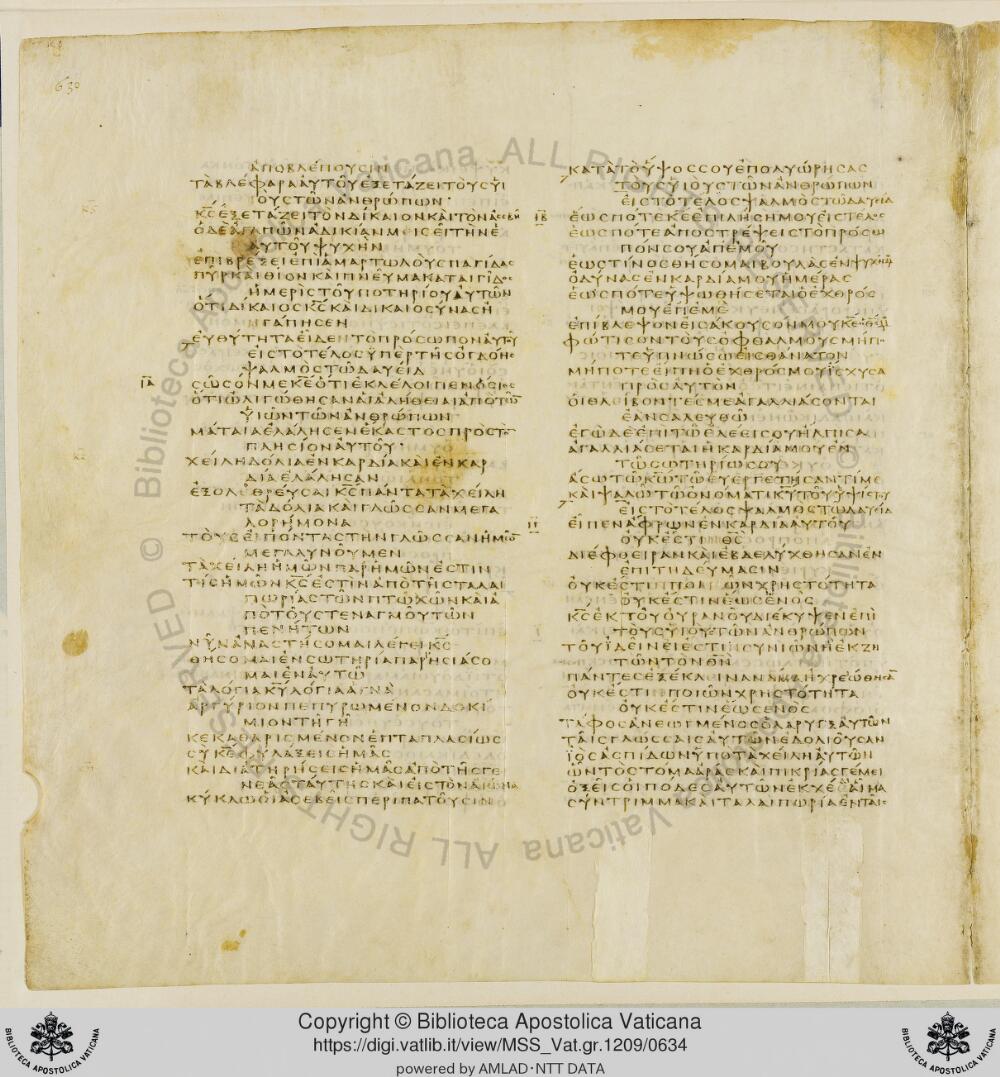
Codex Vaticanus
Codex Vaticanus is one of the oldest and most valuable surviving manuscripts of the complete Greek Bible. It has been securely housed in the Vatican Library since at least the late 15th century and is celebrated for its elegant script written on very high-quality vellum.
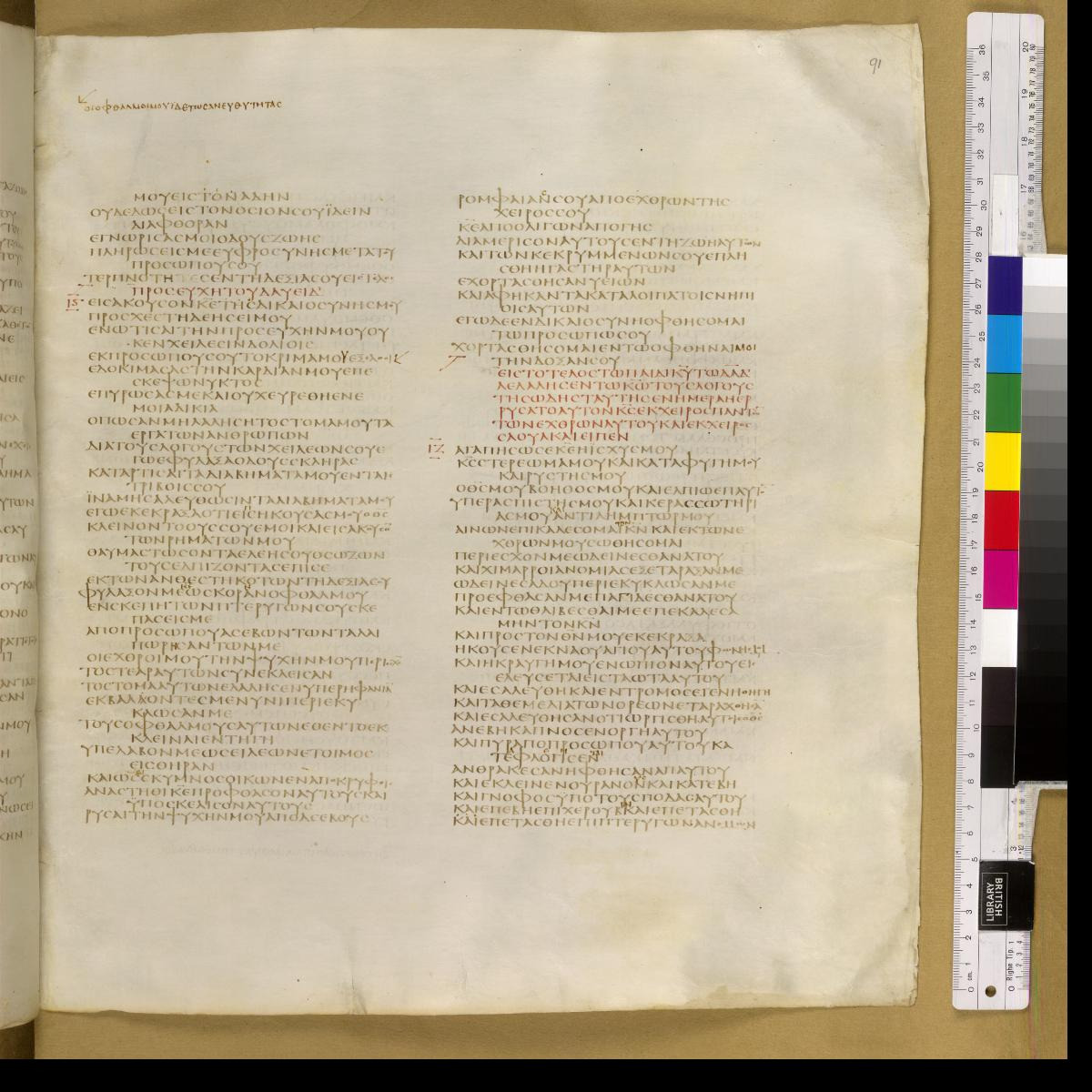
Codex Sinaiticus
Codex Sinaiticus is one of the most celebrated and important books in the world. Handwritten well over 1,600 years ago, it contains the Christian Bible in Greek, including the oldest surviving complete copy of the New Testament. Originally discovered at St. Catherine's Monastery at the foot of Mount Sinai, its surviving leaves are now preserved across four libraries worldwide, with the largest portion held at the British Library.