
Surah 17:0
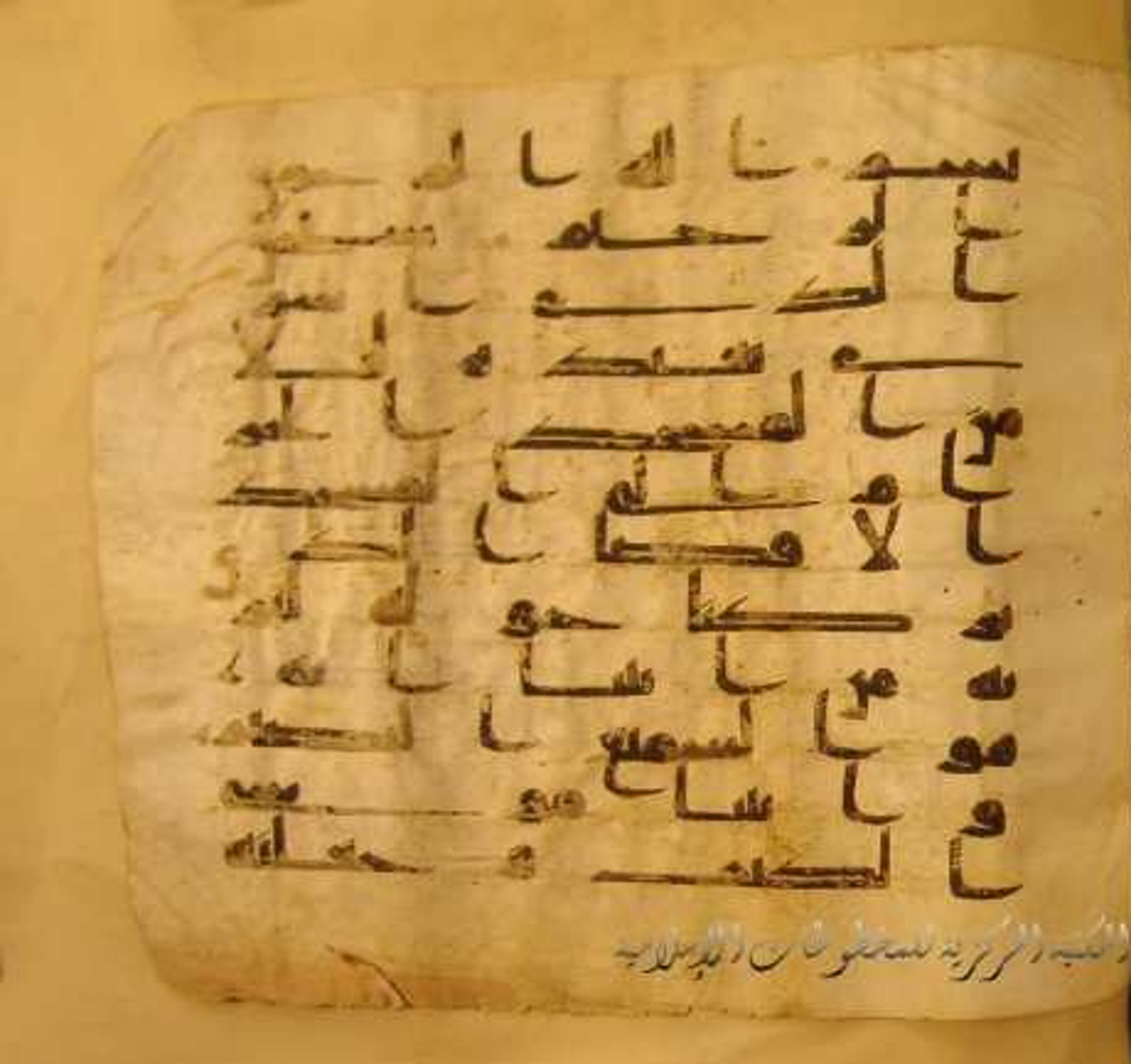
Paris, Bibliothèque nationale de France, Arabe 324 (c)
Carbon dating of fragments from Arabe 324 (c) places its origin between 660-780 AD. The manuscript is part of a composite codex, where Arabe 324 (c) and Gotha Ms. orient. A 462 are original leaves, while other sections such as Arabe 324 (a) and (d) were added centuries later to replace damaged or missing pages.
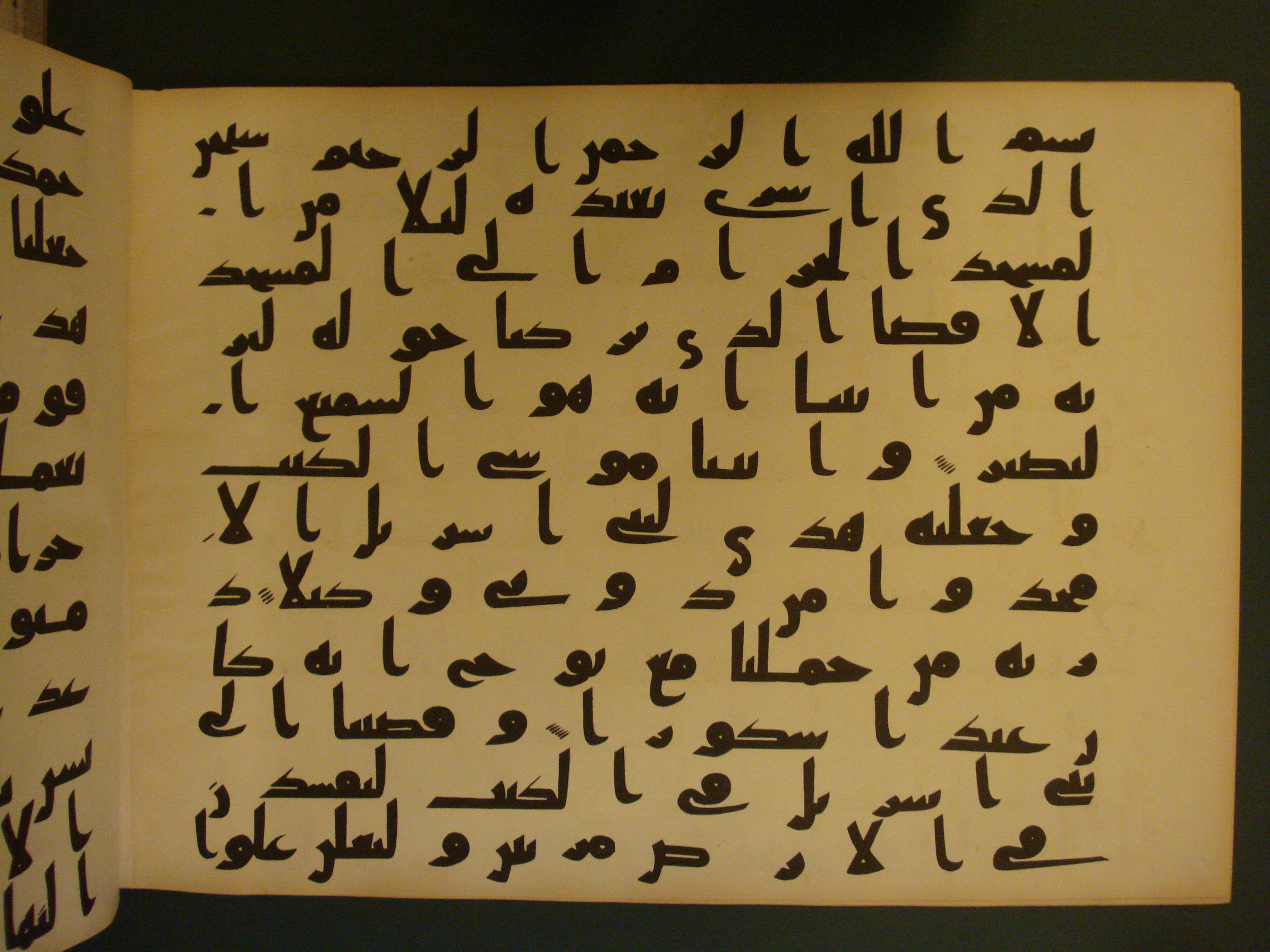
Samarkand Kufic Quran
This monumental manuscript is one of the oldest surviving Qurans, traditionally believed to be the personal copy of Caliph Uthman stained with his blood. After being taken by Russian imperial forces in 1868 to Saint Petersburg, it was repatriated to Tashkent in 1923.
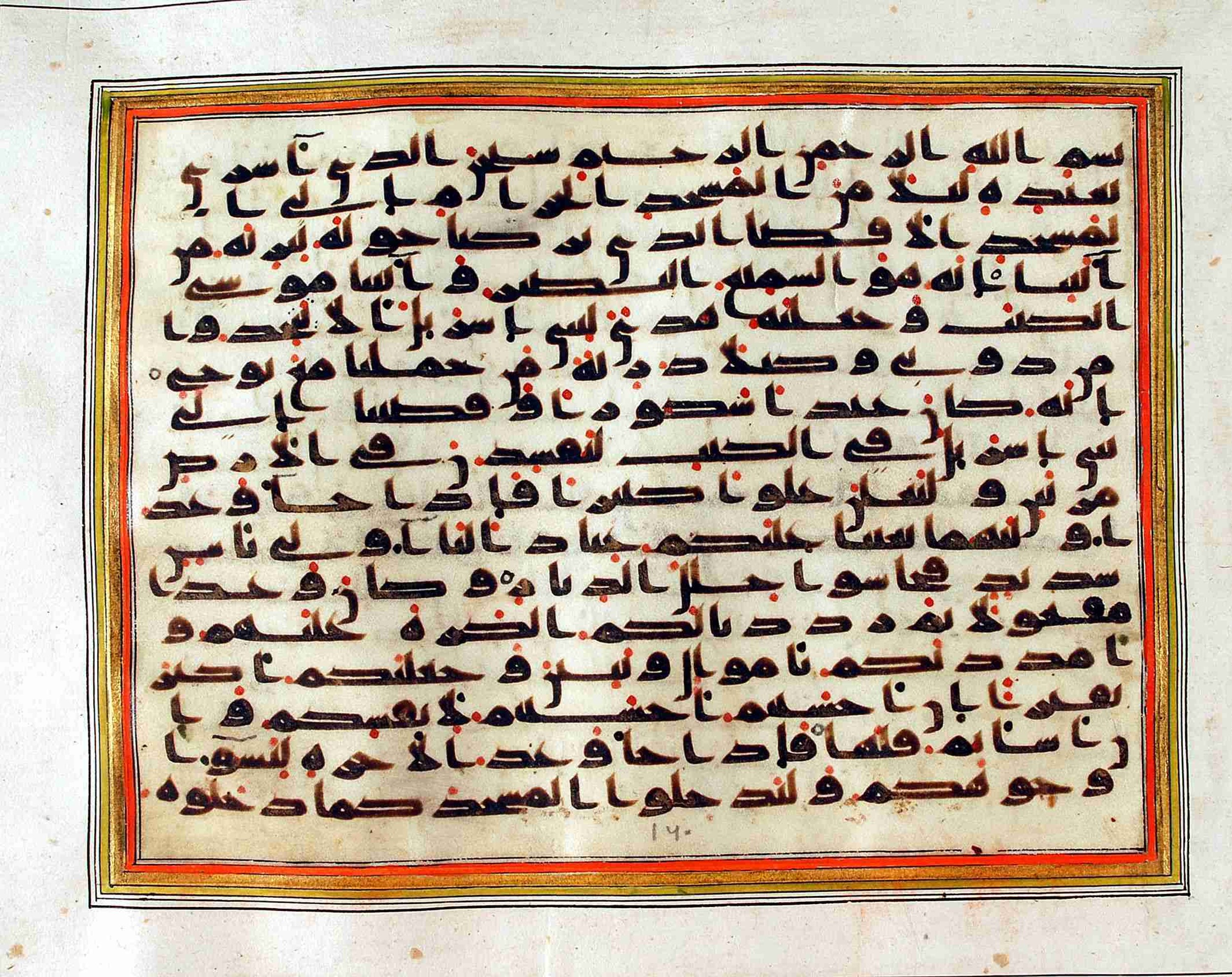
Rampur Raza Library No. 1
This manuscript is a highly prized copy traditionally ascribed to the penmanship of Ali ibn Abi Talib, the fourth Caliph. It features modern gold and colored borders on the paper margins.
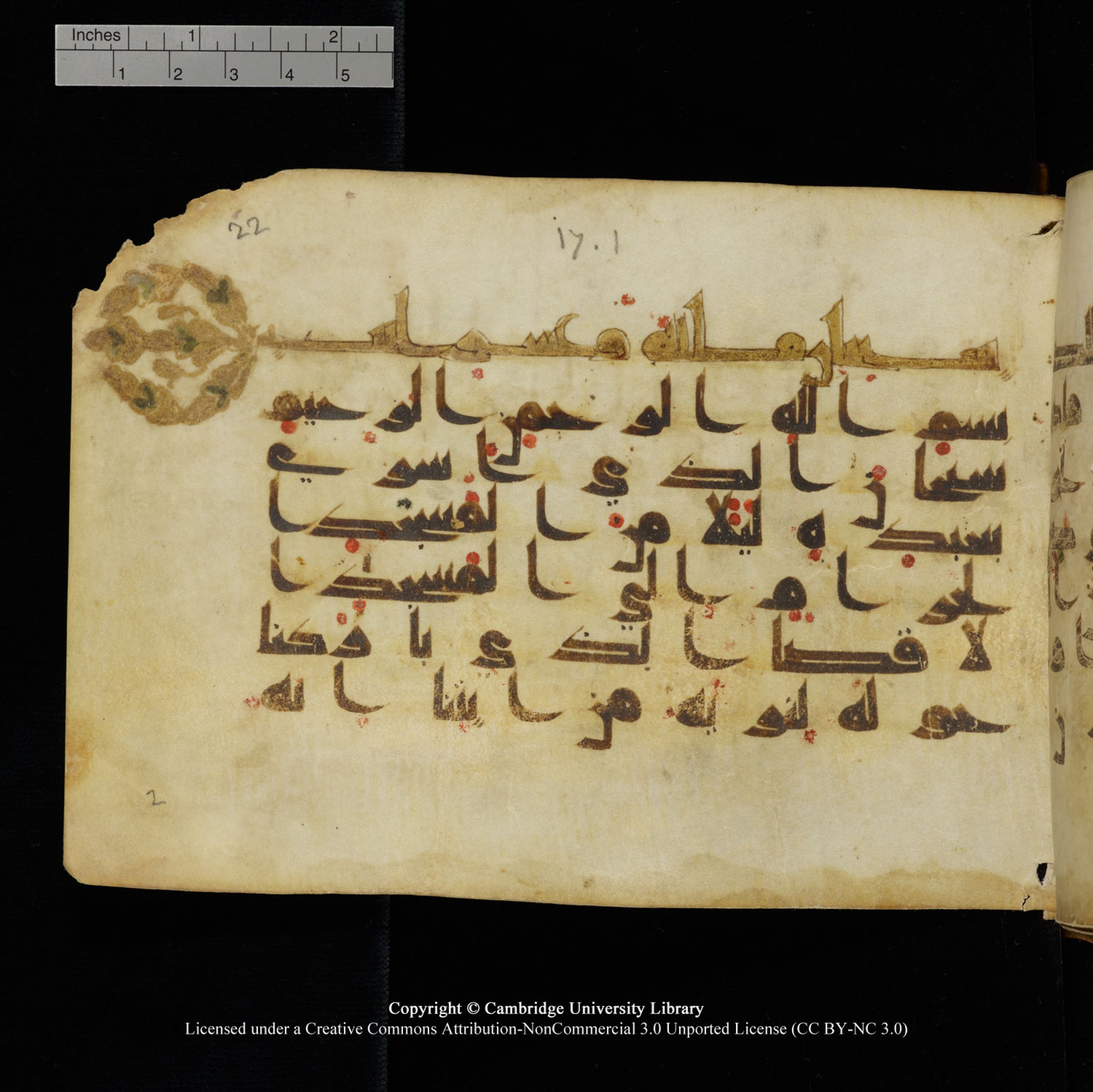
Cambridge University Library, MS Add.1132
This fragment was acquired by the University of Cambridge in 1878 from Edward H. Palmer and E.E. Tyrwhitt Drake. Palmer collected this and other early Qur'an manuscripts during a notable research expedition to the Sinai Peninsula.
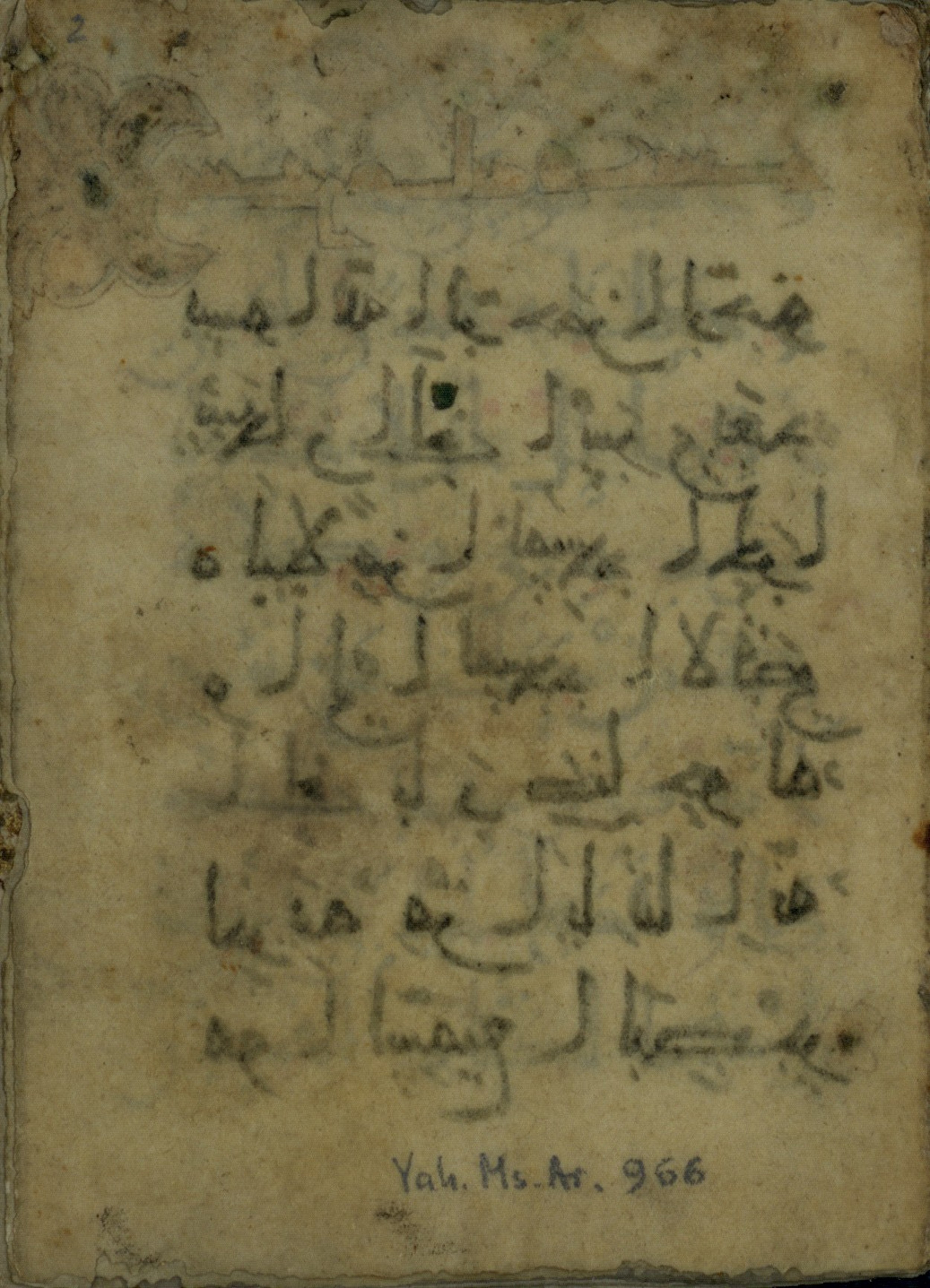
Ms. Yah. Ar. 966
This manuscript features a rare, dated colophon from 292 AH (904-905 AD) by Ahmad al-Khayqani, who updated the vowelling and diacritical marks. Written in Persian, this colophon is considered one of the oldest known testimonies of the New Persian language written in the Arabic script.
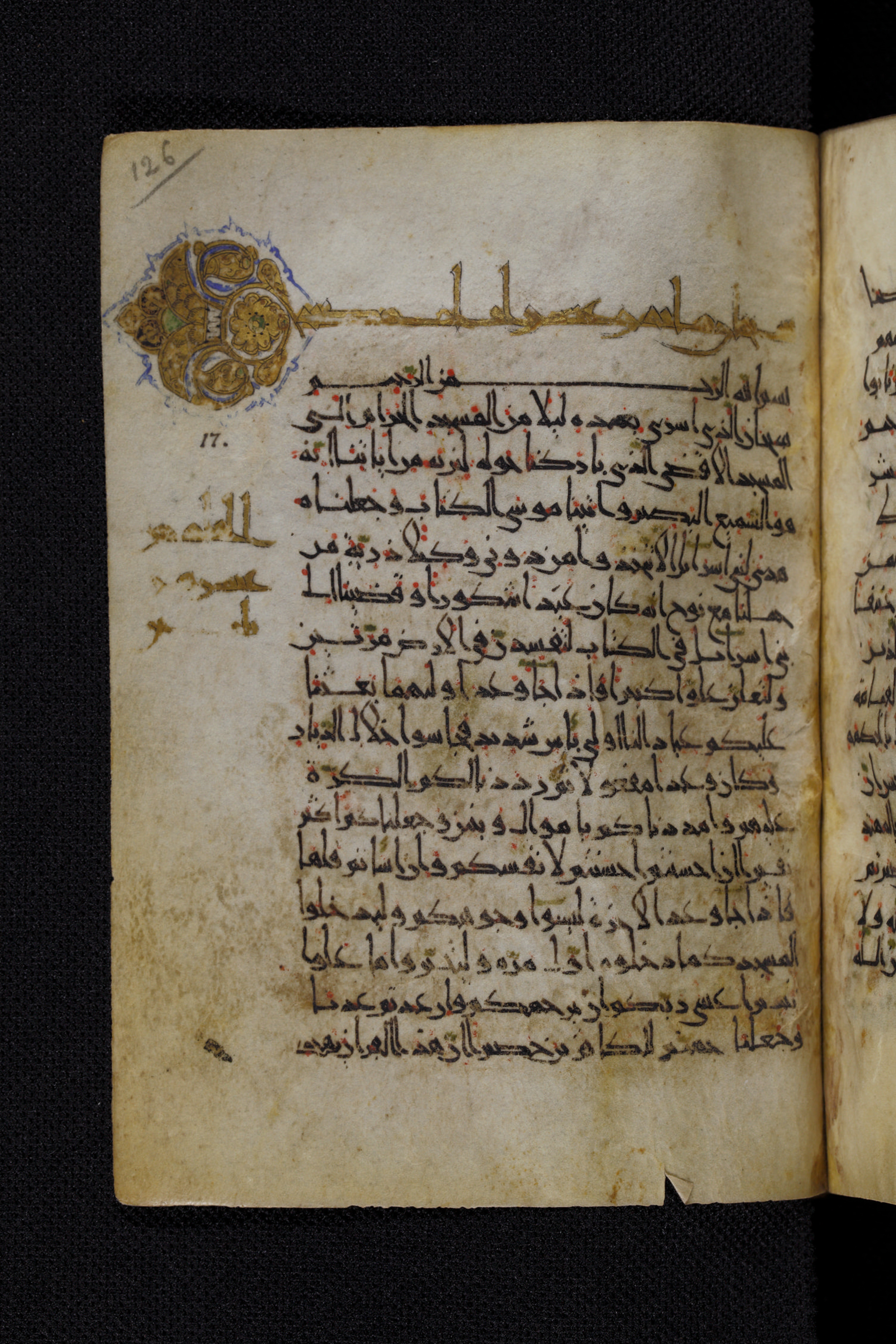
Diez A oct 172
This codex is largely complete, containing the entire Quran, though the first folio and a few other leaves were supplied by a later hand. Written on parchment, the manuscript represents an important transitional stage in the evolution of the Arabic script toward the Maghrebi style. While generally well-preserved, some of the early and late folios exhibit water damage and have been repaired.
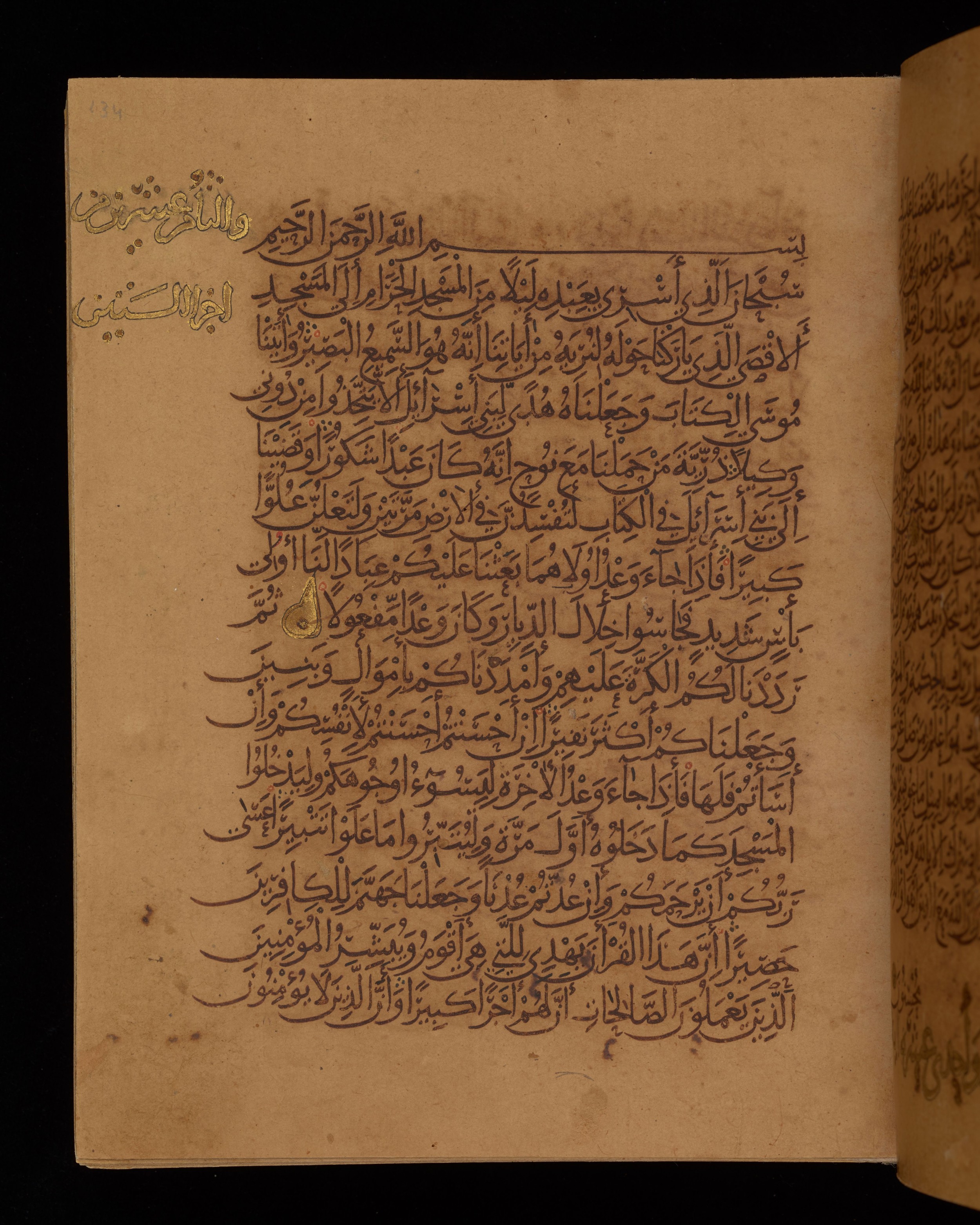
Dublin, Chester Beatty Library, Is 1431
This complete Quran was produced in Baghdad by the renowned calligrapher ʿAlī b. Hilāl, also known as Ibn al-Bawwāb, around 1000-1001 AD. He is a significant figure in Islamic art, closely associated with the adoption of the round Naskh script to transcribe the Quran.