
Surah 19:0
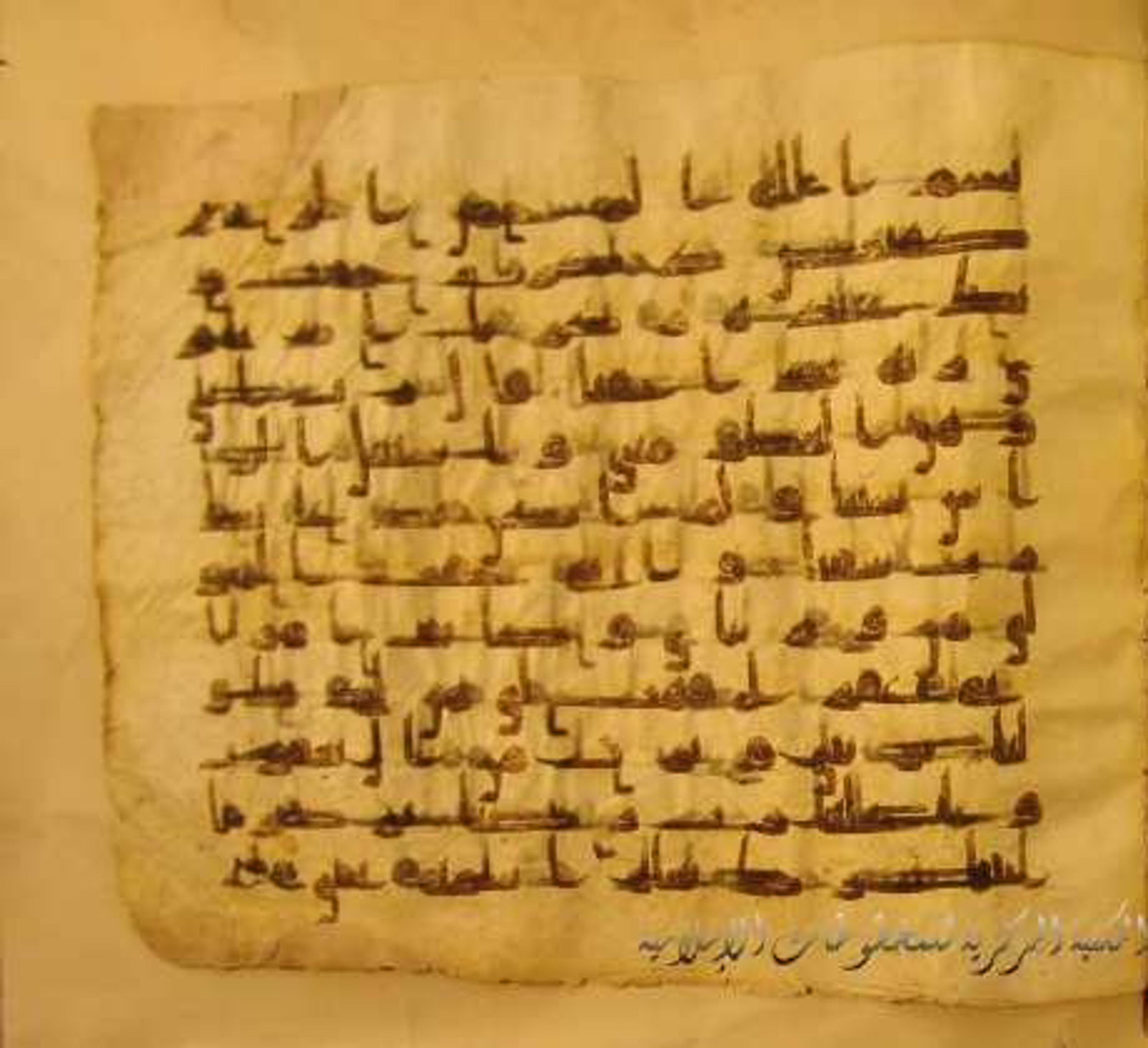
Paris, Bibliothèque nationale de France, Arabe 324 (c)
Carbon dating of fragments from Arabe 324 (c) places its origin between 660-780 AD. The manuscript is part of a composite codex, where Arabe 324 (c) and Gotha Ms. orient. A 462 are original leaves, while other sections such as Arabe 324 (a) and (d) were added centuries later to replace damaged or missing pages.
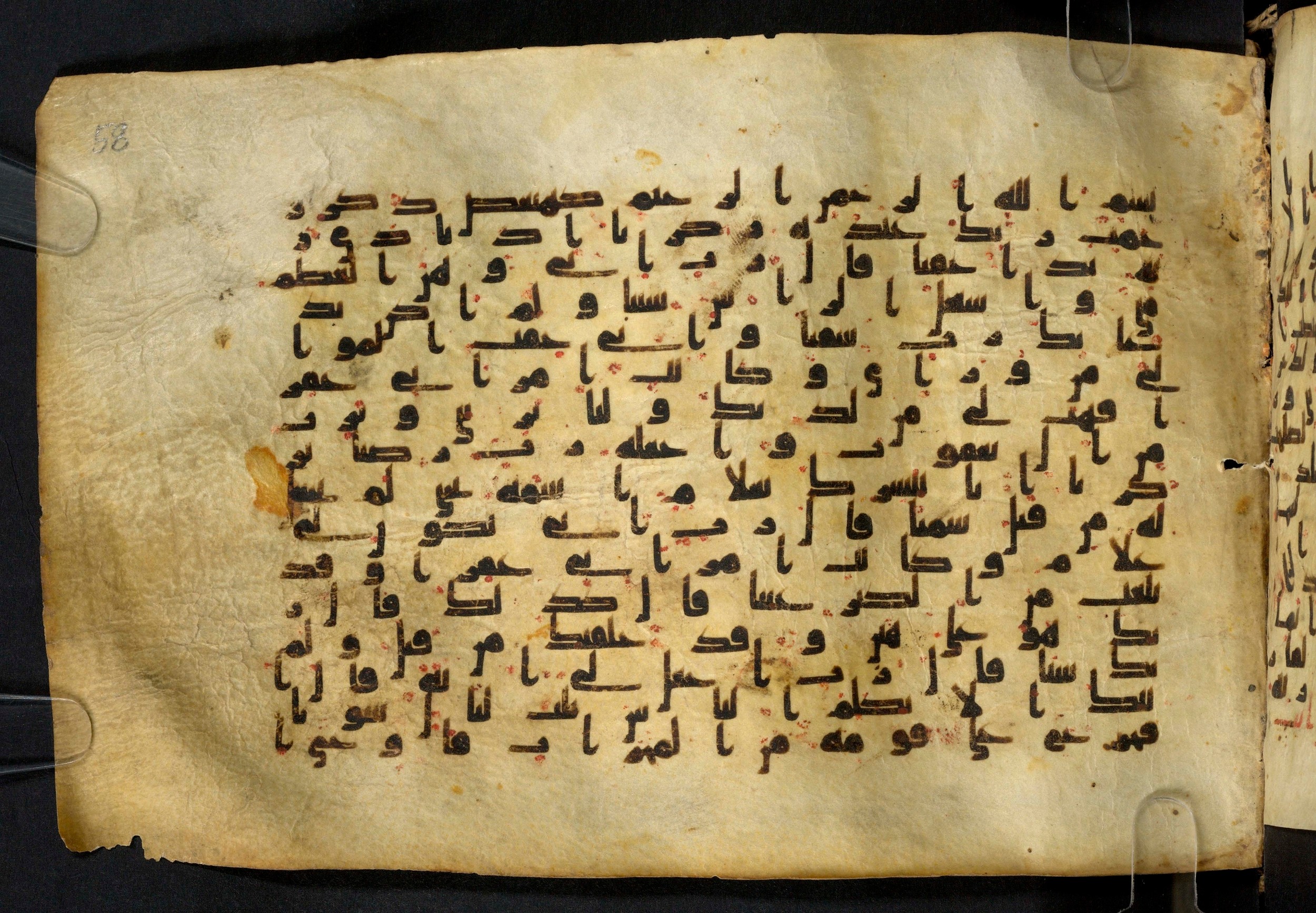
Moritz 1905, Tables 39-40
This codex fragment was documented in Bernhard Moritz's 1905 'Arabic Palaeography' album and was reportedly discovered in the ancient Egyptian city of Bahnasa (Oxyrynchos). Scholars suggest it may originally belong to the same large codex as other early Quranic fragments currently held in the Vatican, Paris, and the Khalili Collections.
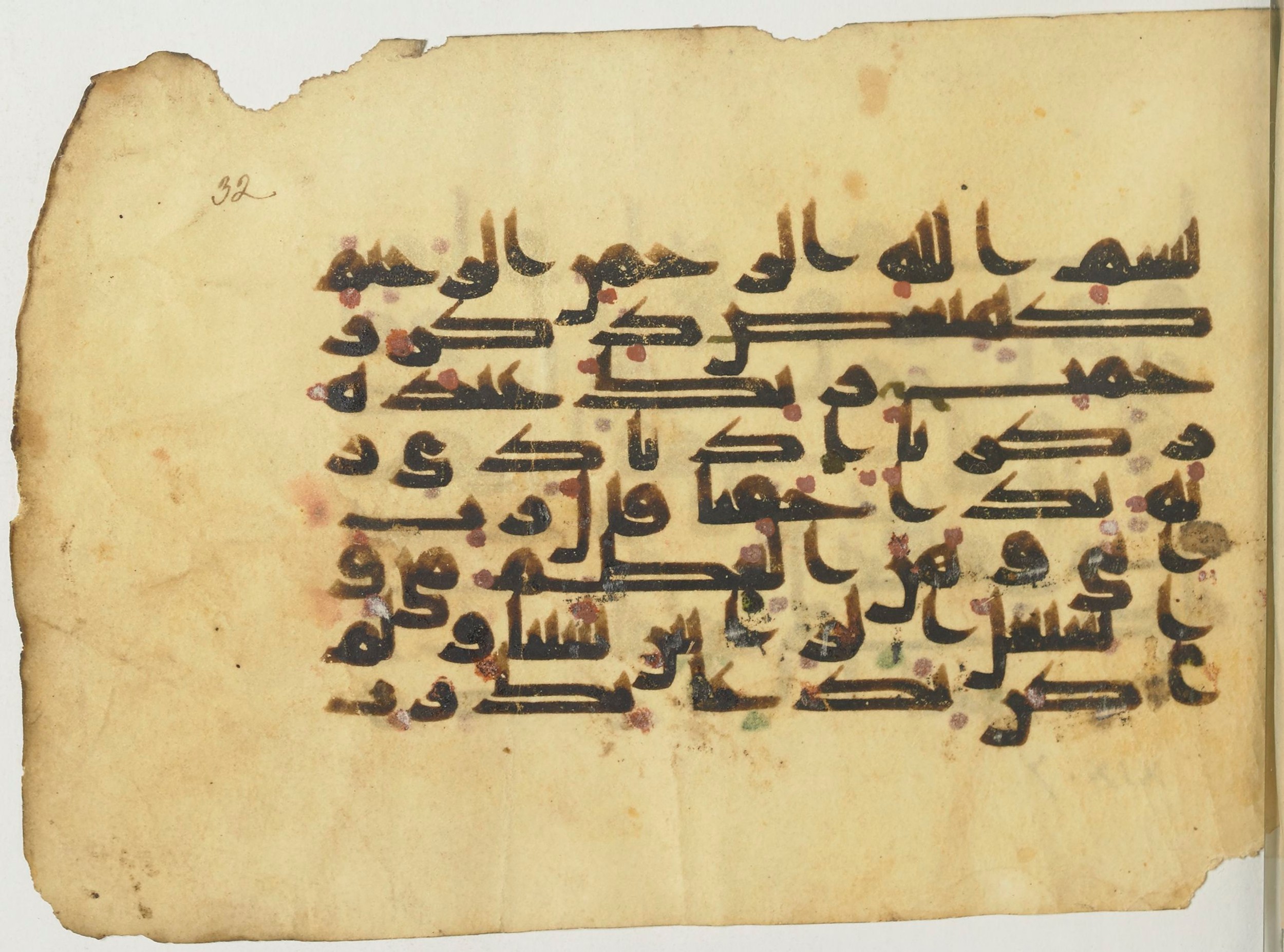
Paris, Bibliothèque nationale de France, Arabe 367 (d)
The manuscript features rare oval diacritics and red dots for vocalization. Golden Kufic letters (hāʾ) are used to mark groups of five verses, while ten-verse groups are marked with decorative medallions. Notably, the beginning of Surah 19 includes the surah's title and verse count inscribed in golden ink.
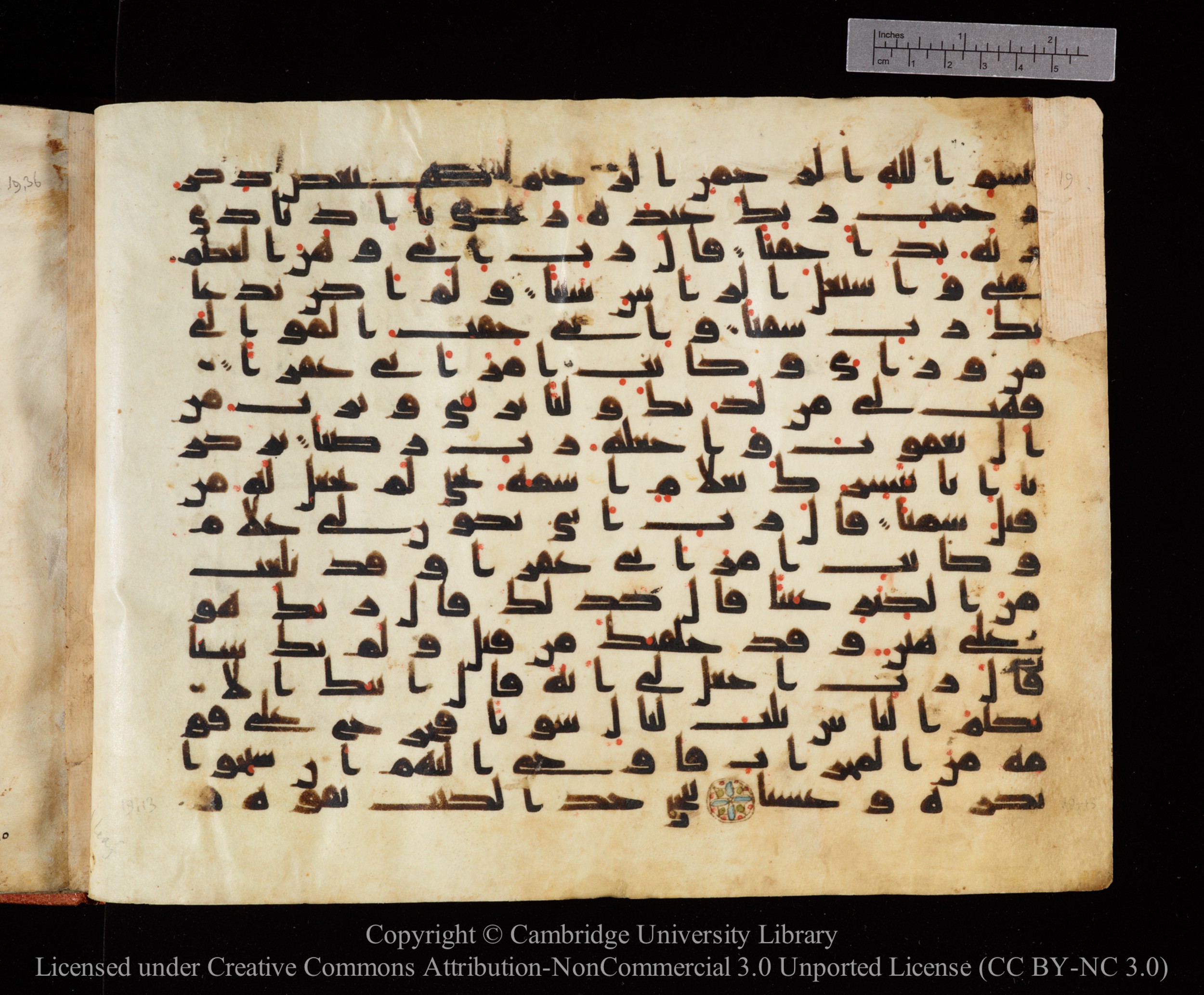
Cambridge University Library MS Or.771
This manuscript is a fragment of an Abbasid Qur'ān written on 36 parchment folios.