
Surah 2:0
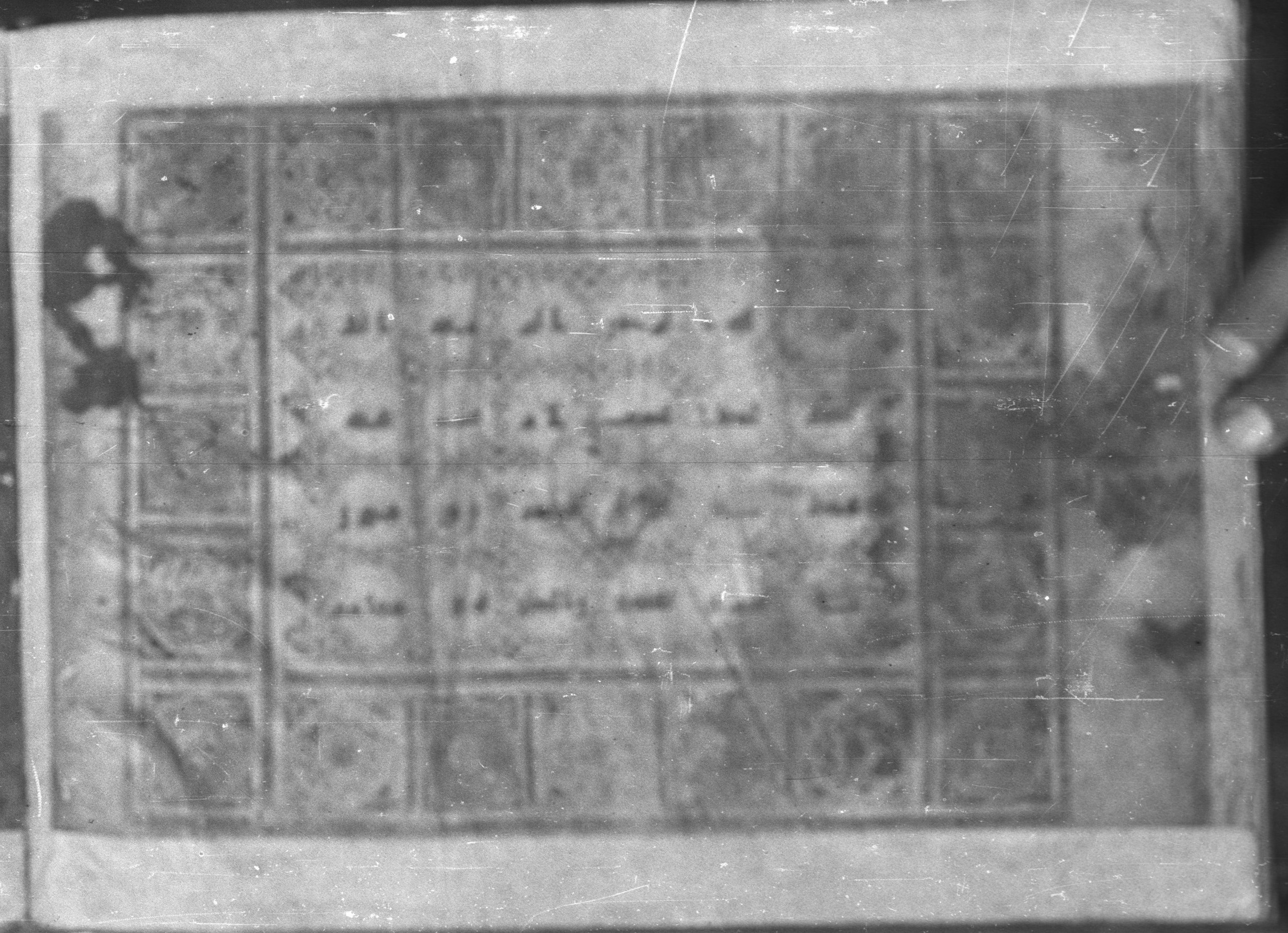
Topkapı Palace Museum, Saray 50395 (Scan 1)
This nearly complete codex is an exceptional document, as complete codices in Kūfī D script style are extremely rare. The manuscript features illuminated pages for the first three and last six folios, as well as at surah beginnings.
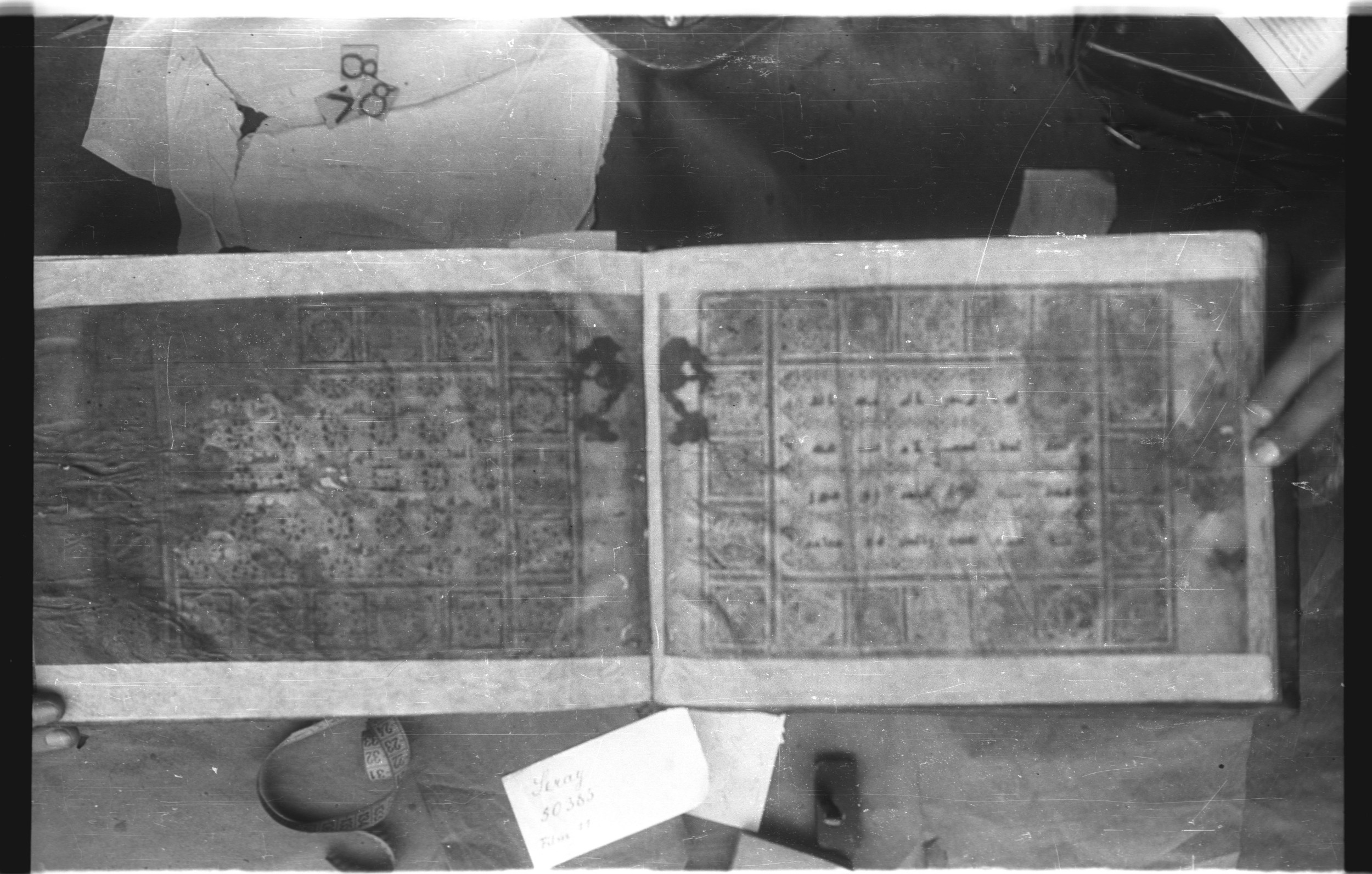
Topkapı Palace Museum, Saray 50395 (Scan 2)
This nearly complete codex is an exceptional document, as complete codices in Kūfī D script style are extremely rare. The manuscript features illuminated pages for the first three and last six folios, as well as at surah beginnings.
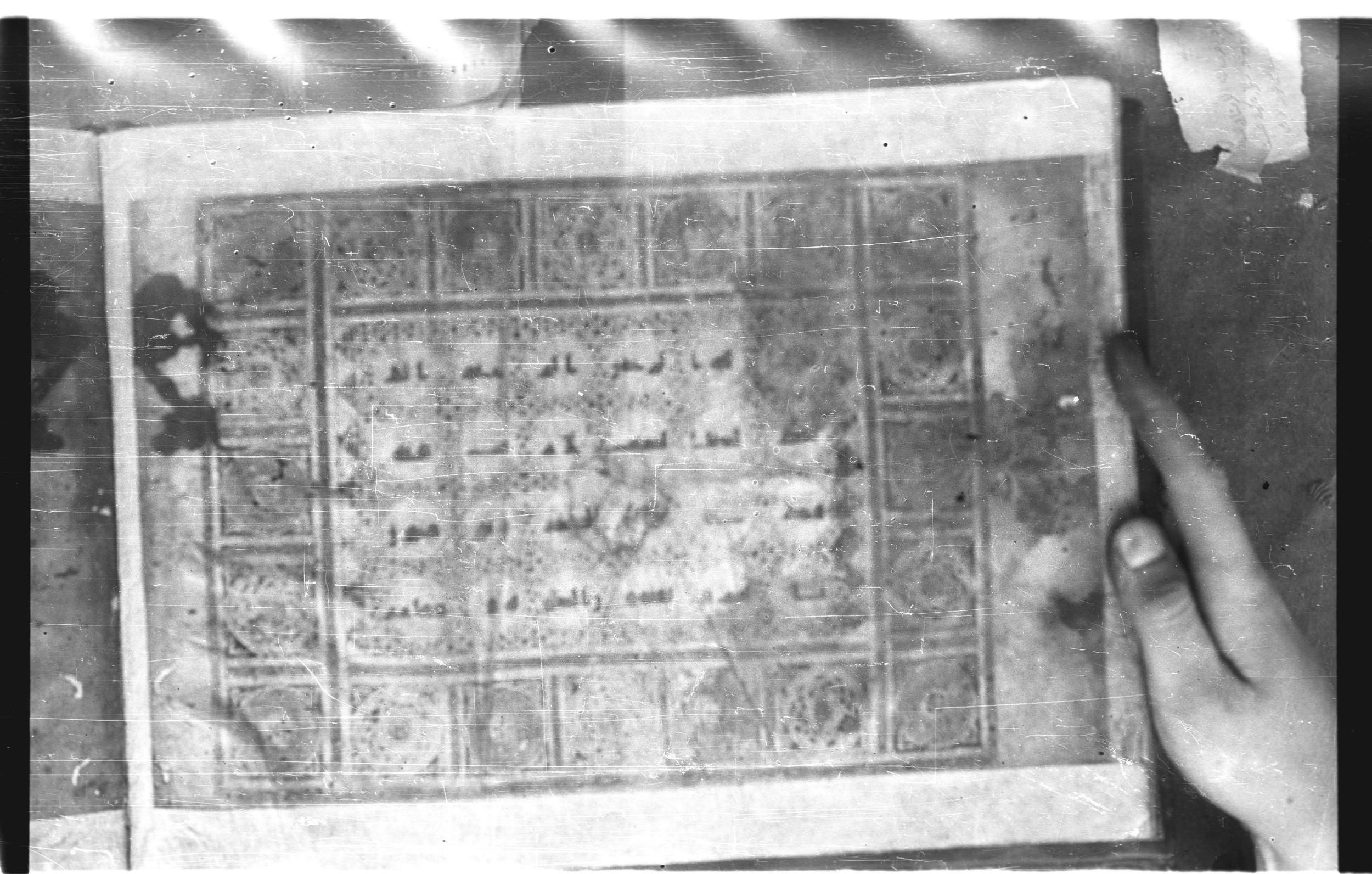
Topkapı Palace Museum, Saray 50395 (Scan 3)
This nearly complete codex is an exceptional document, as complete codices in Kūfī D script style are extremely rare. The manuscript features illuminated pages for the first three and last six folios, as well as at surah beginnings.
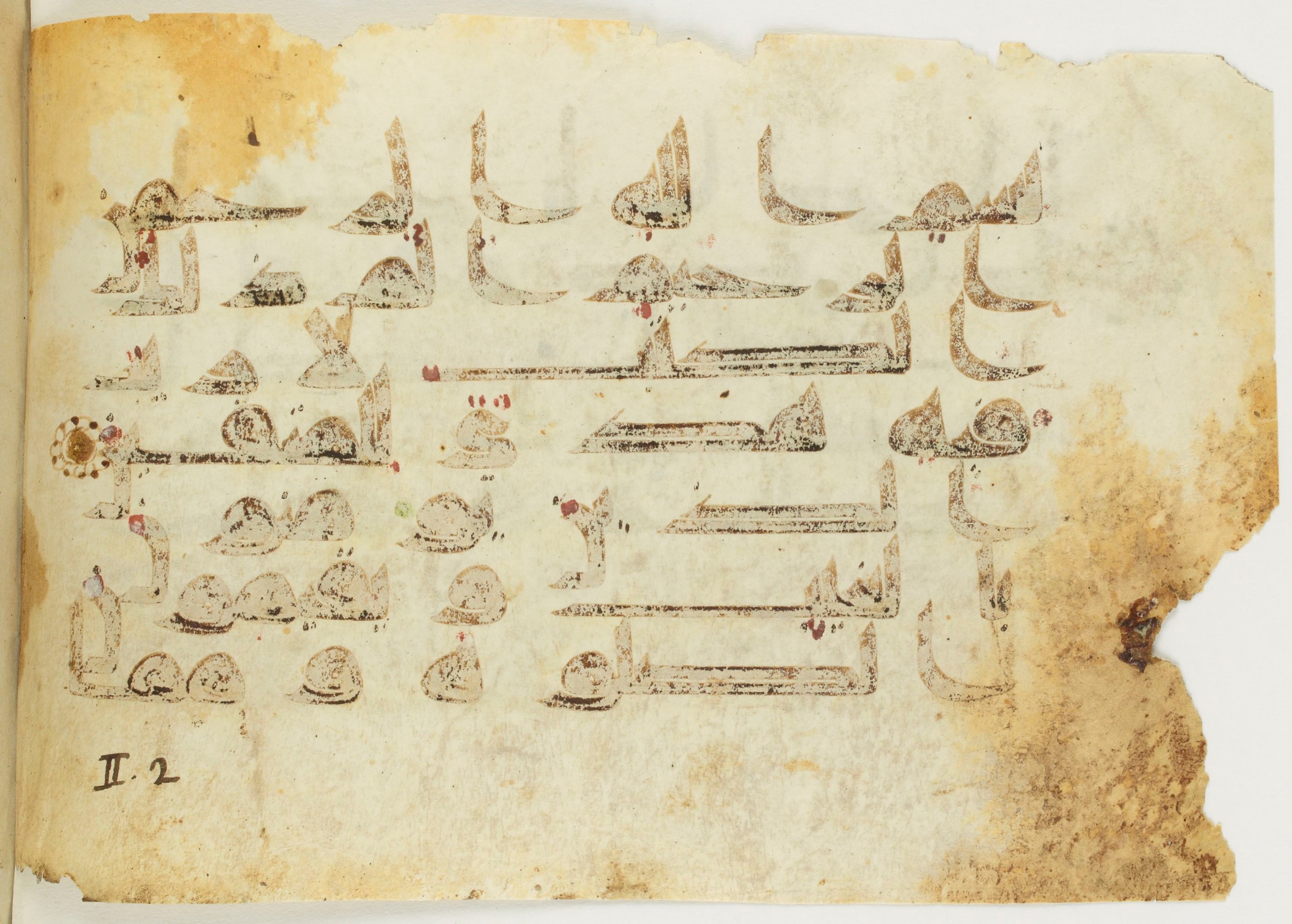
Paris, Bibliothèque nationale de France, Arabe 353 (a)
This manuscript is notable for its elaborate geometric and vegetal full-page illuminations on the first and last folios, utilizing golden loops and stylized motifs. It also includes early diacritics and vocalization indicators in the form of partial red dots.
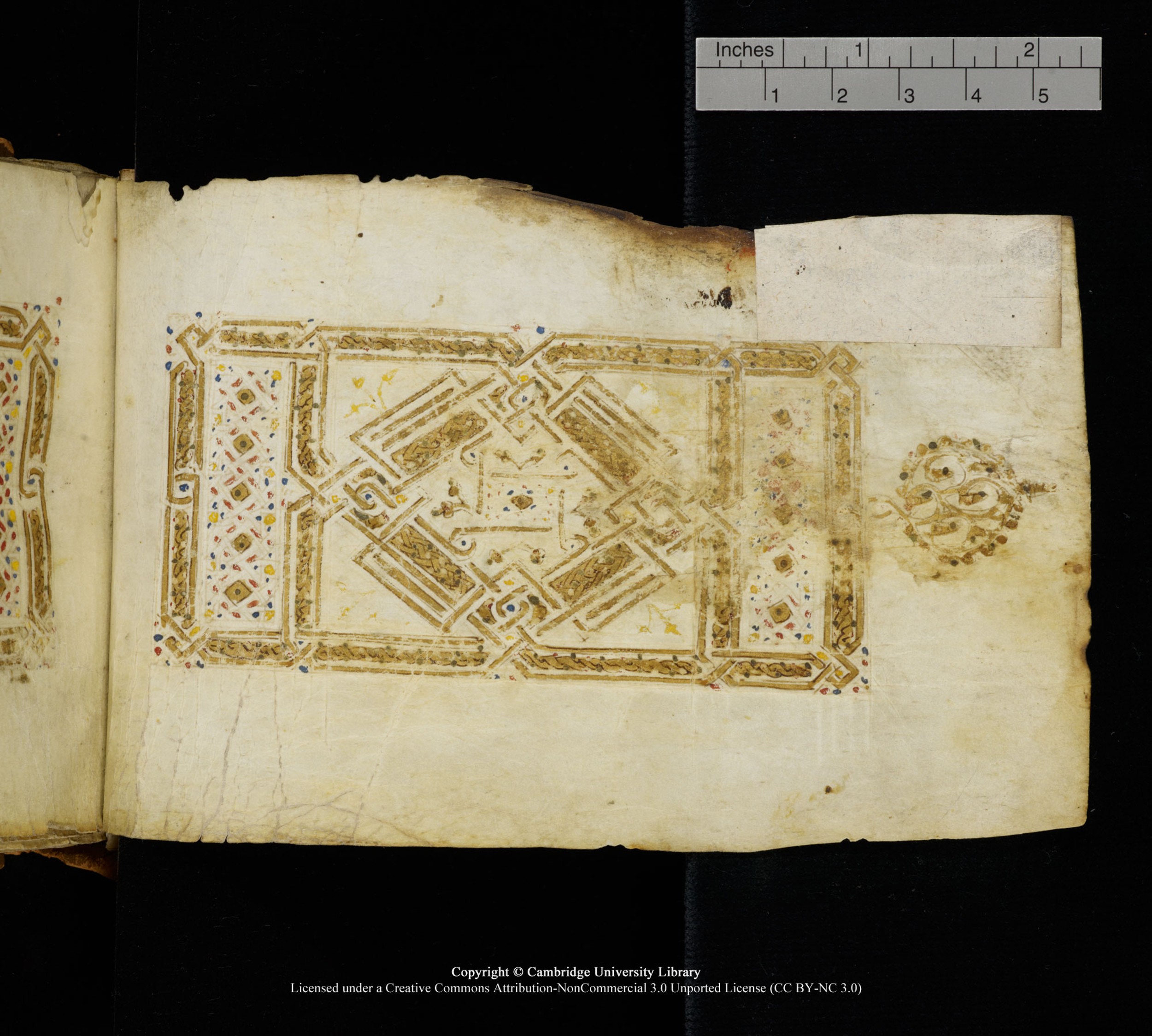
Cambridge, Cambridge University Library, MS Add.1111 (Scan 1)
This Abbasid-era manuscript features verses inscribed in a gilded frame, with several folios decorated with rectangular gilded panels. It was acquired by Edward H. Palmer during an 1878 research trip to the Sinai Peninsula.
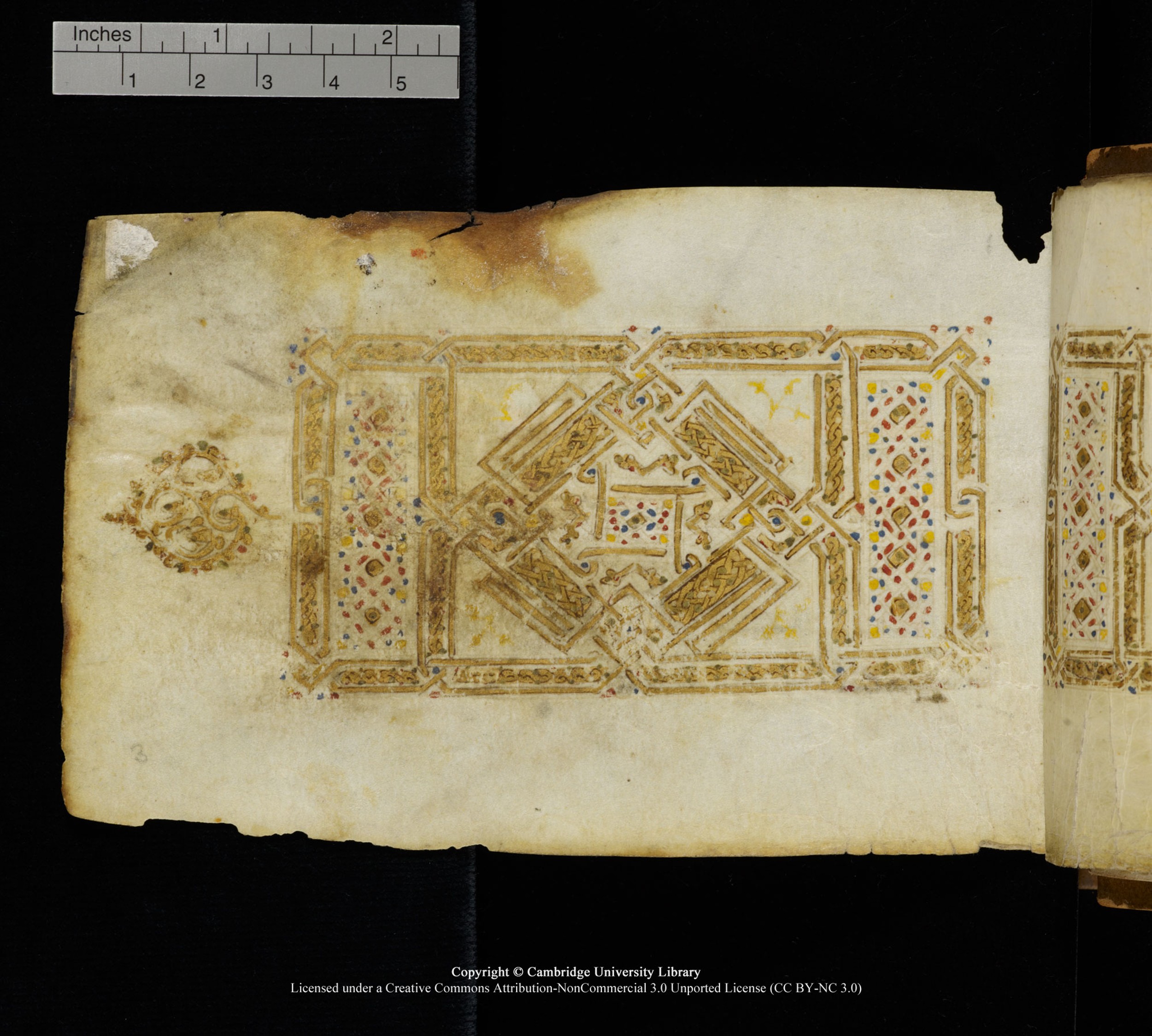
Cambridge, Cambridge University Library, MS Add.1111 (Scan 2)
This Abbasid-era manuscript features verses inscribed in a gilded frame, with several folios decorated with rectangular gilded panels. It was acquired by Edward H. Palmer during an 1878 research trip to the Sinai Peninsula.
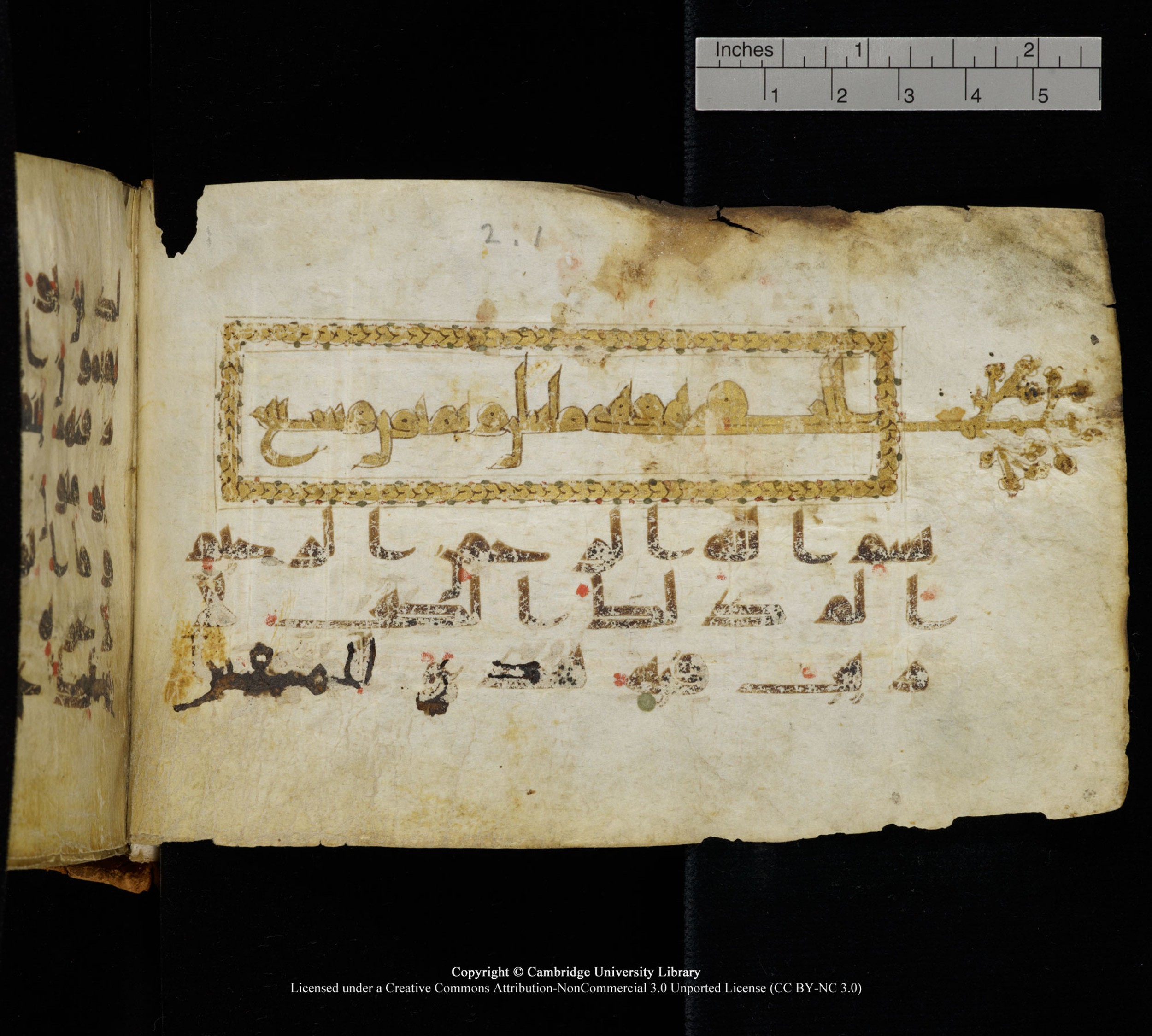
Cambridge, Cambridge University Library, MS Add.1111 (Scan 3)
This Abbasid-era manuscript features verses inscribed in a gilded frame, with several folios decorated with rectangular gilded panels. It was acquired by Edward H. Palmer during an 1878 research trip to the Sinai Peninsula.
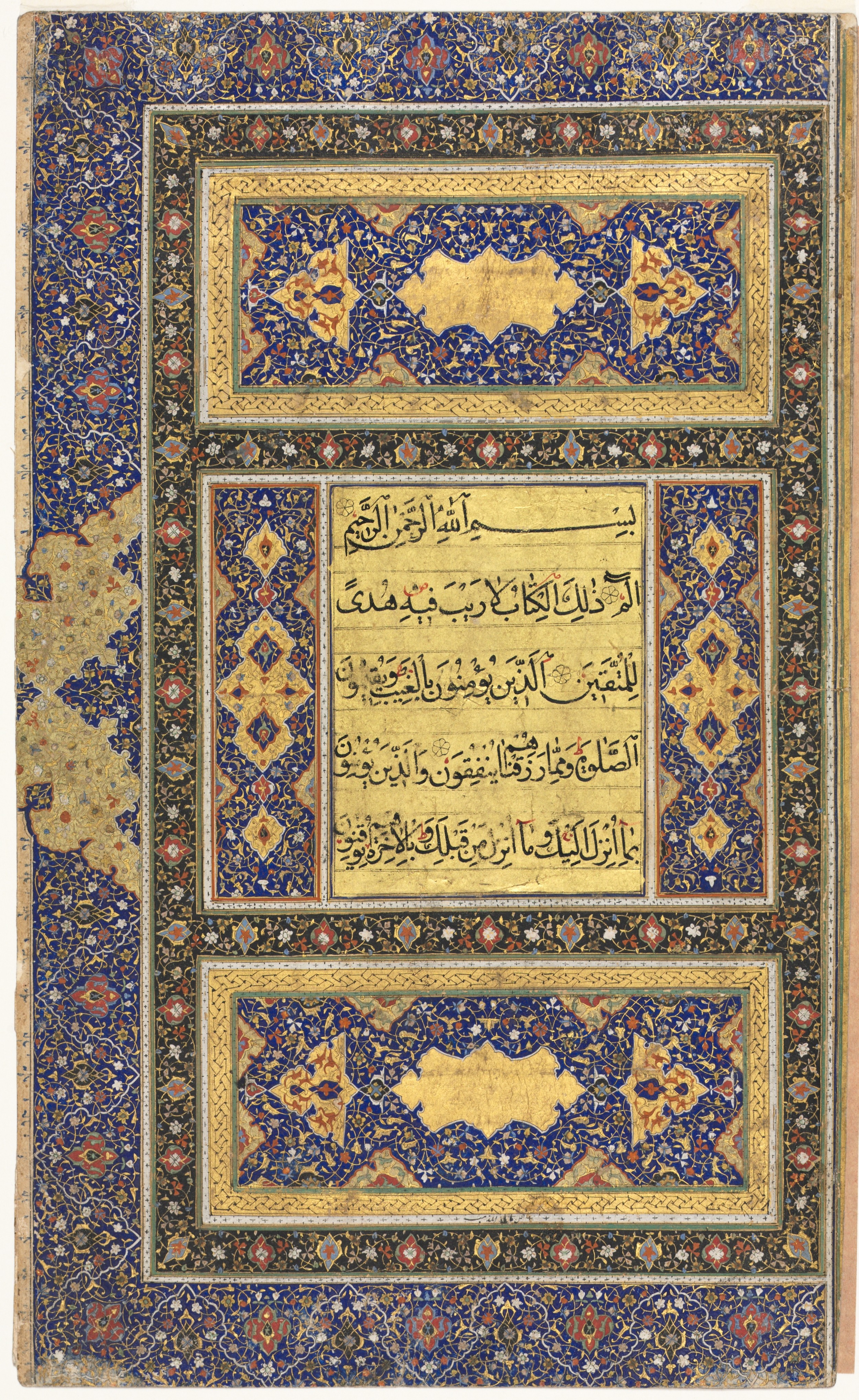
Cleveland Museum of Art, 1924.746
This double-page illuminated frontispiece was produced during the Safavid period, likely in Herat. The elegant naskhi script is written on a gold ground with florets identifying verse ends, and features a tiny, though illegible, signature of the illuminator hidden in the white border.