
Surah 20:0
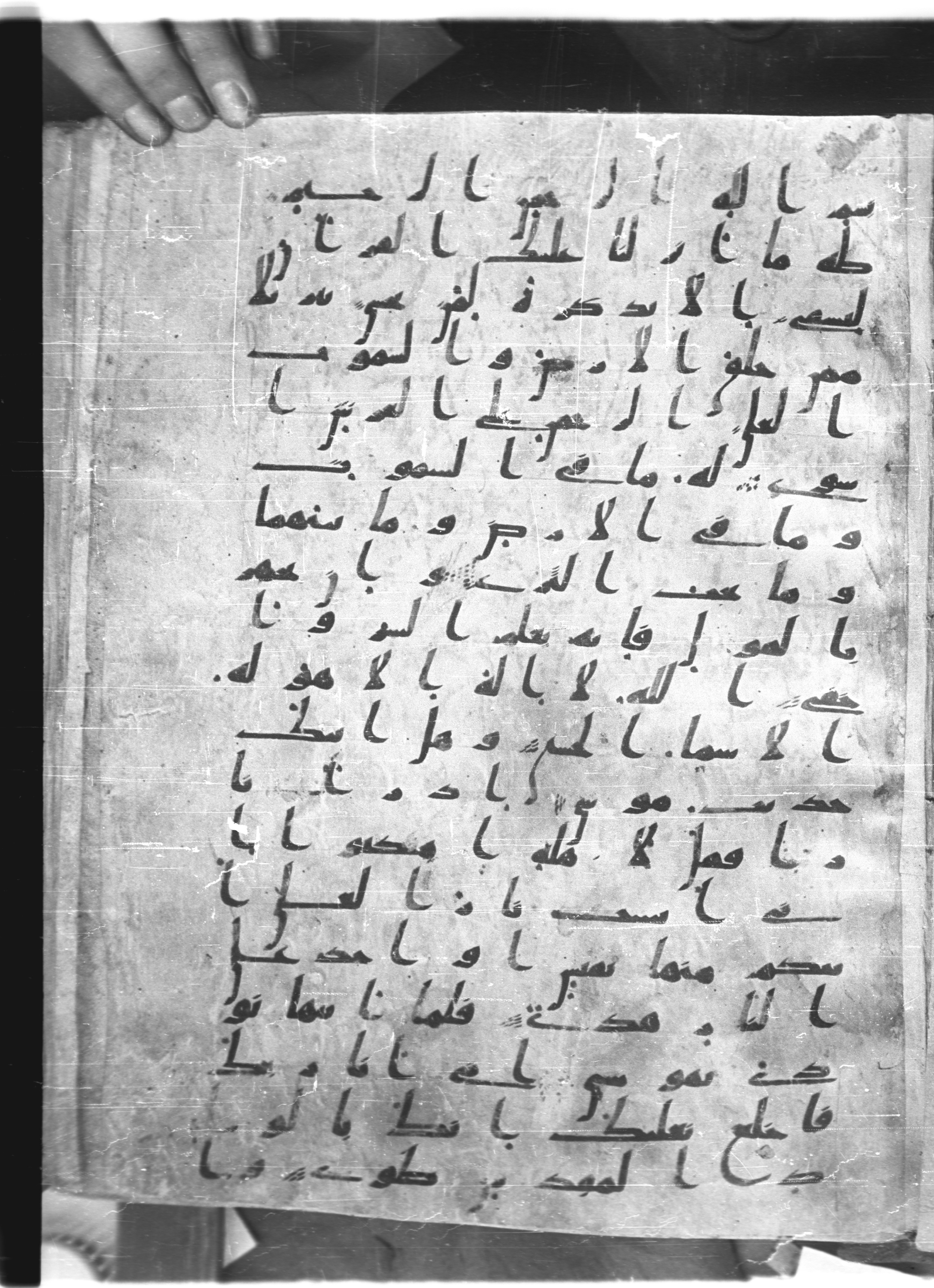
Saray Medina 1a (Karatay 3)
This almost complete codex is notable for being written by at least six different scribes in Kufic script. Originally documented in Gotthelf Bergsträßer's archives as 'Medina 1a', its folios were later repaired with paper edges, and a few missing pages were completed in Naskh script.
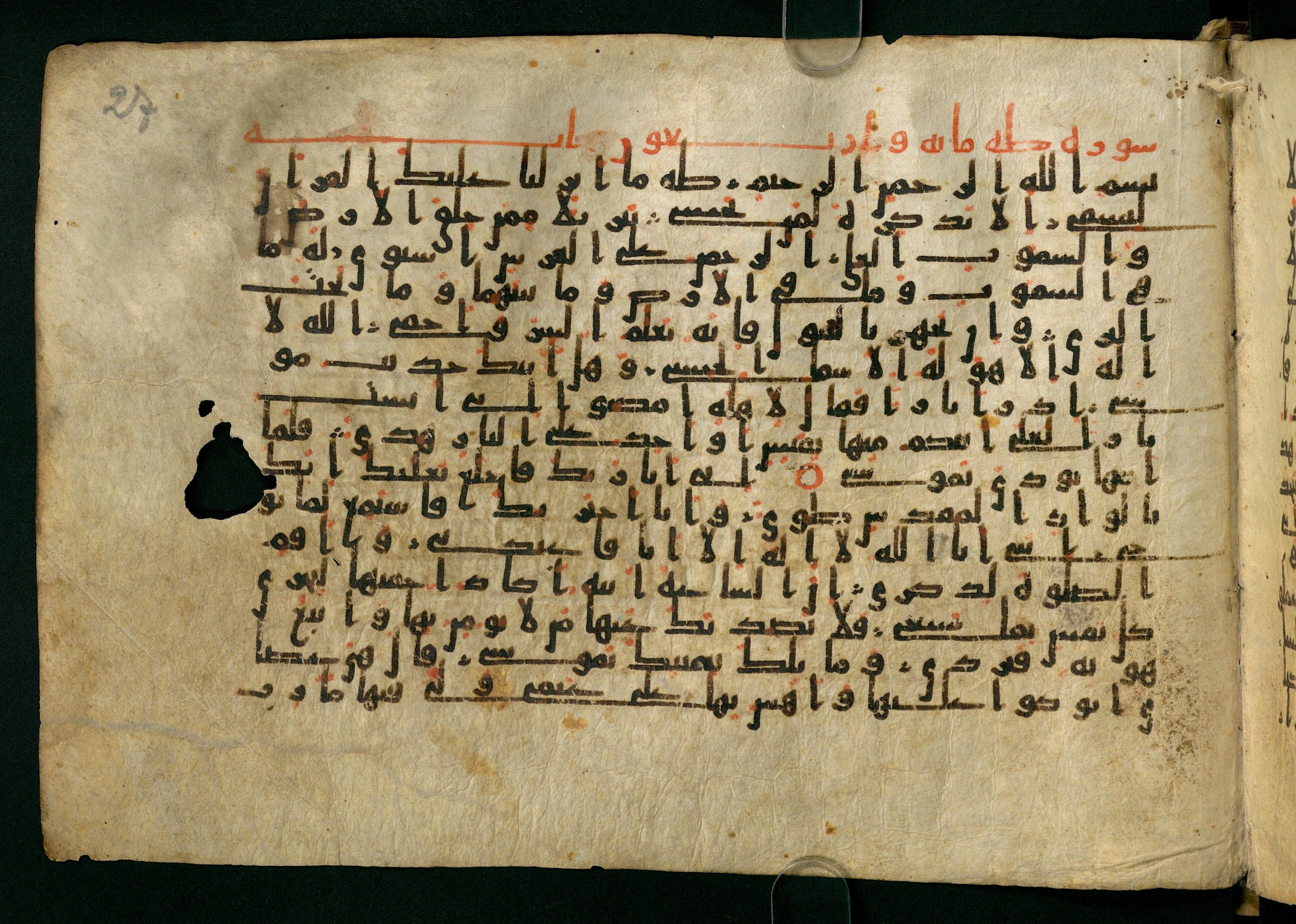
Cairo, Khedivial Library, Moritz 1905, table 31-36
The physical manuscript is currently lost and its origin is unknown; it survives today only through six photographs published in Bernhard Moritz's monumental 1905 album 'Arabic Palaeography'.
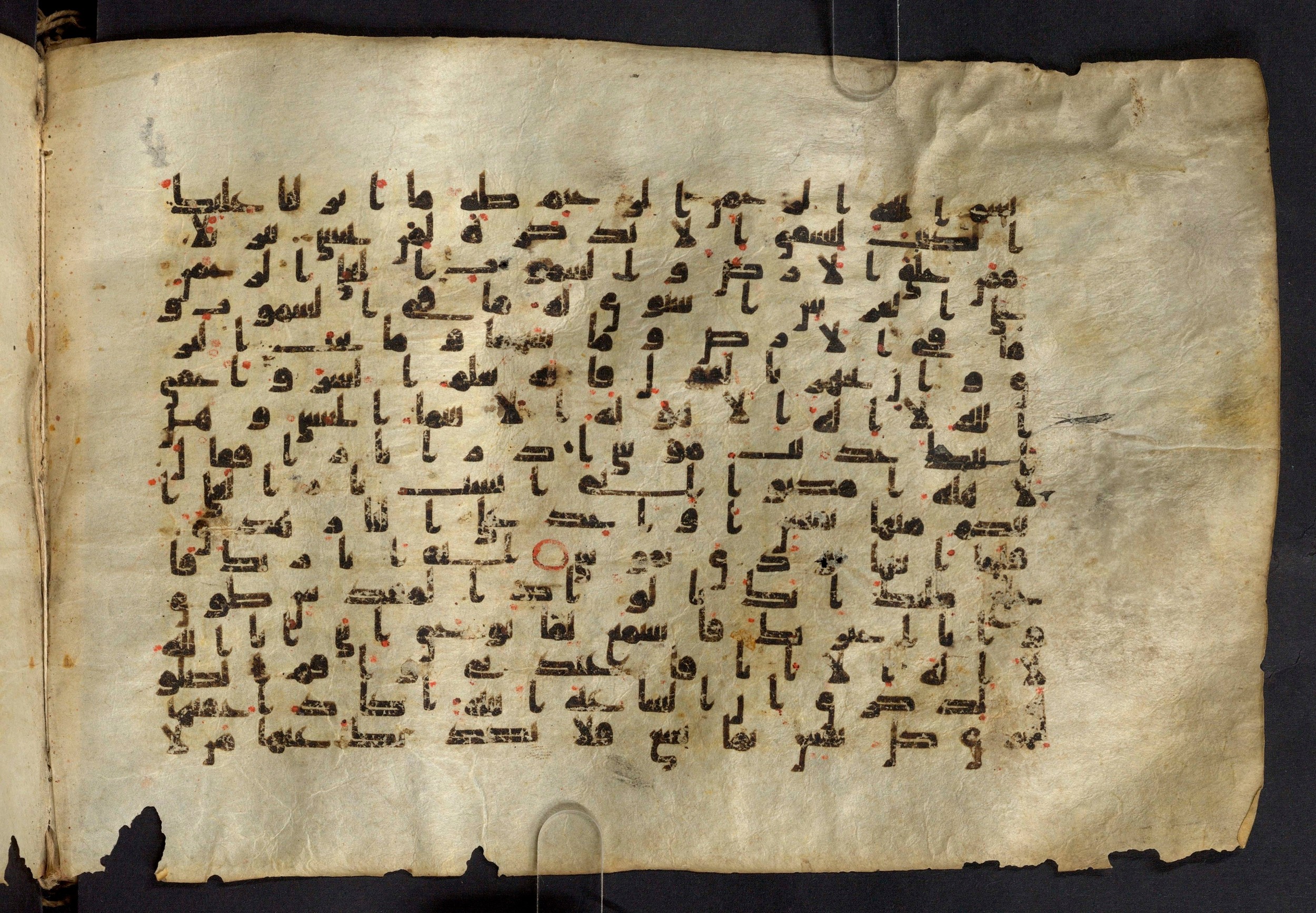
Moritz 1905, Tables 39-40
This codex fragment was documented in Bernhard Moritz's 1905 'Arabic Palaeography' album and was reportedly discovered in the ancient Egyptian city of Bahnasa (Oxyrynchos). Scholars suggest it may originally belong to the same large codex as other early Quranic fragments currently held in the Vatican, Paris, and the Khalili Collections.
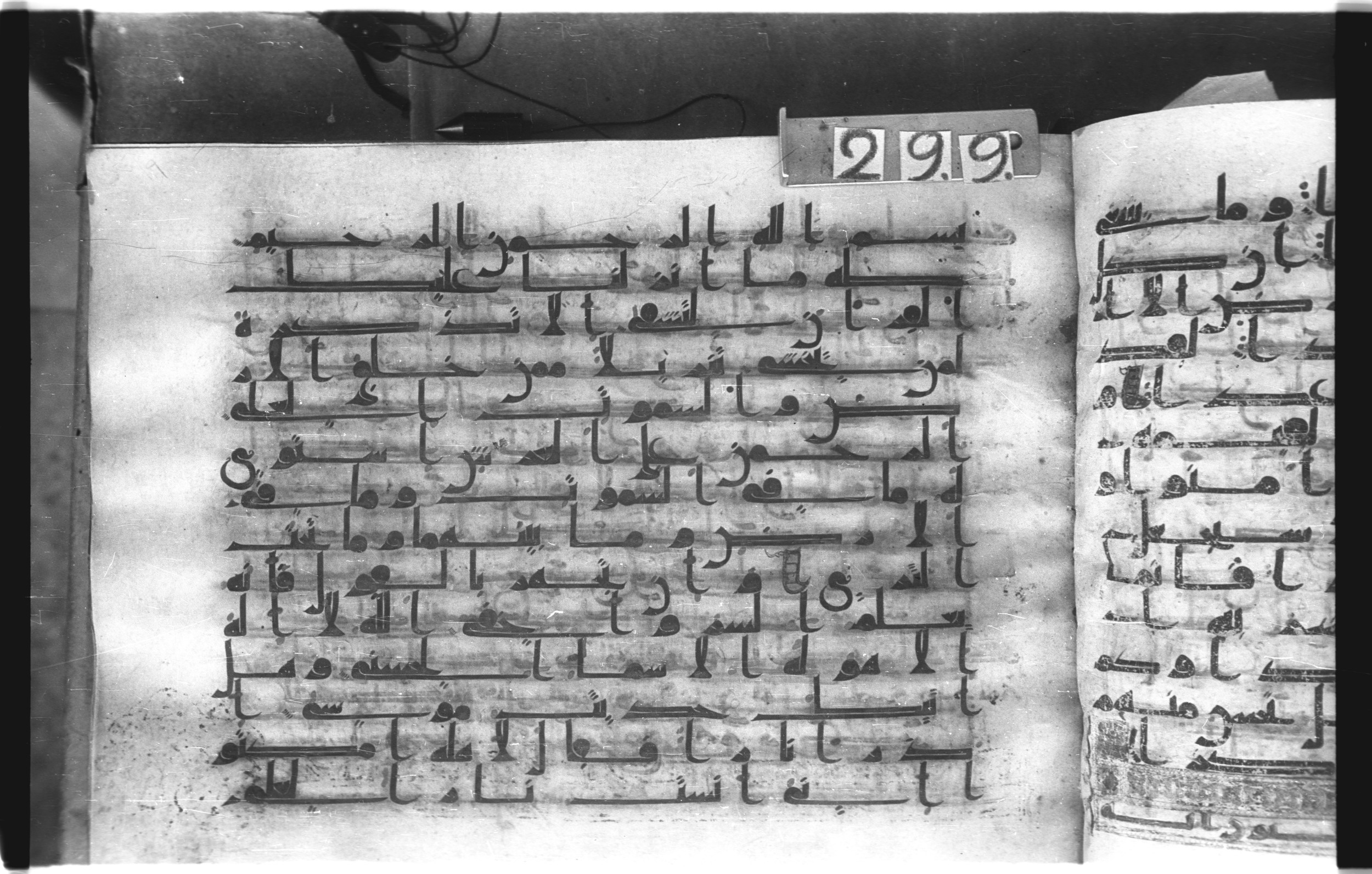
Istanbul, Topkapı Palace Museum, "Saray 50386" (Karatay 42)
This near-complete Kufic Quran is bound in brown leather over wood with arabesque interlacing and iron rings. It bears the foundation seal of Sultan Osman III, and its first three leaves as well as sura headings are illuminated.
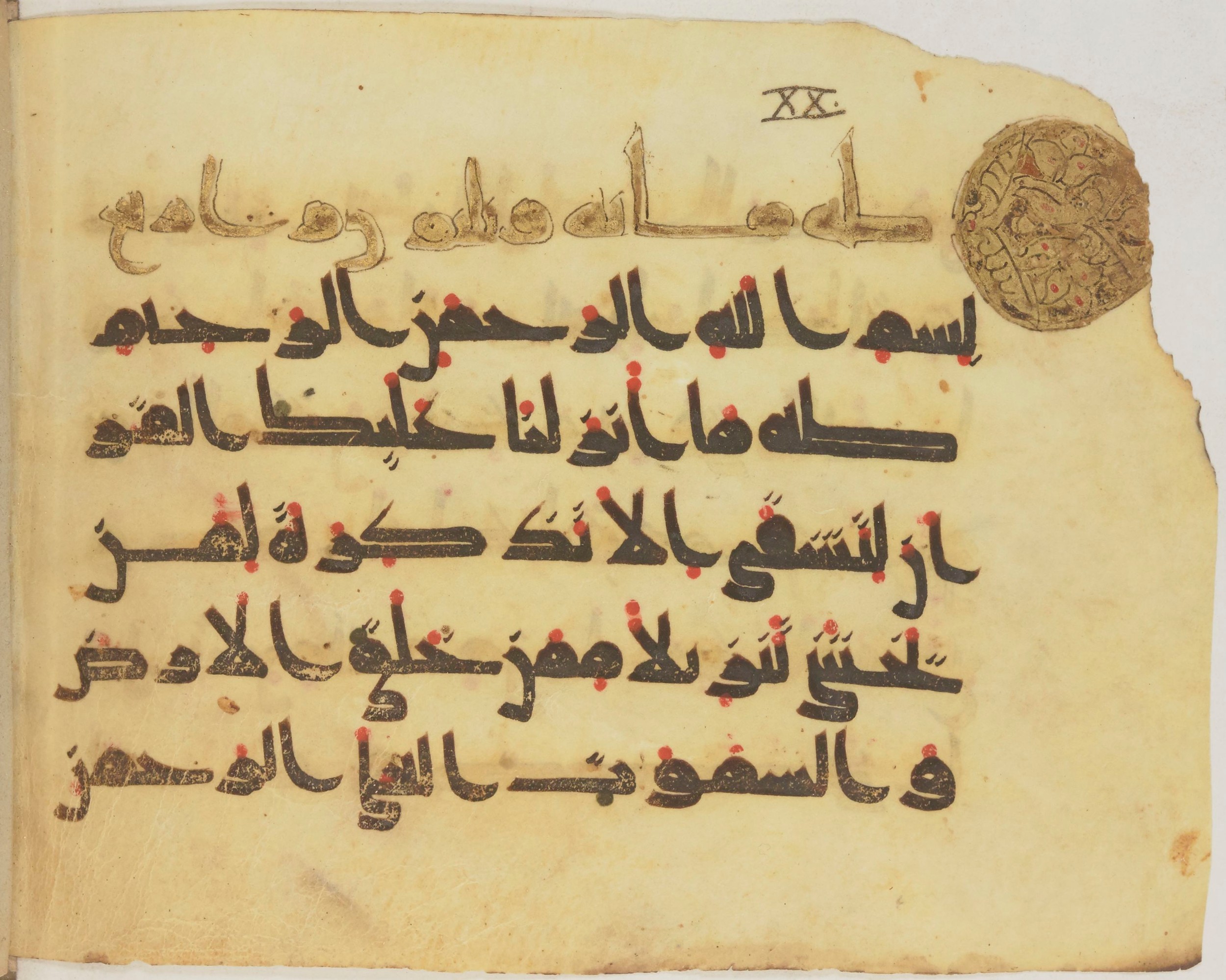
Paris, Bibliothèque nationale de France, Arabe 372
The manuscript features vocalisation indicated by red dots, alongside occasional green dots whose function remains unclear. Verse groupings are marked by golden Kufic hāʾ letters for five verses and illuminated medallions for ten verses.