
Surah 27:0
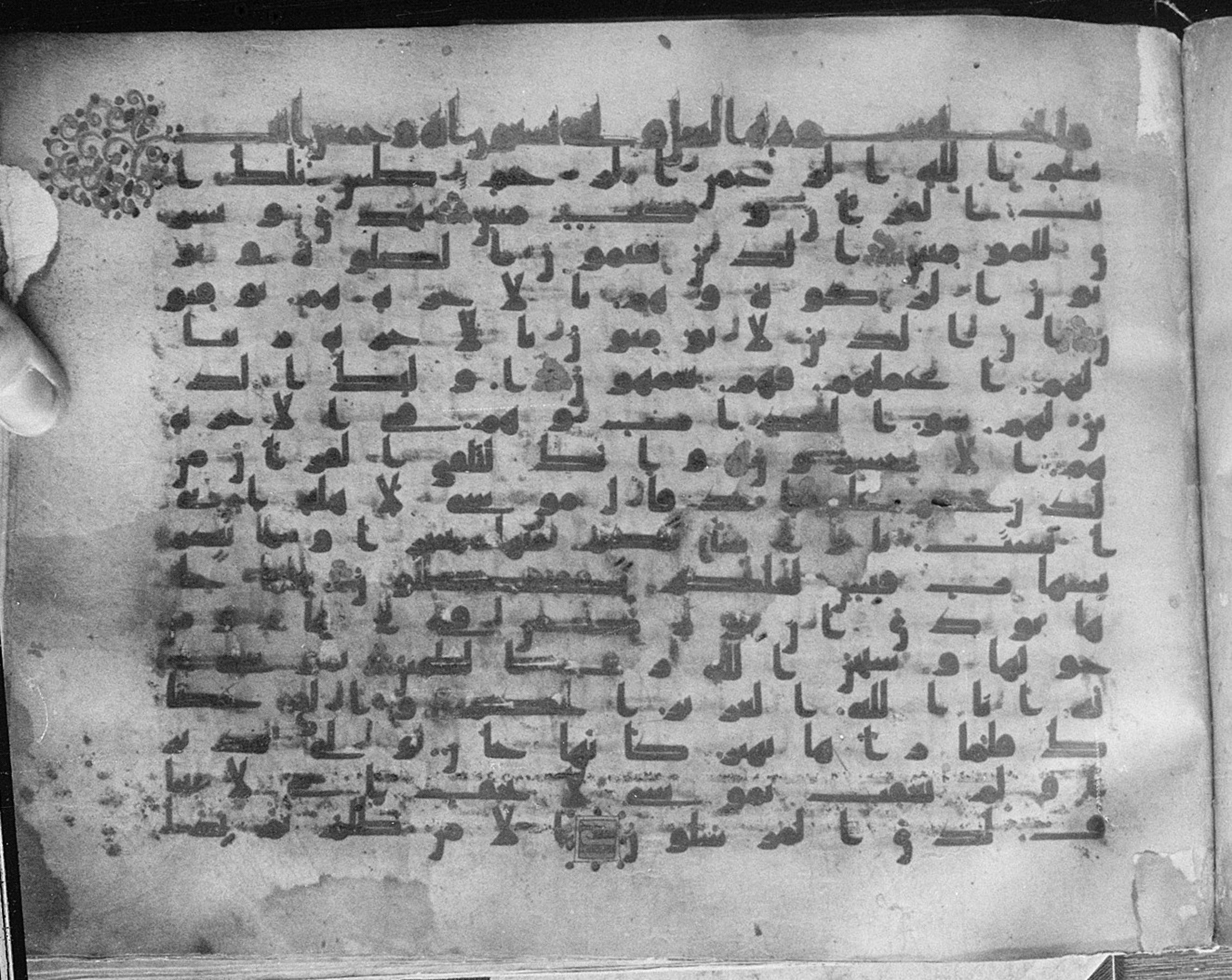
Meknes, Private library of Sherif ʿAbdarraḥmān b. Zīdān, no call number
This nearly complete early Kufic Quran was photographed by Otto Pretzl during a research trip to Morocco in 1934. While the main body belonged to the private library of Sherif ʿAbdarraḥmān b. Zīdān, fragments of this codex have since been dispersed to the Royal Library in Rabat, the Tareq Rajab Museum in Kuwait, and sold through auction houses like Christie's.
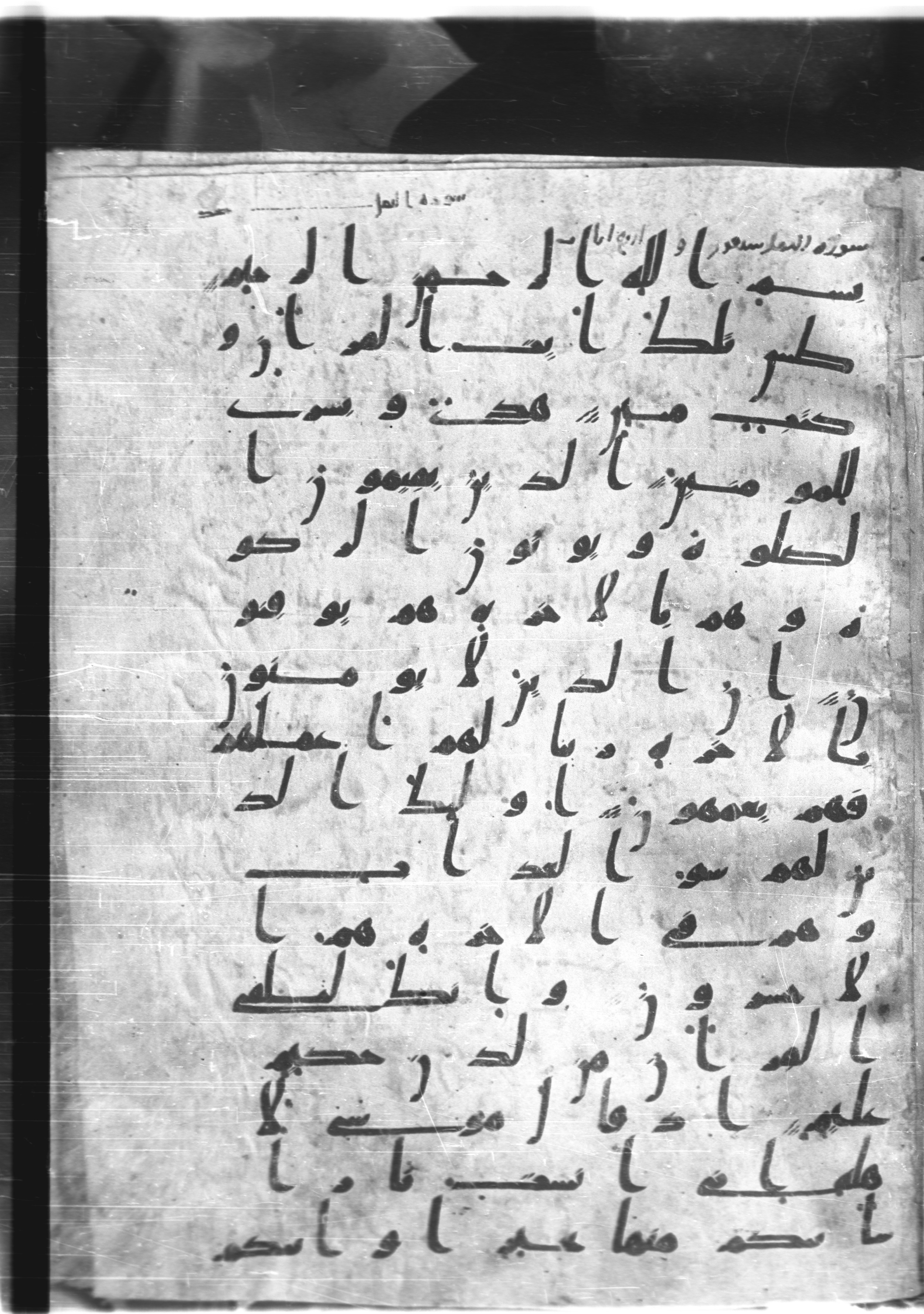
Saray Medina 1a (Karatay 3)
This almost complete codex is notable for being written by at least six different scribes in Kufic script. Originally documented in Gotthelf Bergsträßer's archives as 'Medina 1a', its folios were later repaired with paper edges, and a few missing pages were completed in Naskh script.
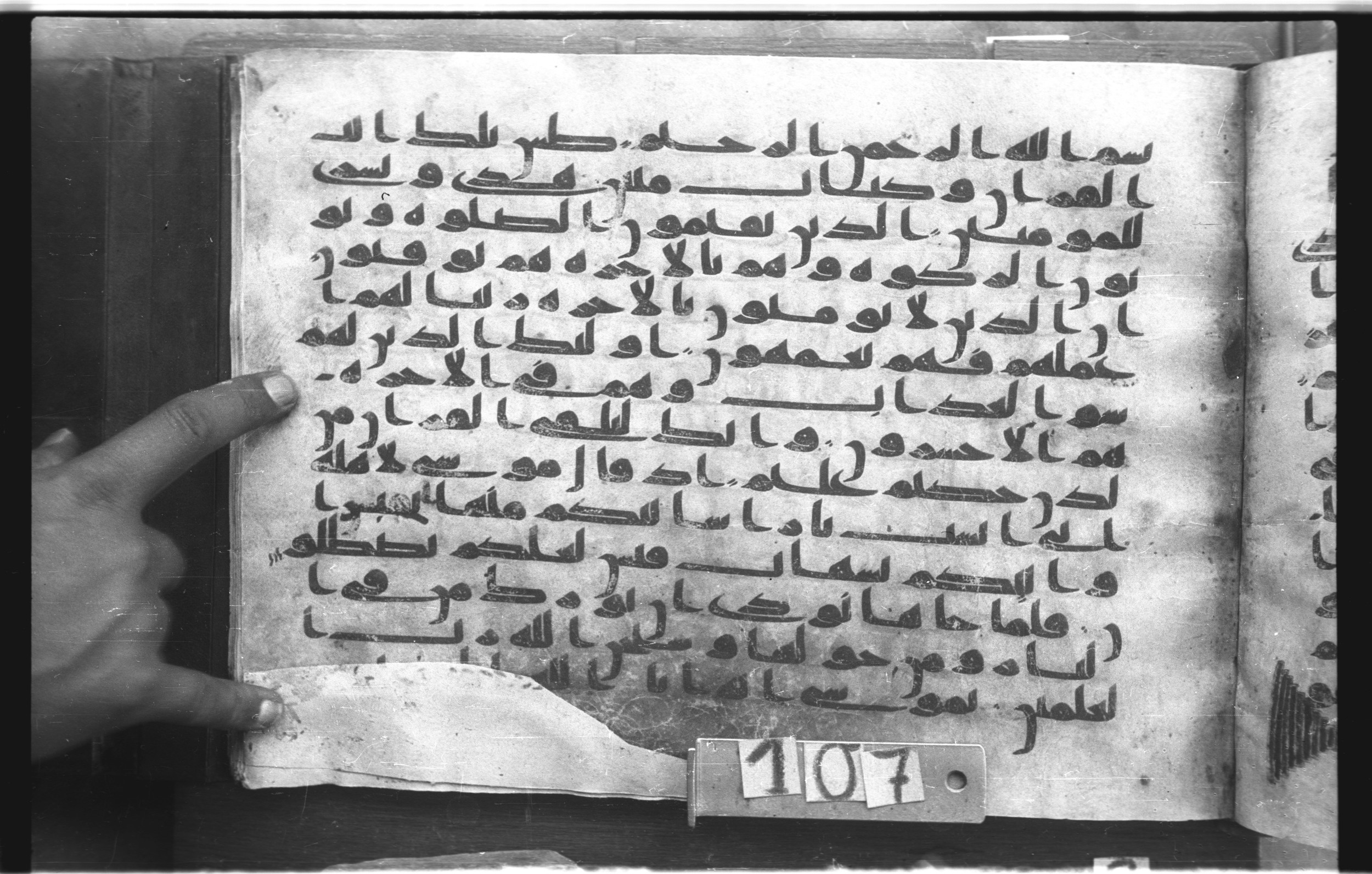
Topkapı Palace Museum, "Saray Medina 1b" (M. 3)
This manuscript was documented by Gotthelf Bergsträßer as 'Saray Medina 1b', and its photographs became part of his famous archive in Munich. Notably, it still retains a dark olive-coloured leather binding with a traditional flap (miklep) and mandorla (şemse), as well as multi-colored geometric sura headings.
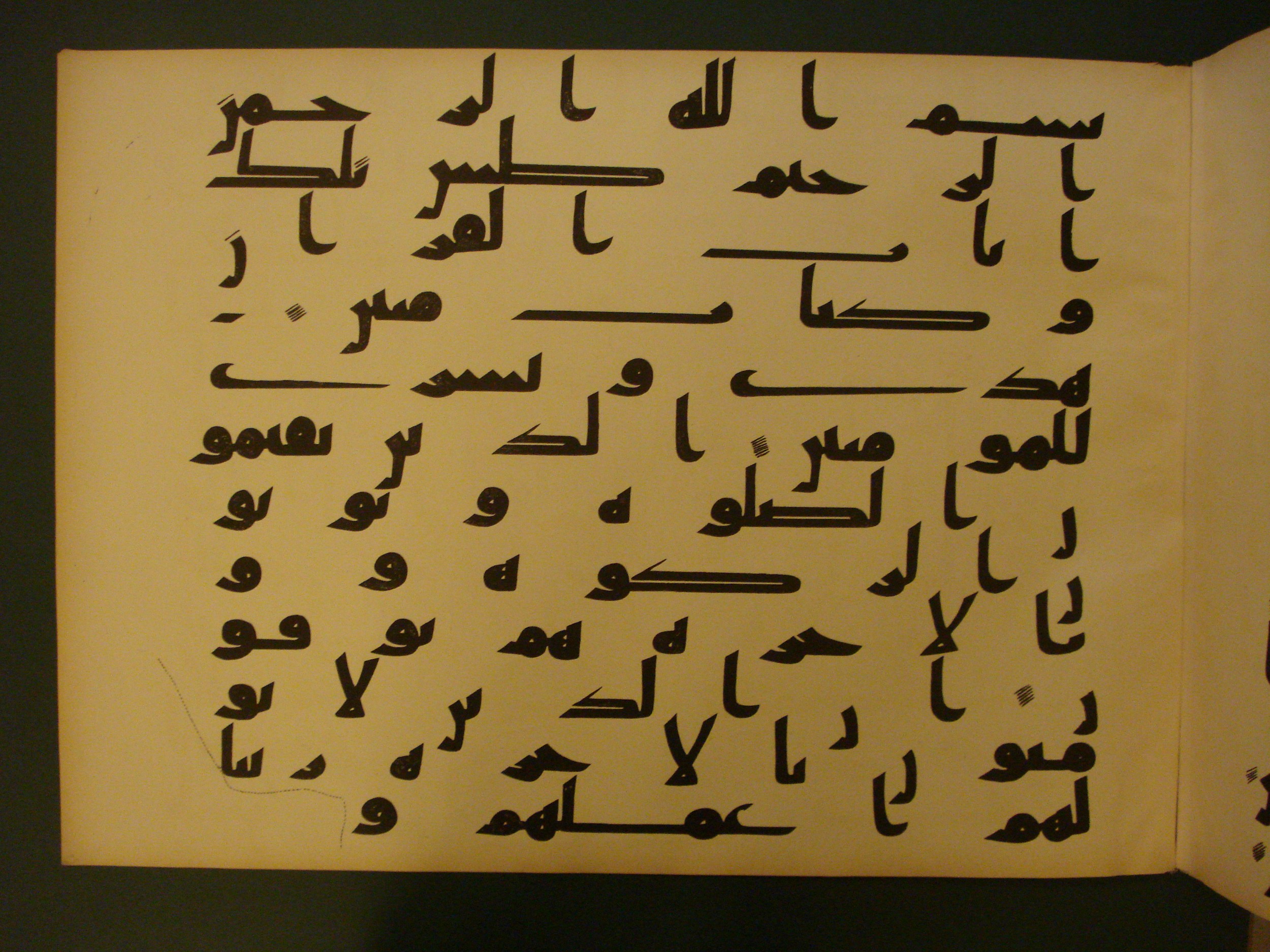
Samarkand Kufic Quran
This monumental manuscript is one of the oldest surviving Qurans, traditionally believed to be the personal copy of Caliph Uthman stained with his blood. After being taken by Russian imperial forces in 1868 to Saint Petersburg, it was repatriated to Tashkent in 1923.
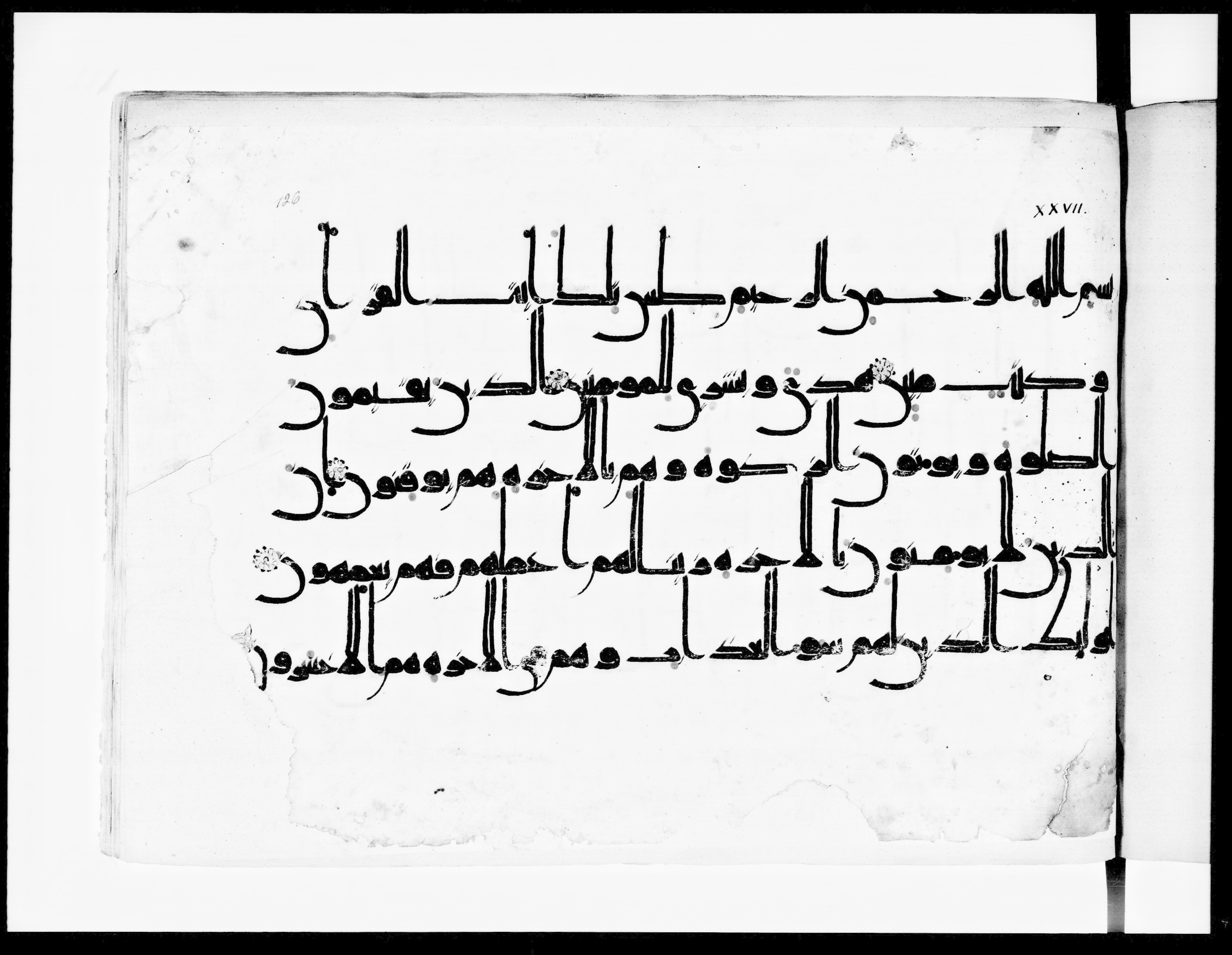
Arabe 334 (j) (Scan 1)
Originally discovered in Fustat (Old Cairo), this fragment is notable for its intricate verse division markers. It employs a golden 'hāʾ' to mark groups of five verses and varied medallion designs containing fully written words for every ten verses.
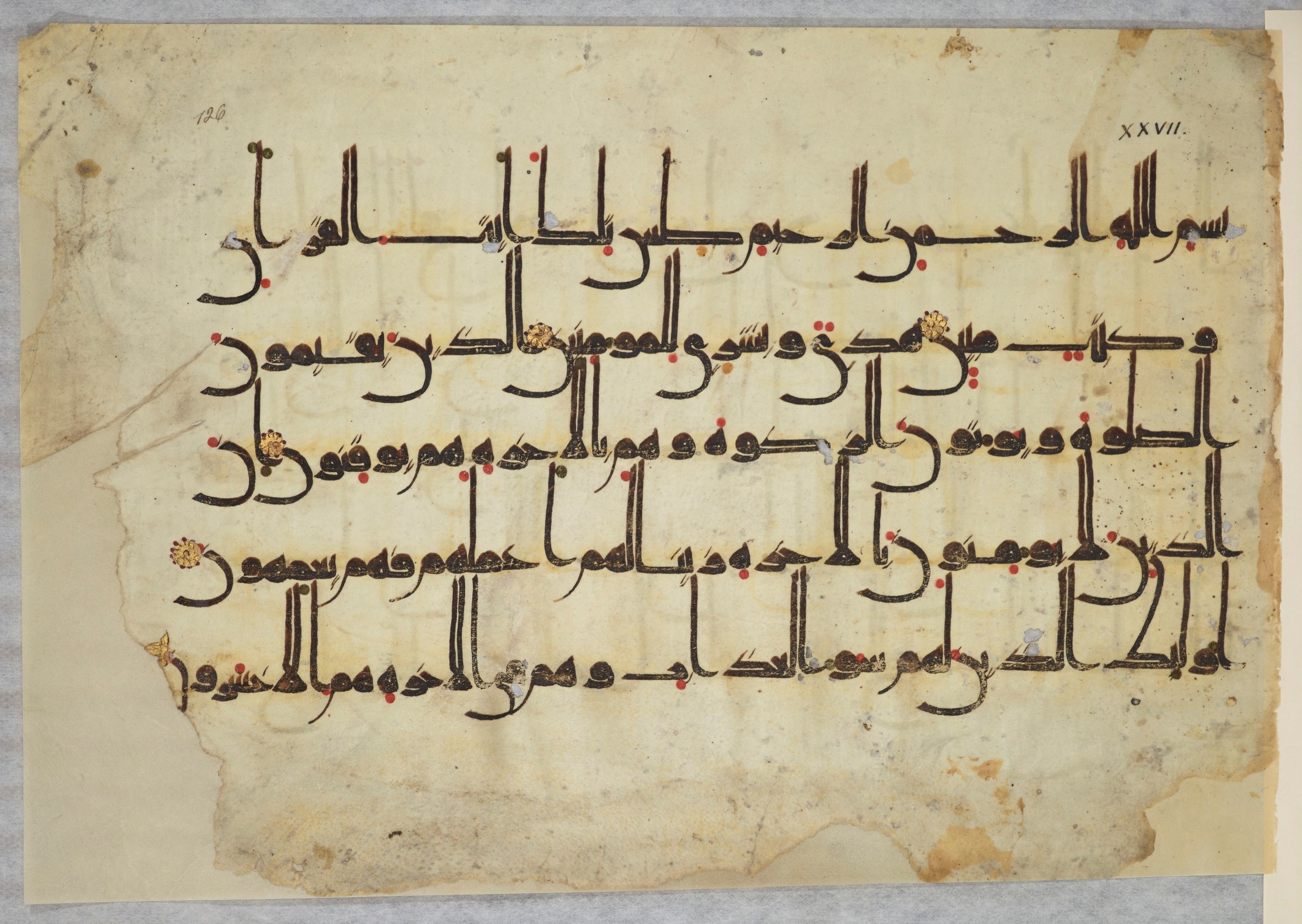
Arabe 334 (j) (Scan 2)
Originally discovered in Fustat (Old Cairo), this fragment is notable for its intricate verse division markers. It employs a golden 'hāʾ' to mark groups of five verses and varied medallion designs containing fully written words for every ten verses.
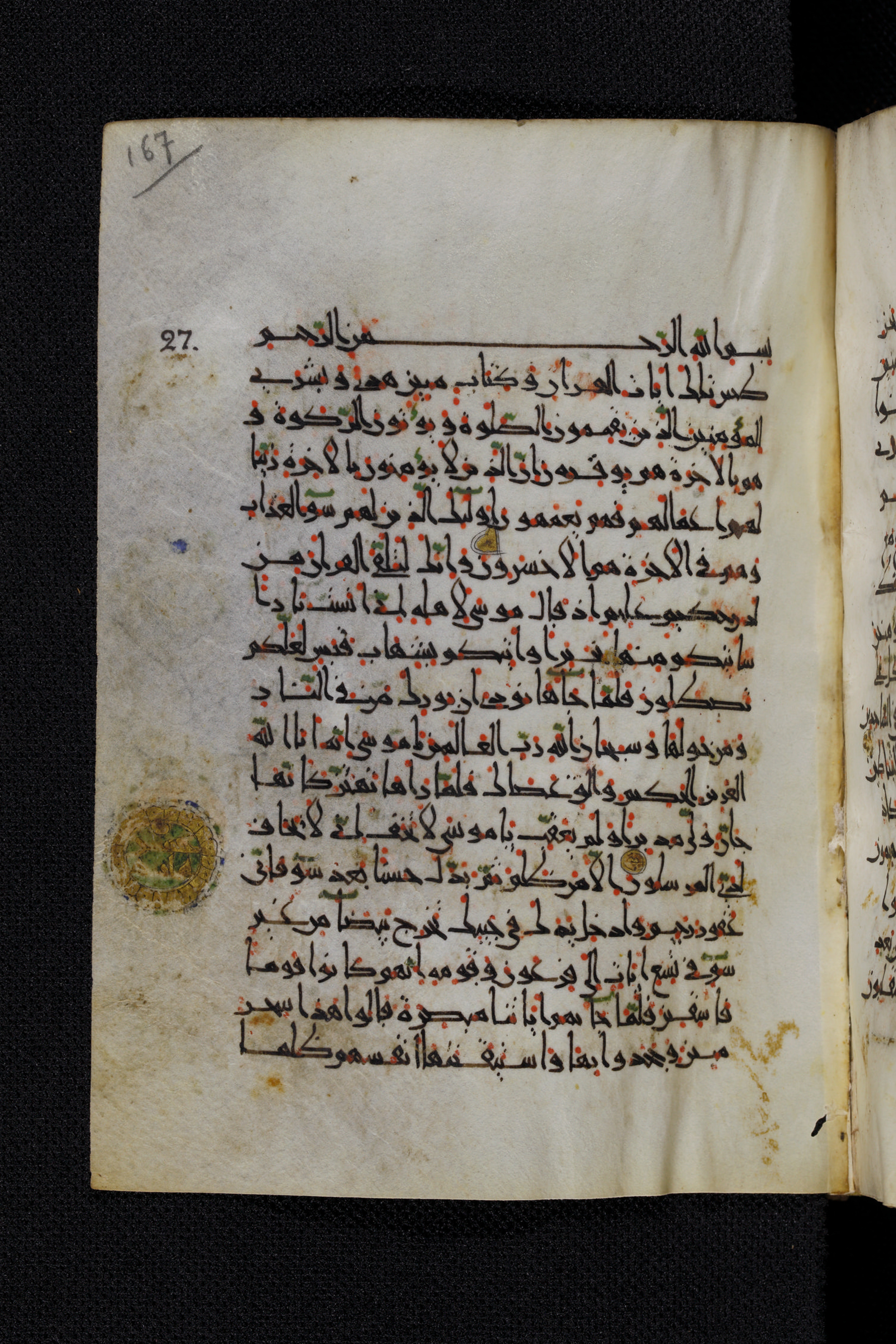
Diez A oct 172
This codex is largely complete, containing the entire Quran, though the first folio and a few other leaves were supplied by a later hand. Written on parchment, the manuscript represents an important transitional stage in the evolution of the Arabic script toward the Maghrebi style. While generally well-preserved, some of the early and late folios exhibit water damage and have been repaired.