
Surah 3:0
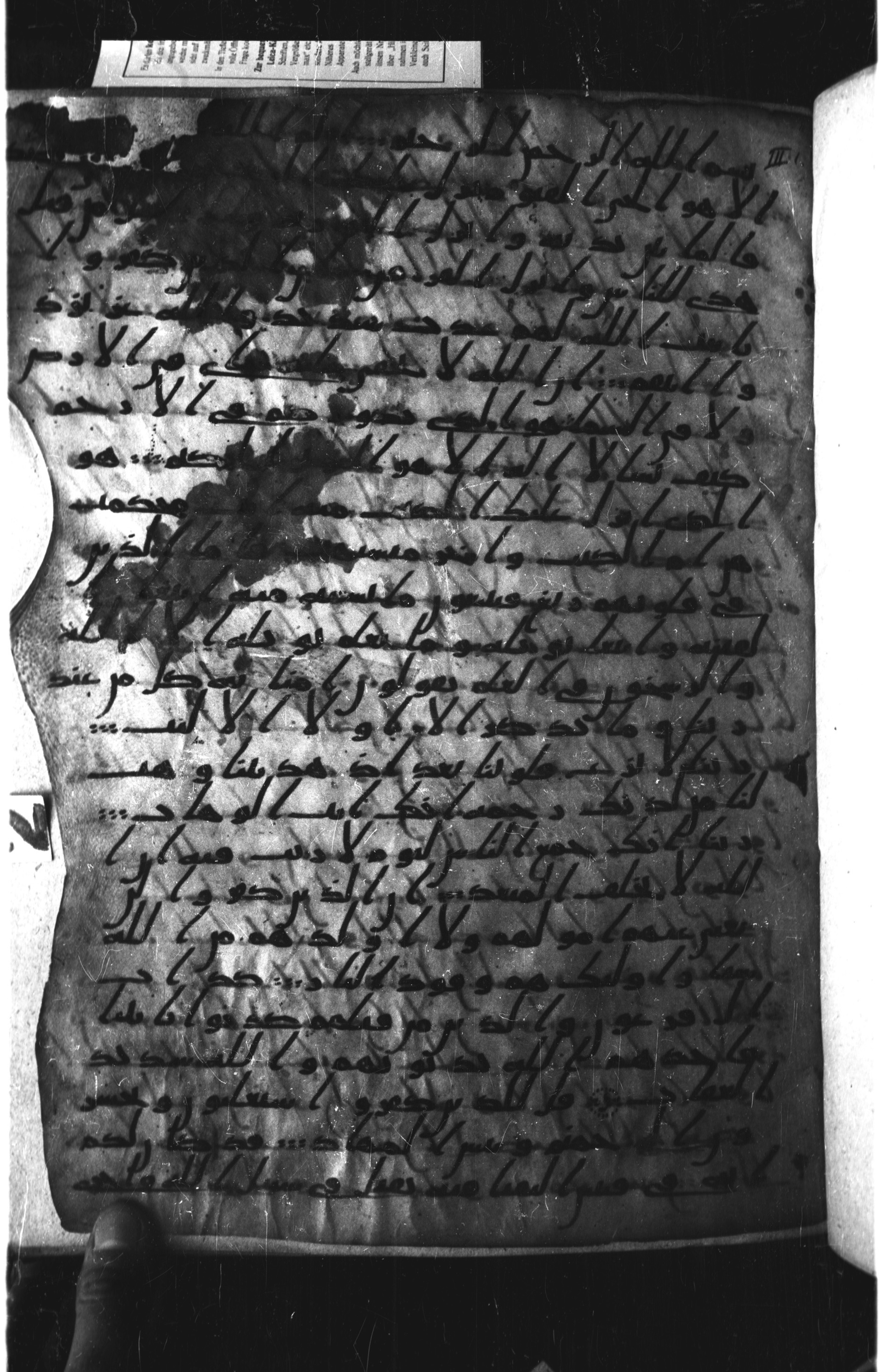
London, The British Library, Or. 2165 (Scan 1)
Considered by Gotthelf Bergsträßer to be the most important representative of the ḥiǧāzī script style due to its extensive size. It features a bold hand with tall, right-leaning hastae that sets it apart from more conventional early Kufic Qurans. Two folios from this same codex are currently preserved at the Dār al-Āṯār al-Islāmiyya in Kuwait.
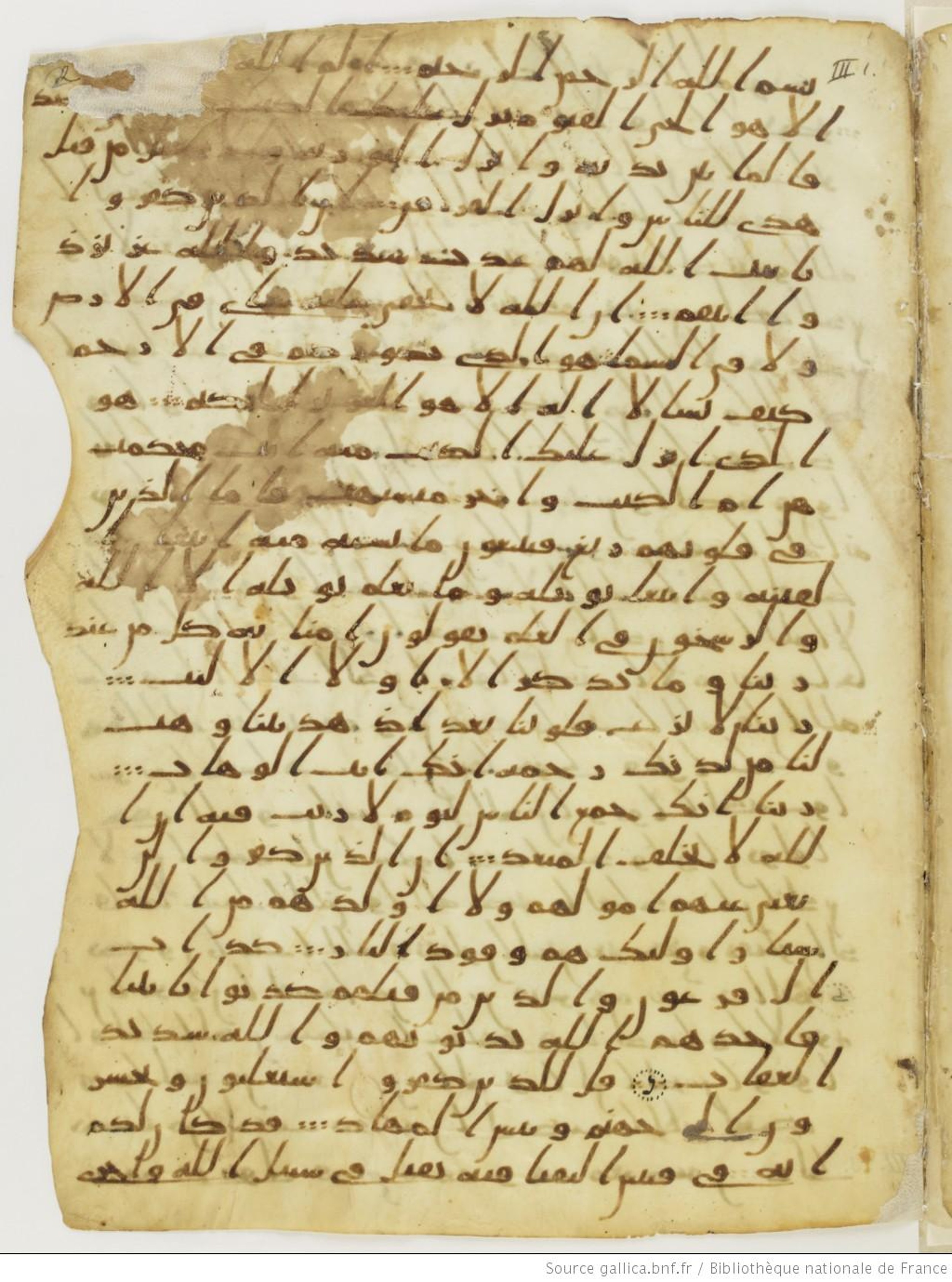
London, The British Library, Or. 2165 (Scan 2)
Considered by Gotthelf Bergsträßer to be the most important representative of the ḥiǧāzī script style due to its extensive size. It features a bold hand with tall, right-leaning hastae that sets it apart from more conventional early Kufic Qurans. Two folios from this same codex are currently preserved at the Dār al-Āṯār al-Islāmiyya in Kuwait.
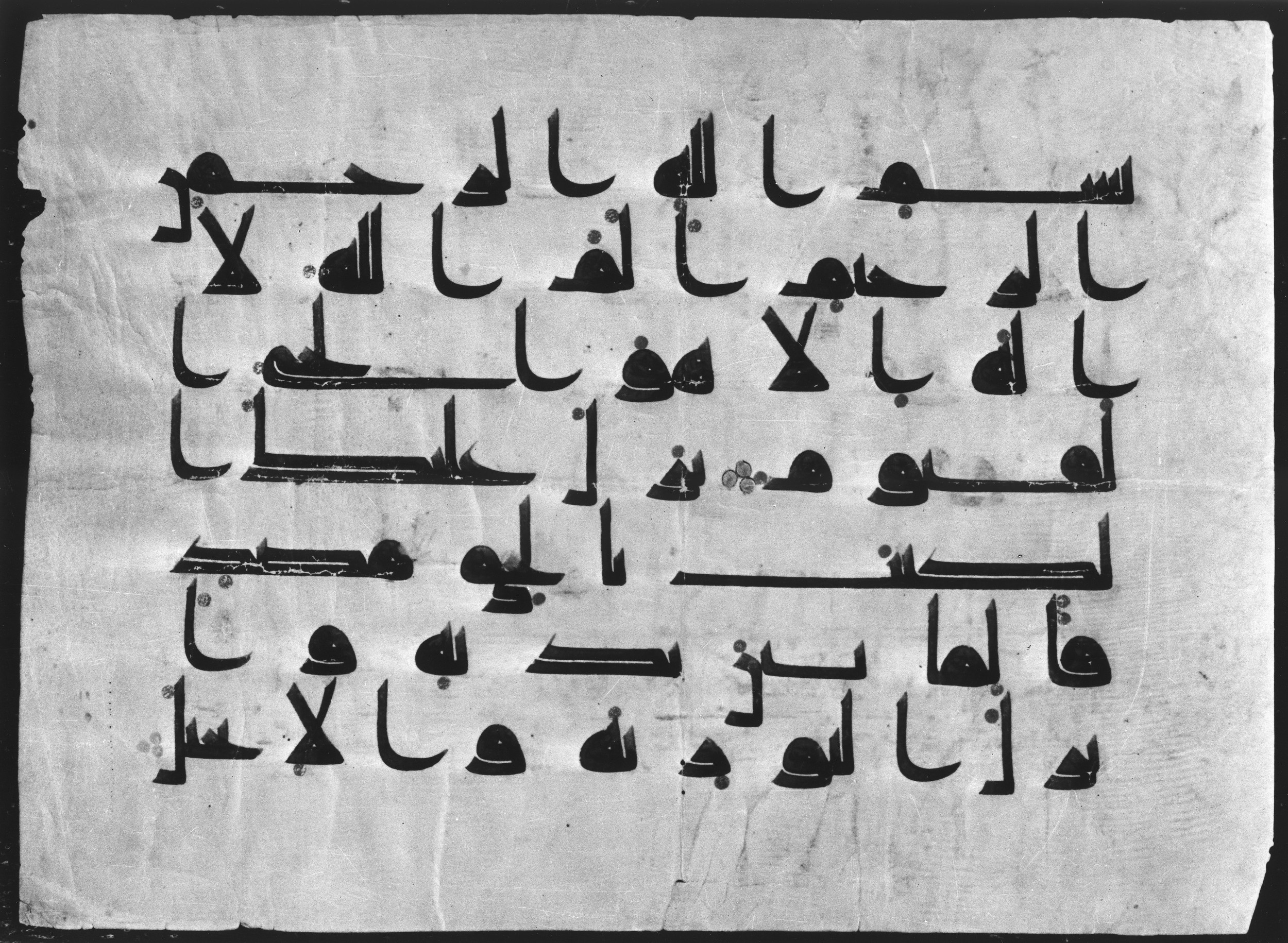
The Metropolitan Museum of Art, 37.99.2
This parchment folio, created with ink and gold, features 6 to 7 lines per page of Kufic calligraphy typical of early Quranic manuscripts from the Central Islamic Lands.