
Surah 33:0
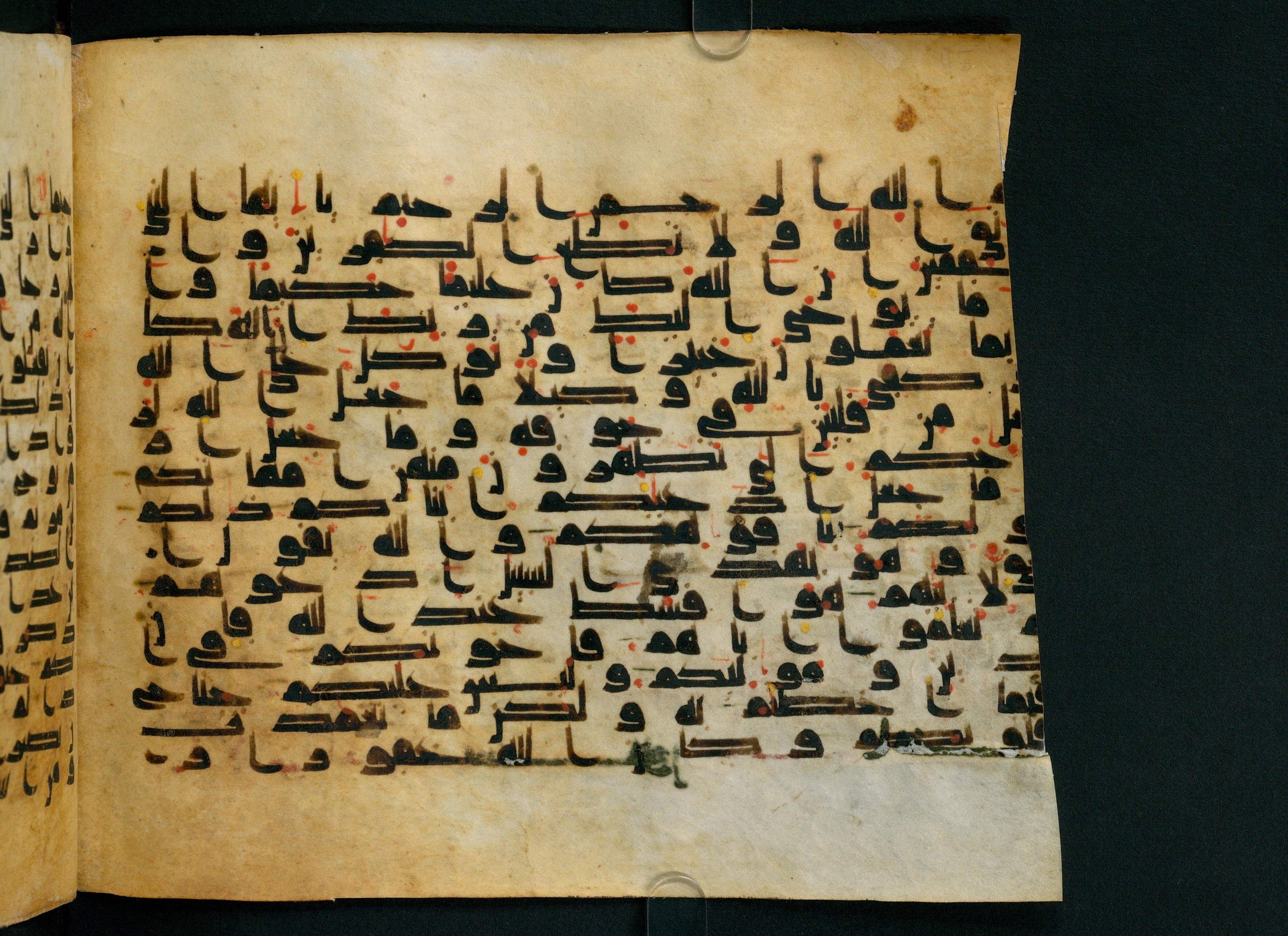
Cairo, Khedivial Library, Moritz 1905, table 31-36
The physical manuscript is currently lost and its origin is unknown; it survives today only through six photographs published in Bernhard Moritz's monumental 1905 album 'Arabic Palaeography'.
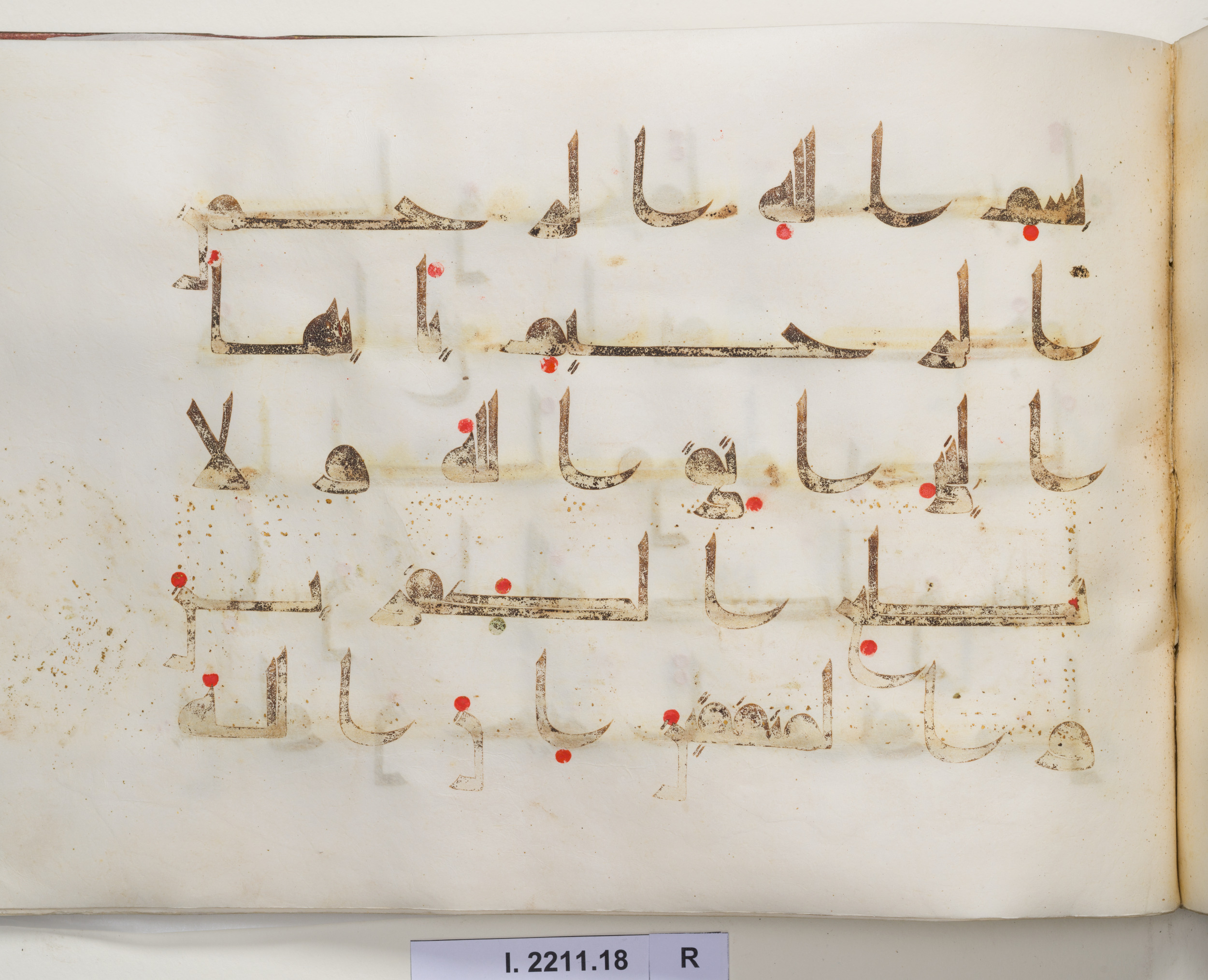
Berlin, Museum für Islamische Kunst I. 2211
This manuscript originally belonged to a larger codex that has been virtually reconstructed. A detailed overview of all parts of this codex was included in the 'Digital Muṣḥaf' project created by Keith Small.
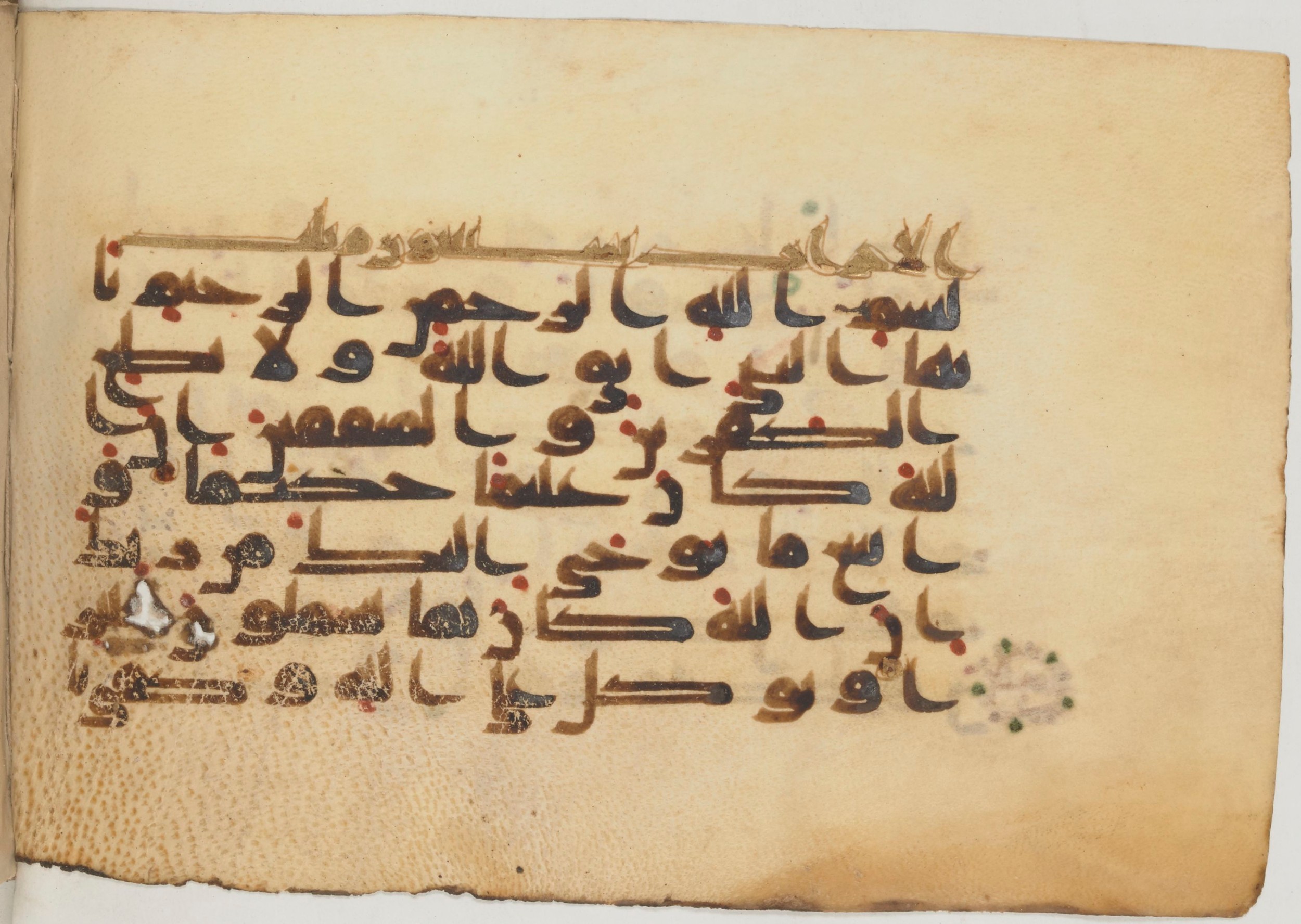
Paris, Bibliothèque nationale de France, Arabe 359 (a)
This manuscript features ornate decorations, including gold dots or rosettes separating individual verses and gold Kufic letters marking groups of five verses. Furthermore, the titles of the surahs are beautifully written in gold ink, adding to the visual richness of this Kufic text.
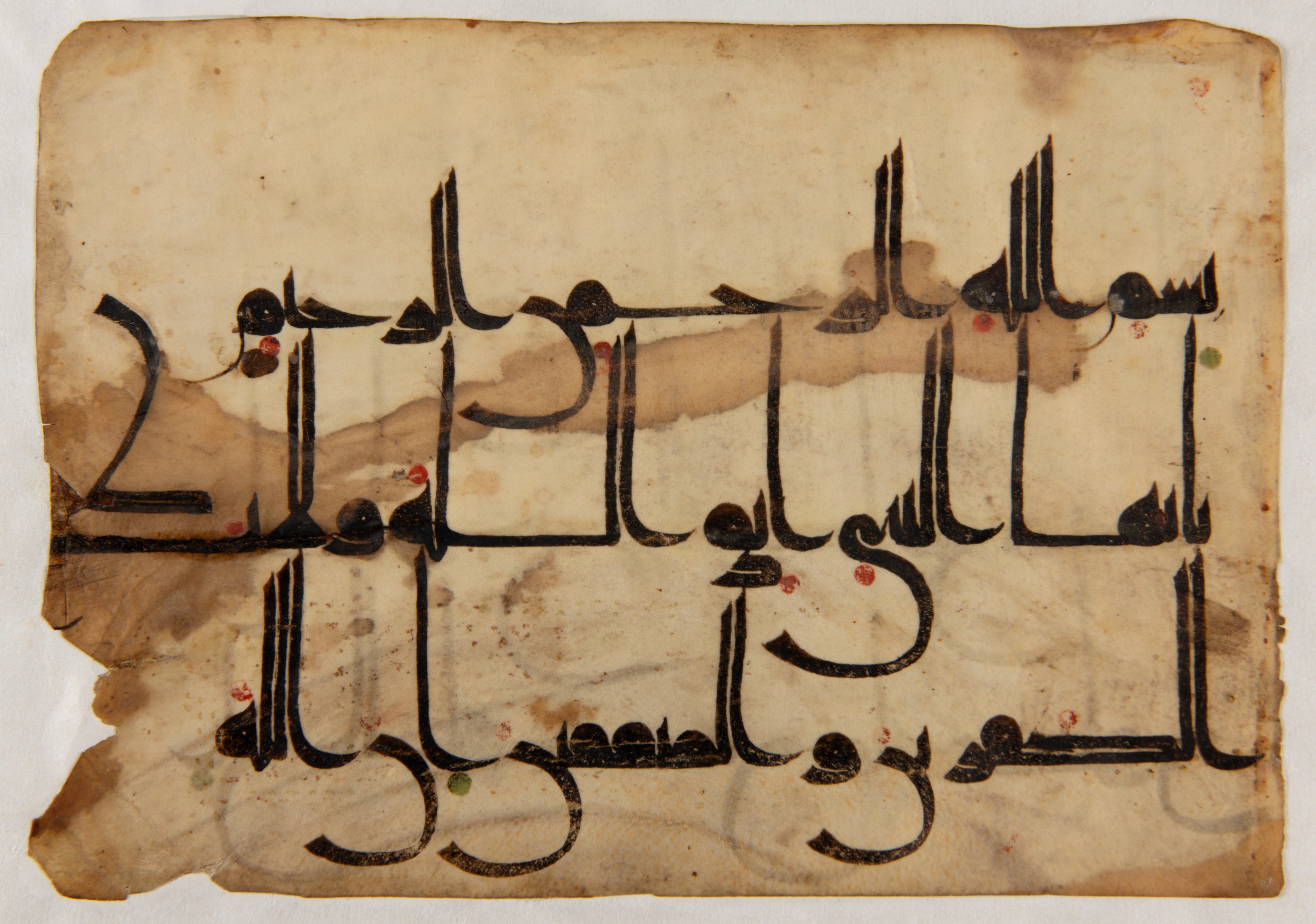
Toronto, Aga Khan Museum, AKM 482 (Blue Quran Folio)
This folio is part of the famous Blue Quran, an early manuscript notable for its gold Kufic lettering on rare indigo-colored parchment. It is considered one of the most celebrated works of Islamic calligraphy, though its exact patron and origin remain the subject of scholarly debate.
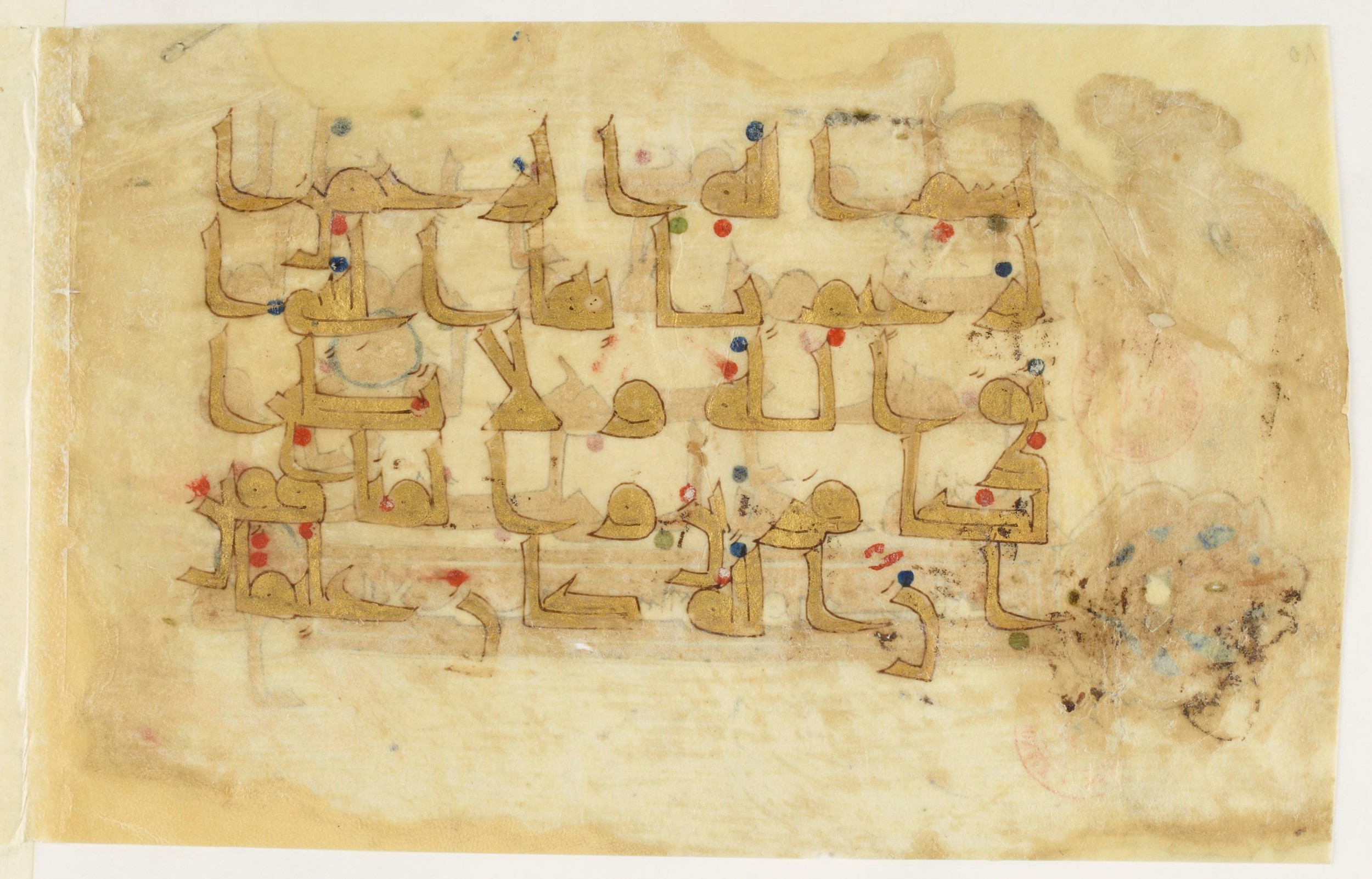
Paris, Bibliothèque nationale de France, Arabe 5178 (f)
This manuscript features striking gold ink with brown outlines and decorative rosettes to separate verses. A sister fragment of this beautifully illuminated 10th-century Qur'an is currently held at the Qatar National Library.
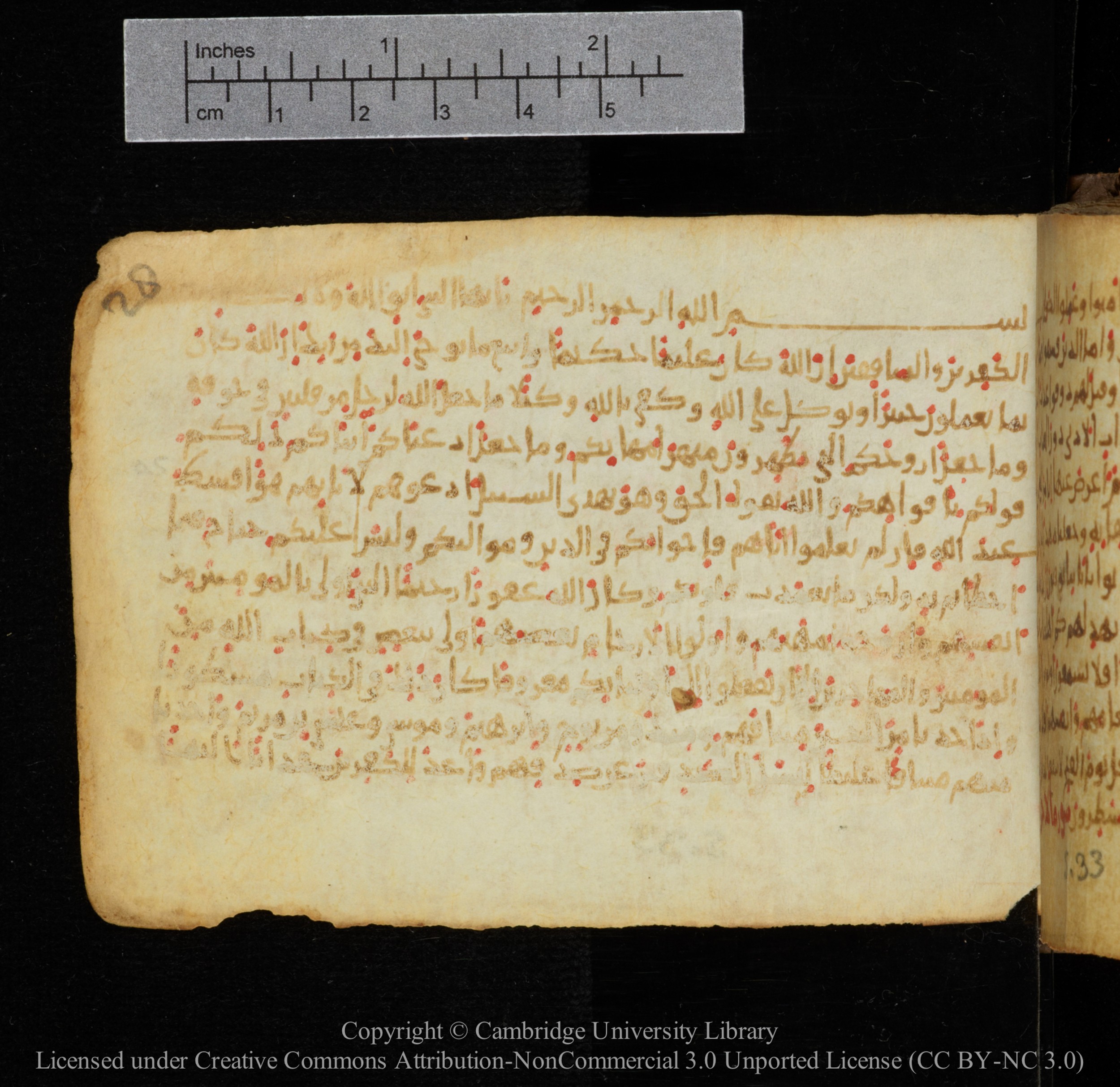
Cambridge, Cambridge University Library, MS Add.1141
This Kufic fragment was acquired by the University of Cambridge in 1878 from Edward H. Palmer and E.E. Tyrwhitt Drake. Palmer collected this and several other early Quran manuscripts during a research trip to the Sinai Peninsula.