
Surah 37:0
Muṣḥaf of Najaf Ashraf (Codex 1 of Imām ʿAlī Library)
This codex contains a colophon attributing it to ʿAlī ibn Abī Ṭālib and dating it to 40 AH (660 AD), though scholars believe this colophon was added later. It also features a waqf (endowment) deed written on the first page in 1775 AD.
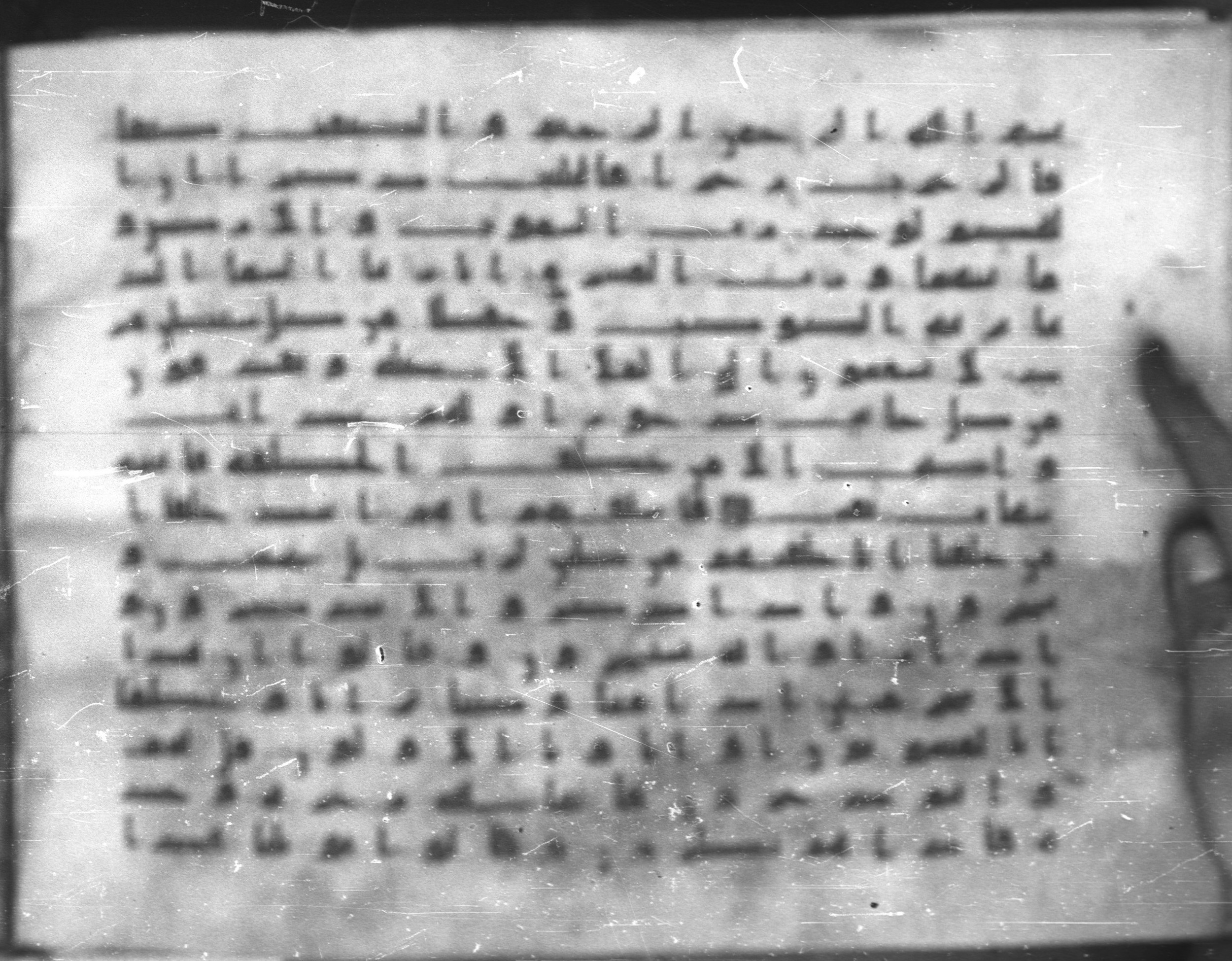
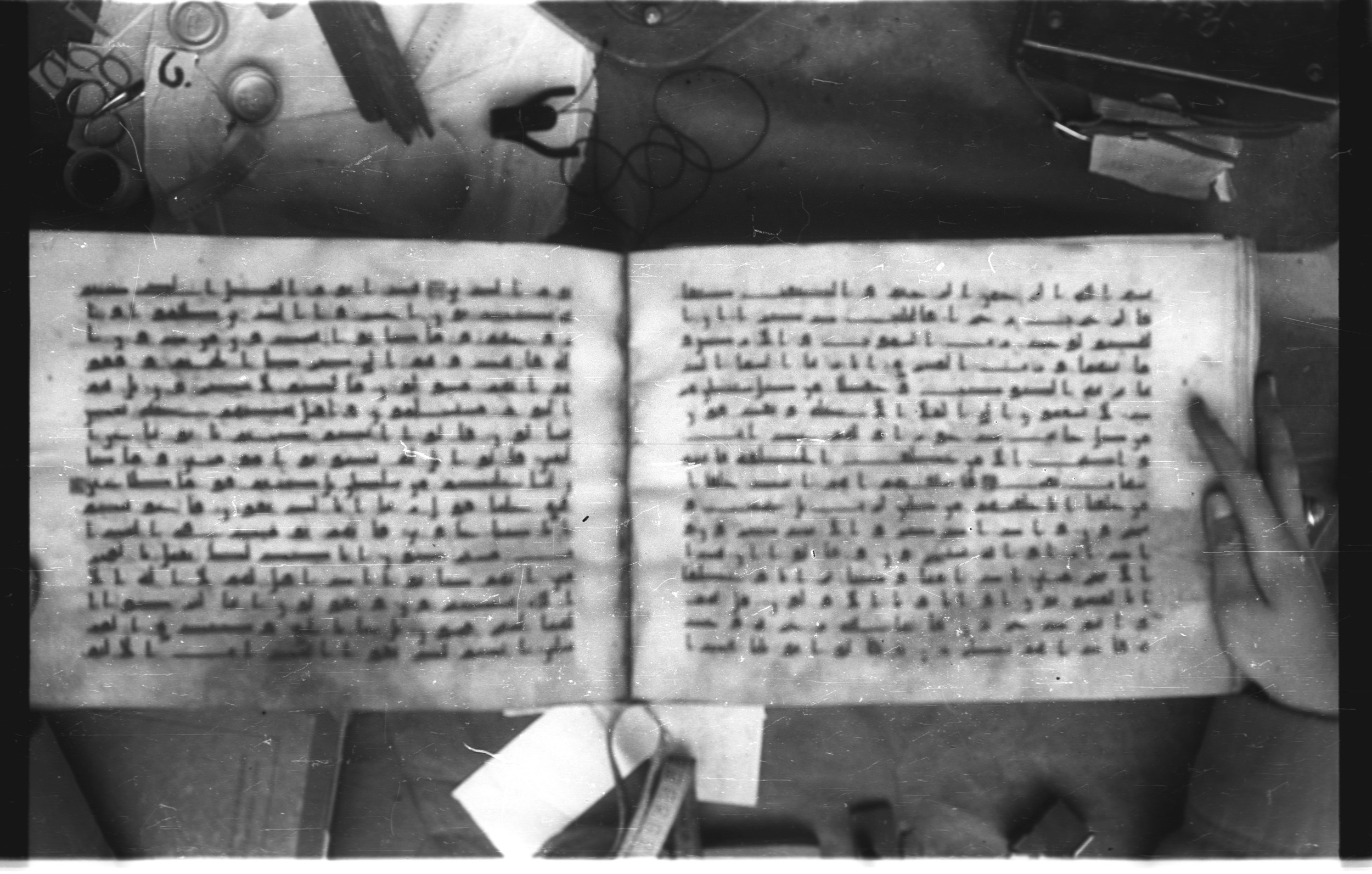
Cairo, Khedivial Library, Moritz 1905, table 31-36
The physical manuscript is currently lost and its origin is unknown; it survives today only through six photographs published in Bernhard Moritz's monumental 1905 album 'Arabic Palaeography'.
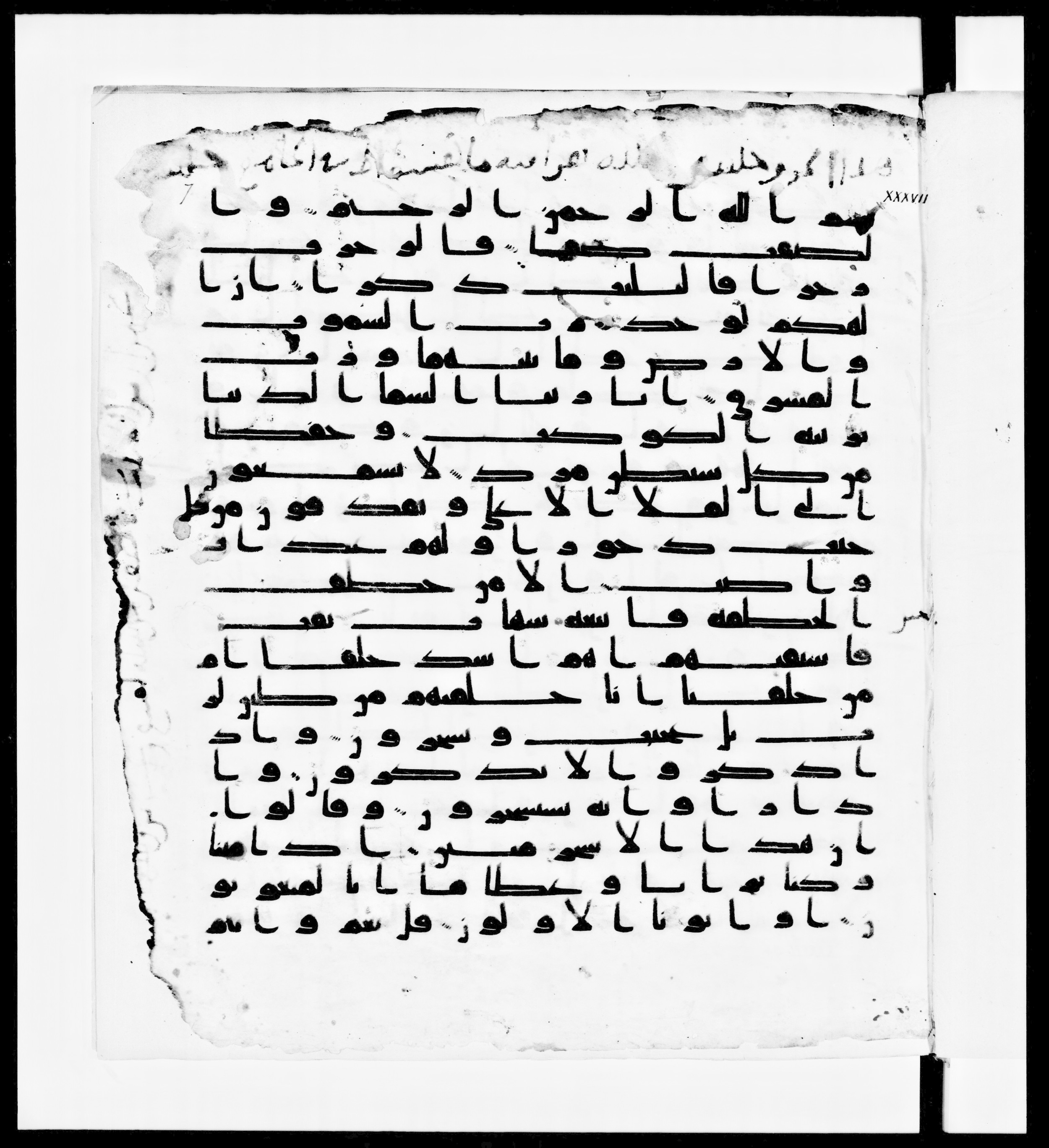
Paris, Bibliothèque nationale de France, Arabe 336
An endowment (waqf) note on folio 7r, added by a later hand, states that the volume was donated to the mosque of Fustat by 'Amran b. al-Talab on November 10, 940 AD (6 Safar 329 AH). The manuscript also features unique decorations for verse groupings, including outlined alifs for groups of five and specific medallions for tens, fifties, and hundreds.
Topkapı Palace Museum, Saray 50395 (Scan 1)
This nearly complete codex is an exceptional document, as complete codices in Kūfī D script style are extremely rare. The manuscript features illuminated pages for the first three and last six folios, as well as at surah beginnings.
Topkapı Palace Museum, Saray 50395 (Scan 2)
This nearly complete codex is an exceptional document, as complete codices in Kūfī D script style are extremely rare. The manuscript features illuminated pages for the first three and last six folios, as well as at surah beginnings.
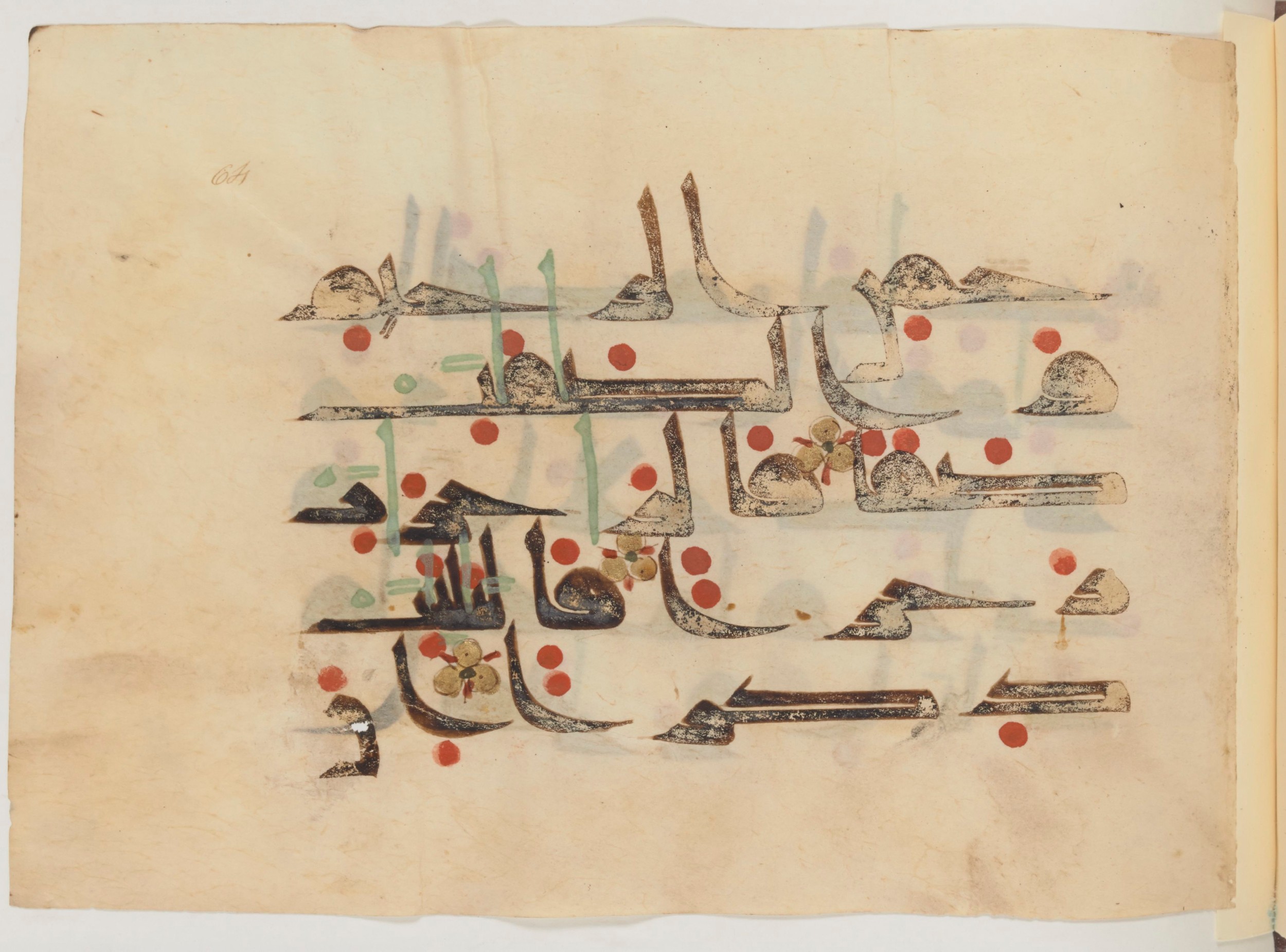
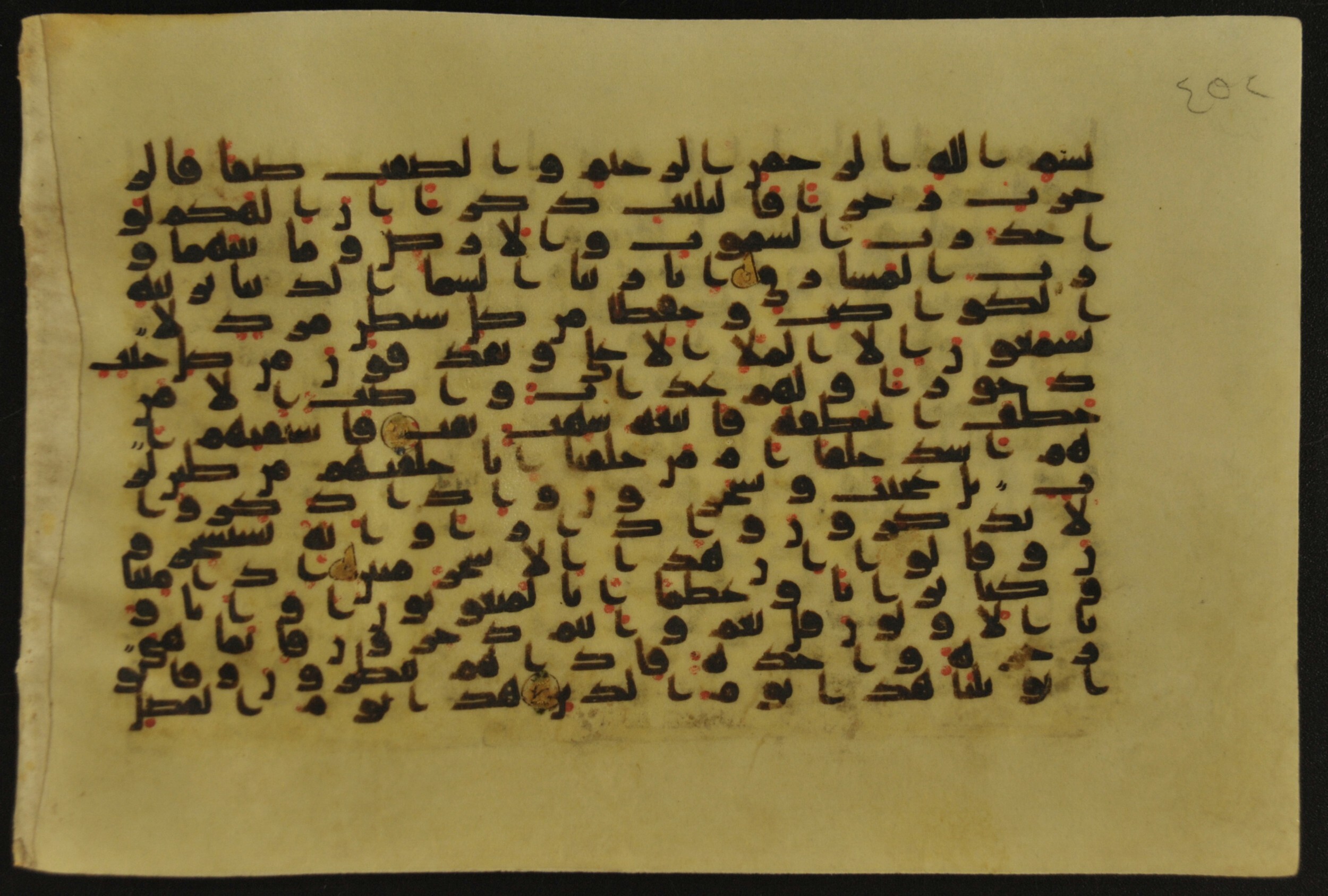
Paris, Bibliothèque nationale de France, Arabe 357
This manuscript features early developments in reading aids, utilizing partial oblique diacritical marks and red dots for vocalization. Golden rosettes and Kufic 'hāʾ' letters are used to mark divisions of verses, illustrating an evolving aesthetic in early Quranic manuscript production.
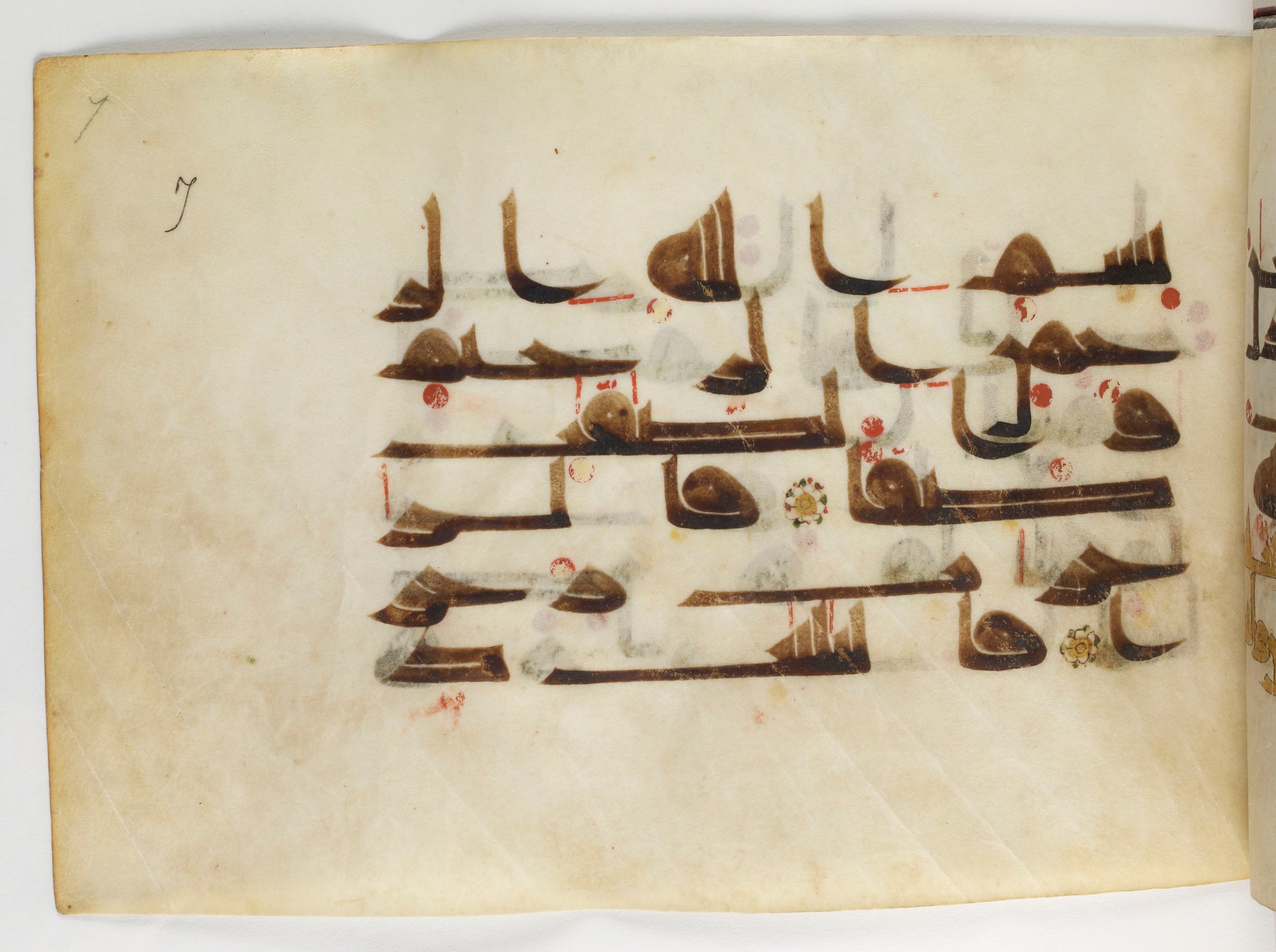
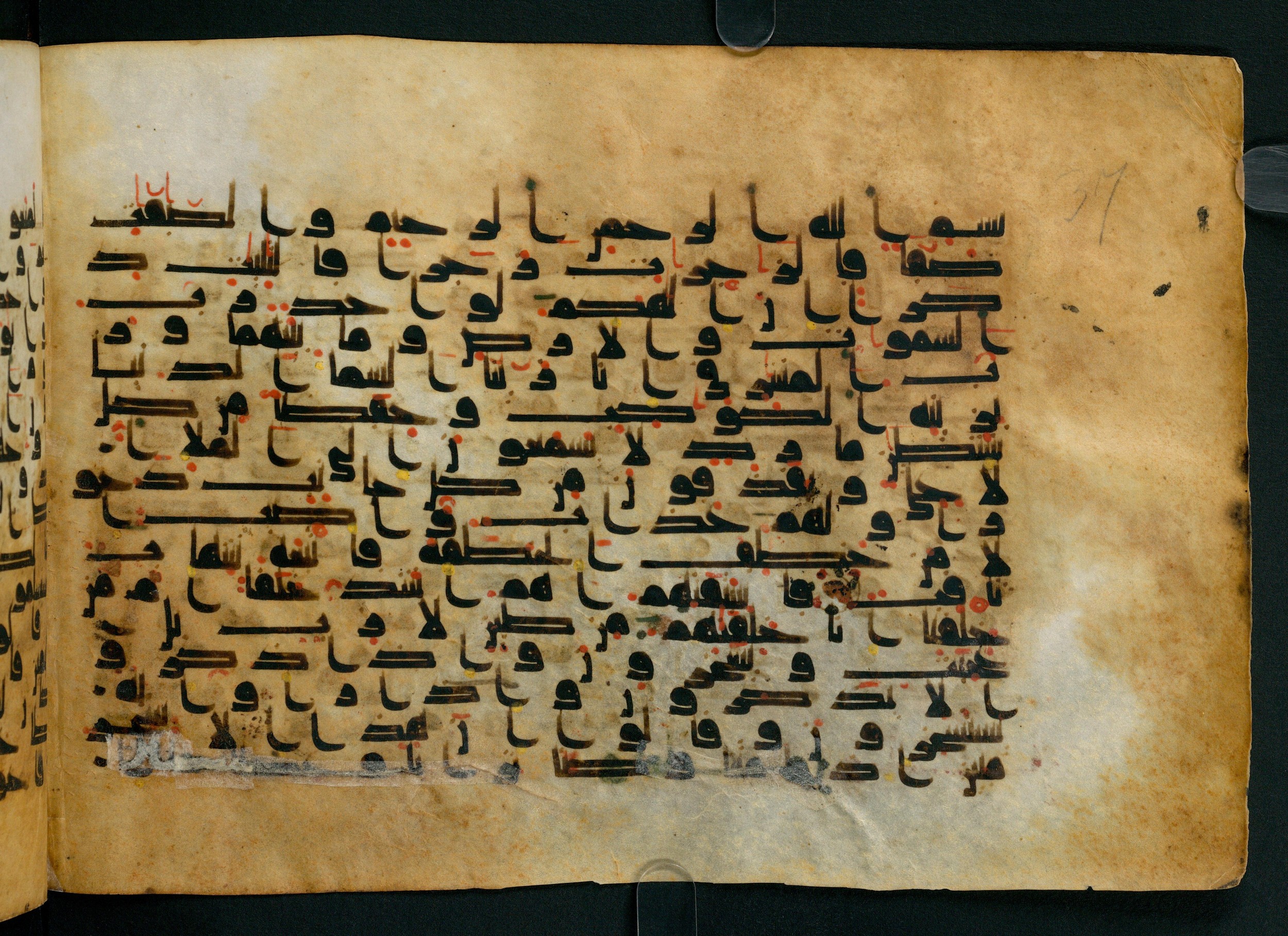
Paris, Bibliothèque nationale de France, Arabe 378
This early Abbasid manuscript features Kufic D.II script with distinctive vocalization using red dots and hamza indicated by yellow dots. It also includes illuminated medallions to separate the verses and golden Kufic letters marking groups of five verses.