
Surah 38:0
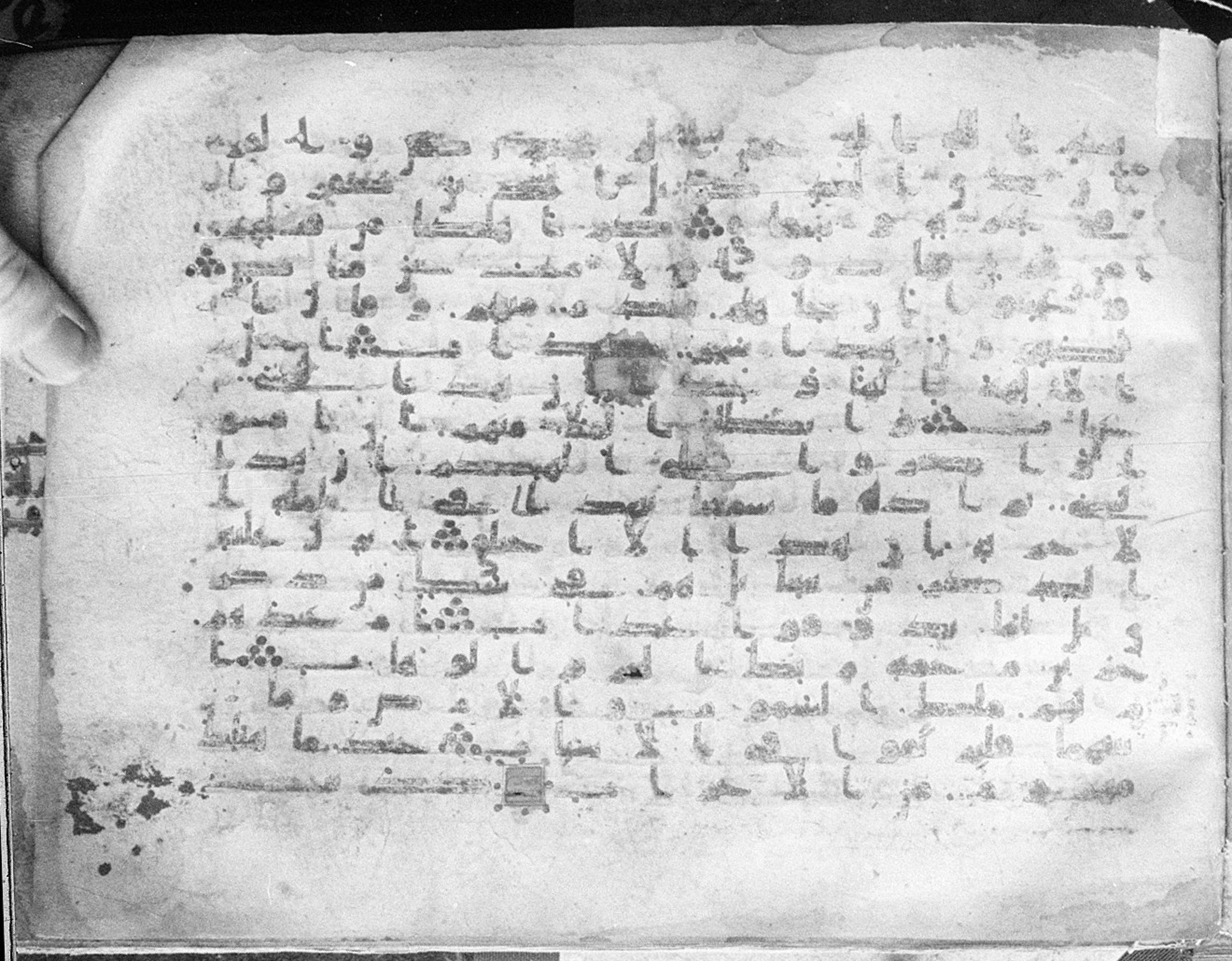
Meknes, Private library of Sherif ʿAbdarraḥmān b. Zīdān, no call number
This nearly complete early Kufic Quran was photographed by Otto Pretzl during a research trip to Morocco in 1934. While the main body belonged to the private library of Sherif ʿAbdarraḥmān b. Zīdān, fragments of this codex have since been dispersed to the Royal Library in Rabat, the Tareq Rajab Museum in Kuwait, and sold through auction houses like Christie's.
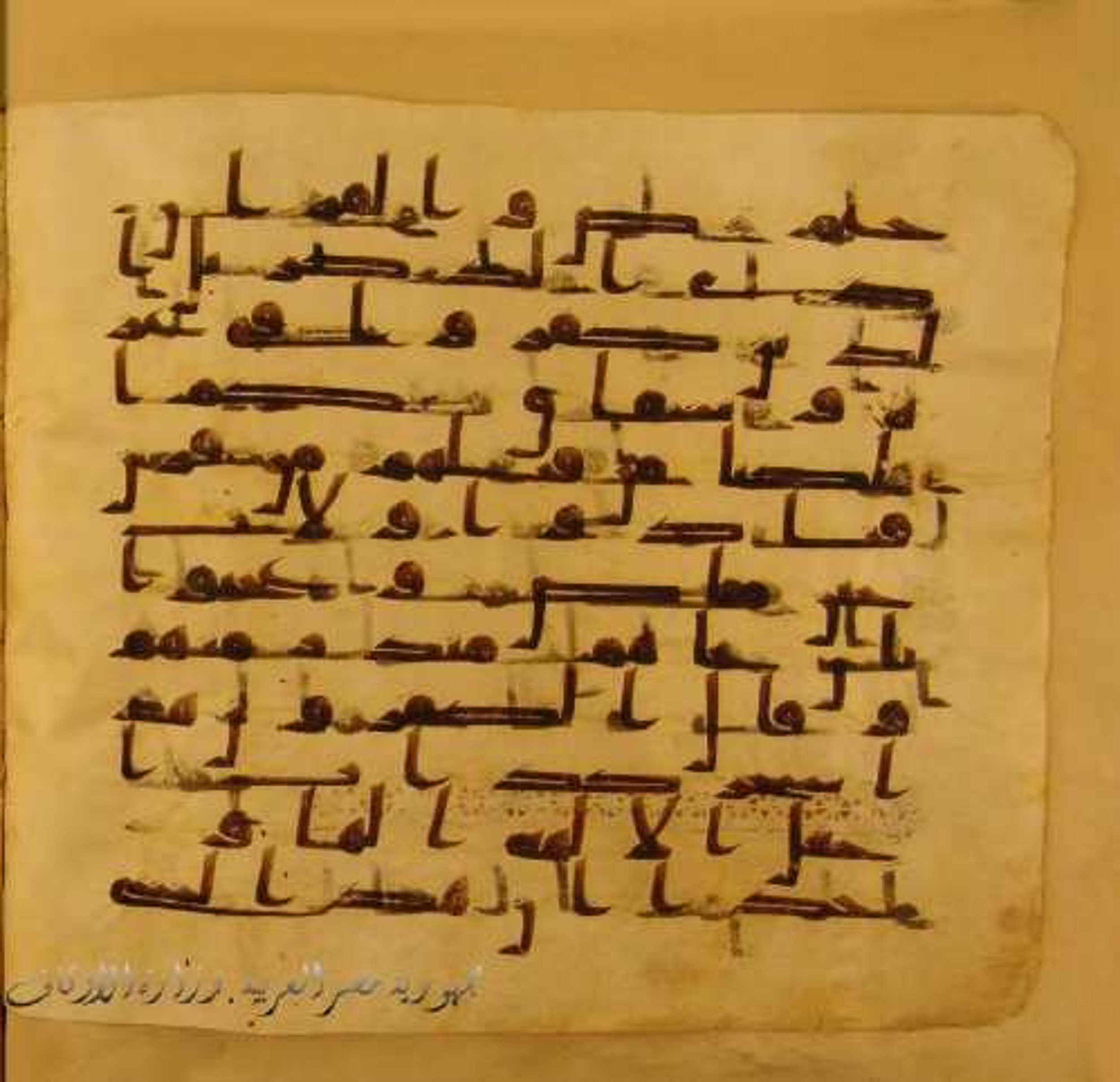
Paris, Bibliothèque nationale de France, Arabe 324 (c)
Carbon dating of fragments from Arabe 324 (c) places its origin between 660-780 AD. The manuscript is part of a composite codex, where Arabe 324 (c) and Gotha Ms. orient. A 462 are original leaves, while other sections such as Arabe 324 (a) and (d) were added centuries later to replace damaged or missing pages.
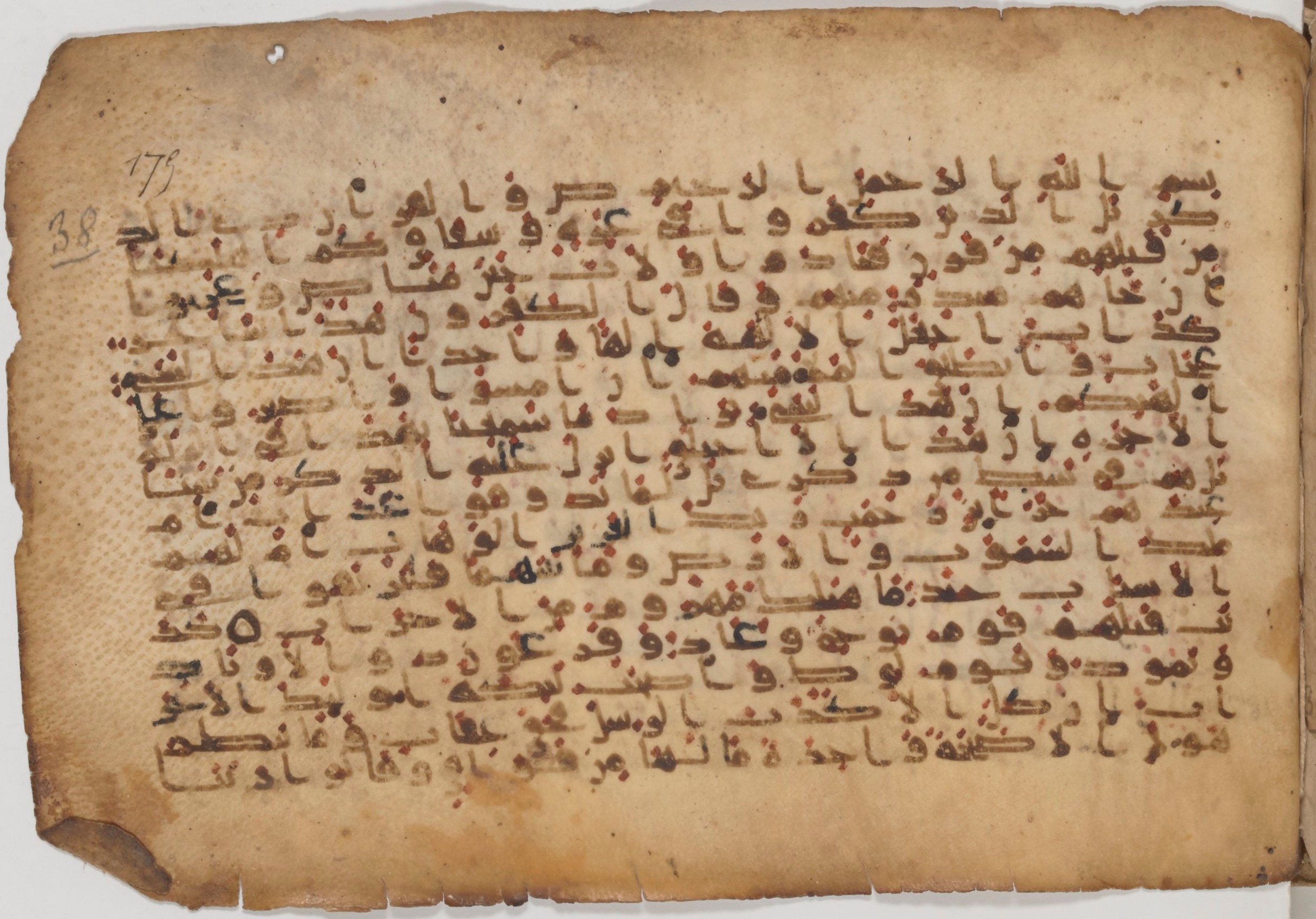
Paris, Bibliothèque nationale de France, Arabe 343
The manuscript uses decorative medallions and bands to mark every ten verses, rather than separating individual verses. A marginal note in cursive script reveals it was once owned by Aḥmad Abū al-ʿAbbās al-Huwaydī, with later readers adding pious notes in the margins.
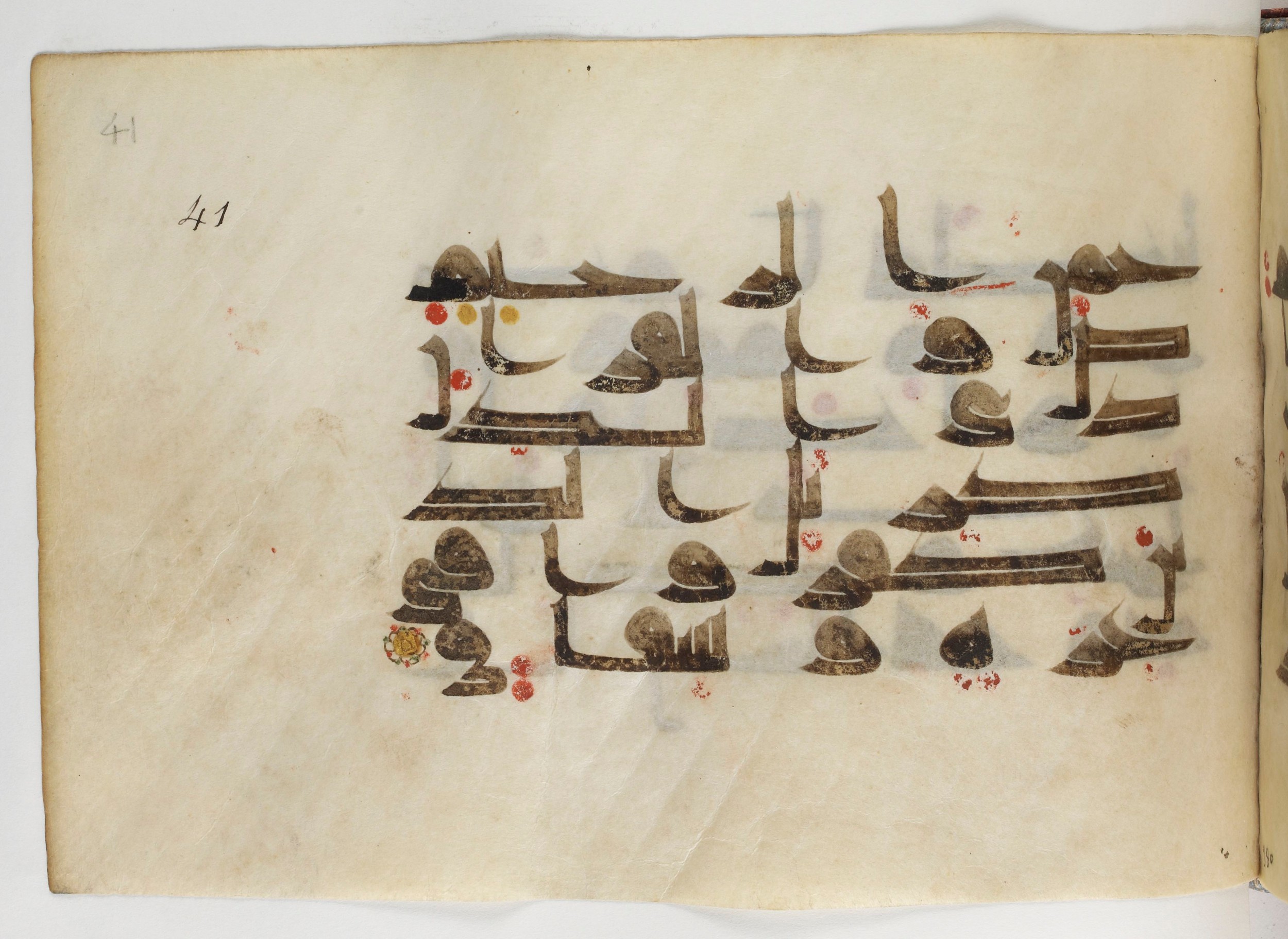
Paris, Bibliothèque nationale de France, Arabe 378
This early Abbasid manuscript features Kufic D.II script with distinctive vocalization using red dots and hamza indicated by yellow dots. It also includes illuminated medallions to separate the verses and golden Kufic letters marking groups of five verses.