
Surah 5:0
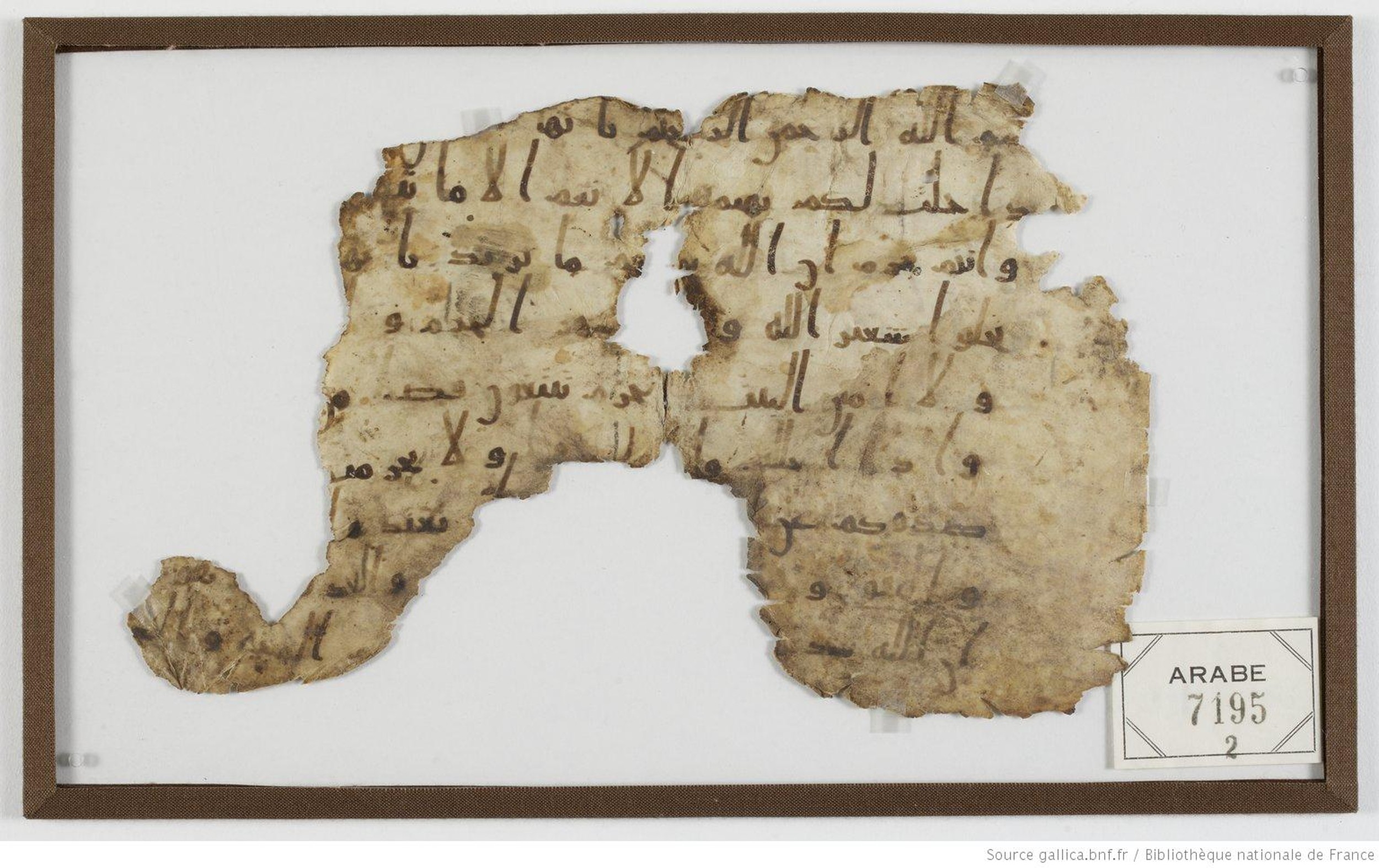
London, The British Library, Or. 2165
Considered by Gotthelf Bergsträßer to be the most important representative of the ḥiǧāzī script style due to its extensive size. It features a bold hand with tall, right-leaning hastae that sets it apart from more conventional early Kufic Qurans. Two folios from this same codex are currently preserved at the Dār al-Āṯār al-Islāmiyya in Kuwait.
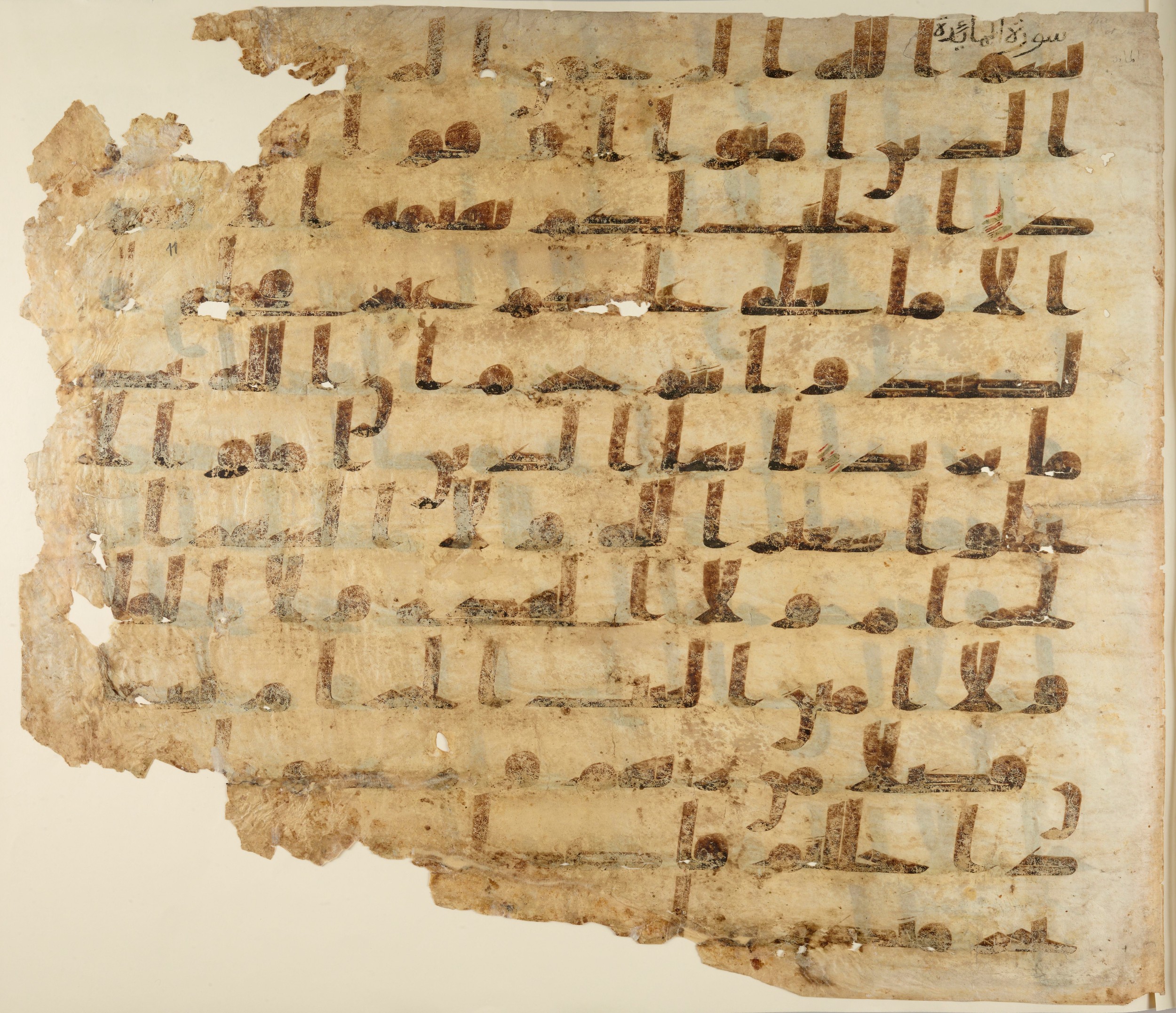
Paris, Bibliothèque nationale de France, Arabe 324 (c)
Carbon dating of fragments from Arabe 324 (c) places its origin between 660-780 AD. The manuscript is part of a composite codex, where Arabe 324 (c) and Gotha Ms. orient. A 462 are original leaves, while other sections such as Arabe 324 (a) and (d) were added centuries later to replace damaged or missing pages.
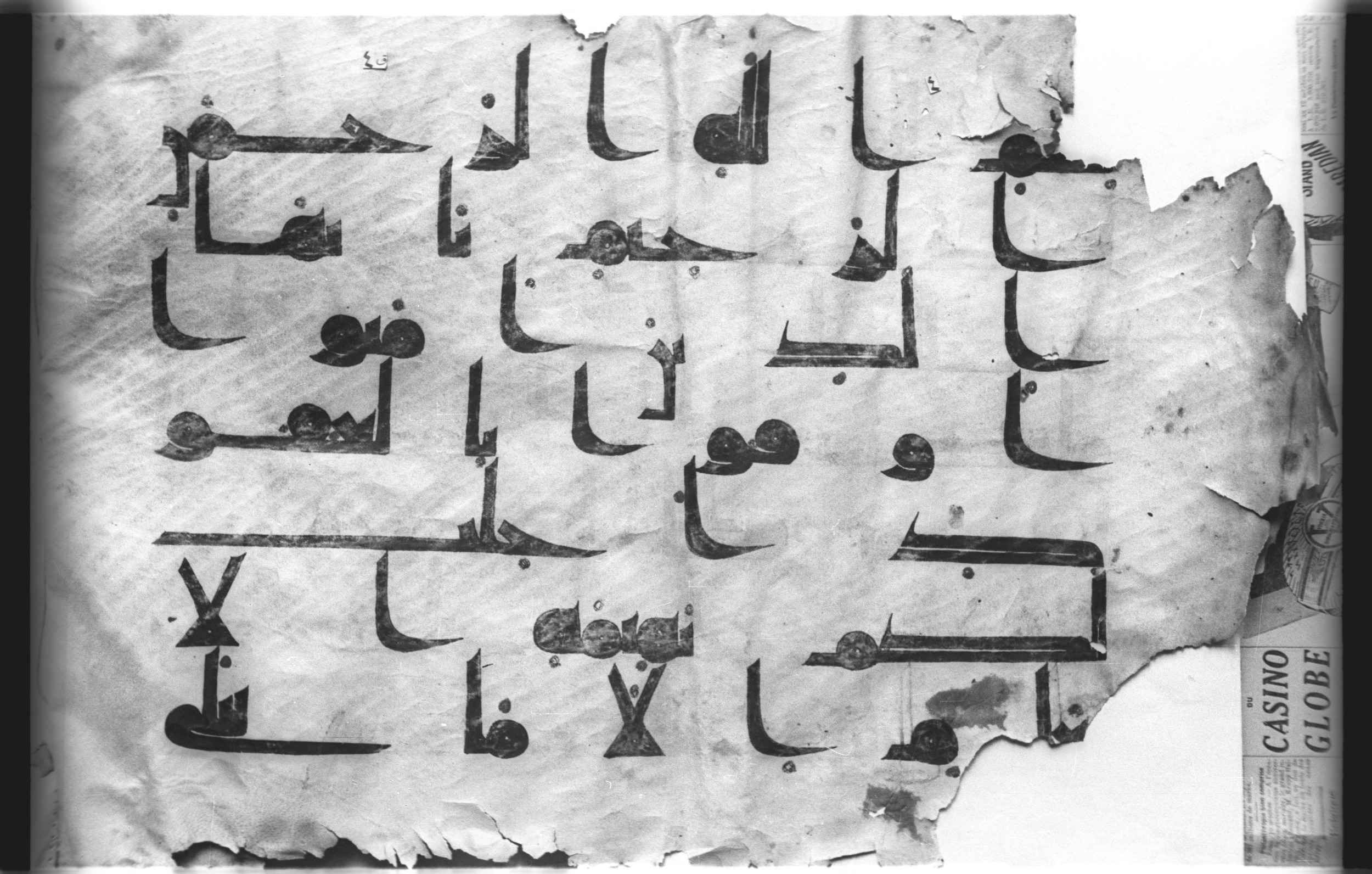
Cairo, Khedivial Library, today: Egyptian National Library and Archives, Moritz 1905, table 37-38
Documented in Bernhard Moritz's seminal 1905 work 'Arabic Palaeography', this manuscript is known only through two surviving images, with its physical dimensions and total leaf count remaining a mystery. It serves as an important surviving example of early Kufic script from the Abbasid era.