
Surah 7:0
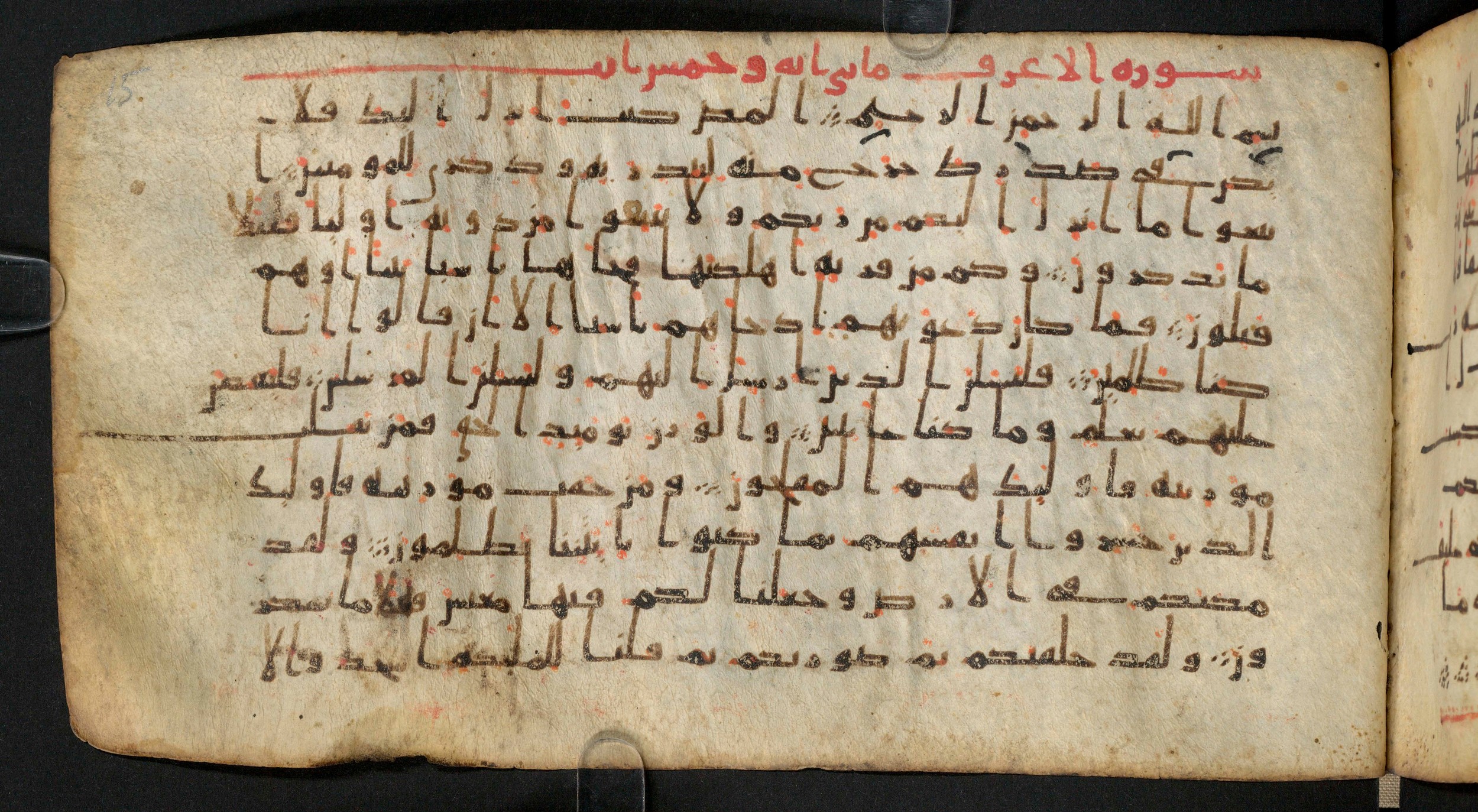
Staatsbibliothek zu Berlin, Ms. or. fol. 4313
This codex is one of the earliest surviving Quranic manuscripts, with combined radiocarbon dating of its parchment placing its production between 605 and 651 AD. The seven folios in Berlin were once part of a larger codex that is now split, with 33 additional folios currently held in the Egyptian National Library. The Berlin leaves were acquired in 1939 from the estate of Bernhard Moritz, the former director of the Khedivial Library.
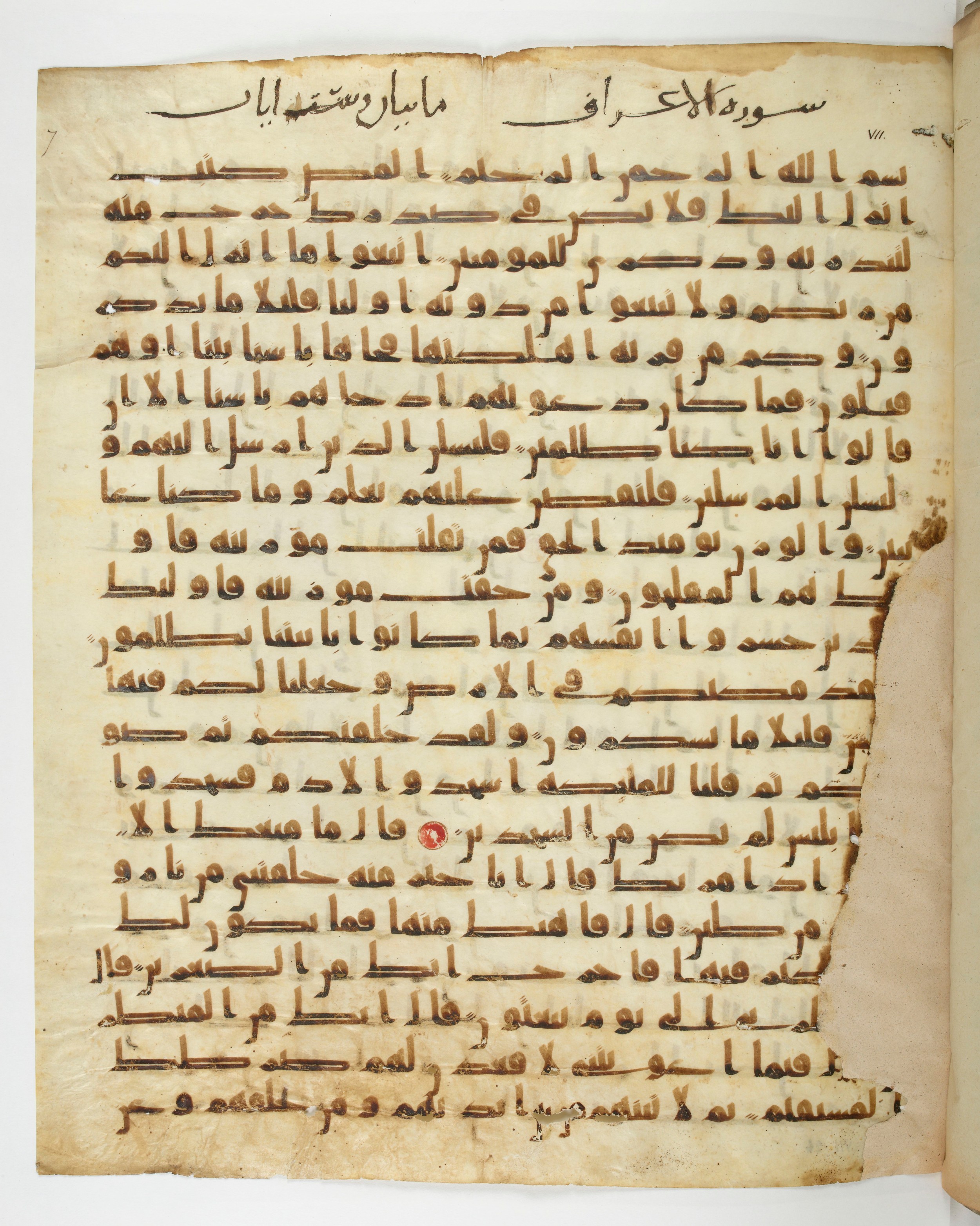
Paris, Bibliothèque nationale de France, Arabe 332
This 8th-century codex features scarce use of diacritical marks and no vocalization, reflecting its antiquity. Fragments of the original manuscript are now widely dispersed, with portions held not only in Paris but also in the Vatican Library (Vat.ar.1784), the Khalili Collections (KFQ 49), and the University of Pennsylvania Museum (E 16264 D).
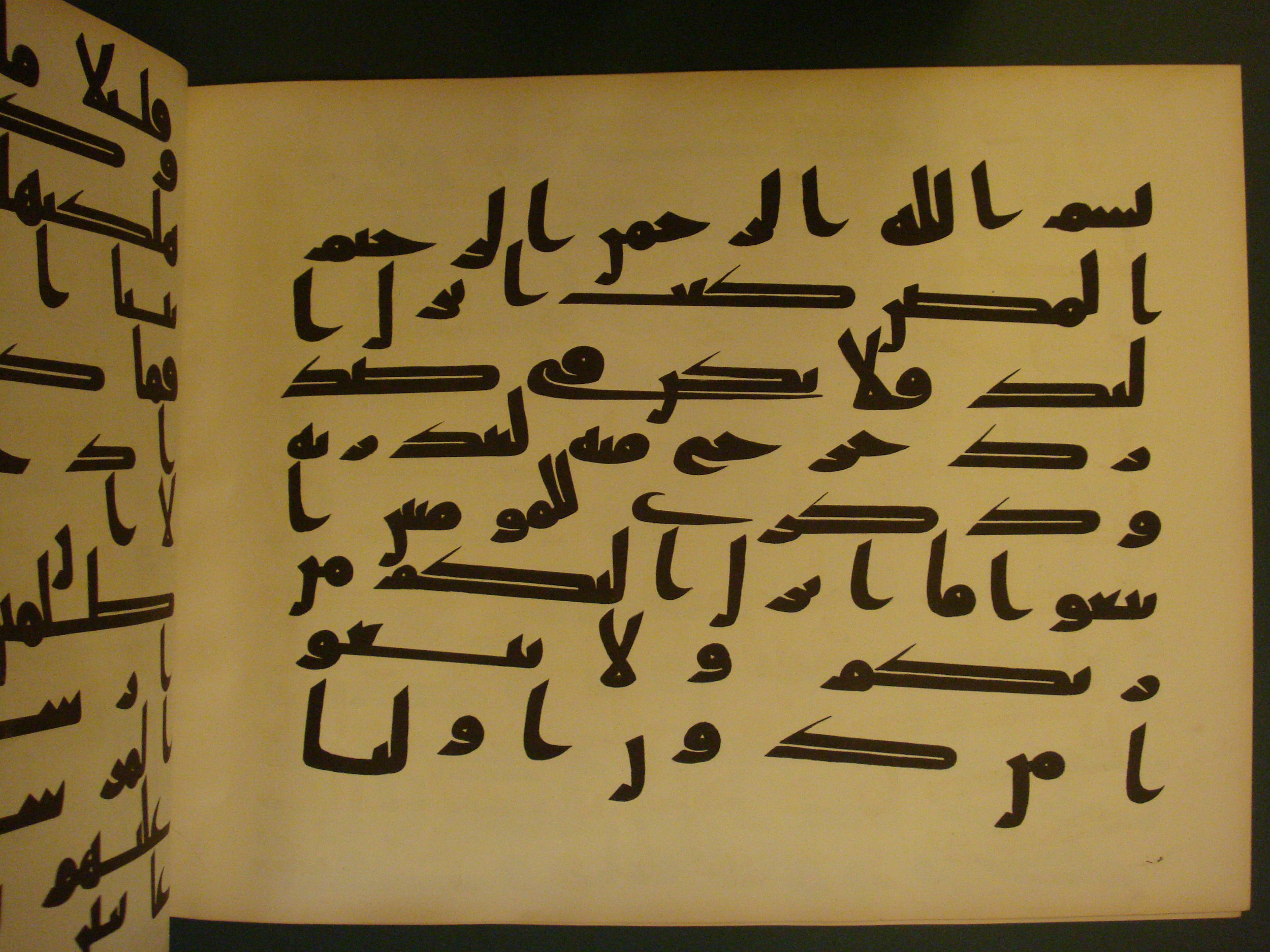
Samarkand Kufic Quran
This monumental manuscript is one of the oldest surviving Qurans, traditionally believed to be the personal copy of Caliph Uthman stained with his blood. After being taken by Russian imperial forces in 1868 to Saint Petersburg, it was repatriated to Tashkent in 1923.
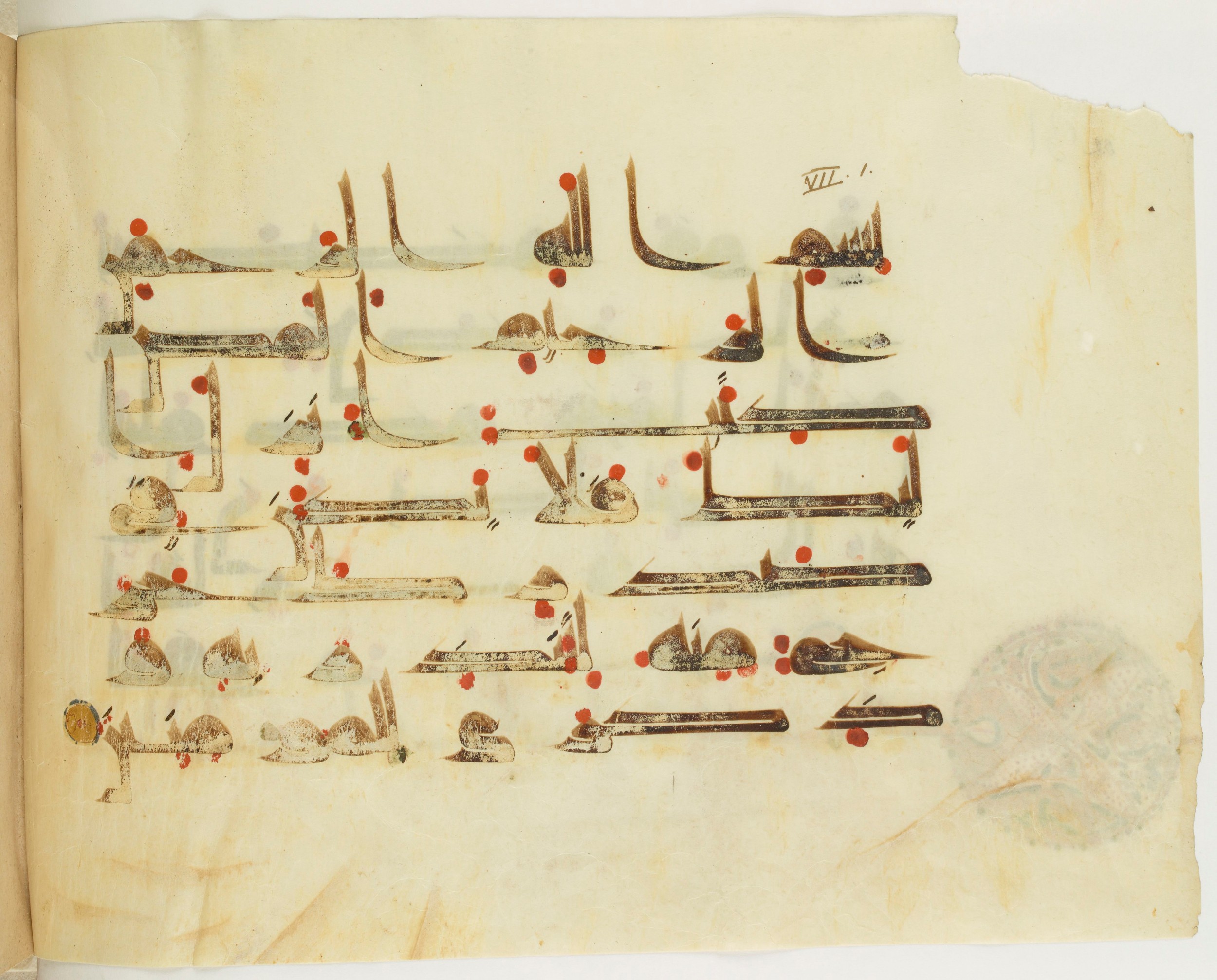
Paris, Bibliothèque nationale de France, Arabe 341 (a)
This codex is notable for its early Kufic D.III script and rich illuminations. It features golden circular vignettes for Surah headings and a highly ornate full-page decorative band with interlaced geometric patterns, leaf motifs, and red and green accents marking the beginning of the 23rd Juz'.
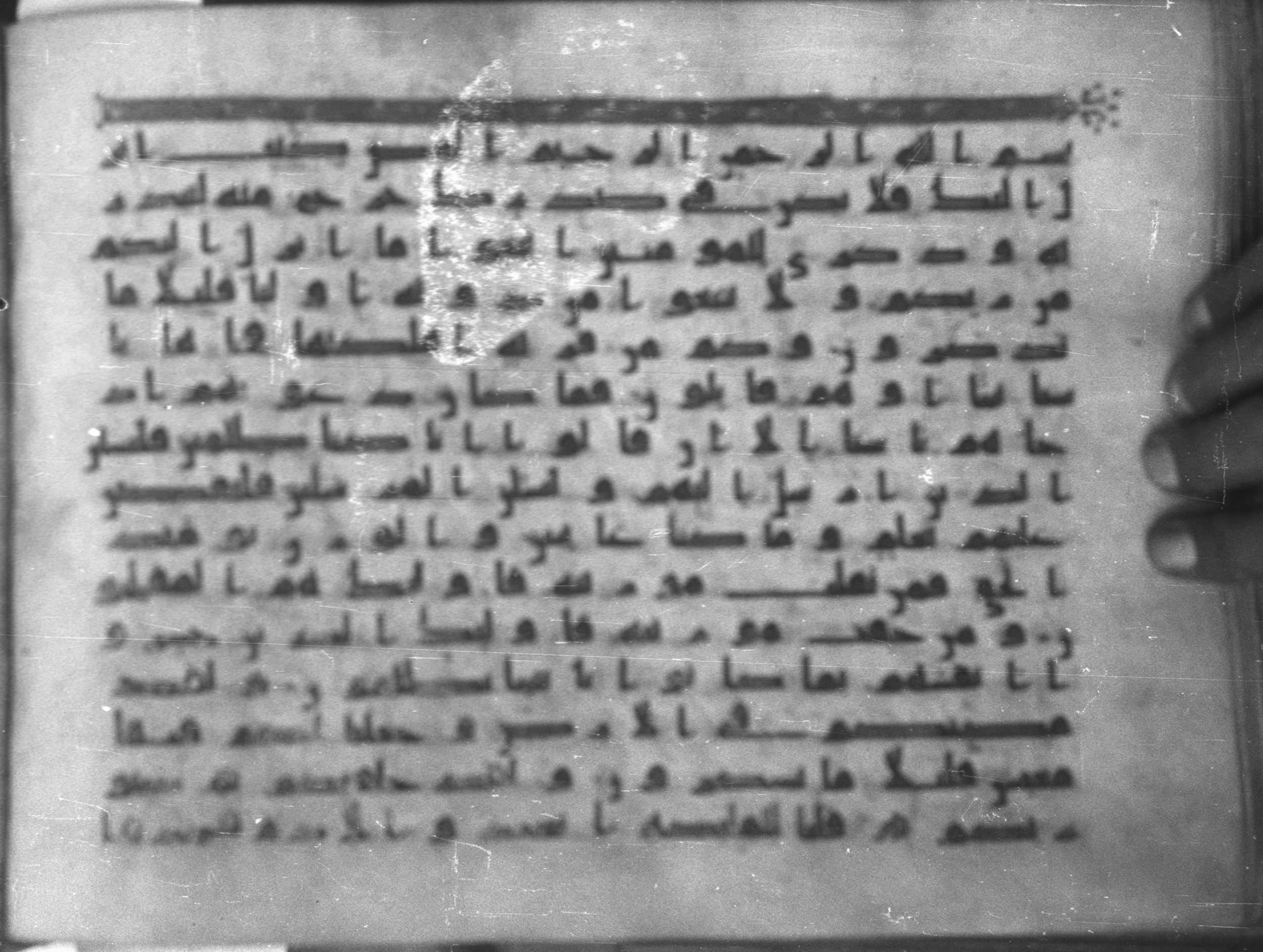
Topkapı Palace Museum, Saray 50395 (Scan 1)
This nearly complete codex is an exceptional document, as complete codices in Kūfī D script style are extremely rare. The manuscript features illuminated pages for the first three and last six folios, as well as at surah beginnings.
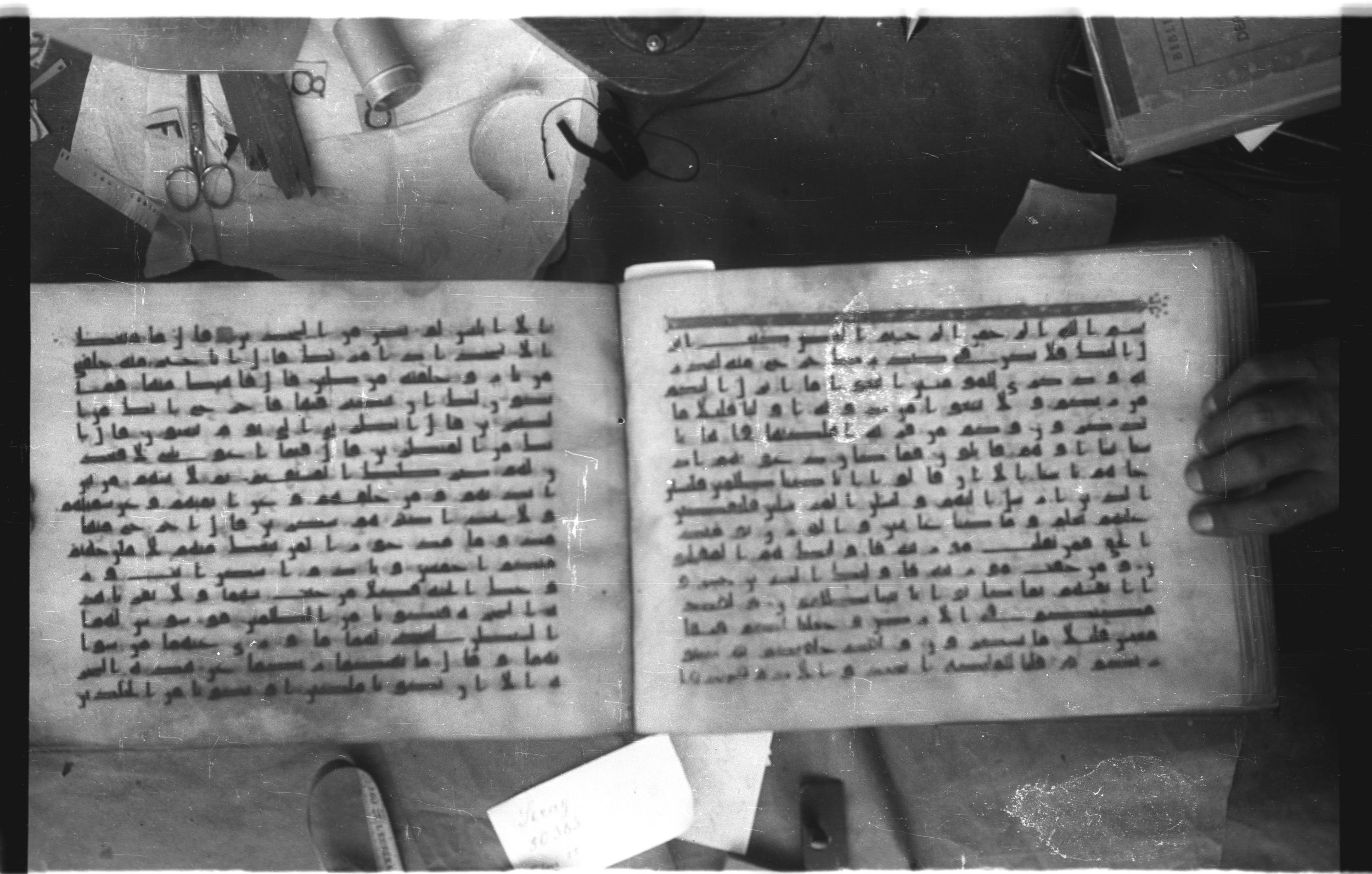
Topkapı Palace Museum, Saray 50395 (Scan 2)
This nearly complete codex is an exceptional document, as complete codices in Kūfī D script style are extremely rare. The manuscript features illuminated pages for the first three and last six folios, as well as at surah beginnings.
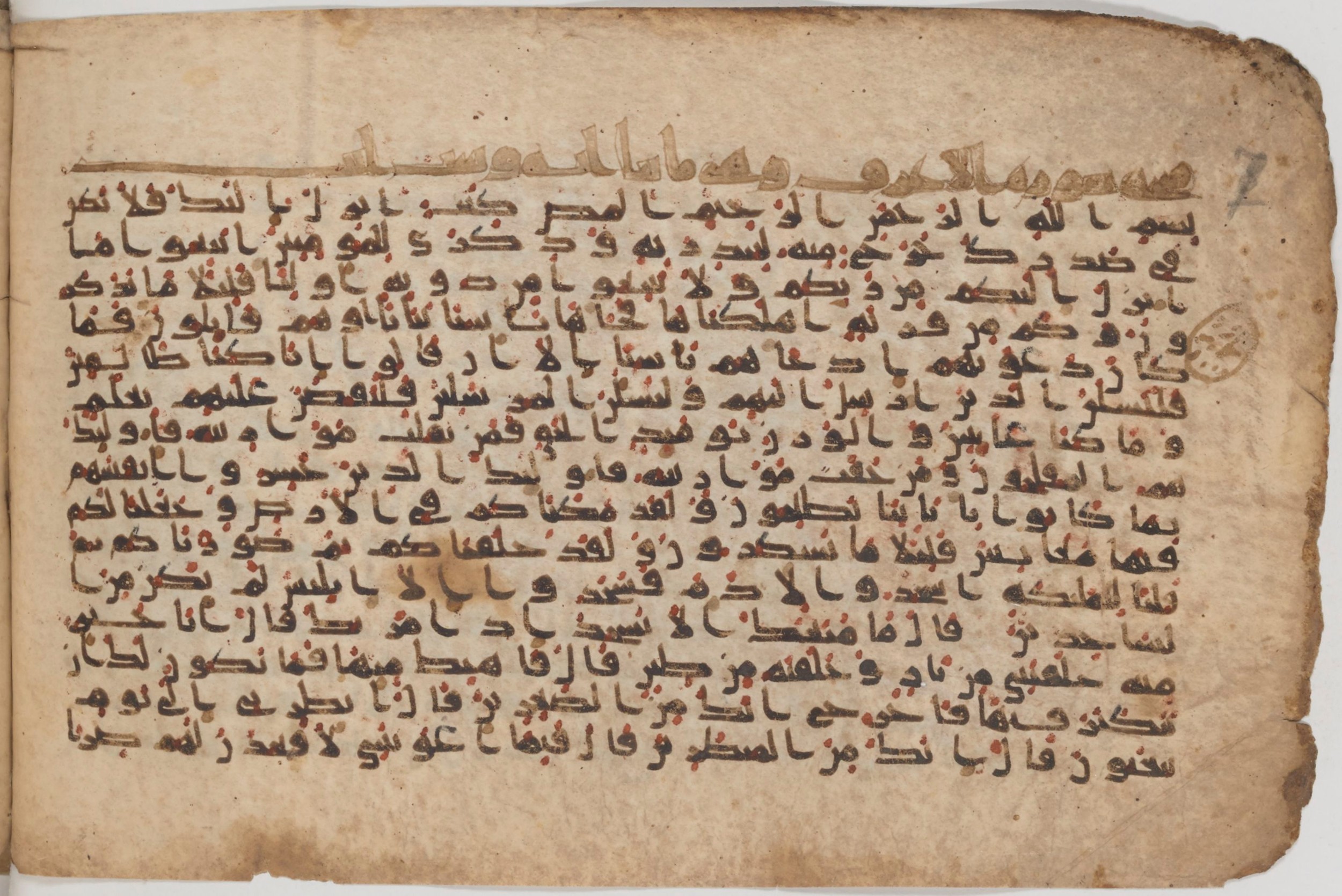
Paris, Bibliothèque nationale de France, Arabe 343
The manuscript uses decorative medallions and bands to mark every ten verses, rather than separating individual verses. A marginal note in cursive script reveals it was once owned by Aḥmad Abū al-ʿAbbās al-Huwaydī, with later readers adding pious notes in the margins.