
Surah 87:0
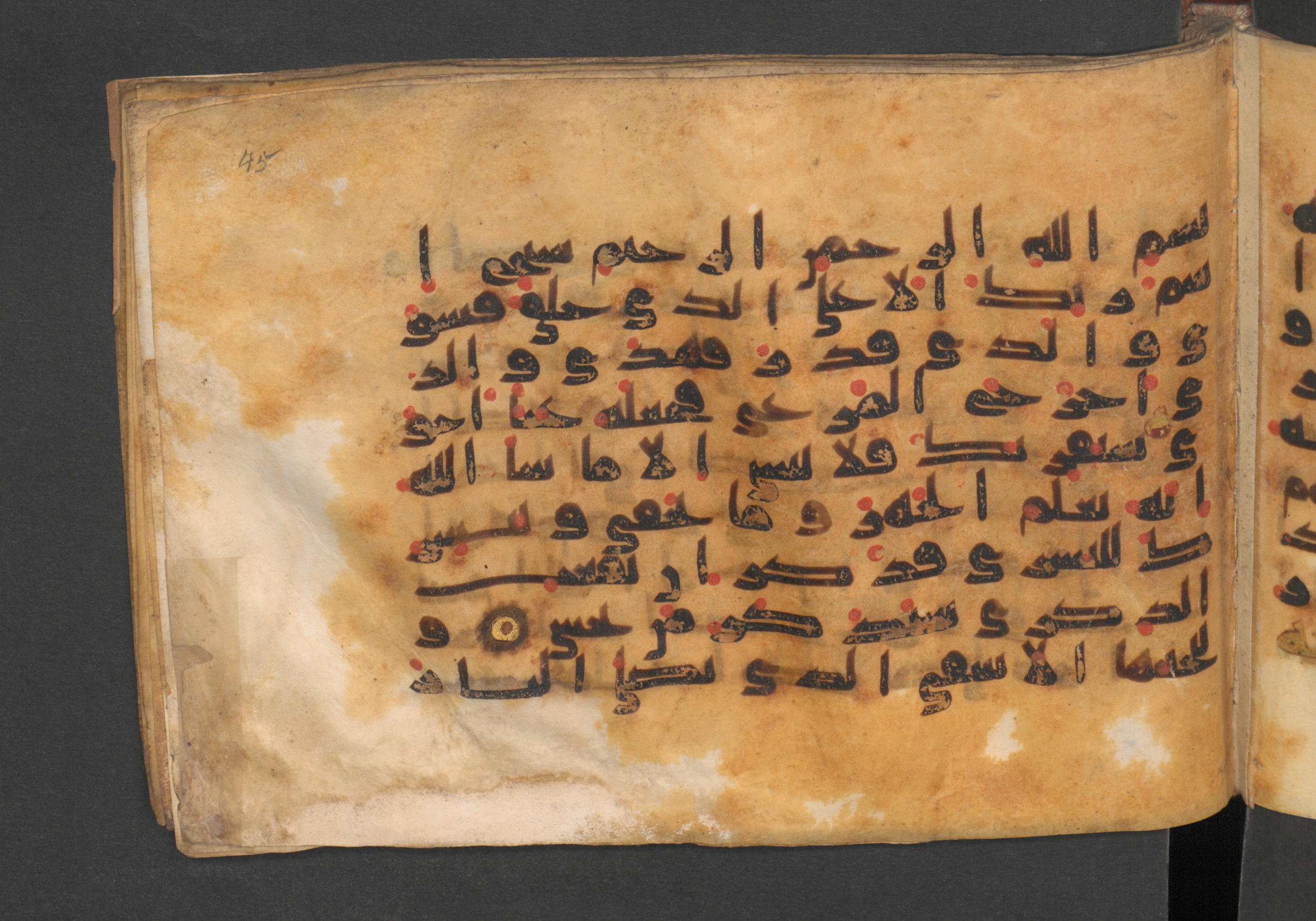
Berlin, Staatsbibliothek zu Berlin, Wetzstein II 1925 (Ahlwardt 364)
The manuscript has suffered from historical water and oil damage, causing its parchment leaves to become quite wrinkled. It features elegant gold script used exclusively for the surah titles and verse counts.
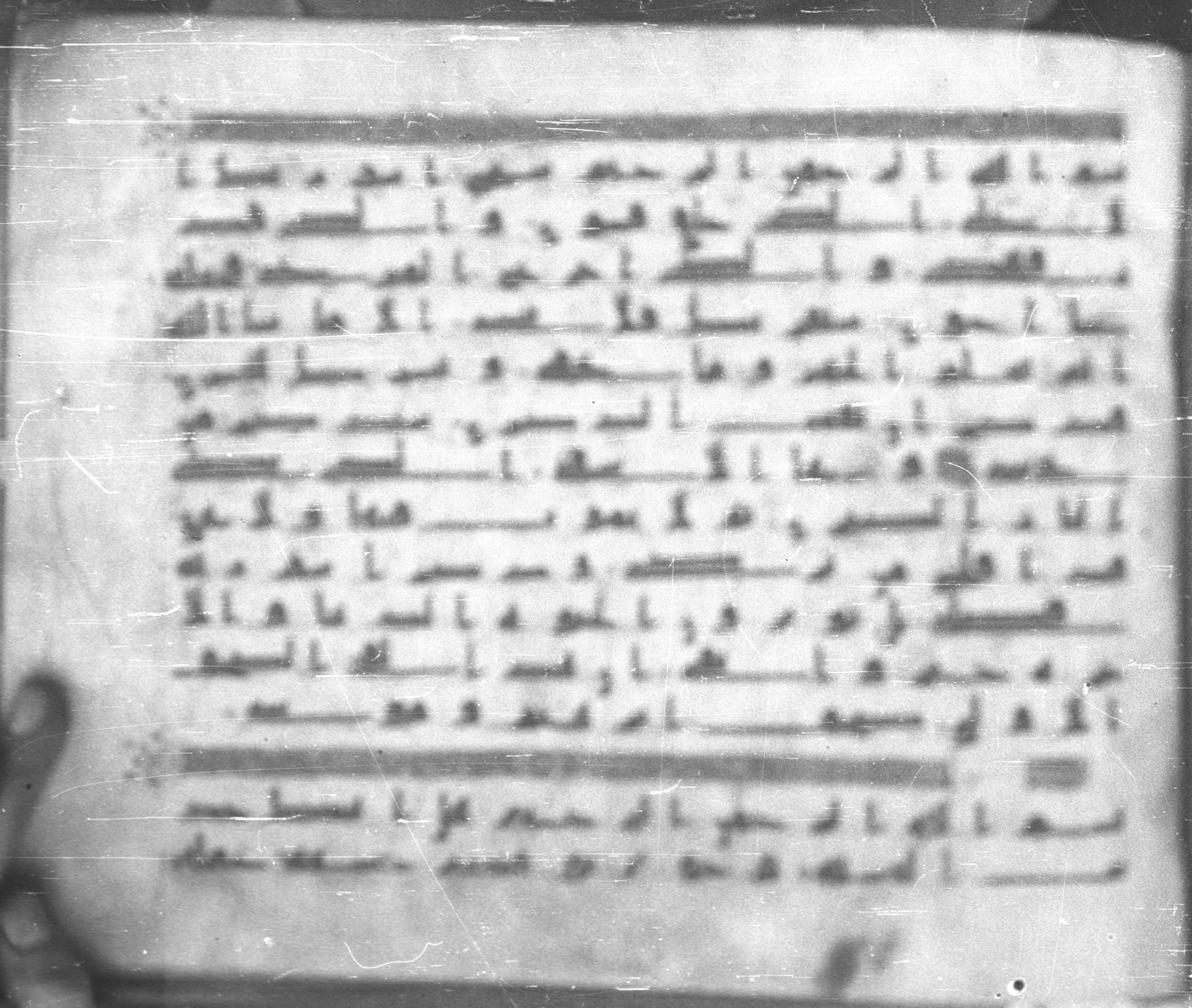
Topkapı Palace Museum, Saray 50395
This nearly complete codex is an exceptional document, as complete codices in Kūfī D script style are extremely rare. The manuscript features illuminated pages for the first three and last six folios, as well as at surah beginnings.
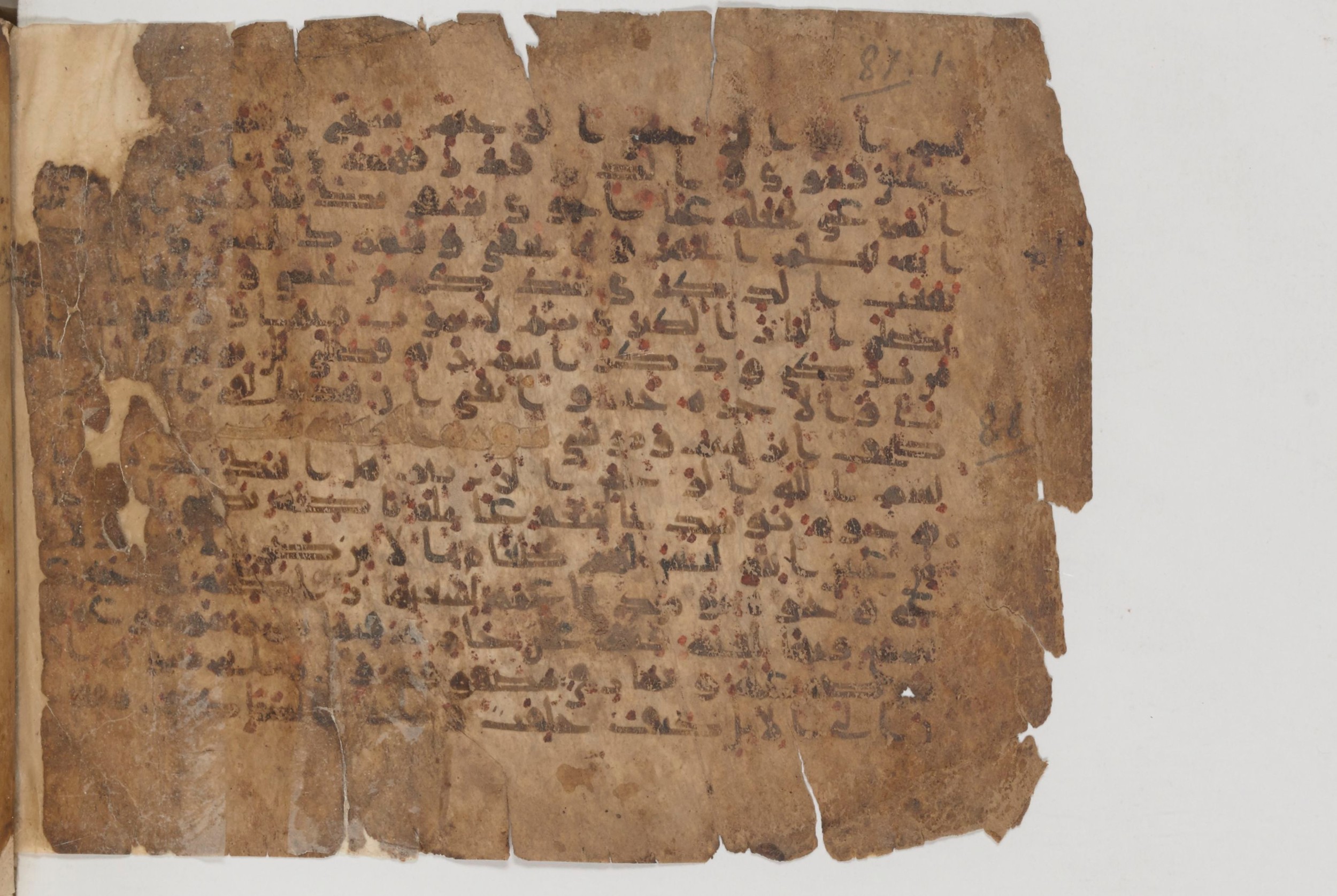
Paris, Bibliothèque nationale de France, Arabe 343
The manuscript uses decorative medallions and bands to mark every ten verses, rather than separating individual verses. A marginal note in cursive script reveals it was once owned by Aḥmad Abū al-ʿAbbās al-Huwaydī, with later readers adding pious notes in the margins.
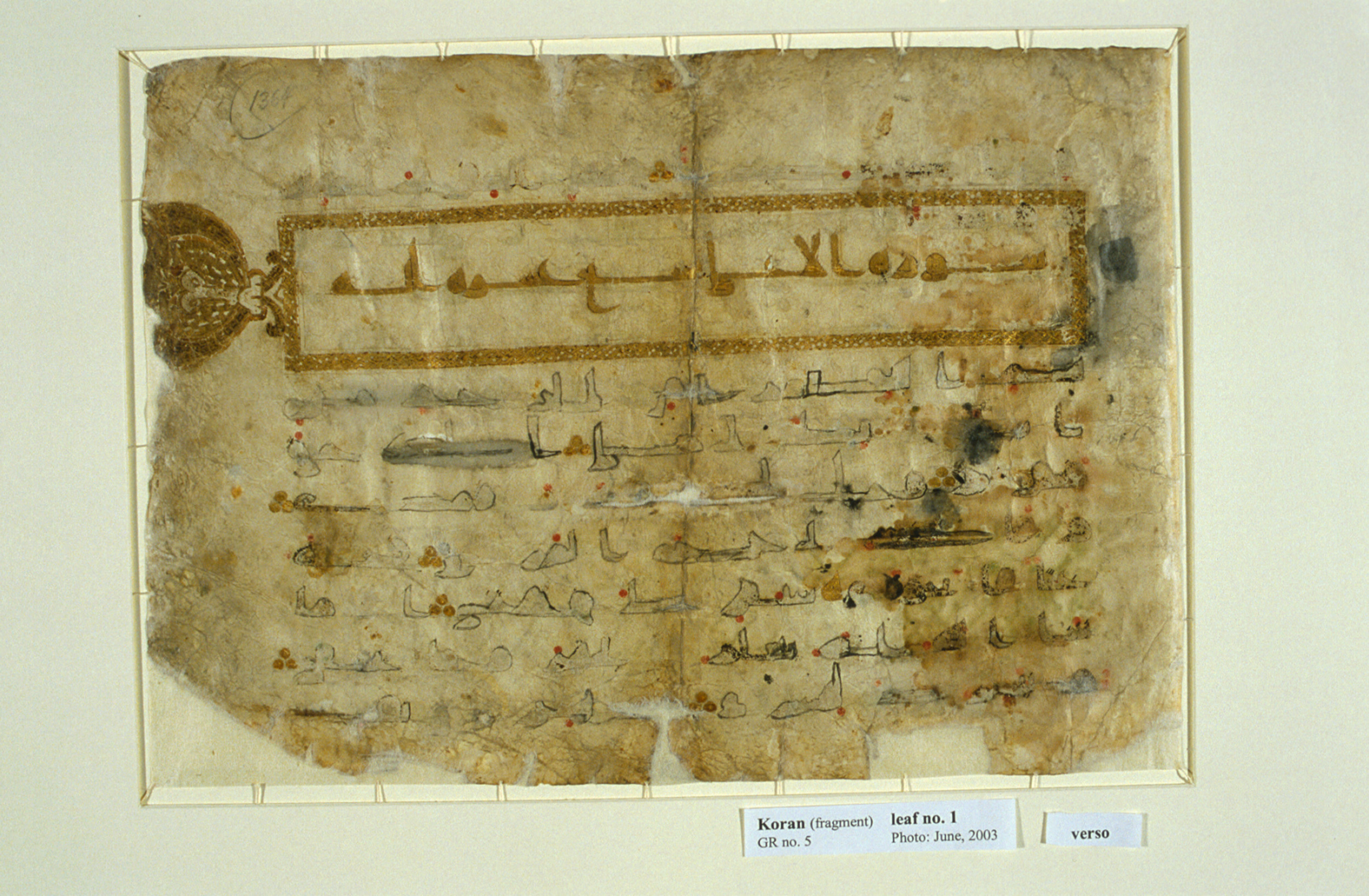
Library of Congress, AL-1
This early parchment folio features the distinctive Kūfī type D script, characterized by 10 lines per page. It represents a significant early Kufic fragment of the Quran.
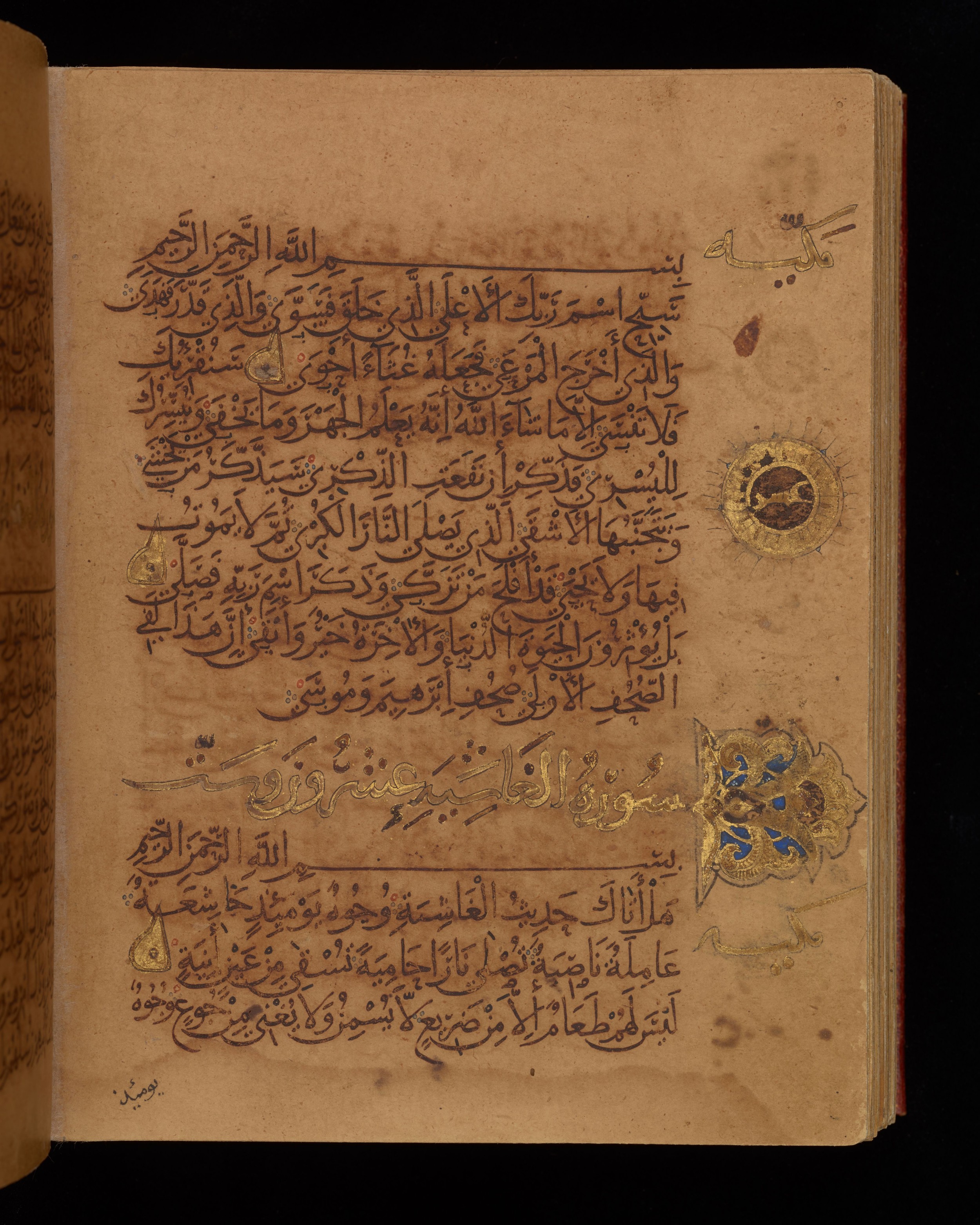
Dublin, Chester Beatty Library, Is 1431
This complete Quran was produced in Baghdad by the renowned calligrapher ʿAlī b. Hilāl, also known as Ibn al-Bawwāb, around 1000-1001 AD. He is a significant figure in Islamic art, closely associated with the adoption of the round Naskh script to transcribe the Quran.