
Surah 97:0
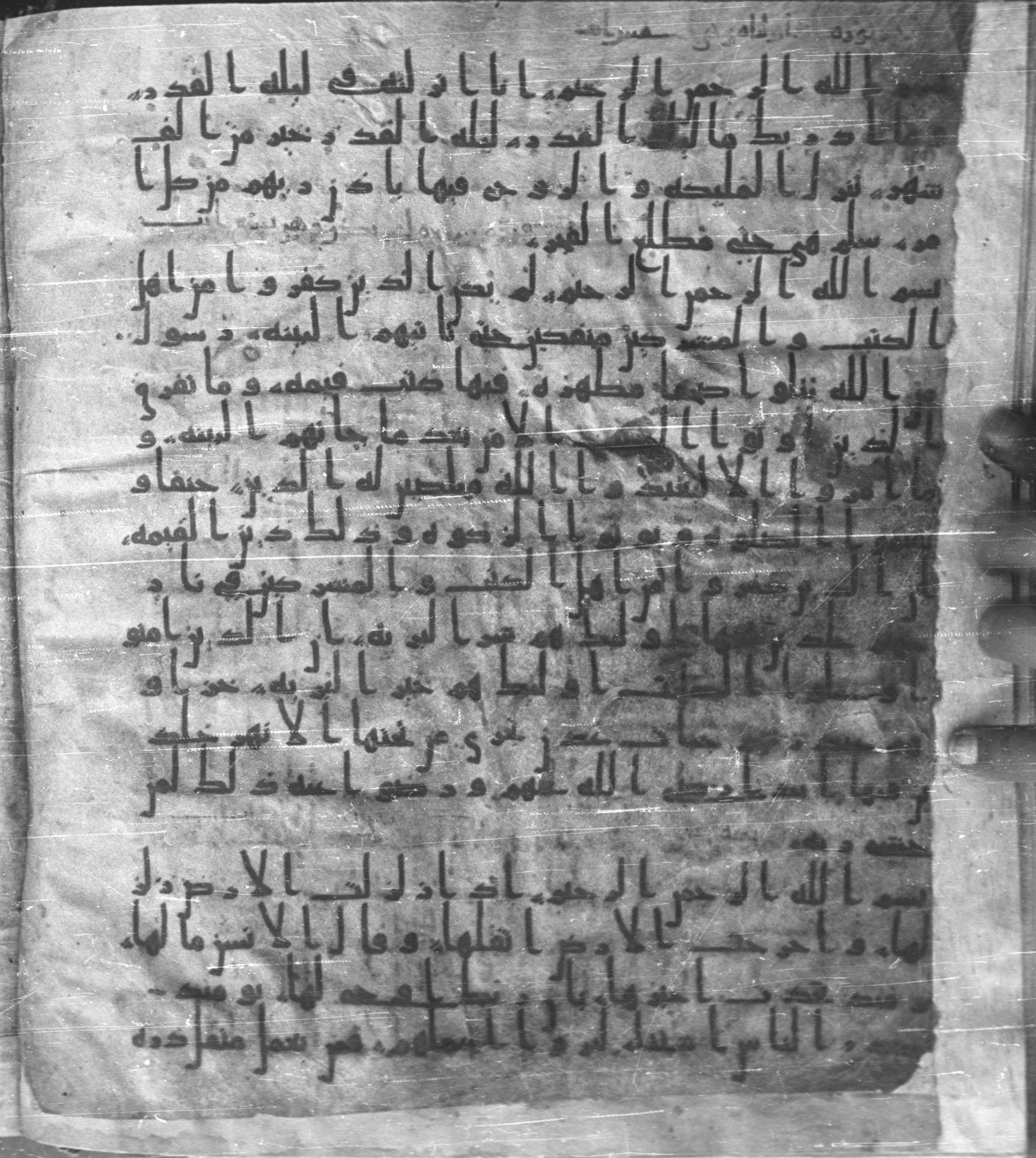
Staatsbibliothek zu Berlin, Ms. or. fol. 4313 (Scan 1)
This codex is one of the earliest surviving Quranic manuscripts, with combined radiocarbon dating of its parchment placing its production between 605 and 651 AD. The seven folios in Berlin were once part of a larger codex that is now split, with 33 additional folios currently held in the Egyptian National Library. The Berlin leaves were acquired in 1939 from the estate of Bernhard Moritz, the former director of the Khedivial Library.
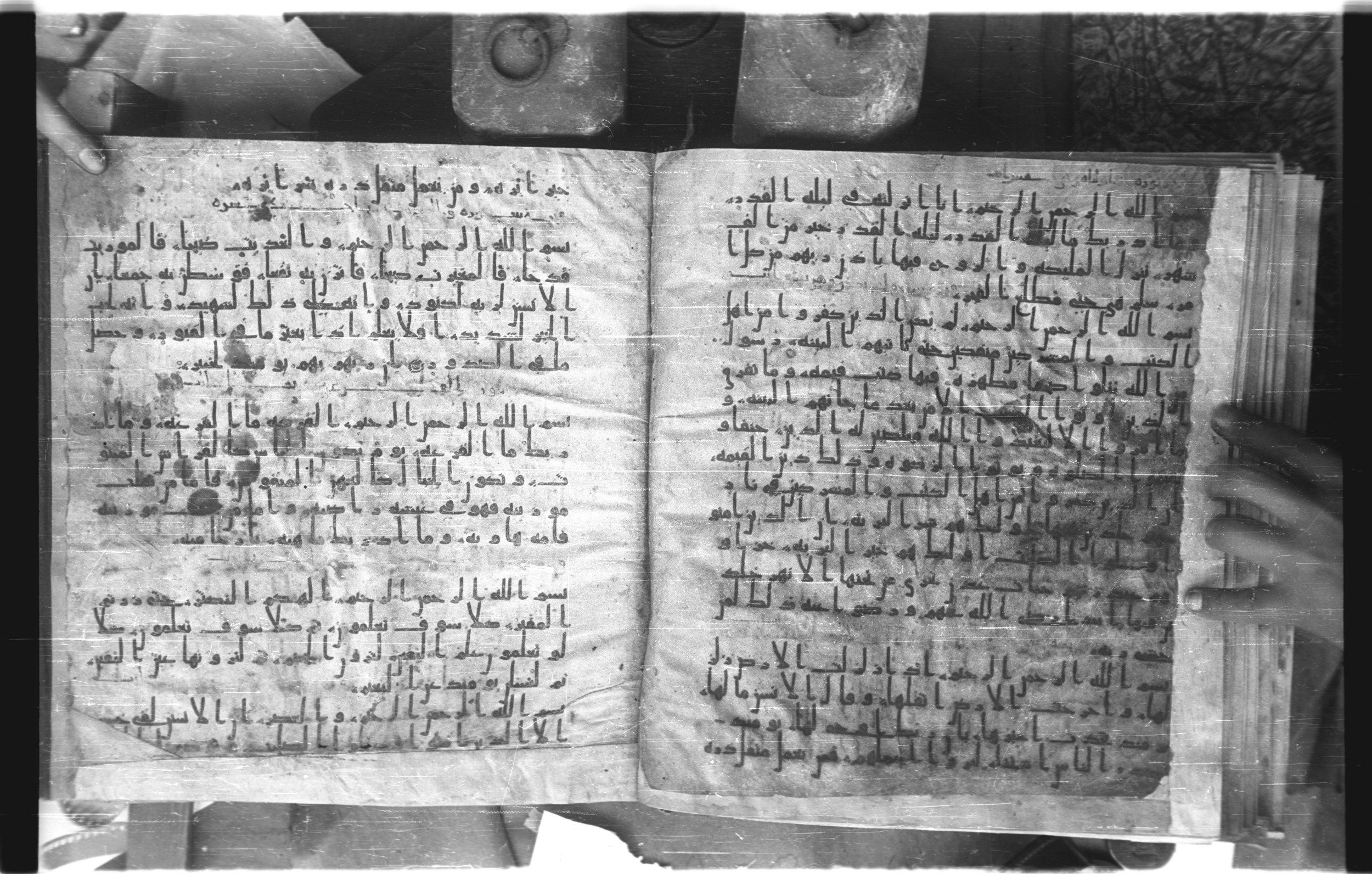
Staatsbibliothek zu Berlin, Ms. or. fol. 4313 (Scan 2)
This codex is one of the earliest surviving Quranic manuscripts, with combined radiocarbon dating of its parchment placing its production between 605 and 651 AD. The seven folios in Berlin were once part of a larger codex that is now split, with 33 additional folios currently held in the Egyptian National Library. The Berlin leaves were acquired in 1939 from the estate of Bernhard Moritz, the former director of the Khedivial Library.
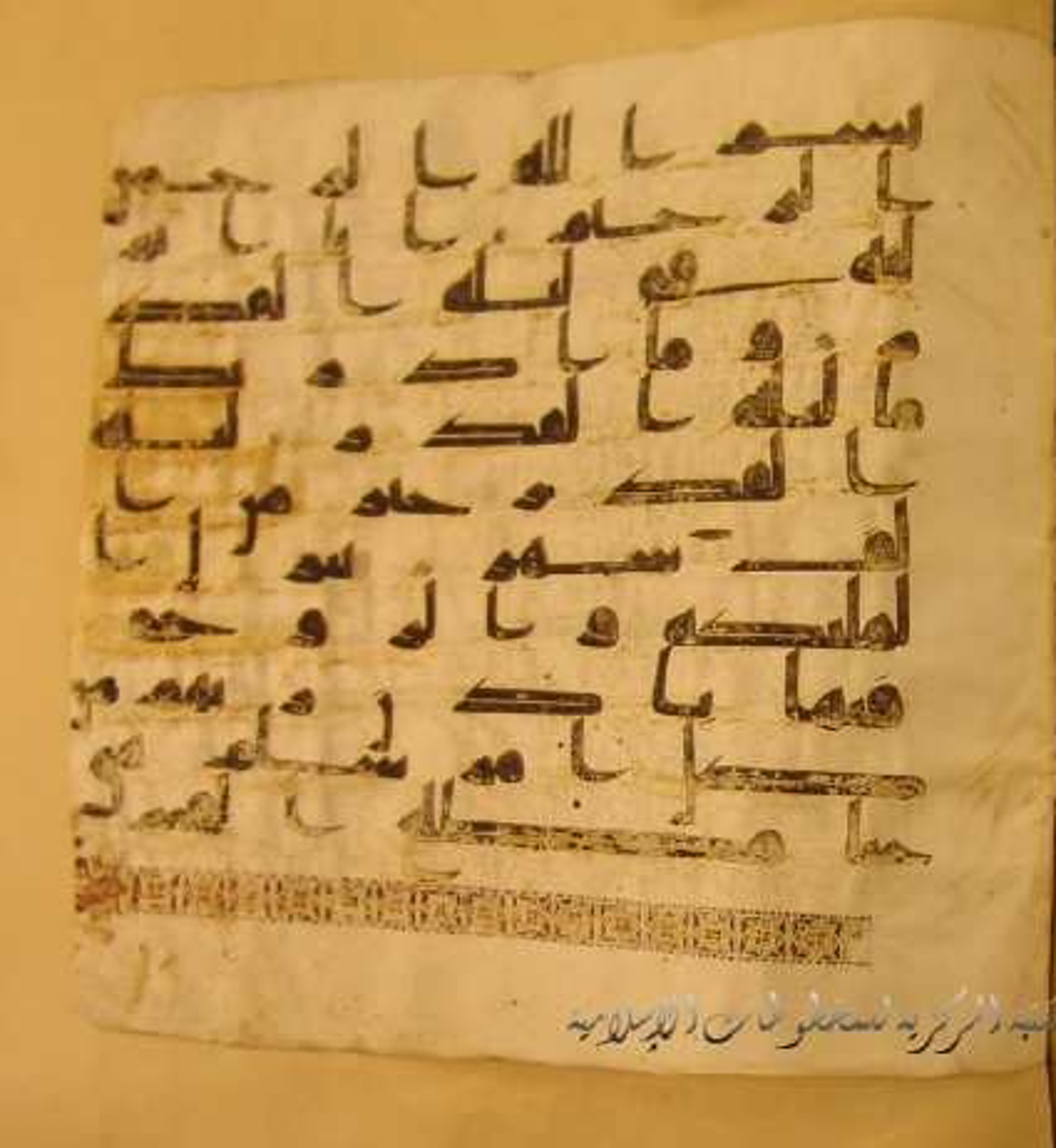
Paris, Bibliothèque nationale de France, Arabe 324 (c)
Carbon dating of fragments from Arabe 324 (c) places its origin between 660-780 AD. The manuscript is part of a composite codex, where Arabe 324 (c) and Gotha Ms. orient. A 462 are original leaves, while other sections such as Arabe 324 (a) and (d) were added centuries later to replace damaged or missing pages.